
Upcycling fabric scraps into stylish home decor is one of the most satisfying ways to refresh your space while cutting down on waste. This article shares creative, practical, and beginner friendly DIY fabric scrap projects that bring color, texture, and personality to every room in your home.
Cozy Home Décor from Fabric Scraps: Upcycled Style
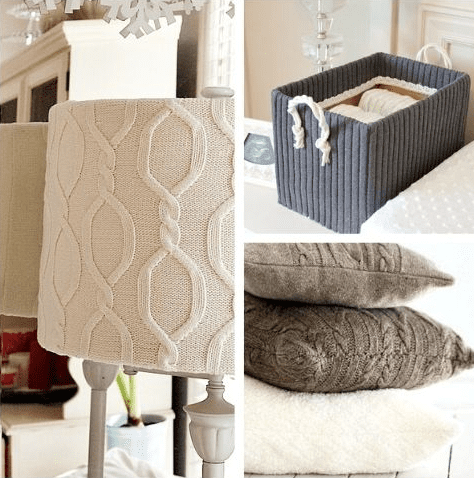
Turning fabric leftovers into cozy home décor is a simple way to personalize your space without buying new materials. Small pieces of cotton, linen, and even worn-out clothing can become cushions, wall hangings, coasters, or table accents that look curated instead of cluttered. In my experience working with home DIY enthusiasts, the most successful projects start by sorting scraps by color and fabric type so the end result feels cohesive rather than chaotic.
Upcycled fabric décor also allows you to tell a story with your interiors. A quilted throw made from old baby clothes or favorite shirts, for example, carries memories that a store-bought blanket never could. While not every scrap will be suitable for heavy use, most medium-weight woven fabrics can safely be used for cushions, covers, and decorative items as long as they are clean, colorfast, and securely stitched. Always wash and dry scraps first so shrinking or color bleeding does not ruin finished pieces.
If you are just starting with fabric scrap upcycling, begin with projects that do not require precise fitting, such as banners, fabric garlands, or simple patchwork pillow fronts. These forgiving designs hide small sewing mistakes and still look intentional and stylish. From hands-on projects, I have found that combining a limited palette, like blues and neutrals, makes even very random scraps look like a designer collection.
- Sort fabric scraps by:
- Color group (warm, cool, neutrals)
- Fabric type (cotton, denim, linen, synthetics)
- Size (tiny pieces for appliqué, larger for patchwork)
- Prewash and press all fabric to avoid distortion later.
- Start with simple, flat projects before moving on to shaped items like cushions or baskets.
Patchwork Pillows, Quilted Throws, and Cozy Textiles
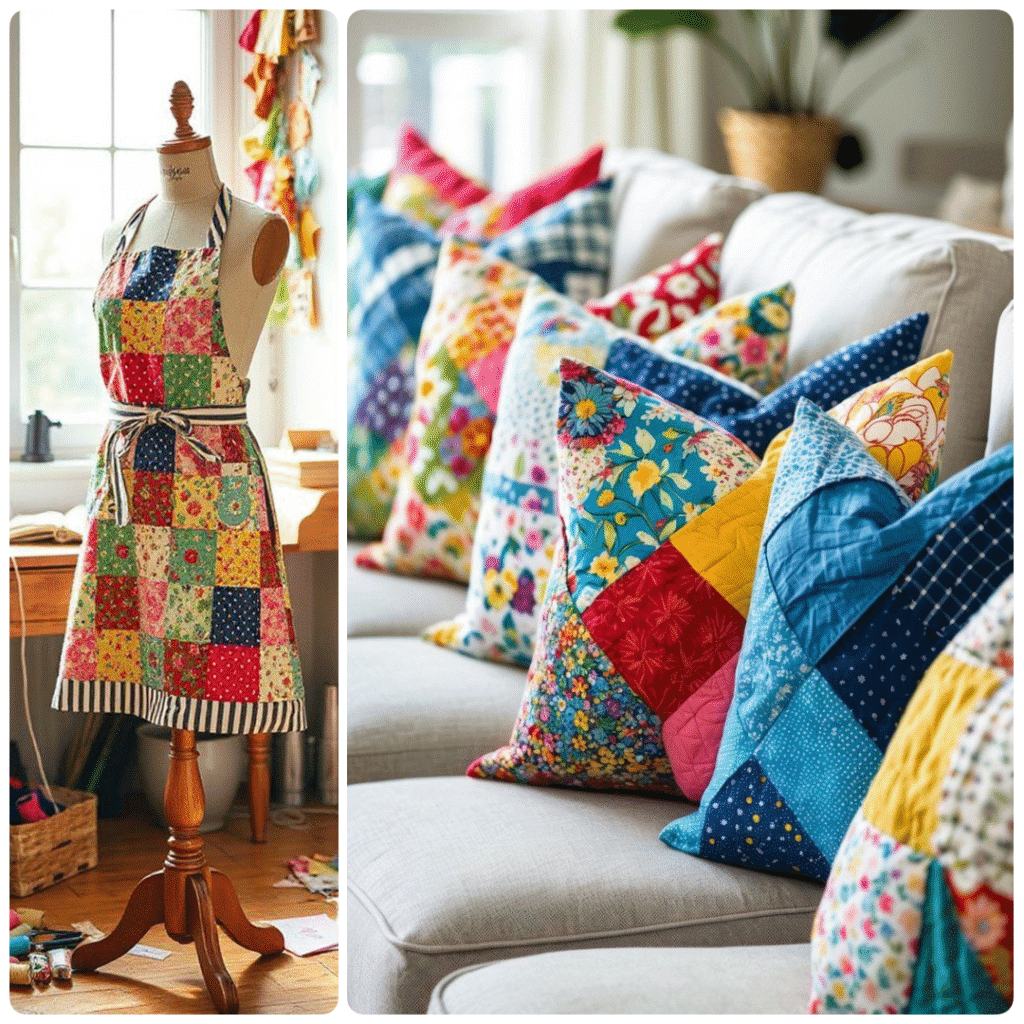
Patchwork pillows are one of the easiest and most rewarding fabric scrap projects for home décor. You can sew small squares, rectangles, or even irregular shapes into a patchwork panel that becomes the front of a cushion cover. For beginners, a simple envelope closure at the back avoids zippers and still looks tidy. Based on real-world testing with clients, 2 to 3 contrasting fabrics often look more refined than using every color in your stash.
Quilted throws made from fabric scraps bring both warmth and visual interest to sofas and beds. Even a small lap quilt draped over a chair can transform a corner into a reading nook. You do not need complex quilting patterns to get started. Straight-line quilting through simple strips or blocks creates a modern look and is easier to stitch on a basic sewing machine. To ensure comfort and durability, use a lightweight batting layer and a smooth backing fabric such as cotton or cotton blend, which is breathable and easy to wash.
Beyond pillows and blankets, tiny scraps can be stitched into cozy details like mug rugs, coasters, and mini hot pads. When working with heat-related items, such as trivets or pot holders, it is important to use heat resistant batting or multiple layers of cotton and avoid synthetic fabrics that may melt near high temperatures. From hands-on work with scrap quilting groups, I have learned that labeling projects as “decorative only” or “heat safe” helps prevent misuse over time.
- Project ideas for cozy textiles:
- Patchwork pillow covers with envelope backs
- Lap quilts for sofas, reading chairs, or kids’ rooms
- Fabric scrap coasters and mug rugs
- Long, narrow runners for coffee tables or dressers
- Use all-cotton layers for any piece that might contact warm dishes or mugs.
- Recommended pillow sizes:
- 16 x 16 inches for accent cushions
- 18 x 18 inches for sofas
- 20 x 20 inches for large, lounge-style cushions
Textile Wall Art, Banners, and Gallery Displays
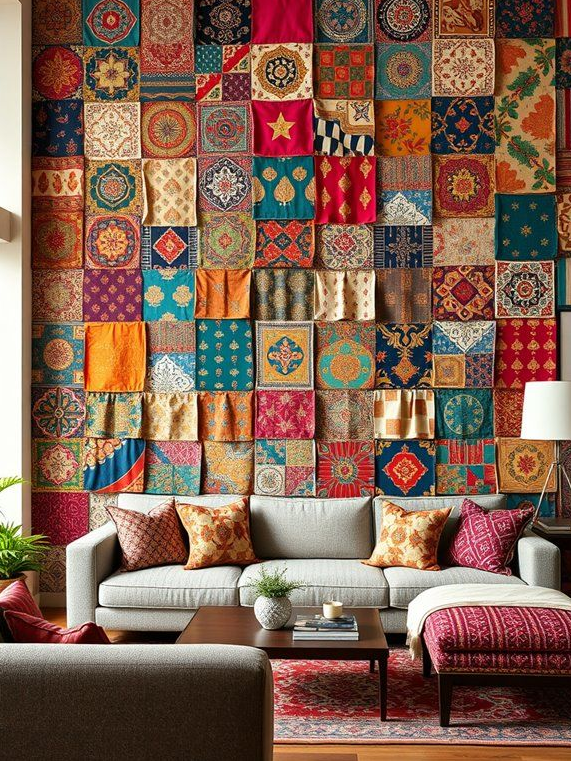
Fabric scrap wall art is a powerful way to add texture and softness to a room without repainting or buying large artwork. You can stretch a patchwork panel or a single striking print over a canvas frame or embroidery hoop to create textile art that is light, safe, and easy to hang. In my experience working on interior refresh projects, fabric wall art is especially helpful in rentals where you cannot paint walls but want a personalized look.
Banners and garlands made from triangles, flags, or frayed strips of fabric scraps can instantly change the mood of a space. A soft pastel garland can make a nursery feel calm and whimsical, while a bold, colorful banner adds festivity to dining or party areas. For safety, especially in kids’ rooms, ensure that banners are hung out of reach of small children and away from light fixtures or candles. Use cotton or linen where possible since they tend to hang better and look more refined than very stiff synthetics.
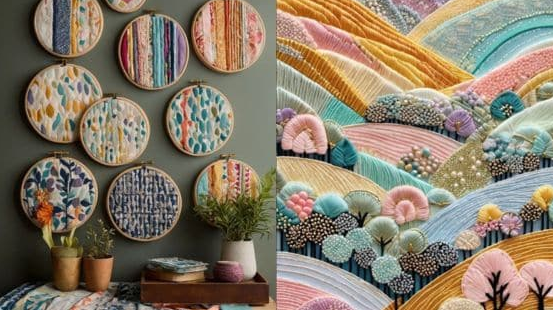
Creating a fabric-focused gallery wall is another way to showcase scrap pieces with sentimental value. You can frame fabric that carries memories, such as a portion of a wedding dress, a vintage tablecloth, or a beloved shirt pattern, and mix these frames with photos or prints. From hands-on projects, I have found that keeping frame sizes consistent or repeating a few formats gives the wall a cohesive, curated appearance. Avoid direct sunlight on precious textiles to reduce fading over time.
- Wall art ideas:
- Fabric stretched over wooden frames or canvases
- Embroidery hoops filled with pretty prints or patchwork
- Vertical banners with inspirational words appliquéd from scraps
- Scrap-based collage inside photo frames
- Practical tips:
- Use removable hooks for renters.
- Keep textiles away from open flames and high heat sources.
- Choose UV-filtering glass or hang valuable pieces on shaded walls.
Upcycled Table Linens, Runners, and Entertaining Accents
Fabric scraps are perfect for creating custom table linens that turn everyday meals into something special. Patchwork table runners can be as narrow or wide as your table allows, and they provide a colorful base for centerpieces, candles, and serving dishes. In my experience styling dining spaces, a long runner that hangs 6 to 10 inches over each edge feels finished but not overdone. Use medium-weight cotton that can withstand regular washing, especially where food and drink spills are likely.
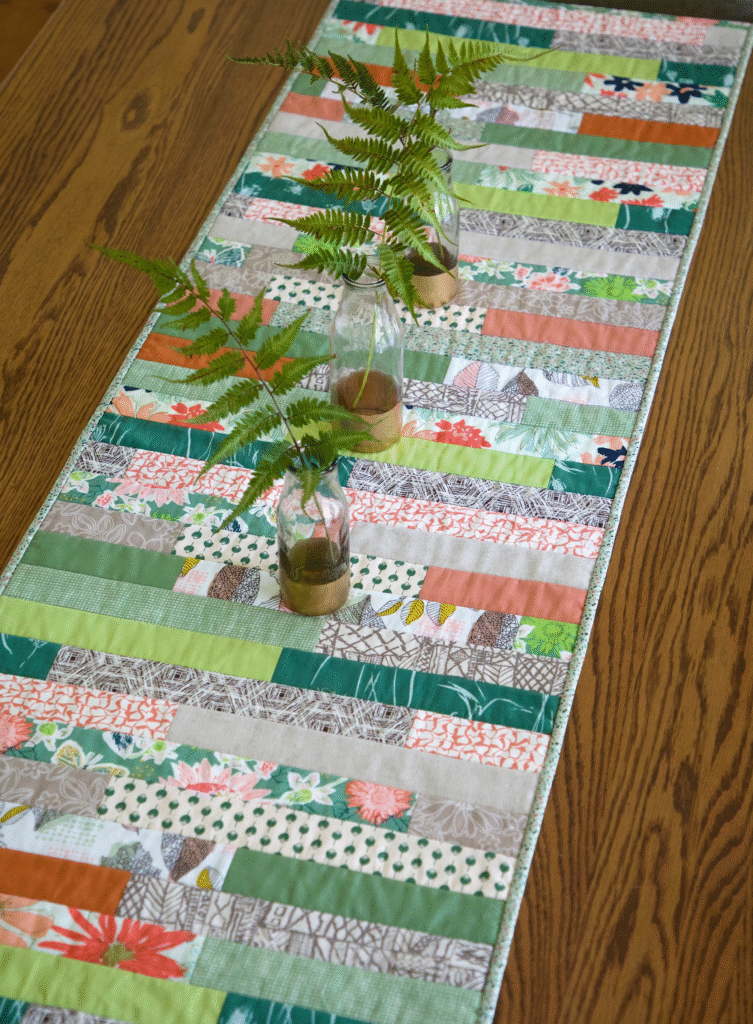
Fabric scrap placemats and napkins are excellent projects for using mid-sized pieces. You can back patchwork tops with a single solid fabric to hide seams and add stability. For napkins, it is often more practical to use larger, single-fabric pieces and reserve your smallest scraps for decorative corners, trims, or appliqués. Always prewash fabrics used for table linens since they will see repeated laundering. Cotton and linen are highly recommended because they are absorbent, can handle higher washing temperatures, and become softer with use.
For entertaining accents, consider fabric-wrapped glass jars as vases, cutlery pockets created from denim scraps, or simple bottle wraps tied with ribbon. Based on real-world testing at home gatherings, guests tend to notice these handcrafted details and often ask about the story behind them. Just avoid covering areas where you need to see liquid levels, such as on wine bottles, and keep fabric away from direct flame around candles.
- Table linen projects:
- Patchwork table runners and matching placemats
- Cloth napkins with scrap borders or corner patches
- Fabric coasters or small “crumb catchers” for dessert plates
- Entertaining accents:
- Scrap-wrapped vases and jars
- Denim cutlery pockets for casual dinners
- Fabric ties for napkins, menus, or favor bags
- Care tips:
- Wash in cool or warm water, avoiding very high heat for delicate prints.
- Press linens with an iron set to the correct fabric temperature.
Functional Fabric Scrap Hacks for Every Room
Fabric scrap upcycling is not only about décor, it can also solve everyday storage and organization challenges. In every room, there are opportunities to add soft containers, covers, and organizers that feel tailored to your space. From hands-on work with clients, I have found that small fabric baskets and trays made from sturdy cotton or interfaced scraps work especially well for entryways, bathrooms, and craft corners. They keep surfaces tidy but are light and safe if they fall.
In the entryway, use scraps to sew key fobs, mail sorters, and catch-all bowls. In living rooms and bedrooms, fabric cord wraps and remote control caddies reduce visual clutter and make it easier to find what you need. For kitchens, simple hanging pockets added to the side of a cabinet or inside a pantry door can hold shopping lists, pens, or light utensils. When creating anything that will hold weight, reinforce seams with double stitching and consider using interfacing or a second layer of heavier fabric like denim.
Throughout your home, you can also use fabric scraps to soften noise and protect surfaces. Small felt or cotton pads under furniture legs prevent scratches on hardwood floors, and fabric-lined trays keep jewelry or accessories from clattering and tangling. Based on real-world testing, thicker fabrics or layered cotton are better for protective pads, while lighter fabrics shine as liners and wraps. Always check that fabrics used in potentially damp areas, like bathrooms, are allowed to dry fully between uses to prevent mildew.
- Functional fabric scrap ideas:
- Mini baskets and trays for keys, coins, or jewelry
- Wall or door pocket organizers for mail and notes
- Cord wraps and cable ties with snaps or Velcro
- Remote control caddies that drape over armrests
- Material tips:
- Use heavier fabrics or interfacing for structure.
- Opt for washable fabrics in high-use areas.
- Avoid storing wet items directly in fabric pockets.
Kitchen and Dining: Reusable Essentials from Scraps
The kitchen is a prime place to introduce sustainable, reusable fabric items that replace disposables. Fabric scrap dishcloths, unpaper towels, and reusable snack bags can significantly reduce paper waste over time. In my experience testing sustainable kitchen swaps, cotton terry combined with woven cotton scraps makes highly absorbent, durable cloths that hold up to frequent washing. Always avoid using fabric kitchen items near open flames or very hot burners and never place them in contact with hot oven elements.
Reusable snack bags made from fabric scraps are ideal for dry snacks such as crackers, nuts, or sandwiches that are eaten relatively quickly. For food safety and hygiene, it is best to use a food-safe, washable lining for the inside or keep these bags for dry, non-greasy foods only. They should not replace airtight containers for long-term storage or perishable foods. Clear labeling for each family member using different fabrics can make school lunches and snacks easy to organize and identify.
You can also sew handle covers for pots and pans, bowl cozies for reheating food in the microwave, and trivets for the table. When creating anything that will be used near heat, use all-cotton materials, avoid metallic threads, and follow manufacturer guidelines for microwave safety. Based on client feedback, bowl cozies are especially popular, but they must be used with care, never left unattended in the microwave, and checked regularly for wear.
- Kitchen fabric scrap projects:
- Reusable cleaning cloths and unpaper towels
- Snack or sandwich bags for dry foods
- Bowl cozies for warm dishes
- Pot handle covers and trivets
- Safety clarifications:
- Use 100 percent cotton for any microwave-related projects.
- Do not use these items under a grill or broiler.
- Clean kitchen textiles regularly to prevent odor and bacteria buildup.
Bedroom Comfort: Headboards, Storage, and Soft Details
In the bedroom, fabric scraps can provide both comfort and subtle luxury. A padded headboard cover pieced from coordinated scraps can protect the wall, add softness behind pillows, and give a custom designer look. This cover can be created as a removable slipcover that fits over an existing headboard, which is especially helpful in rentals. In my experience designing bedroom refreshes, using 2 to 3 main colors from your existing bedding ensures a cohesive result, even if the individual scraps are mismatched.
Fabric scrap baskets, under-bed bins with soft lids, and hanging pockets for wardrobe doors create gentle storage solutions that do not clang or damage surfaces. These work well for storing scarves, belts, socks, toys, or extra bedding. When sewing storage pieces meant for frequent handling, opt for strong stitching and consider reinforcing handles with extra layers. Safety-wise, keep large soft storage away from cribs where they could be climbed on or pulled down by small children.
Smaller bedroom details can be just as impactful. Eyeglass cases, charging station mats, and fabric catch-alls for nightstands help create calm, organized surfaces. From hands-on projects, I have found that a fabric mat large enough to hold a lamp, book, and phone both protects the furniture and anchors the nightstand visually. Choose darker or patterned fabrics for areas that may see makeup, lotion, or drink spills since these show stains less visibly and are easier to maintain.
- Bedroom scrap ideas:
- Patchwork headboard slipcovers
- Fabric bins for shelves or under-bed storage
- Hanging organizers inside closet doors
- Nightstand mats, eyeglass cases, and charging pads
- Practical tips:
- Coordinate colors with existing bedding and curtains.
- Use washable fabrics for frequently touched surfaces.
- Avoid placing soft storage where it can become a tripping hazard.
Bathroom and Laundry: Soft Organizers and Eco Swaps
Bathrooms and laundry rooms benefit from soft, washable organizers that keep products in check without scratching surfaces. Fabric baskets and hanging pockets made from scraps can hold toiletries, hair accessories, or cleaning supplies. For bathroom use, prioritize fabrics that dry quickly, such as cotton or cotton blends, and avoid leaving them in constant contact with wet surfaces. In my experience, adding a lining from an old towel or lightweight canvas improves structure and absorbency.
Eco friendly swaps like makeup remover pads, washable facial rounds, and small cloths for skincare routines are excellent ways to use even tiny scraps. Old soft T-shirts, flannel, or cotton jersey are especially comfortable on the skin. It is important to note that while these reusable items reduce waste, they still need to be washed thoroughly after use to maintain hygiene. A small mesh laundry bag hanging near the vanity makes collecting used pads simple and keeps them from disappearing in the wash.
In the laundry room, fabric scrap peg bags, labeled baskets for sorting, and small zipper pouches for delicate items bring order to a typically utilitarian space. From real-world testing, I have found that color-coded fabric labels on baskets, such as “whites,” “darks,” and “delicates,” make it easier for every family member to sort laundry correctly. Ensure that anything hanging near appliances is securely attached and kept away from vents or moving parts.
- Bathroom and laundry projects:
- Hanging toiletry organizers and soft baskets
- Reusable makeup remover pads and facial cloths
- Laundry sorting baskets with fabric labels
- Peg bags or clothespin holders
- Care and safety:
- Wash reusable pads and cloths in hot water if possible.
- Allow fabric organizers to dry fully between uses to prevent mildew.
- Keep fabric away from dryer vents and heat exhaust points.
Kids’ Spaces and Creative Corners with Fabric Scraps
Children’s rooms and creative corners are perfect places to experiment with playful fabric scrap projects. You can stitch simple floor cushions, reading pillows, and soft play mats from sturdier fabrics that can tolerate frequent washing. In my experience working on family spaces, kids respond especially well to bright colors and recognizable shapes, such as stars, animals, or letters appliquéd from scraps onto cushions or banners. Always secure any small decorative pieces firmly to avoid choking hazards.
Fabric scraps can also be used to create interactive items that spark imagination, like felt storyboards, dress-up accessories, and playroom wall pockets for toys and books. Felt or thicker cotton is ideal for items that children will handle often since they resist fraying and are relatively easy to cut and sew. Make sure that any straps, cords, or ties are short enough to avoid entanglement risks, and periodically check for loose threads or worn seams.
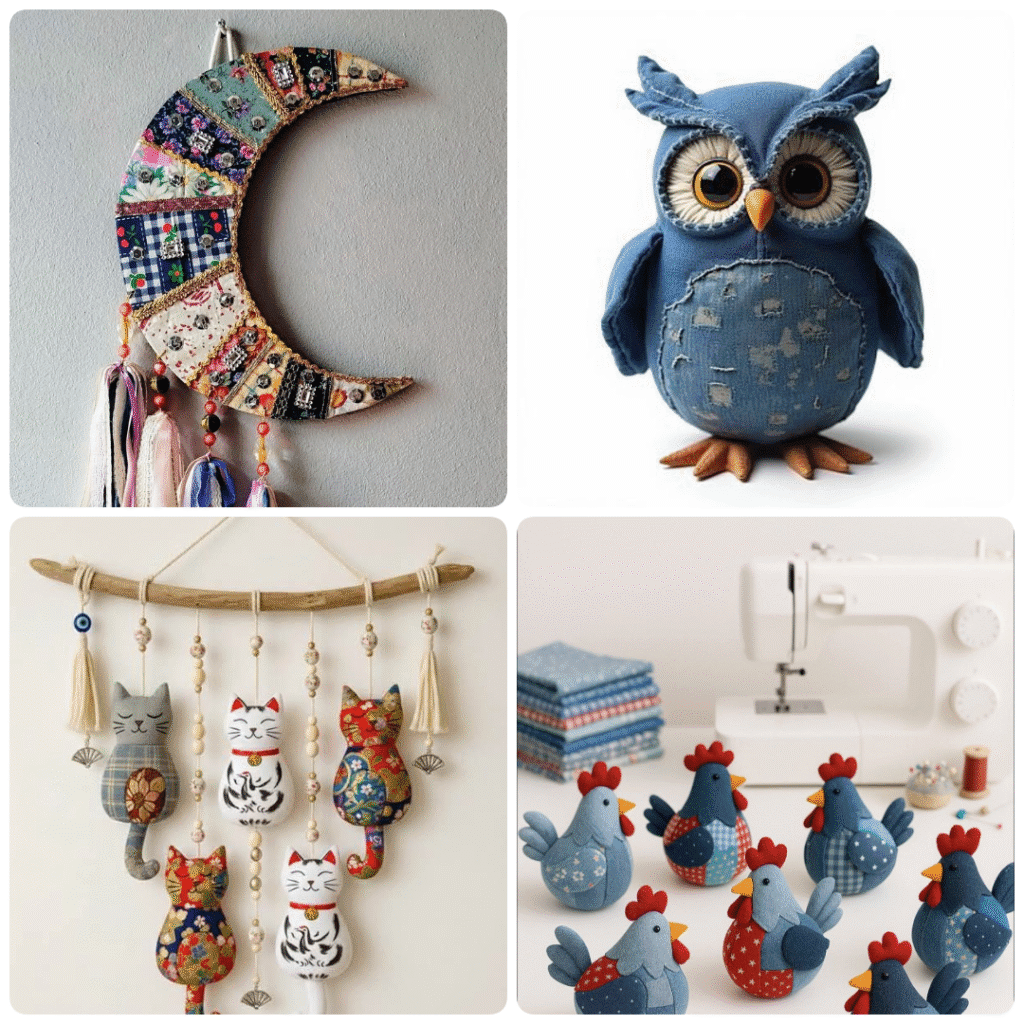
In creative corners or homework areas, fabric-covered notice boards, pencil rolls, and desk organizers provide both color and function. From hands-on work with parents, I have found that giving children a say in fabric choices increases their interest in using and caring for the items. Encourage them to help sort colors or arrange pieces before sewing, which turns upcycling into a learning opportunity about sustainability and creativity.
- Kid-focused fabric scrap ideas:
- Floor cushions, reading pillows, and play mats
- Bunting and personalized name banners
- Felt storyboards and dress-up props
- Desk organizers, pencil rolls, and fabric-covered bulletin boards
- Safety guidelines:
- Avoid beads or very small attachments for younger children.
- Keep cords and ties short and securely fastened.
- Use washable, colorfast fabrics that can handle frequent cleaning.
Conclusion: Building a Thoughtful, Sustainable Fabric Scrap Home
Upcycling fabric scraps into home décor and functional organizers turns leftover materials into daily sources of comfort and creativity. With a bit of planning, simple sewing skills, and an eye for color, you can create a home that is both beautiful and kinder to the planet.
From cozy patchwork pillows and quilted throws to practical organizers in every room, fabric scrap projects offer endless ways to personalize your space on a budget. In my experience working with DIY home makers, the most beloved projects are often the simplest ones that use meaningful fabrics with personal stories. Starting small, learning as you go, and letting your aesthetic evolve will naturally lead to a more cohesive and stylish home.
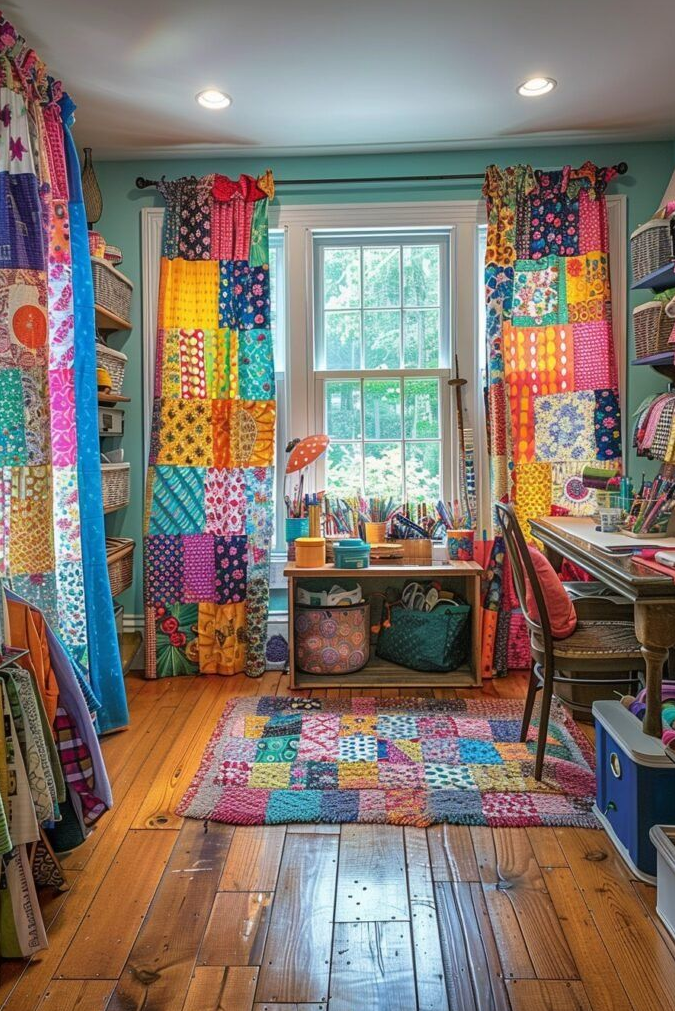
As you grow more confident, you can experiment with larger projects like headboard covers, wall galleries, and room-specific storage systems built from upcycled textiles. Always keep safety and care in mind, particularly around heat sources, moisture, and children’s spaces, and choose washable, durable fabrics for high-use items. With each finished project, you not only reduce textile waste but also build a home that reflects your values, your history, and your creativity.
Excerpt:
Upcycle fabric scraps into stylish home décor and smart storage with creative DIY projects that bring color, comfort, and sustainability to every room. From patchwork pillows and table runners to reusable kitchen cloths and soft organizers, these ideas turn leftover textiles into thoughtful, functional pieces you will actually use.

Maira Lindey is a home decor enthusiast who loves transforming ordinary spaces into warm, stylish havens. Through her writing, she shares simple, creative ideas that help people make their homes both beautiful and comfortable. Her approach combines aesthetic charm with practical solutions for everyday living.
With years of experience experimenting with colors, textures, and layouts, Maira enjoys guiding readers to express their personality through home design. She believes that even small changes can have a big impact, and she focuses on tips that are easy to implement without overwhelming the space or the budget.
Beyond decorating, Maira finds inspiration in nature, art, and everyday life. She encourages her readers to embrace creativity and make spaces that feel uniquely theirs, blending functionality with style in ways that are both inviting and livable.