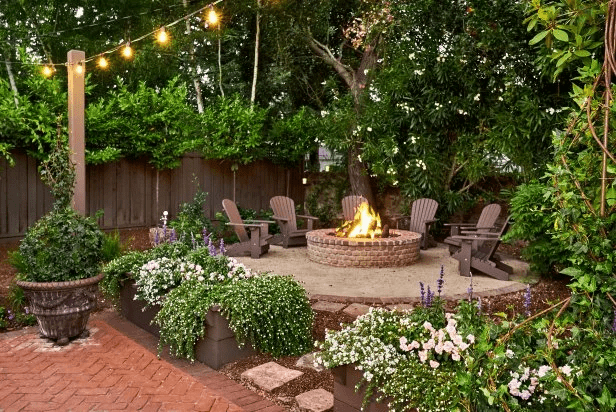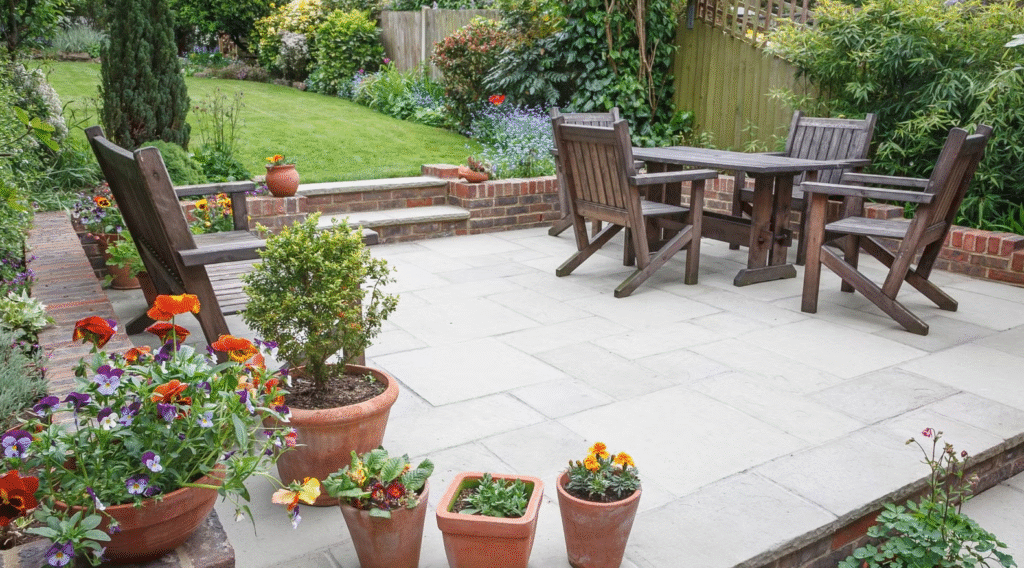
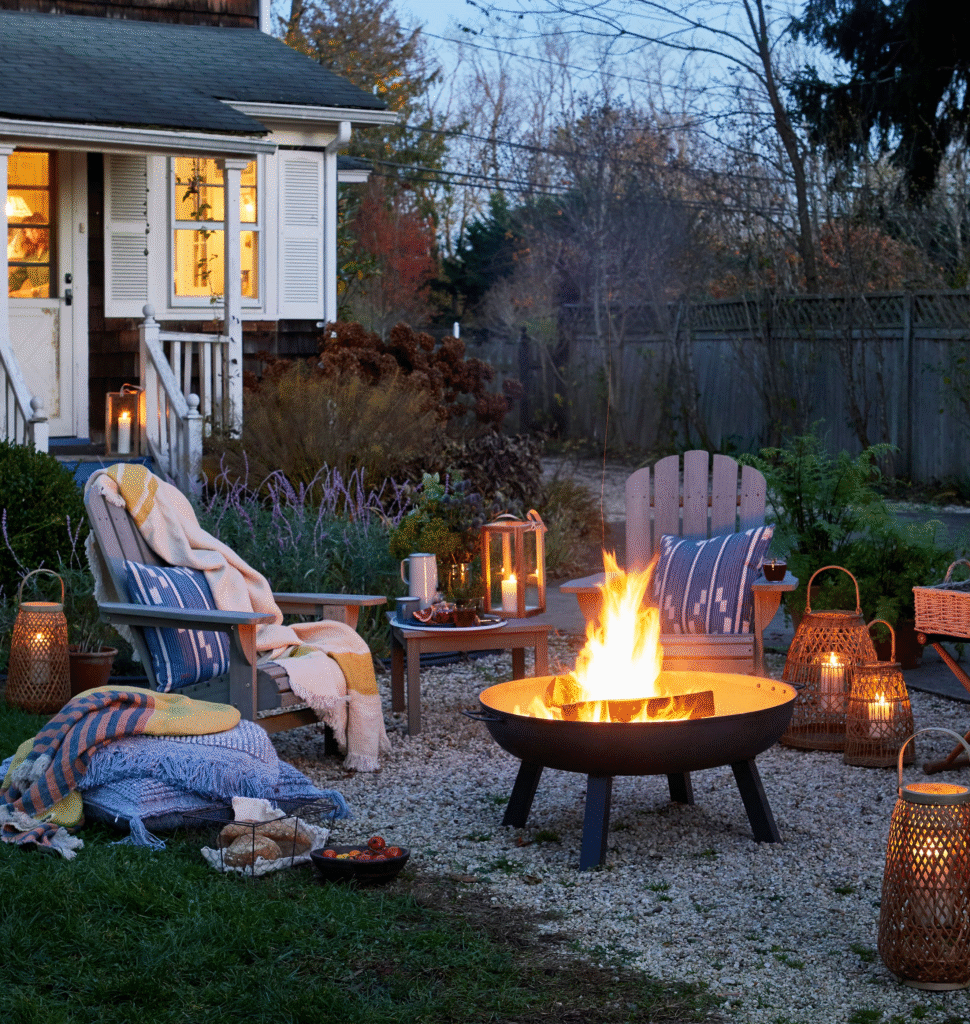
Summer camp magic never really leaves us. In 2025, garden design is embracing that nostalgia with cozy, rustic, camp-themed outdoor decor that turns backyards into memory-filled retreats perfect for fireside chats, stargazing, and barefoot evenings on the grass.
Whether you have a small city patio or a large suburban yard, you can layer in campfire corners, lantern paths, bunkhouse signs, and playful accents that echo those carefree camp days while still feeling fresh, modern, and practical for everyday living.
Campfire Circle Corners: Rustic Seating & Decor
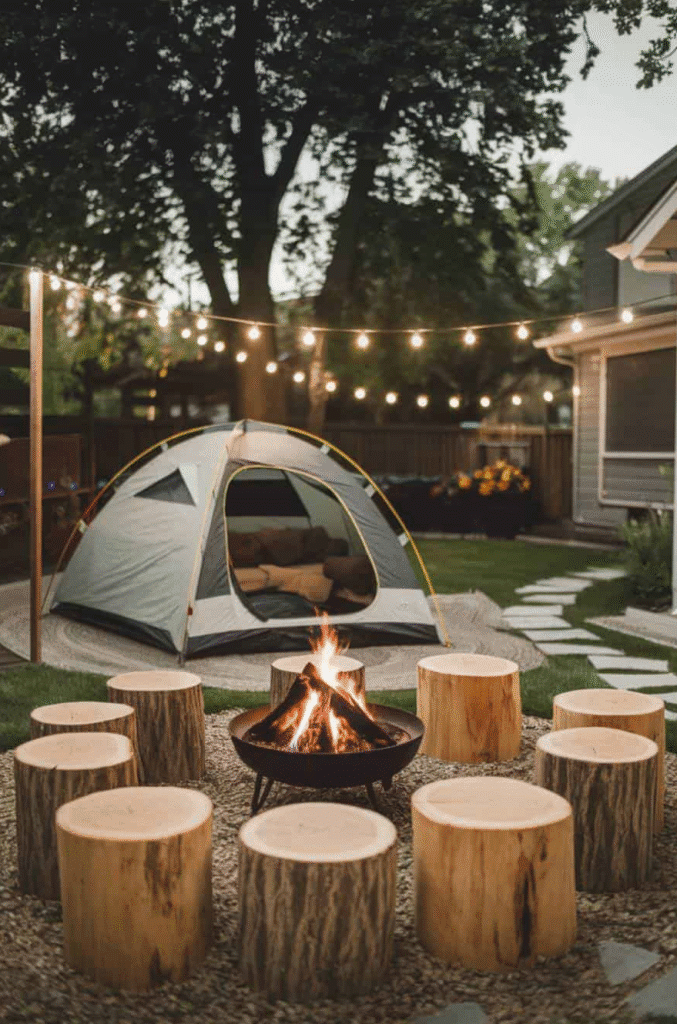
Nothing says summer camp charm like a campfire circle, and 2025 garden trends are all about recreating that feeling with a blend of rustic style and safe, low-maintenance design. The goal is to carve out a defined zone where people naturally gather, tell stories, and slow down. You can achieve this with a simple portable fire pit or a built-in stone ring, as long as it is placed on a nonflammable surface such as gravel, pavers, or leveled stone. Always check local regulations for fire pit use and maintain a safe distance of at least 10 feet from structures, plants, and overhead branches.
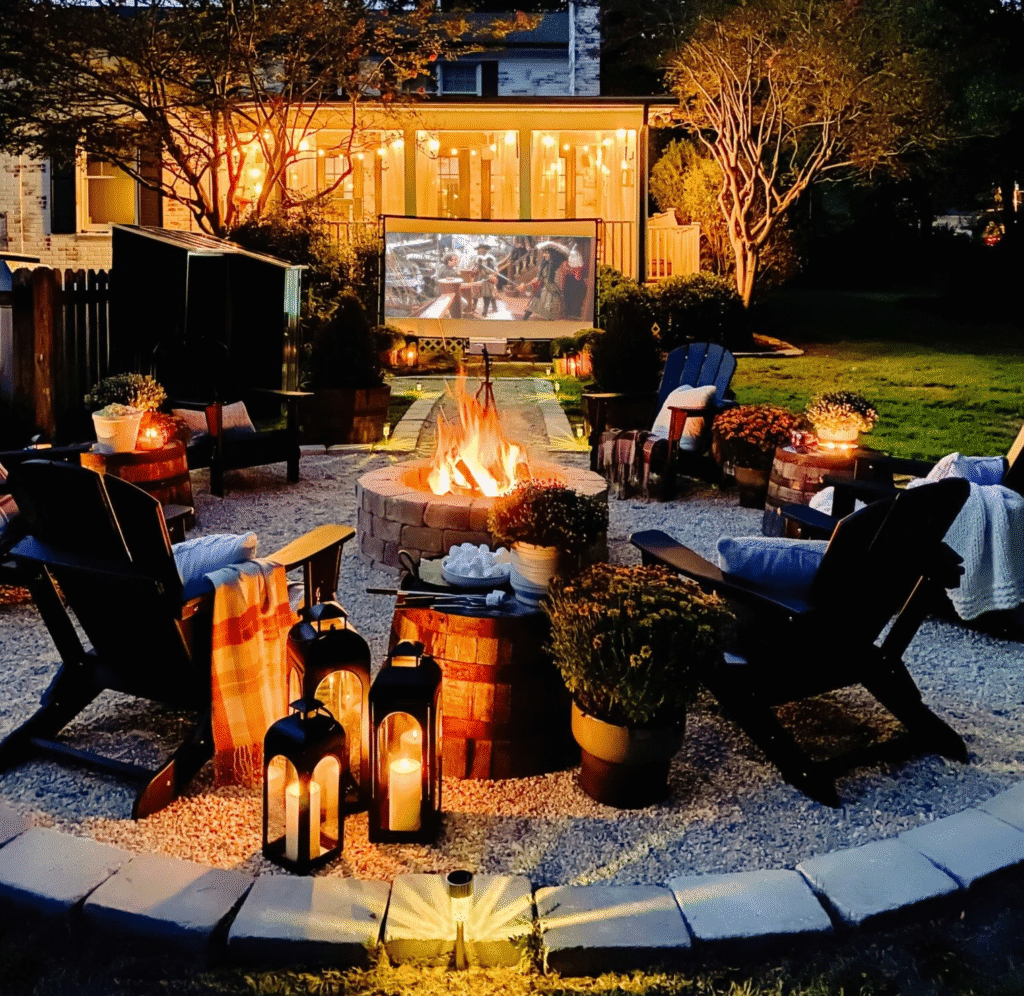
From hands-on projects, I have found that the layout matters almost more than the fire element itself. Arrange seating in a semi-circle or full circle and keep chairs 18 to 24 inches apart to encourage conversation while maintaining personal space. Use a mix of log stools, low wooden benches, and a couple of sturdy Adirondack chairs for longer lounging sessions. For added comfort, layer in outdoor cushions made from UV-resistant and water-resistant fabrics, but remember to bring soft textiles inside or store them in weatherproof boxes when not in use to prevent mildew and fading.
To complete the campfire circle vibe, add a simple “firewood station” with a stacked wood rack, metal bucket for kindling, and storage for roasting sticks. Keep safety at the forefront by including a metal lid or spark screen, a bucket of sand or water nearby, and always supervise any open flame, especially around children and pets. If local rules restrict open fires, consider a propane fire table or an electric fire feature that uses LED flame effects; they lack the authentic wood smoke smell, but they are safer and easier to manage, especially in dense neighborhoods.
- Position fire pits on nonflammable surfaces such as gravel or stone
- Space chairs 18 to 24 inches apart for comfortable conversation
- Mix seating styles: log rounds, benches, and Adirondack chairs
- Use UV-resistant and water-resistant cushions; store them when not in use
- Keep safety gear handy: spark screen, sand or water, and fire extinguisher
- Check local fire regulations and wind conditions before lighting any fire
In my experience working on small urban gardens, a compact fire bowl combined with folding camp chairs can deliver the same emotional impact as a large, permanent stone ring, as long as the space feels intentionally arranged and cozy.
Lantern Paths, Bunkhouse Signs & Playful Accents
Lantern-lit paths are one of the quickest ways to bring a camp atmosphere into a garden. In 2025, homeowners are increasingly choosing low-voltage or solar-powered lanterns along pathways to create gentle pools of light that guide guests while protecting night vision. Opt for warm white bulbs in the 2200K to 2700K range to mimic firelight rather than harsh blue-tinted tones. Place lanterns 6 to 10 feet apart along key routes, such as from the back door to the fire pit or from the patio to a shed or play area.
Based on my past work with clients, custom bunkhouse signs and playful markers are what really make a summer camp inspired garden feel personal. Hand-painted wooden signs that read “Trailhead,” “Canoe Dock,” “Mess Hall,” or “Bunkhouse” add storytelling power to the space. Use outdoor-rated paint or seal signs with a clear exterior-grade sealant so they can withstand rain and sun. Mount them on posts set at different heights or attach them to fences and tree trunks, always using tree-safe straps or hardware that do not strangle the bark.
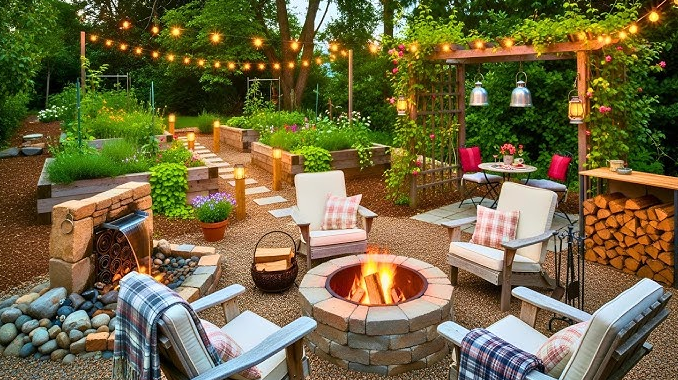
Playful accents are where you can lean into the nostalgia without turning your yard into a theme park. Think vintage metal coolers repurposed as planters, a classic camp flag or pennant on a small pole, a weathered oar mounted on a shed, or a bell guests can ring when it is time to eat. Be mindful not to clutter walkways or create tripping hazards by placing decor too close to paths. When choosing materials, prefer galvanized steel, powder-coated metals, and pressure-treated or rot-resistant woods like cedar or redwood for longevity.
- Use solar or low-voltage lanterns spaced 6 to 10 feet apart along paths
- Choose warm white lighting at 2200K to 2700K for a campfire glow
- Create personalized bunkhouse-style signs with outdoor-rated paint
- Repurpose vintage camp items as planters or wall accents
- Attach signs and decor with tree-friendly straps or non-invasive hardware
- Avoid placing decor where it may become a trip hazard or obstruct paths
From hands-on projects, I have found that two or three well-chosen playful accents have far more impact than a lot of small trinkets, especially if they connect to real memories such as a childhood camp name or a favorite trail.
Tents, Teepees & Backyard Camp Nooks
Tents and teepees bring instant summer camp charm and are especially popular in 2025 as flexible garden “rooms” that can act as reading nooks, kids’ play spaces, or evening lounges. portable canvas tents or cotton teepees create a cozy retreat without requiring permanent construction. When placing any tent structure outside, ensure it is on well-drained ground or a deck, away from low spots where water can pool after rain. Use breathable fabrics to reduce condensation and mold risk, and avoid leaving fabric tents up permanently in very wet or windy climates.
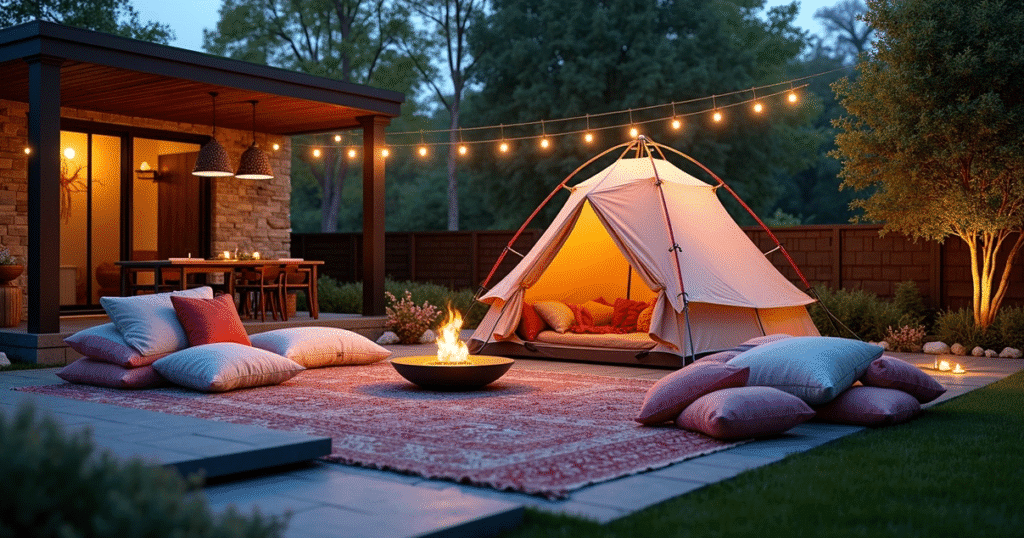
In my experience designing family gardens, a simple A-frame or tripod teepee made from untreated bamboo poles or smooth wooden dowels can be both beautiful and budget friendly. Wrap the frame with natural cotton drop cloths, outdoor fabric, or even climbing plants like beans or sweet peas if you want a living play tent. When incorporating living plants into structures, remember that they need sufficient sun, water, and airflow; choose varieties that suit your climate zone and consult local garden centers if you are unsure which species will thrive.
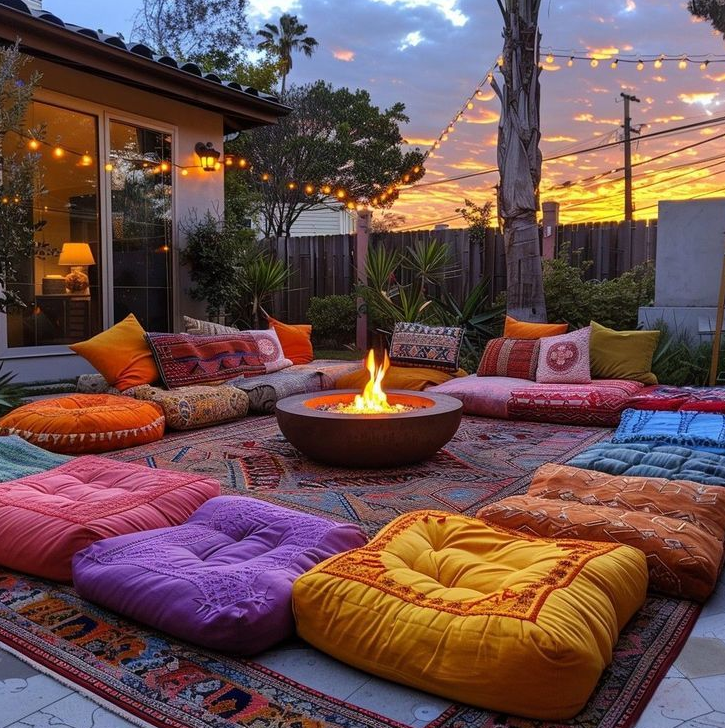
Backyard camp nooks work best when they are layered with comfort and small details. Add outdoor rugs, floor cushions, or thick picnic blankets, and store them indoors after use to extend their life. Hang a single battery-operated lantern or a string of solar fairy lights inside for gentle illumination, and include a small crate or low table for snacks and books. For safety, never use open flames such as candles inside fabric tents, and avoid placing tents too close to fire pits or grills. If you are creating a kid-focused nook, ensure all stakes, ropes, and frames are sturdy and checked regularly for wear.
- Choose breathable tent fabrics and avoid leaving them up during heavy storms
- Place tents or teepees on well-drained ground or decking
- Use bamboo or wooden poles for attractive, natural-looking frames
- Consider living plant teepees with beans or sweet peas in sunny spots
- Add washable outdoor rugs, cushions, and battery-powered lanterns
- Keep open flames away from any fabric structures for safety
Based on real-world testing with families, movable tents and nooks that can be reconfigured or stored seasonally tend to be used more often and stay in better condition than permanently installed play houses.
Nature-Inspired Textures: Wood, Stone & Canvas
Summer camp inspired gardens depend heavily on texture to evoke that rustic, back-to-nature feeling. In 2025, the design focus is on honest materials that age gracefully: weathered wood, river stone, gravel, rope, and canvas. Blend these with your existing landscape instead of replacing everything. For example, you might edge a modern concrete patio with a band of pea gravel, add a split-log bench along a fence, or introduce chunky wooden steps down a small slope. When working with wood outdoors, select species suited to exterior use, such as cedar, redwood, or pressure-treated pine, and seal or stain them as recommended by the manufacturer to resist rot.
From hands-on work with clients, I have found that mixing at least three different textures in close proximity instantly draws the eye and makes a garden feel more layered and intentional. Pair rough stone with smooth wooden surfaces and soft textiles, or combine gravel paths with canvas shade sails and potted plants. For safety and comfort, use rounded gravel or decomposed granite on frequently used walkways instead of sharp crushed rock, and ensure that any stepping stones are set level and securely to reduce the risk of slips.
Canvas is a powerful camp-inspired material when used thoughtfully. Canvas director chairs, hammock swings, or shade sails can soften a yard full of hard materials. However, natural cotton canvas is prone to mildew if left damp, so position it where it can dry quickly and store it indoors during long periods of rain. Synthetic outdoor fabrics that mimic canvas are often more practical in humid climates. Maintain a neutral, earthy palette of khaki, olive, rust, and soft navy blues to keep the mood grounded and avoid a cartoonish campsite appearance.
- Combine at least three textures such as wood, stone, and canvas in each zone
- Select rot-resistant woods like cedar or redwood for outdoor seating and accents
- Use rounded gravel or decomposed granite on main paths for comfort
- Install stepping stones level and stable to minimize tripping hazards
- Choose outdoor-rated “canvas look” fabrics in damp climates
- Keep the color palette earthy and restrained to support a rustic camp style
In my experience working on small patios, simply switching metal or plastic chairs for wooden and canvas pieces completely changes the energy of the space and instantly feels more like a lodge or camp retreat.
Camp Cabin Planting Styles & Rustic Containers
Planting design plays a huge role in achieving a summer camp garden vibe. Think less formal hedging and more relaxed, woodland edges with ferns, native grasses, wildflowers, and loose shrubs. When choosing plants, always consider your USDA or regional plant hardiness zone and the specific sun and water conditions in your yard; plants that worked at your childhood camp in another state may not thrive where you live now. Mix low-maintenance perennials with a few annuals for seasonal color, and use native plants whenever possible to support local pollinators and reduce water usage.
Based on my past work with woodland-inspired gardens, layered planting is key. Arrange taller shrubs and small trees at the back, medium perennials in the middle, and low groundcovers or mossy patches at the front. This mimics natural forest edges and feels instantly camp-like. Integrate edible plants such as blueberries, herbs, or rhubarb if they suit your climate, but always verify plant toxicity before adding species to gardens used by children or pets. For example, some ornamental plants are beautiful but not safe for curious nibblers.
Rustic containers help carry the camp aesthetic across decks and patios. Use galvanized tubs, old enamelware, wooden crates, or half-barrels as planters, but drill adequate drainage holes in the base to prevent waterlogged soil. Line wooden containers with landscape fabric to slow rot while still allowing drainage. For a nostalgic touch, plant “campfire colors” such as marigolds, red salvia, black-eyed Susans, and rudbeckia near seating areas. In smaller spaces, a cluster of three containers with different heights and textures can evoke a little camp cabin porch feeling without major landscaping.
- Select plants based on climate zone, sun exposure, and water availability
- Aim for a layered planting structure that mimics forest edges
- Incorporate native plants to support pollinators and lower maintenance
- Confirm plant safety if kids or pets will be in the garden
- Use galvanized tubs, barrels, and crates as rustic containers with drainage holes
- Group containers in threes for visual balance and a camp cabin porch effect
From hands-on projects, I have found that even a modern balcony can feel like a cabin deck when you combine a half-barrel planter, a small conifer or dwarf evergreen, and a few wildflower-style blooms.
Lakeside Vibes: Water Buckets, Troughs & Simple Features
Not every home has a lake or creek nearby, but you can still evoke that lakeside camp feeling with simple water features. In 2025, many homeowners are opting for container water gardens, metal troughs, or barrel fountains that recirculate water using a small, low-voltage pump. These features are generally safer and easier to install than large ponds, and they work well in small yards. When using electrical components outdoors, always follow manufacturer instructions, use outdoor-rated cords and equipment, and connect through a GFCI-protected outlet.
In my experience, even a modest water feature, such as a galvanized bucket with a bubbling spout, can provide the sound and shimmer that transports people back to camp docks and canoe landings. To keep water clean and reduce mosquito breeding, use a pump that keeps water in motion and refresh or top up the water every few days, especially in hot weather. You can also add mosquito control products labeled as safe for aquatic life if your feature does not contain fish. Note that while citronella and certain plants may help reduce mosquitoes in a small radius, they do not completely eliminate them.
Rustic touches amplify the lakeside theme. Place a wooden bench or Adirondack chair near the water feature, add a coil of rope or a decorative life ring on a fence, or lean an old paddle or oar against a nearby wall. As always, ensure decor does not interfere with safe movement around the space. If children will be present, favor shallow water features and supervise them at all times, since even small amounts of standing water can be hazardous.
- Use compact troughs, barrels, or buckets with small recirculating pumps
- Plug pumps into GFCI outlets and follow all safety instructions
- Keep water moving and refresh regularly to reduce mosquito risk
- Add rustic accents like paddles, rope, or life rings for lakeside flair
- Place comfortable seating near the water feature for listening and relaxation
- Use shallow designs and close supervision where children are involved
From client gardens, I have found that people use their outdoor spaces more often when there is a soft water sound nearby, even if it comes from the smallest of fountains.
Bug-Safe Glow: String Lights, Citronella & Night Comfort
One of the strongest memories of camp nights is the combination of darkness, stars, and little pools of light around cabins and fire circles. In 2025, outdoor lighting design is leaning toward subtle string lights, lanterns, and stake lights that create ambiance without washing out the sky. Run weatherproof string lights along pergolas, between sturdy posts, or across small courtyards, taking care not to overload electrical circuits and always using outdoor-rated cords and fixtures. Aim for warm white bulbs at 2200K to 2700K for a soft, fire-like glow rather than strong daylight tones.
From hands-on work with evening gardens, I have learned that layered lighting is more comfortable and functional than one bright source. Combine string lights above with low path lights and a few table lanterns that run on rechargeable batteries or solar panels. Place switches or controls in accessible spots so you can quickly dim or turn off zones when not needed to save energy. Smart plugs or timers are helpful but optional; always follow product guidelines and consider hiring a licensed electrician for any hardwired installations.
For bug comfort, citronella candles and torches are a classic camp staple, though it is important to clarify what they can and cannot do. Citronella and other scented products can help reduce mosquitoes in a limited, downwind zone but do not fully prevent bites or replace proper repellents. Use stable holders on level surfaces away from flammable fabrics and overhanging branches, and never leave open flames unattended. In high mosquito areas, consider physical barriers such as mesh curtains around seating areas, oscillating fans that disrupt mosquito flight, and long sleeves in addition to any scented products.
- Use outdoor-rated string lights in warm white tones for a camp-style glow
- Layer overhead lights, path lights, and portable lanterns for flexibility
- Place switches or controls where they are easy to reach and manage
- Use citronella candles or torches only as a mild deterrent, not a full solution
- Ensure all open flames are supervised and far from flammable materials
- Add fans, mesh curtains, and clothing strategies in higher mosquito zones
In my experience working with clients in humid climates, people enjoy their camp-inspired gardens far more when lighting and bug strategies are planned together, rather than added later as a quick fix.
Kid-Friendly Camp Games & Memory Corners
Summer camp energy thrives on games, crafts, and shared memories, and you can reflect that in your 2025 garden decor. Create simple game zones using low-impact setups such as a ring toss, beanbag toss, giant Jenga, or a painted hopscotch path on a patio. Use outdoor-safe materials and store wooden games in a dry space when not in use to prevent warping. Keep all game areas clear of small tripping hazards and offer enough room for kids and adults to play comfortably without colliding with furniture or plants.
In my experience designing family-centric yards, memory corners are often the most cherished part of a camp-inspired garden. Dedicate a small section of fence or a vertical panel as a “camp wall” where you hang camp-style pennants, framed photos printed on weather-resistant materials, or small plaques commemorating trips and milestones. If using printed photos outdoors, choose UV-resistant inks and display them under clear covers to extend their life. Alternatively, place a weatherproof storage box near seating to hold scrapbooks, journals, or photo books that come out only during garden gatherings.
Crafty touches keep the spirit of summer camp art alive. Set up a small outdoor craft table with washable surfaces where kids can paint rocks, assemble twig art, or decorate wooden slices with names and dates. Store paints and tools indoors and use non-toxic, weather-appropriate materials. Consider a seasonal “memory jar” where everyone writes down their favorite moments from each garden evening and drops them in to revisit at the end of the summer.
- Designate safe, open areas for simple outdoor games and activities
- Use durable, weather-resistant materials and store games when not in use
- Create a “camp wall” or memory corner with pennants and outdoor-friendly photos
- Provide a small table for crafts with easy-to-clean, non-toxic supplies
- Use a seasonal memory jar to collect written reflections and stories
- Keep pathways around game and craft zones clear and well-lit
Based on real-world testing with families, combining play spaces with memory corners helps both kids and adults feel connected to the garden as a living scrapbook rather than just a backdrop.
Low-Maintenance Camp Comfort: Textiles, Storage & Care
A successful summer camp inspired garden balances nostalgia with realistic maintenance. Outdoor textiles and decor should be chosen as much for durability as for appearance. Select cushions, rugs, and blankets labeled for outdoor use with UV-resistant and mildew-resistant properties, and always follow care labels for cleaning. Even with outdoor-rated products, it is best practice to store textiles in weatherproof boxes, benches with hidden storage, or indoor closets when not in use, especially during extended rain or off-season months.
From hands-on work with clients who have busy schedules, storage solutions often make or break how livable a camp-style garden feels long term. Incorporate simple, attractive storage such as wooden deck boxes, small sheds, or under-bench compartments that can hold cushions, games, lanterns, and roasting sticks. Label bins or use clear containers inside sheds so you can easily retrieve what you need for an evening in the yard without a long search. Keeping items organized reduces clutter and helps the space maintain that tidy yet relaxed camp vibe.
Basic care routines will keep your decor and plants looking fresh without demanding constant attention. Sweep or hose down gravel and stone areas periodically, wipe lanterns and string light bulbs with a soft cloth once or twice a season, and check wooden furniture for signs of splintering or loose screws. For plants, follow straightforward guidelines: water deeply but less frequently rather than giving shallow sips, add mulch to reduce evaporation, and prune dead or damaged stems regularly. Slightly wild, natural growth is in line with the camp aesthetic, but major neglect can lead to safety issues and pest problems.
- Choose UV-resistant and mildew-resistant outdoor textiles whenever possible
- Store cushions, blankets, and games in weatherproof containers or sheds
- Use labeled bins and simple systems to keep camp gear organized
- Sweep and rinse hardscape areas periodically to control debris
- Inspect wooden furniture seasonally for splinters or loose fasteners
- Follow basic plant care: deep watering, mulching, and periodic pruning
In my experience, a 15 to 30 minute weekly tidy, plus a slightly longer seasonal tune-up, is usually enough to keep a camp-inspired garden attractive, safe, and ready for spontaneous evenings outside.
Conclusion: Bringing Summer Camp Home All Season Long
A summer camp inspired garden in 2025 is less about copying a specific campground and more about capturing its feeling: community around a fire, lantern light on the path, the sound of water, and playful touches that tell your story. By combining rustic seating, lantern paths, tents, textured materials, woodland planting, lakeside accents, comfortable lighting, and kid-friendly memory zones, you create an outdoor space that feels both nostalgic and deeply livable.
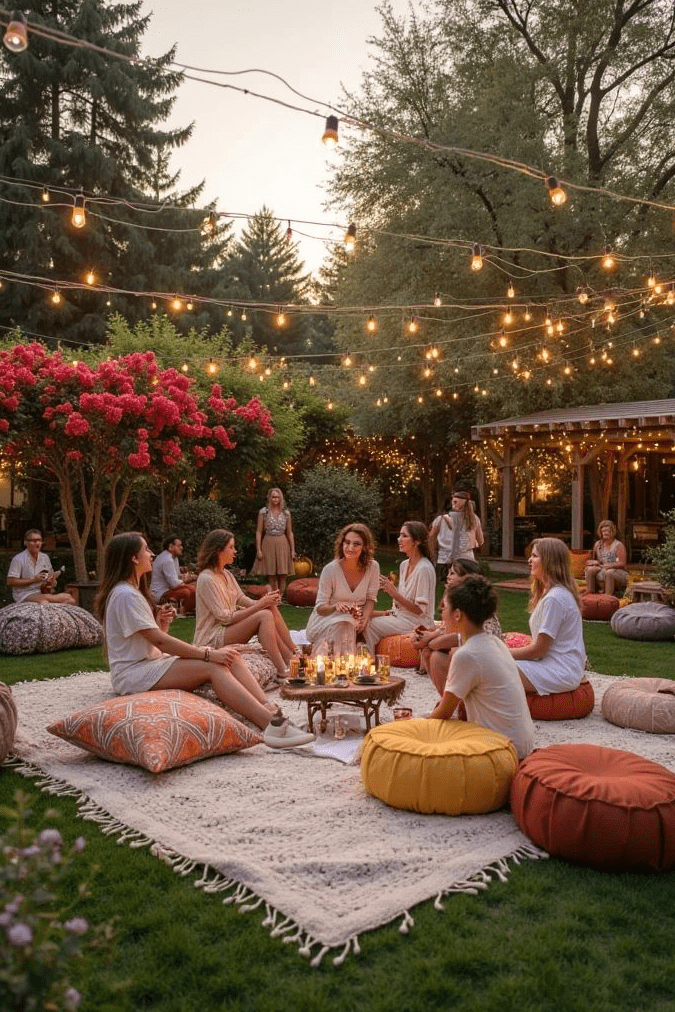
The most successful camp-style gardens reflect the people who use them, from personalized bunkhouse signs to handmade crafts and photo corners that grow with each season. With thoughtful material choices, smart storage, and realistic maintenance habits, you can enjoy that camp magic from spring through fall and turn your backyard into a place where new memories are made around every fire, lantern, and game.
Excerpt:
Bring the magic of summer camp into your backyard with 2025 garden decor ideas that blend rustic campfire circles, lantern paths, tents, woodland planting, and playful memory corners into a cozy, low-maintenance outdoor retreat that works for families, friends, and quiet evenings alike.

Maira Lindey is a home decor enthusiast who loves transforming ordinary spaces into warm, stylish havens. Through her writing, she shares simple, creative ideas that help people make their homes both beautiful and comfortable. Her approach combines aesthetic charm with practical solutions for everyday living.
With years of experience experimenting with colors, textures, and layouts, Maira enjoys guiding readers to express their personality through home design. She believes that even small changes can have a big impact, and she focuses on tips that are easy to implement without overwhelming the space or the budget.
Beyond decorating, Maira finds inspiration in nature, art, and everyday life. She encourages her readers to embrace creativity and make spaces that feel uniquely theirs, blending functionality with style in ways that are both inviting and livable.