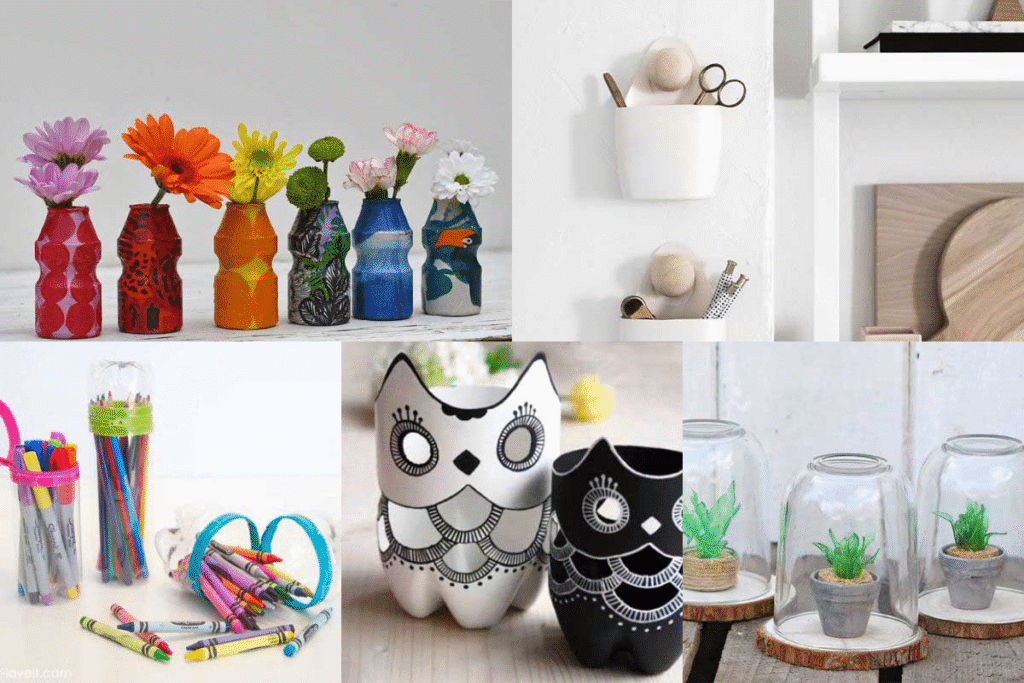
Upcycled bottle crafts are an easy, creative way to turn everyday waste into stylish eco home décor. This guide walks you through chic, practical ideas that can work in real homes, with tips based on hands-on projects and realistic budgets.
Upcycling glass and plastic bottles into home décor is one of the most accessible ways to decorate sustainably while saving money. With a few simple tools and thoughtful design choices, you can transform ordinary containers into personalized pieces that look intentionally styled rather than “DIY gone wrong.”
Chic Ways To Turn Empty Bottles Into Home Décor
Transforming empty bottles into chic décor starts with seeing them as raw materials instead of trash. Glass bottles in particular offer elegant shapes, familiar colors, and a weighty feel that already looks at home on shelves and tables. The key is to keep designs simple and intentional, so the final result feels like boutique décor and not a school project. A consistent color palette and a few repeated design motifs instantly elevate the look.
In my experience working with clients who want sustainable interiors, the most successful bottle crafts use subtle details: muted paint colors, minimal patterns, and a clear function such as a vase or candleholder. When a piece has a clear purpose, it feels more “designed” and less like clutter. It also helps to group bottles in multiples of three or five, which is a common interior styling trick to create visual balance.
Before you start any project, clean bottles thoroughly with warm soapy water, remove labels with a mixture of baking soda and oil, and allow them to dry completely to avoid trapped moisture or odors. For projects near light sources or candles, choose heat resistant glass bottles and use only appropriate, fire safe candle inserts. Plastic bottles are best saved for non heat applications such as planters, organizers, or light diffusers that use cool temperature LED strips.
Eco-Friendly Bottle Upcycling Ideas For Every Room
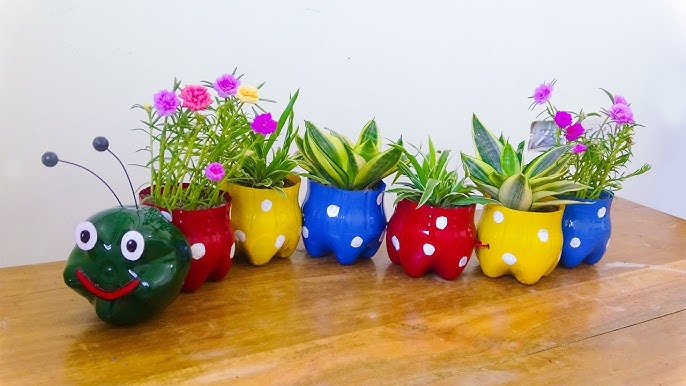
Every room in your home offers opportunities for functional eco-friendly bottle crafts. In living rooms, tall glass bottles make beautiful vases, decorative branches holders, or ambient lighting pieces when paired with battery operated fairy lights. In kitchens, smaller bottles can become oil and vinegar dispensers, herb planters, or labeled pantry storage that shows off grains and dried goods.
From hands-on work with small apartments, I have found that upcycled bottle storage works best in bathrooms and entryways where space is limited and vertical storage matters. Cut plastic bottles can be mounted on boards or inside cabinet doors to hold brushes, cotton pads, or cleaning accessories. Glass bottles can be fitted with pump tops to become soap and lotion dispensers, which not only reduce plastic waste but also give the bathroom a spa like consistency in color and form.
In bedrooms and home offices, bottle crafts should focus on calming and organizing rather than visual noise. Use frosted glass paint to soften bright colors and create diffused light for bedside lamps. For desks, weighted glass bottles can serve as pen holders, cable organizers when paired with clip on rings, or mini vases with a single stem to keep the workspace inviting without clutter. The goal across all rooms is to consider how each piece will be used daily, not just how it looks on a single styled day.
Preparing And Safely Cutting Bottles For Craft Projects
Any project that involves cutting or altering bottles should begin with safety. To cut glass bottles, you typically need a glass cutter, a way to apply controlled heat and cold (such as alternately pouring hot and cold water), and proper safety gear like gloves and eye protection. It is important to understand that glass can crack unpredictably if stressed too quickly or unevenly, so never rush the process and always work over a surface that can safely catch shards.
Based on my past work teaching DIY classes, beginners often get better results from simple scoring tools and patient, repeated heating and cooling cycles rather than complicated power tools. After a clean break, edges must be sanded thoroughly with first coarse, then medium, then fine grit sandpaper. For items that will be handled often, such as drinking glasses or planters, smoothing those edges is not optional. It is a basic safety requirement to prevent cuts.
For plastic bottles, cutting is easier but still benefits from planning and safe technique. Use a sharp craft knife or sturdy scissors and cut slowly to prevent jagged edges. Always discard damaged or brittle plastic since older plastics can crack and create sharp points. If a project will hold food, limit yourself to bottles originally rated for food and clean them thoroughly. If in doubt about safety for food contact or children’s items, keep that craft strictly decorative.
Painted Bottle Vases And Modern Centerpieces
Painted bottle vases are one of the most versatile upcycled bottle crafts for eco home décor. Start by choosing bottles of varying heights and similar silhouettes so they look like a deliberate collection. You can use spray paint designed for glass, acrylic paint with a glass medium, or chalk paint for a matte, ceramic inspired finish. Neutral or muted tones such as off white, warm gray, or terracotta create a modern, high end feel that works across different interior styles.
From hands-on projects, I have found that less is more with bottle painting. Instead of detailed scenes or busy patterns, try simple techniques such as:
- Full solid color coverage for a sculptural look
- Color blocking with painter’s tape for sharp geometric bands
- Light speckling using a toothbrush and diluted paint for a stone effect
Once painted, these vases can be used with dried flowers, pampas grass, or preserved eucalyptus. For fresh flowers, make sure the interior remains unpainted and water safe. It is important to note that many paints are not food safe, so do not use painted bottles for drinking or edible storage. To extend durability, seal finished pieces with a clear, non yellowing sealant and avoid placing them in dishwashers or full sun, since UV exposure can cause some paints to fade or peel over time.
Bottle Lighting: Candles, Fairy Lamps, And Ambient Glow
Bottle lighting instantly adds atmosphere to any room while keeping energy use low when paired with LED or battery powered options. Tall wine bottles can become candleholders by inserting taper candles in the neck; for safety, use drip catchers and never leave open flames unattended. For a safer everyday option, battery powered taper candles or LED tealights that mimic flicker provide similar charm without fire risk or soot.
In my experience styling cozy living rooms and patios, fairy light bottles are an easy crowd favorite. Clear bottles filled with warm white (around 2700K) LED micro lights create a soft, golden glow perfect for evening relaxation. You can:
- Feed a light string through a drilled hole near the bottle base
- Choose “cork top” light strings where the battery pack sits in a faux cork
- Group three to five light-up bottles on a tray for a simple centerpiece
For more advanced makers, bottle lamps can be created using proper lamp kits that meet electrical safety standards. Always use low heat LED bulbs and follow manufacturer instructions to prevent overheating. It is important to avoid homemade rewiring unless you have electrical experience or consult a professional. Ambient lighting crafted from bottles should enhance mood, not create hidden safety hazards, so err on the side of caution and code compliance.
Upcycled Bottle Planters And Indoor Greenery
Bottle planters bring eco friendly décor and indoor greenery together in a single project. Glass or plastic bottles can be cut in half to create self watering planters: the top half holds soil and plant, the bottom half holds water, and a cotton string wick draws up moisture. This method works particularly well for herbs or small indoor plants that prefer consistently moist soil, though it is still important to match plant species to light and water needs.
From hands-on experiments with indoor gardens, I have found that herbs such as basil, mint, and parsley can do well in bottle planters if they receive adequate light, usually near a bright window with indirect sun. Succulents prefer fast draining soil and less frequent watering, so they do better in bottles with extra drainage holes rather than self watering designs. Always add a layer of small stones or coarse material at the bottom if drainage is limited, and avoid water pooling around roots, which can cause rot.
Hanging bottle planters can be made by securing bottles with macramé holders or sturdy twine. When suspending planters, make sure anchor points in ceilings or walls can handle the weight of moist soil and water, especially with glass. Plastic bottles are significantly lighter and may be safer for high placements or homes with pets and children. Over time, check for discoloration, cracks, or algae in clear containers, and refresh soil and wash bottles as needed to keep plants healthy and displays attractive.
Functional Storage And Organization Using Bottles
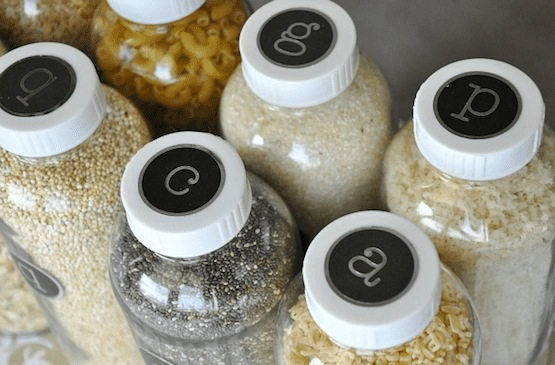
Upcycled bottles can solve everyday storage problems while reinforcing your eco home décor theme. Cut plastic bottles can become drawer organizers for makeup, office supplies, or art tools. Attach multiple bottle bottoms to a wooden board to create a modular system for craft rooms or kids’ study spaces. The key is to trim edges evenly and, if desired, wrap them with fabric tape or twine so they are smooth and visually finished.
Based on real-world organizing projects, I have seen glass bottles excel as stylish countertop storage. For example:
- Use matching bottles with pour spouts for dish soap and hand soap
- Fill tinted bottles with bulk-purchased shampoo and conditioner
- Store dry goods like rice, beans, or pasta in clear bottles with tight lids
Whenever bottles are used for food or personal care storage, ensure they are made from food safe materials and can be cleaned thoroughly between refills. Avoid storing acidic liquids long term in containers that are not rated for them, as acidity can affect some materials or previous residues. Label each bottle clearly with waterproof labels or glass markers to prevent mix ups and make your sustainable system easy for everyone in the household to use.
Seasonal And Gift-Worthy Bottle Craft Ideas
Upcycled bottle crafts can adapt to any season without the need for purchasing new décor each year. For autumn, paint bottles in warm terracotta, mustard, and deep green, then add twine, burlap, or dried wheat stems. In winter, clear bottles with white paint accents, faux snow, and cool white lights bring a subtle festive feeling. For spring and summer, lighter pastel tones and fresh greenery or wildflowers make spaces feel lively and fresh.
In my experience creating gifts for eco-minded friends, simple personalized bottle projects are often the most appreciated. Consider:
- Customized oil infusion bottles with herbs and proper food safe lids
- Hand painted bud vases with the recipient’s initials
- Relaxing bottle “spa kits” combining a candleholder and a small bath salt container
When making gift items that involve food, skin contact, or fragrance, always prioritize materials that are safe and clearly labeled. For infused oils or spirits, use only bottles that can be properly sterilized and store them refrigerated or according to food safety guidelines, since botanical infusions can spoil or support bacterial growth if mishandled. Fragrance bottles should be thoroughly cleaned and free of residue to prevent unintended scent mixing or skin irritation.
Maintaining And Styling Your Upcycled Bottle Décor
Even the most beautiful upcycled bottle décor needs maintenance to stay clean and safe. Dust glass pieces weekly with a soft cloth and wash vases between uses to prevent mineral deposits and residue buildup. Painted surfaces should be wiped gently with a slightly damp cloth, not soaked, since many decorative paints are not fully waterproof. For lighted projects, check battery compartments for corrosion and replace batteries promptly to avoid leaks.
From ongoing work in occupied homes, I have found that styling upcycled pieces effectively is as important as crafting them. Group bottles by color, finish, or height, and leave some empty space around them so surfaces do not feel cluttered. Use trays or shallow baskets to visually “contain” collections on coffee tables or consoles. Repeat the same bottle design in two or three locations within a room to create a cohesive eco décor theme that looks intentional.
It is also wise to periodically rotate or retire pieces that no longer suit your style. Upcycling is about extending life, not forcing every bottle to stay on display forever. If a paint finish chips badly or a plastic piece warps, recycle it where facilities exist or repurpose it again in a less visible role. Sustainable home décor evolves with your needs and tastes, and part of that practice is being willing to edit and refine over time.
Conclusion: Building A Stylish, Sustainable Home With Bottles
Upcycled bottle crafts offer a practical path to stylish eco home décor that reflects your personality and values. By choosing designs that are simple, functional, and cohesive, you can transform plain glass and plastic into décor that looks curated instead of improvised. Careful preparation, safe cutting, and thoughtful finishing touches help each project feel reliable and polished enough for everyday living.
In my experience working with people new to DIY, the most meaningful bottle projects are those that replace something you would otherwise buy new. A set of painted vases, a few fairy light bottles, and a cluster of self watering planters can slowly shift a home toward more sustainable living without overwhelming your schedule or budget. Starting small and learning from each project is more realistic than trying to redesign every room at once.
As you experiment with upcycled bottle crafts, treat each piece as both a creative exercise and a step toward a lower waste lifestyle. With patience, safety, and a clear eye for design, your once empty bottles can become the vases, lights, planters, and organizers that give your home a distinctive, eco-conscious character you can enjoy for years.

Maira Lindey is a home decor enthusiast who loves transforming ordinary spaces into warm, stylish havens. Through her writing, she shares simple, creative ideas that help people make their homes both beautiful and comfortable. Her approach combines aesthetic charm with practical solutions for everyday living.
With years of experience experimenting with colors, textures, and layouts, Maira enjoys guiding readers to express their personality through home design. She believes that even small changes can have a big impact, and she focuses on tips that are easy to implement without overwhelming the space or the budget.
Beyond decorating, Maira finds inspiration in nature, art, and everyday life. She encourages her readers to embrace creativity and make spaces that feel uniquely theirs, blending functionality with style in ways that are both inviting and livable.