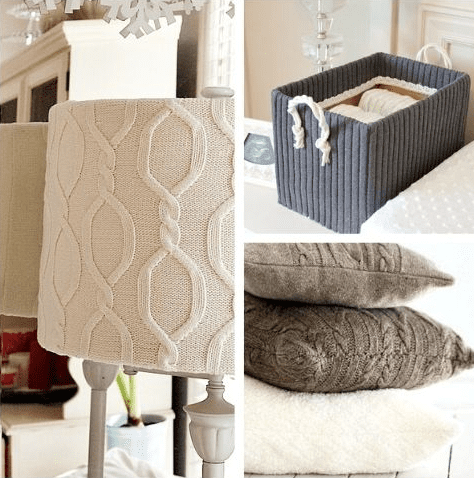
Upcycling old sweaters into warm home comforts is one of the easiest and most satisfying ways to refresh your space while cutting waste. With a few simple tools and some creativity, those forgotten knits can become cozy, functional accents that feel both personal and sustainable.
Transform Old Sweaters into Cozy Home Essentials
Turning closet castoffs into cozy creations starts with seeing old sweaters as fabric resources instead of worn-out clothes. A thick wool turtleneck can become a cushion cover, a cable-knit cardigan can transform into a lap blanket, and a fuzzy acrylic pullover might turn into a soft pet bed. The goal is not perfection but warmth, texture, and practical comfort. When you frame it as home styling with materials you already own, sweater upcycling becomes far less intimidating.
In my experience working on textile reuse projects, the biggest mindset shift is accepting small imperfections as part of the charm. Slightly mismatched seams or visible hand stitching can actually give your pillow covers or throws a handcrafted identity that store-bought items lack. Instead of trying to hide every trace of the original garment, lean into the details that tell its story, such as button plackets, ribbed cuffs, or distinctive cable patterns.
Before cutting anything, evaluate each sweater for its best use. Look at:
- Fiber content: Wool and wool blends are warmer and more breathable; acrylic is durable and easy to wash.
- Thickness: Chunky knits suit pillows, poufs, and pet beds; lighter knits work well for scarves, draft stoppers, and layering covers.
- Condition: Small holes can be worked around; severe thinning or moth damage may limit you to smaller items.
Based on my past work with clients, I recommend sorting sweaters into three piles: “pillow/blanket weight,” “small projects,” and “too damaged but good for stuffing.” This keeps the upcycling process organized and helps ensure you put each garment to its best possible use.
Simple Sweater Upcycles for Warm, Inviting Spaces
Starting with simple projects builds confidence and helps you understand how sweater fabric behaves when cut and sewn. Cushions, mug cozies, and plant pot covers are all beginner-friendly and require only basic tools. Most projects need scissors, straight pins, a hand-sewing needle or sewing machine, and strong thread that matches or complements the knit.
From hands-on projects, I have found that straight seams that follow the existing sweater structure are easiest. For example, using the bottom ribbed band of a sweater as the open end of a pillow cover saves time and gives a neat, finished edge immediately. You can also use sleeve cuffs as ready-made edges for small organizers or heat packs. This approach respects the original craftsmanship while reducing effort.
Three easy starter projects include:
No-zipper pillow cover:
- Cut a rectangle from the sweater body that is a little smaller than your pillow insert.
- Sew around three sides, leaving the ribbed hem as your opening.
- Insert the pillow and close the opening with invisible hand stitches or decorative buttons.
Mug or jar cozy:
- Cut the lower sleeve section just longer than your mug height.
- Slide it over a mug, trim to fit, and secure the raw edge with a blanket stitch.
- For safety, avoid using knits that shed fuzz near open flame or very hot liquids.
Plant pot cover:
- Pull the sweater sleeve over a pot or jar used as a cachepot.
- Fold the excess fabric inside and secure with hot glue or a stitched hem.
- Ensure there is a waterproof liner inside so overflow water does not soak the sweater.
These simple upcycles quickly add warmth and texture to living rooms, bedrooms, and workspaces, turning functional items into inviting features.
Choosing the Right Sweaters for Upcycling Success
Not every sweater is ideal for every project, and choosing well up front saves frustration. Fiber content determines warmth, washability, and durability, which all matter for home decor that gets regular use. Wool, alpaca, and high-quality blends are excellent for items that need insulation, like draft stoppers, blankets, or hot water bottle covers. Cotton and acrylic are good for pillow covers and decorative items, especially if they will be washed often.
In my experience working with secondhand textiles, tightly knit sweaters hold their shape better than very loose or open knits. Loose knits can stretch out of proportion, particularly in high-use items like seat cushions or heavily handled throws. For those, choose compact knits that spring back when gently tugged. Loose or lacy knits can still be beautiful as overlays on existing pillows or as layered textures over plain covers.
When evaluating sweaters, consider:
- Pilling level: Minimal pilling is ideal. Heavy pilling can be reduced with a fabric shaver, but that takes time.
- Shrinkage history: A sweater already washed and slightly felted in hot water is unlikely to shrink further, which can be an advantage.
- Allergies and sensitivities: Some people are sensitive to wool on bare skin. Use scratchy fibers for items that will be handled with clothing on, such as poufs or draft stoppers, and softer fibers for blankets and pillow fronts.
A factual note: natural fibers like wool and cotton are more breathable than acrylic and tend to regulate temperature better, but acrylic can be more stain resistant and colorfast. Choosing between them depends on how you plan to use and clean each upcycled piece.
Creating Pillow Covers, Throws, and Cushion Layers
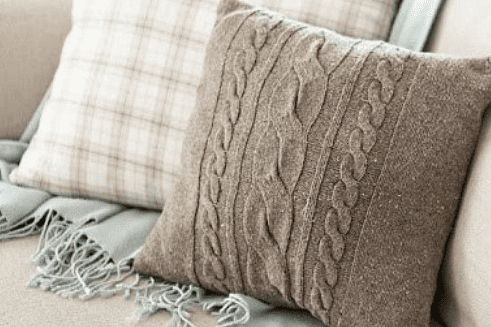
Pillow covers are one of the most popular ways to upcycle old sweaters into cozy home essentials. The stretch of the knit makes fitting inserts forgiving, which is helpful for beginners. Start by turning the sweater inside out and placing the pillow insert on top. Mark a rectangle about 1 inch smaller than the insert on all sides, pin, and sew. Stretch in the knit will let the cover contour snugly around the pillow for a plump, tailored look.
Based on real-world testing with clients’ living rooms, I have found that combining different sweater textures in a pillow cluster creates a more inviting, curated feel. For example: one chunky cable knit, one smooth fine-gauge knit, and one patterned sweater panel look more intentional than three identical pillows. Stick to a shared color palette so the variety in texture feels cohesive rather than chaotic.
Sweater throws require more material, which is where mixing and matching several sweaters comes in. You can create:
Patchwork throws:
- Cut uniform rectangles or squares from multiple sweaters.
- Arrange them on a table until you like the layout.
- Sew the patches together with a zigzag stitch to accommodate stretch.
- Optionally back the throw with fleece or flannel for stability and warmth.
Panel throws:
- Use the full fronts and backs of sweaters trimmed to similar widths.
- Sew them together in long strips for a bold, stripe-like effect.
Layered throws:
- Attach a single large sweater front to a backing fabric, creating a panel of texture on a solid base.
For durability, especially if you have children or pets, reinforce seams with a second line of stitching and avoid very delicate openwork knits in high-use blankets.
Draft Stoppers, Chair Pads, and Everyday Warmth Boosters
Old sweaters shine in functional pieces that quietly improve comfort, such as door draft stoppers and chair pads. These projects often use awkward sweater sections like turtlenecks and side panels, helping you get more value out of each garment. Effective draft stoppers help reduce cold air infiltration but do not replace proper insulation; think of them as a supplementary cozy fix.
From hands-on work in older, draftier homes, I have found that a well-filled, snug draft stopper placed against the base of a door can noticeably reduce cold spots near the floor. To make one:
- Cut a long tube from the body or sleeve of a sweater, longer than the door width.
- Sew one end closed, then fill with a mix of:
- Dry rice or lentils for weight
- Fabric scraps or sweater remnants for softness
- Sew the other end shut and adjust the filling for even distribution.
For chair pads and stool covers, choose dense sweaters that will not snag easily. You can:
- Cut circles or squares to match the seat size.
- Add a layer of foam or batting underneath for cushioning.
- Secure the sweater cover by:
- Sewing elastic around the edge,
- Adding ties at the corners, or
- Stapling to a wooden underside if the furniture allows.
These small upgrades increase everyday comfort without major expense, and they can be changed seasonally by swapping out covers.
Pet Beds, Storage Baskets, and Family-Friendly Projects
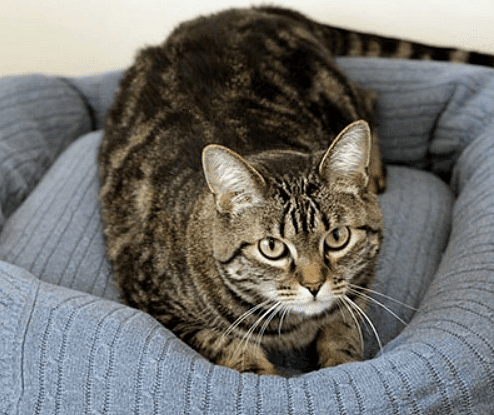
Pets love the softness and warmth of knit fabrics, which makes old sweaters perfect for DIY pet beds and blankets. Safety is important here; avoid loose embellishments, buttons, or zippers that a pet might chew off. Choose sturdier knits that do not shed easily, especially for cats that knead and scratch.
In my experience creating pet beds from old textiles, a simple method using a large sweater works well:
- Sew the neckline, cuffs, and hem shut.
- Fill the body with a combination of pillow stuffing, old towels, or sweater scraps.
- Shape the sleeves around the body as a raised edge and sew them in place.
This creates a cozy nest that carries your scent, which can be comforting for pets. Always monitor new beds at first to ensure your pet is not gnawing on threads or ingesting filling; if they do, remove or reinforce the item.
Sweater fabric also makes charming storage baskets and organizers:
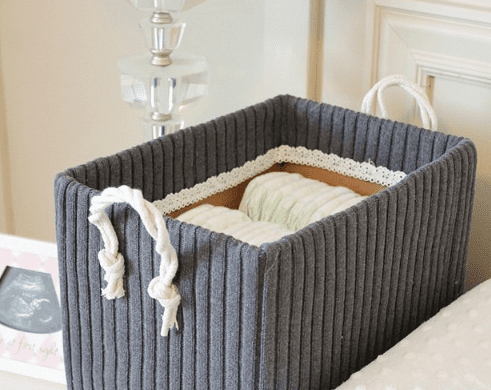
- Soft bins: Line a cut sweater panel with sturdy fabric, then sew into a cube or cylinder for holding scarves, toys, or craft supplies.
- Hanging pockets: Use sweater fronts with pockets intact as wall organizers, attaching them to a backing fabric or wooden dowel.
- Drawer organizers: Cut and sew smaller compartments for socks, gloves, or accessories.
These family-friendly projects can involve children in the creative process. Let them help choose colors, arrange patches, or stuff cushions. Always supervise cutting and sewing, and explain safe handling of needles and scissors.
Care, Cleaning, and Longevity of Upcycled Sweater Decor
Sweater-based decor requires thoughtful care to stay cozy and attractive. Fiber content once again sets the rules: wool and most animal fibers do better with gentle hand washing in cool water and air drying flat, while many cottons and acrylics can handle machine washing on a delicate cycle. Always test a small hidden area before full washing if you are unsure.
From ongoing use in my own home, I have learned that removable covers significantly extend the life of upcycled items. For pillows, cushion pads, and some pet beds, design the project so the cover can be removed:
- Add envelope-style backs for pillows.
- Use buttons or snaps instead of permanent stitching in accessible areas.
- Consider hidden zippers if you are comfortable sewing them.
Some practical care tips:
- Vacuuming: Regularly vacuum with a brush attachment to remove dust and pet hair.
- Pilling: Use a fabric shaver gently on pilled areas; heavy pressure can damage loose knits.
- Moth prevention: For wool items, store off-season pieces with cedar blocks or lavender sachets in breathable bags. These scents help deter moths but are not an absolute guarantee, so inspect occasionally for damage.
When an upcycled sweater item reaches the end of its life, you can still harvest usable sections for smaller future projects or use the scraps as stuffing. This keeps textiles in circulation longer and reinforces a low-waste, circular mindset.
Simple Tools, Safe Techniques, and Planning Your Projects
A small, reliable set of tools is enough to execute most sweater upcycling ideas. At minimum you will want:
- Sharp fabric scissors
- Straight pins or clips
- Hand-sewing needles and strong thread
- Measuring tape or ruler
- Fabric chalk or washable marker
- Optional: sewing machine and fabric shaver
In my experience working with beginners, cutting and handling knits is where most people feel uncertain. To reduce stretching and distortion:
- Lay sweaters flat on a hard surface, not on a soft bed or couch.
- Measure twice before cutting, and cut slowly without pulling the fabric.
- When sewing, support the weight of the knit so it does not drag off the table.
Plan your projects before cutting anything:
- Sketch a rough layout of how you will use each sweater.
- Note which panels you want to preserve for visible areas.
- Group similar colors and textures together to maximize matching potential.
Safety note: keep pins, needles, and scissors stored in containers, especially around children and pets. If you use hot glue for certain edges or embellishments, remember that it is not ideal for high-heat items like hot pads and trivets; those should rely on sewing and heat-safe materials instead.
Conclusion:

Upcycling old sweaters into warm home comforts weaves together creativity, sustainability, and everyday practicality. Every pillow, throw, draft stopper, and pet bed you craft is a small act of resourcefulness that brings new life to garments that might otherwise be discarded.
From hands-on projects and client work, I have seen how a few upcycled knits can noticeably change the feel of a room, adding texture, softness, and a sense of story that off-the-shelf decor rarely provides. The process invites experimentation: start with a simple pillow or mug cozy, then build confidence toward patchwork throws, pet beds, and organizers tailored to your space. Remember to respect fiber characteristics, plan your cuts, and design with cleaning and longevity in mind.
Over time, this approach can become a personal tradition of seasonal refreshes. When a sweater no longer fits your wardrobe, it can still fit beautifully into your home. With thoughtful upcycling, those old knits continue to provide warmth, comfort, and character, turning everyday spaces into truly cozy, lived-in havens.

Maira Lindey is a home decor enthusiast who loves transforming ordinary spaces into warm, stylish havens. Through her writing, she shares simple, creative ideas that help people make their homes both beautiful and comfortable. Her approach combines aesthetic charm with practical solutions for everyday living.
With years of experience experimenting with colors, textures, and layouts, Maira enjoys guiding readers to express their personality through home design. She believes that even small changes can have a big impact, and she focuses on tips that are easy to implement without overwhelming the space or the budget.
Beyond decorating, Maira finds inspiration in nature, art, and everyday life. She encourages her readers to embrace creativity and make spaces that feel uniquely theirs, blending functionality with style in ways that are both inviting and livable.