Dark furniture can instantly make a bedroom feel more sophisticated, intimate, and curated. This guide explores 37 dark furniture bedroom ideas that help you refresh your space with confidence, balance, and style.
Dark bedroom furniture has moved far beyond the old “heavy and gloomy” stereotype. When used with intention, it becomes a refined backdrop that highlights texture, shape, and light. Whether you prefer modern minimalism or cozy layered interiors, there is a dark furniture strategy that can transform your bedroom into a calming, stylish retreat.
In my experience working on bedroom refreshes, the most successful dark furniture rooms focus on contrast, proportion, and light before anything else. The ideas below are structured to help you make smart decisions, from choosing an elegant dark bed to layering the right textiles and finishes for a polished, livable look.
Elegant Dark Furniture Ideas for Modern Bedrooms
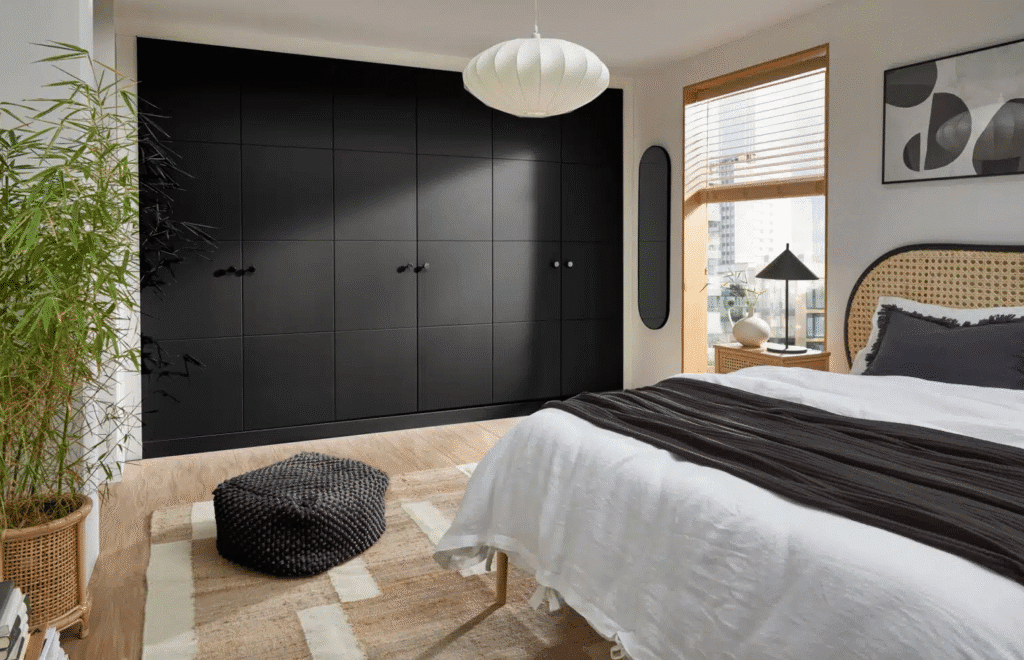
Dark furniture is a powerful tool for modern bedroom design because it naturally reads as streamlined and graphic. A dark bed frame, dresser, or nightstand creates a structured anchor that makes lighter items around it feel more airy and intentional. For a truly modern look, keep silhouettes clean and unfussy, focusing on low-profile beds, simple drawer fronts, and minimal hardware in matte black or brushed metal.
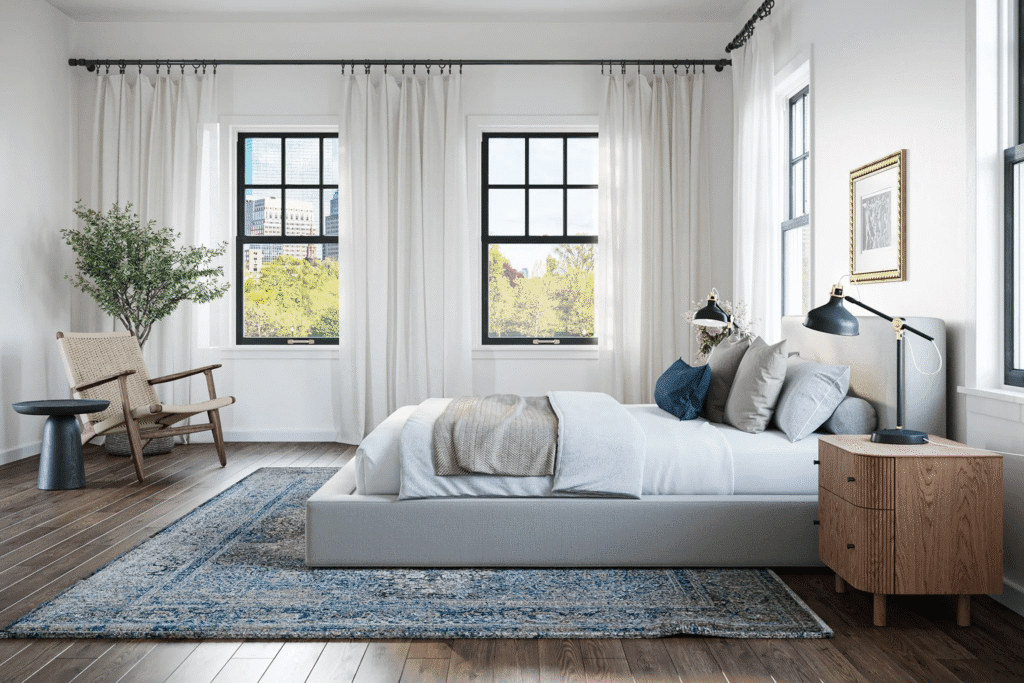
Based on my past work with clients, a dark upholstered platform bed is often the best starting point. It gives you softness and comfort while still delivering that sleek, hotel-level style. Pairing a charcoal or espresso bed with slightly lighter nightstands in warm wood or taupe is one of the easiest ways to avoid the room feeling overly heavy. The subtle contrast keeps everything modern and balanced.
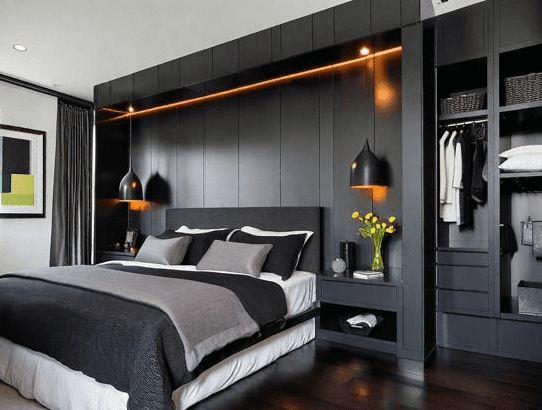
To round out a modern dark furniture bedroom, concentrate on three key choices: a single standout dark piece, a limited neutral color palette, and one or two strong textures. For example:
- One statement piece such as a black canopy bed
- A color scheme of white, sand, and charcoal
- Texture hits like boucle pillows or a chunky knit throw
Together, these details give you a refined, modern space that still feels calm enough for everyday living.
Cozy, Stylish Ways to Refresh with Dark Bedroom Furniture
A bedroom does not need to be cold or stark just because the furniture is dark. In fact, rich espresso and near-black stains can look incredibly cozy when surrounded by warm textures and soft, diffused lighting. Focus on layering, especially around the bed and seating areas, to keep dark furniture from reading too formal.
From hands-on projects, I have found that pairing dark wood furniture with warm white paint (around 2700K lighting) and earthy textiles instantly creates a welcoming mood. Use plenty of textiles that invite touch:
- Linen or cotton duvet in oatmeal or stone
- Woven baskets near the dresser for storage
- A high-pile or wool rug under the bed
Each layer softens the visual weight of the dark furniture and adds visual interest.
Ambient lighting is essential for a cozy refresh. Instead of relying on one bright overhead light, add multiple smaller sources:
- Bedside table lamps with fabric shades
- A floor lamp near a reading chair
- Simple string or fairy lights along a shelf
LED bulbs labeled “soft white” or “warm white” at 2700K to 3000K will keep the atmosphere restful and flattering while highlighting the rich tones of your dark furniture.
Balancing Light and Dark for a Brighter, Sophisticated Look
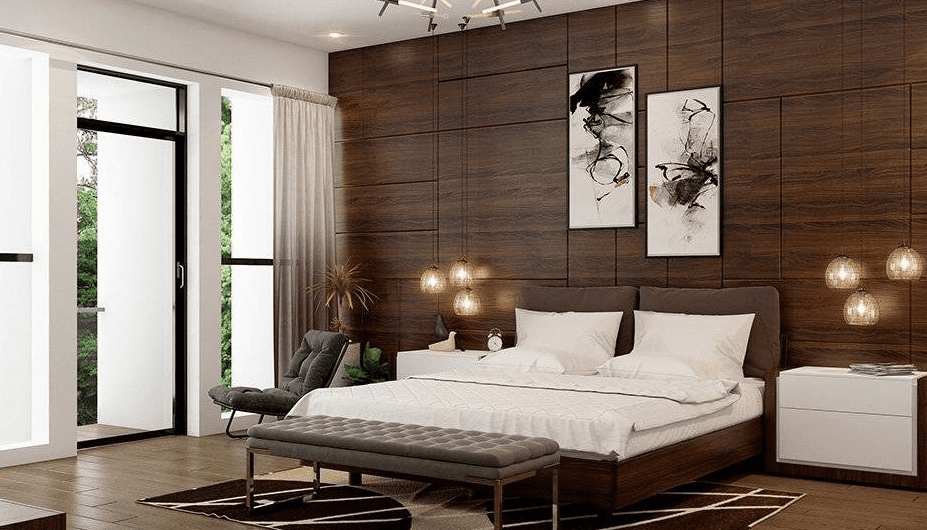
One of the most common concerns with dark furniture bedrooms is that the room will feel too dim or small. The key solution is deliberate contrast. Light walls, pale textiles, and reflective surfaces can transform dark pieces into dramatic focal points that actually brighten the space instead of weighing it down.
In my experience working on small urban bedrooms, painting the walls a warm off-white or very light beige is the single best complement to dark furniture. It lets the furniture stand out without swallowing the room. To maximize brightness:
- Use light rugs under dark beds and dressers
- Choose white, ivory, or light gray bedding
- Incorporate mirrors to reflect natural and artificial light
Be mindful of window treatments too. Sheer curtains layered under heavier panels allow you to control privacy while still bringing in as much daylight as possible.
Reflective surfaces are another subtle way to balance dark furniture. High-gloss accents, metallic hardware, and glass decor bounce light, keeping the room visually dynamic. A large mirror above a dark dresser or a mirrored tray on a dark nightstand adds sophistication while preventing the furniture from looking flat. As a factual note, mirrors do not increase actual light output but they redistribute existing light, which can make the room feel more spacious and open.
Choosing the Right Dark Bed as the Centerpiece
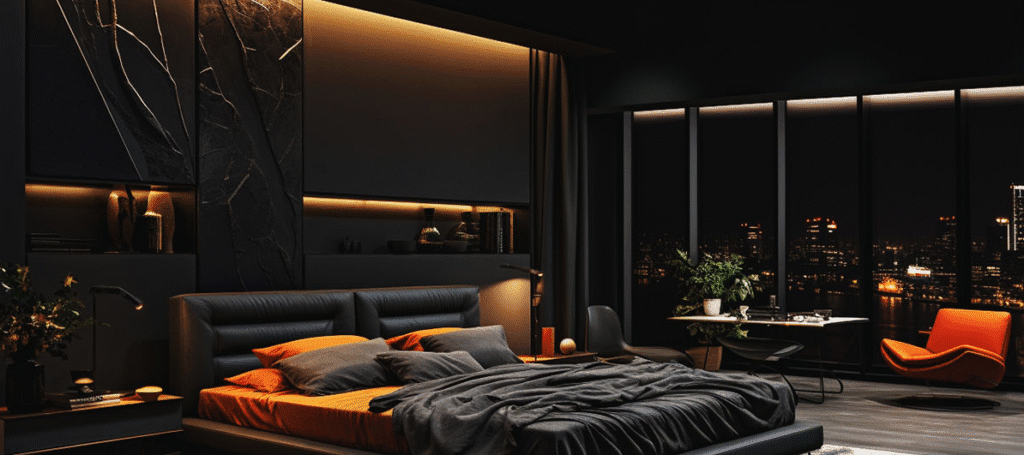
The bed is the natural hero of any bedroom, so deciding how dark you want it to be sets the tone for the entire design. You can choose a dark wood bed, a black metal frame, or a deep charcoal upholstered headboard, depending on the mood you prefer. Each option has its own design personality and maintenance needs.
From hands-on work with clients, I have found:
- Dark wood beds in walnut or espresso feel warm and timeless
- Black metal frames lean industrial or minimalist
- Dark upholstered beds look luxurious and help absorb sound
If you like to lean against the headboard to read, an upholstered or padded design is usually more comfortable in the long term. Fabric headboards, however, typically require occasional vacuuming and spot cleaning to stay fresh, whereas metal and wood are easier to wipe down.
To keep your dark bed from overpowering the space, surround it with lighter and softer elements. Consider:
- White or ivory sheets with a subtle texture
- A light-toned bench at the foot of the bed
- Pillows in muted colors like sage, clay, or soft blue
These additions frame the dark bed as a design feature rather than a visual block, resulting in a bedroom that feels inviting and well proportioned.
Nightstands, Dressers, and Storage that Complement Dark Pieces
Once the bed is chosen, the next big decision is how to coordinate nightstands and dressers. Matching dark bedroom sets are straightforward, but mixing finishes often feels more designer-level and flexible. If your bed is very dark, slightly lighter storage pieces can make the room look fresher and more layered.
In my experience working on bedroom redesigns, using a dark dresser with slightly lighter nightstands often strikes the perfect balance. It allows the dresser to anchor one wall while the nightstands feel lighter and more approachable next to the bed. Consider combinations like:
- Black bed, walnut nightstands, black dresser
- Espresso bed, taupe or greige nightstands, espresso dresser
- Charcoal upholstered bed, white nightstands, dark wood dresser
When choosing storage, think carefully about scale and function. Drawers should open easily, with enough clearance from walls and nearby doors. For comfort, nightstands typically work best when their top surface is within 2 to 4 inches of mattress height, which keeps lamps and essentials within easy reach.
Smart storage details can also preserve the visual calm of a dark furniture bedroom. Look for:
- Dressers with deep drawers for bulky clothing
- Nightstands with at least one drawer for clutter
- Under-bed storage if you are working with a compact room
These choices keep surfaces tidier, which is especially important since dust and clutter are more noticeable on dark furniture finishes.
Playing with Textures, Fabrics, and Patterns Around Dark Furniture
Dark furniture sets a strong foundation, but texture and pattern bring the personality. A bedroom filled only with smooth, flat surfaces can feel one-note, especially when the larger pieces are dark. The solution is to layer a variety of textiles that catch the light differently and make the space feel richer.
Based on real-world testing of materials with clients, combining at least three different textures around dark furniture creates more dimension:
- Crisp cotton or linen bedding
- A woven or wool rug
- A velvety or boucle throw pillow
Each surface interacts with the dark furniture differently, highlighting shapes and shadows without relying on bold colors alone. This is particularly helpful if you prefer a calm, neutral palette but still want the room to feel interesting.
Patterns also play nicely with dark furniture, especially if they are scaled thoughtfully. Large-scale patterns on a rug or duvet help break up expanses of dark wood or metal, while smaller patterns are better used on accent pillows or artwork. Keep the color story cohesive:
- Stick to 2 or 3 main colors
- Repeat shades across different elements (for example, the same warm gray in the rug, throw, and art)
- Limit very busy prints to smaller surfaces
This approach keeps the room polished and relaxing while still expressing your style.
Lighting Strategies to Showcase Dark Bedroom Furniture
Lighting is one of the most powerful tools for a stylish dark furniture bedroom. Because dark surfaces absorb more light than lighter ones, layered lighting becomes even more important to keep the room comfortable and visually appealing. A thoughtful combination of ambient, task, and accent lighting will highlight your furniture rather than hide it in shadows.
From hands-on projects, I have found that a three-layer approach works best:
- Ambient: ceiling fixtures or recessed lighting to provide general illumination
- Task: focused lights such as bedside lamps, sconces, or reading lights
- Accent: small fixtures that highlight decor, artwork, or architectural features
For bedrooms, warm white bulbs around 2700K to 3000K are generally recommended for a cozy, restful glow. Brighter, cooler temperatures are better suited to workspaces and can feel harsh against dark wood.
Placement matters as much as brightness. Aim to:
- Put bedside lights at roughly eye level when seated in bed to reduce glare
- Avoid strong downlights directly over the pillow area
- Use dimmers when possible to adjust mood throughout the day
Accent lighting can be as simple as an LED strip under the bed or behind a headboard to create a soft halo effect. While this does not significantly increase overall light, it visually separates the dark furniture from the wall, making the piece appear lighter and more sculptural.
Accent Colors and Decor that Freshen Dark Furniture
Dark bedroom furniture works beautifully with a wide range of accent colors, from soft pastels to deep jewel tones. The trick is to use color in a focused way so that the room feels refreshed, not chaotic. A small palette repeated across several decor items usually looks most intentional.
In my experience designing dark furniture bedrooms, some of the most successful accent color ideas include:
- Soft blush or terracotta with espresso or walnut furniture
- Sage green and warm beige with charcoal or black pieces
- Navy and cream with deep brown or mahogany
Use these colors in artwork, throws, pillows, and vases rather than on all large surfaces. This allows you to change accents seasonally or as your style evolves without replacing major furniture.
Decor objects should reinforce the mood you want. For a modern, minimalist look, keep accessories restrained:
- One or two framed prints above the bed
- A tray on the dresser to corral perfume or jewelry
- A simple ceramic vase or plant on the nightstand
For a cozier or more eclectic feel, add more layers while still editing regularly. Dark furniture looks best when surfaces are curated rather than crowded. Regular dusting is important, since dust is more visible on dark finishes and can dull the overall effect if neglected.
Conclusion: Bringing Your Dark Furniture Bedroom Vision Together

A dark furniture bedroom can feel dramatic, cozy, modern, or classic, depending on how you balance light, color, and texture. By focusing on proportions, layering, and thoughtful lighting, you can create a space that feels both stylish and deeply relaxing.
Bringing your dark furniture bedroom ideas together starts with one clear focal point, usually the bed, and then building out from there. Choose complementary nightstands and storage, maintain a light backdrop on the walls and floor, and layer in textures that keep the room warm and inviting. The 37 ideas in this guide are not rigid rules but starting points to help you navigate decisions with confidence.
From hands-on work with bedroom projects, I have seen that the most successful rooms share two qualities: intentionality and restraint. When each piece has a purpose and the palette is controlled, dark furniture becomes a striking, sophisticated foundation rather than a source of heaviness. With these principles in mind, you can refresh your bedroom into a space that feels tailored, restful, and enduringly stylish.

Maira Lindey is a home decor enthusiast who loves transforming ordinary spaces into warm, stylish havens. Through her writing, she shares simple, creative ideas that help people make their homes both beautiful and comfortable. Her approach combines aesthetic charm with practical solutions for everyday living.
With years of experience experimenting with colors, textures, and layouts, Maira enjoys guiding readers to express their personality through home design. She believes that even small changes can have a big impact, and she focuses on tips that are easy to implement without overwhelming the space or the budget.
Beyond decorating, Maira finds inspiration in nature, art, and everyday life. She encourages her readers to embrace creativity and make spaces that feel uniquely theirs, blending functionality with style in ways that are both inviting and livable.