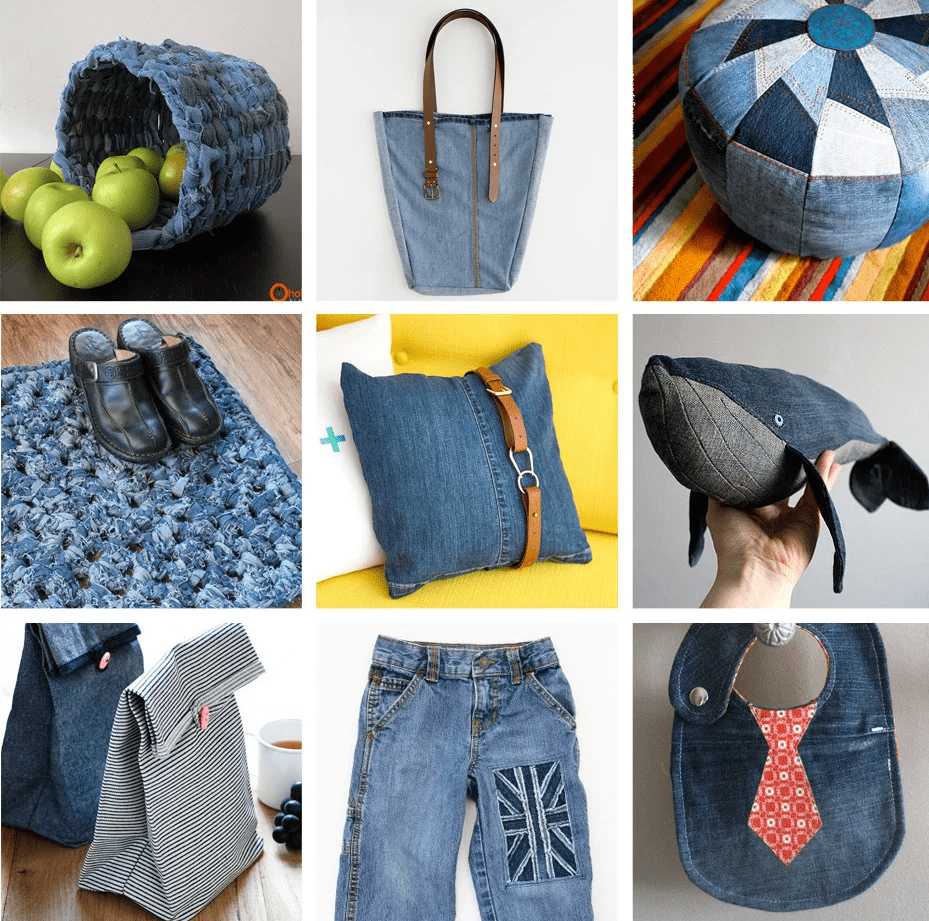
Upcycled denim is one of the most satisfying ways to turn clutter into stylish home decor and fashion accessories. This guide walks you through creative DIY jeans crafts that are practical, modern, and surprisingly easy to pull off.
Upcycling old jeans into chic DIY projects lets you save money, reduce textile waste, and create custom decor and accessories with real personality. With a few basic tools and some creativity, your worn-out denim can become your favorite new pieces in your home and wardrobe.
Chic Ways to Upcycle Old Jeans into Home Decor
Denim is durable, textured, and forgiving, which makes it a fantastic material for home decor projects that actually last. Old jeans can become cushion covers, wall art, and even small storage solutions that look intentional rather than improvised. The key is to mix different washes of blue, black, and gray denim to achieve visual depth and a cohesive aesthetic.
In my experience working with recycled textiles, denim is much easier for beginners than slippery fabrics like satin or stretchy knits. The dense weave holds its shape, hides small mistakes, and accepts topstitching and embellishments nicely. You can also combine it with natural fibers like cotton or linen for a softer, more lived-in look that suits modern, rustic, or industrial interiors.
Before starting any project, wash and thoroughly dry your old jeans to remove dirt, finishes, and body oils. This step matters because prewashing reduces future shrinkage and ensures that dyes will not transfer as easily to sofas, chairs, or light-colored walls. If a pair bleeds a lot of dye during washing, reserve it for darker projects like storage bins or accent patches instead of light cushions or placemats.
Cozy Denim Pillow Covers and Cushion Refreshes
Pillow covers are one of the easiest and most stylish ways to upcycle old jeans into home decor. You can create patchwork designs from multiple pairs or use a single leg panel for a clean, minimal look. Focus on using the flattest sections of the jeans, such as the thighs, avoiding heavily worn spots that might tear with frequent use.
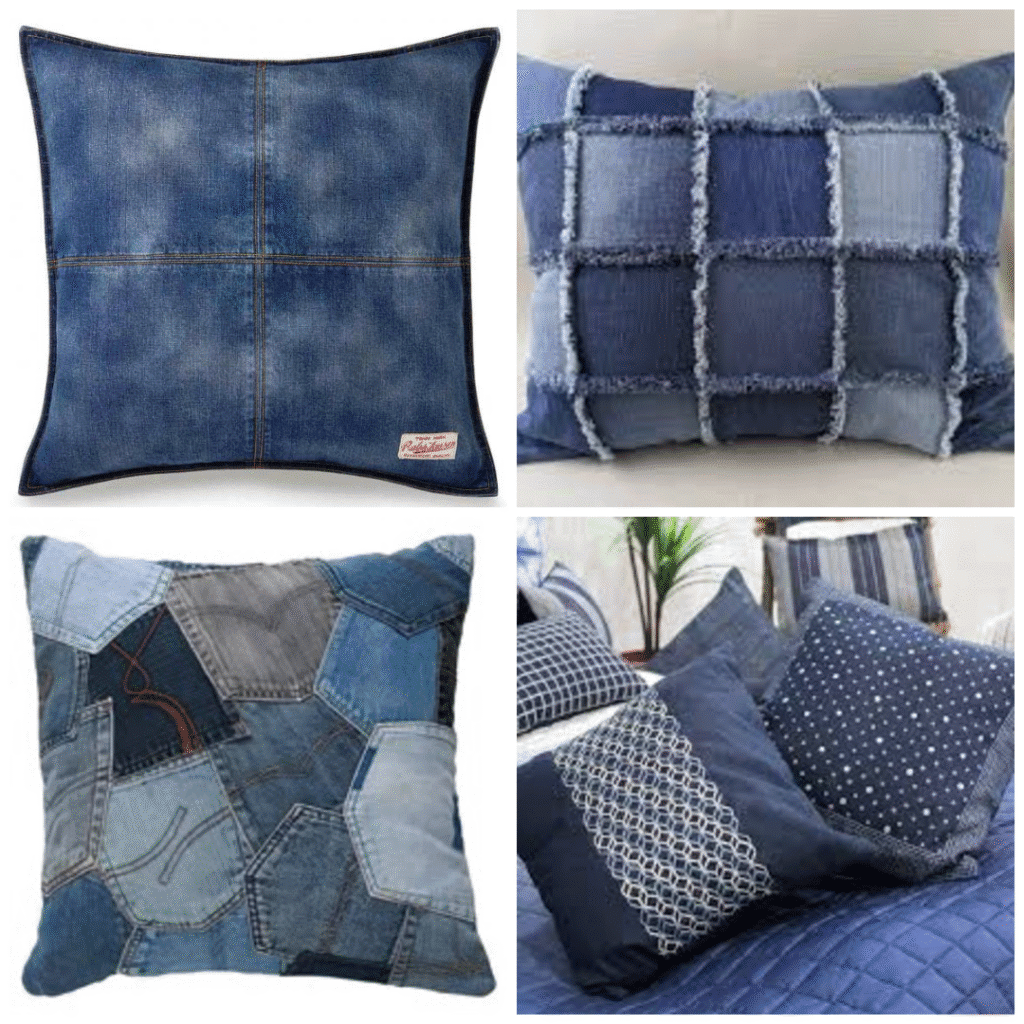
From hands-on work with clients, I have found that simple envelope-style cushion covers are ideal for beginners. They only require straight seams, no zippers, and can be removed easily for washing. Since denim is heavier than many upholstery fabrics, choose pillow inserts with a bit of loft so they do not look weighed down once encased.
For stylish denim pillow covers, try these ideas:
- Classic patchwork: Combine squares from different washes to create a subtle gradient.
- Pocket-front cushions: Place a jeans back pocket on the front to hold remotes or a phone.
- Frayed-edge detail: Sew panels wrong sides together and allow a small seam allowance to fray for a relaxed, boho look.
Denim can be machine washed on a gentle cycle, but always check that embellishments like buttons, rivets, or zippers are secure and will not scratch leather sofas or delicate surfaces.
Upcycled Jeans Storage Bins, Baskets, and Organizers
Old jeans transform beautifully into storage bins and organizers that are equal parts functional and decorative. The natural rigidity of denim, especially when backed with interfacing or cardboard inserts, helps the bins stand upright on shelves, desks, or in closets. These recycled denim organizers work especially well in kids’ rooms, craft studios, or entryways.
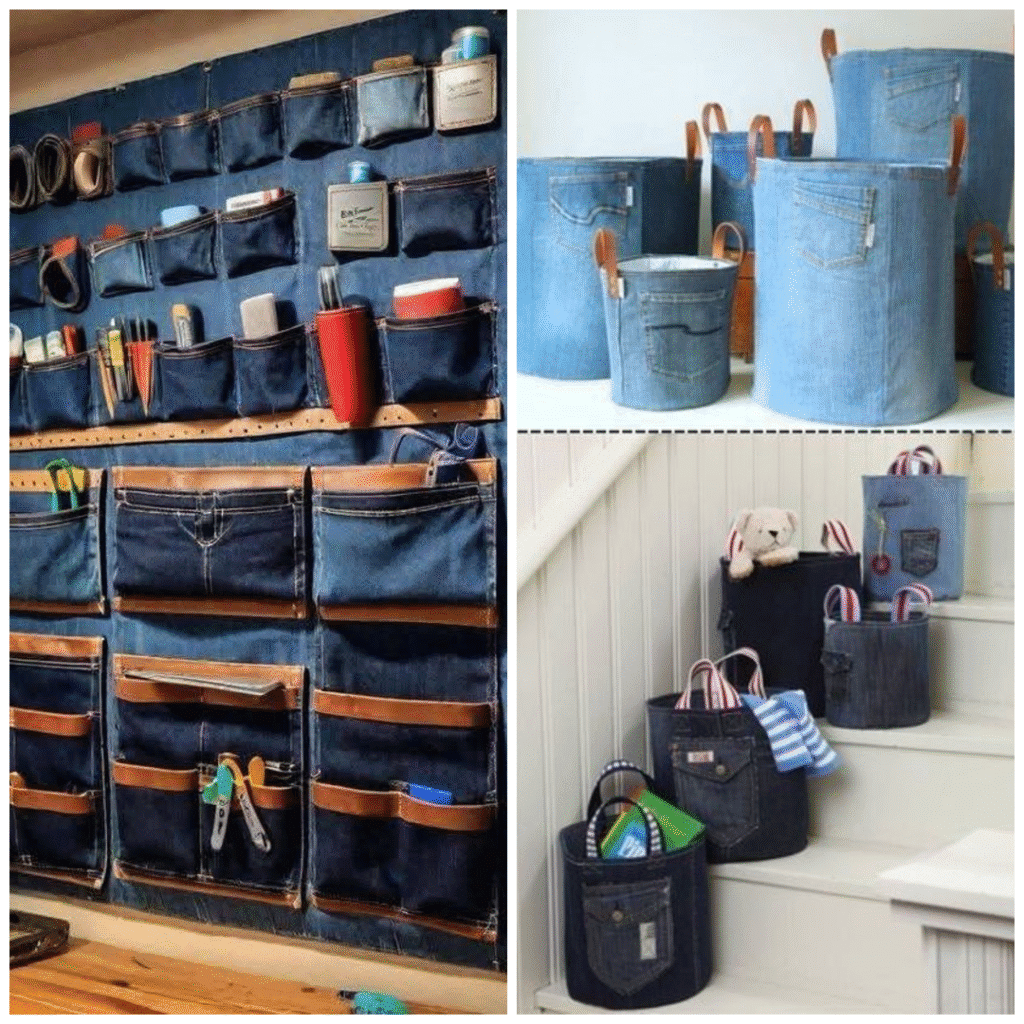
In my experience building storage solutions for small apartments, denim bins are most successful when they are sized intentionally for specific items. For example, shallow rectangular trays are perfect for mail, keys, and sunglasses, while taller square bins work for scarves, rolled T-shirts, or yarn. You can mix solid panels of denim with visible pocket details to give each bin its own character and function.
To make your own upcycled denim storage pieces, consider:
- Desk caddies: Wrap denim around small boxes or cans and glue or sew in place for pen holders.
- Foldable fabric bins: Sew denim rectangles into cubes and line them with cotton; add handles made from belt loops.
- Hanging organizers: Use full jeans legs to create vertical pockets on a backing panel, perfect for magazines or craft tools.
For stability, lightweight fusible interfacing or a double layer of denim is usually enough. For larger floor bins, add a removable cardboard or plastic insert at the base to prevent sagging, and avoid storing damp items to reduce the risk of mildew.
Denim Table Runners, Placemats, and Coasters
A set of denim table textiles instantly adds texture and a relaxed yet stylish tone to your dining space. Since jeans fabric is sturdy and stain tolerant, it adapts well to everyday use. Combining multiple tones of blue and gray creates a visually interesting table runner or placemats that feel contemporary rather than rustic.
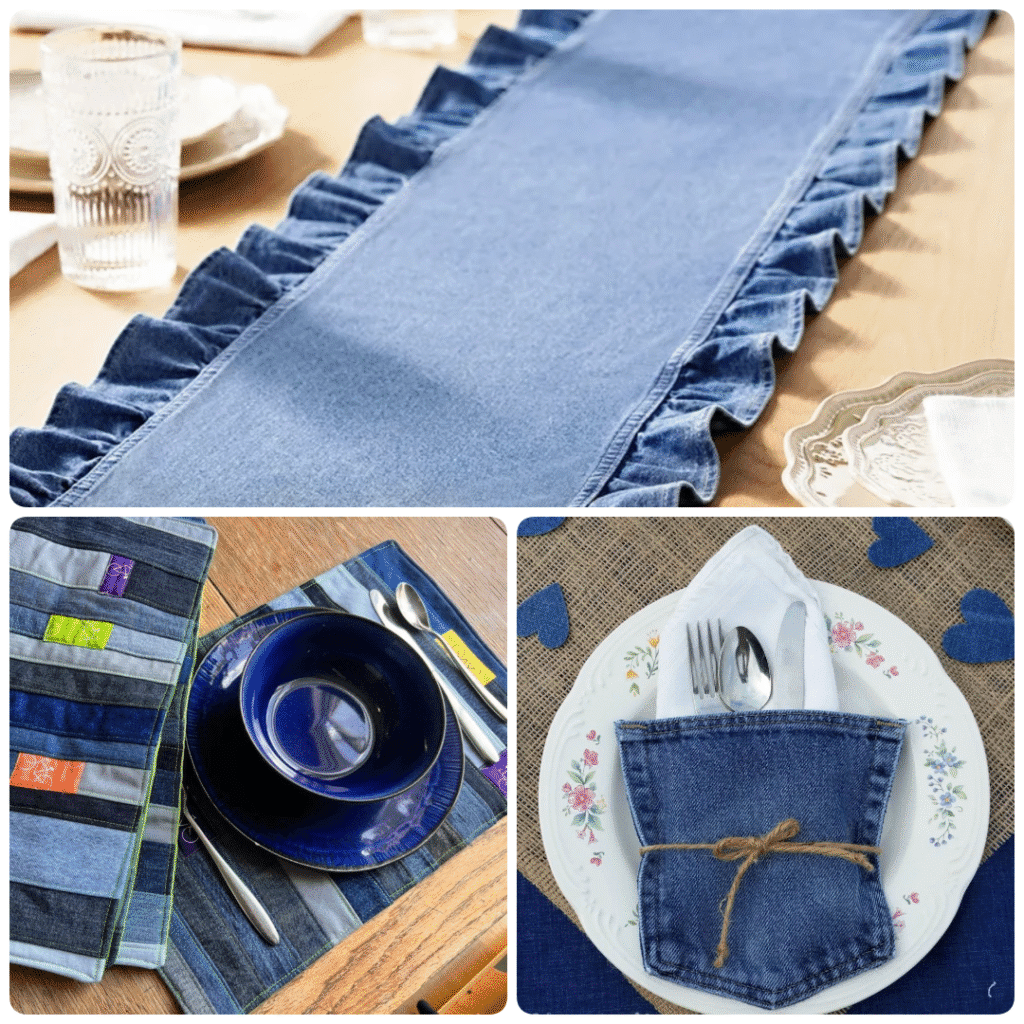
Based on real-world testing at home, raw-edged denim can look beautiful, but it must be managed so it does not shed threads all over your table. To control fraying, sew a line of tight stitching about 0.25 inches from the edge, then gently pull threads until you get a controlled fringe. Alternatively, press and hem edges for a cleaner, more formal finish.
For upcycled denim tableware, try these ideas:
- Patchwork runner: Use staggered denim rectangles, mixing light and dark washes.
- Pocket placemats: Add one pocket on the top right of each mat to hold napkins or cutlery.
- Layered coasters: Stack two circles of denim with visible topstitching in contrasting thread.
Because denim can absorb spills, it’s worth applying a fabric protector spray suitable for cotton-based textiles if you expect heavy use. Spot clean quickly when stains occur, and machine wash on cold when needed, laying flat to dry to minimize twisting or warping.
Statement Wall Art and Denim-Framed Displays
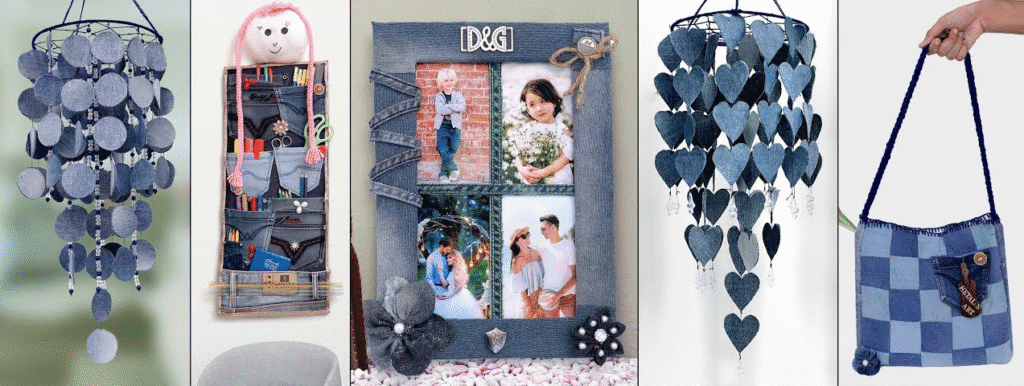
Upcycled jeans are unexpectedly effective for creating unique wall art that doubles as a conversation piece. The texture of denim, along with visible seams and pockets, adds dimension that photographs and flat prints do not have. You can mount denim directly in a frame, stretch it over a canvas, or build geometric panels for a gallery wall.
From hands-on projects, I have found that mixing denim with other materials such as wood, rope, or metal yields the most sophisticated results. For instance, a simple wooden frame filled with diagonally arranged denim strips can look surprisingly high-end. You can also incorporate embroidery, fabric paint, or stenciled quotes to personalize the design.
Consider these denim wall art concepts:
- Pocket collage: Arrange multiple pockets in a grid, each holding dried flowers, notes, or small photos.
- Striped panels: Sew or glue denim strips in alternating shades across a backing, then frame.
- Stitched silhouettes: Cut shapes like leaves or city skylines from denim and applique them on a contrasting fabric.
Use proper hanging hardware rated for the weight of your finished piece, especially if you add wood or heavier embellishments. Avoid placing denim art in areas with intense direct sunlight, as UV exposure can fade the fabric over time more quickly than in shaded rooms.
Creative Fashion Accessories from Repurposed Denim
Old jeans can also live a second life as stylish fashion accessories that feel custom-made rather than mass-produced. The same qualities that make denim great for home decor durability, structure, and classic aesthetics also make it perfect for bags, belts, and wearable accents. With thoughtful design, your accessories will read as intentional fashion choices, not leftover scraps.
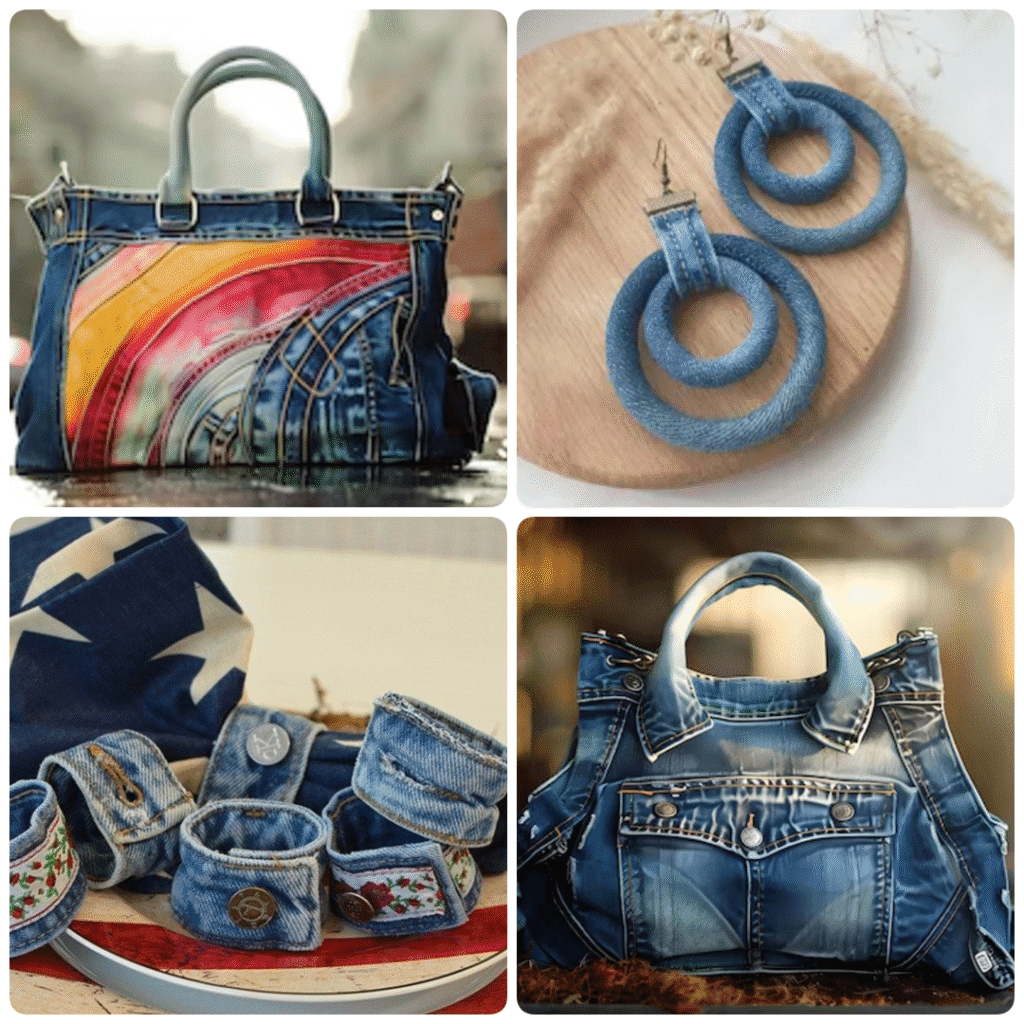
In my experience upcycling garments, the most successful denim accessories are those that showcase distinctive details already built into the jeans. Elements like waistbands, belt loops, rivets, and pockets can become focal points when repositioned. This approach cuts down on sewing time and keeps the final product looking polished.
Before cutting into your jeans, map out which sections you will use for each accessory to avoid waste. Large, unbroken sections like the legs should be reserved for bigger projects such as tote bags, while smaller offcuts are perfect for jewelry, patches, and trims. Always reinforce areas that will experience stress, such as straps, closures, and seams, with double stitching or interfacing.
Denim Tote Bags, Crossbody Pouches, and Market Shoppers
Upcycled denim bags are among the most practical DIY jeans projects, ideal for groceries, books, or everyday carry. The weight and durability of denim provide natural strength, especially when you use double-layered panels or line the bag with cotton. You can preserve original jeans features like back pockets on the outside of your tote for extra storage.
From hands-on work with clients who commute daily, I have found that wide straps and reinforced bottoms are essential for comfort and longevity. Straps that are 1.5 to 2 inches wide distribute weight better on the shoulder than narrow ones. A double layer of denim or a piece of sturdy canvas at the base helps prevent sagging when the bag is loaded.
For stylish denim bags:
- Classic tote: Use two large leg panels for the body and a waistband section as a decorative trim at the top.
- Crossbody pouch: Turn the upper section of jeans, including the front pockets, into a compact bag with a long strap.
- Market shopper: Create a tall, unstructured bag with side gussets for extra volume and long handles for shoulder carry.
Attach closures like snaps, zippers, or magnetic clasps according to how secure you need the bag to be. For heavy loads, use strong polyester thread and test seams by gently pulling on them before regular use to ensure they will hold.
Reimagined Belts, Headbands, and Hair Accessories
Jeans waistbands, seams, and hems can be turned into fashionable belts and headbands with minimal sewing. The finished edges and integrated belt loops give you design advantages that ordinary fabric strips do not. Headbands and hair ties made from soft, slightly worn denim are comfortable, sporty, and on trend.
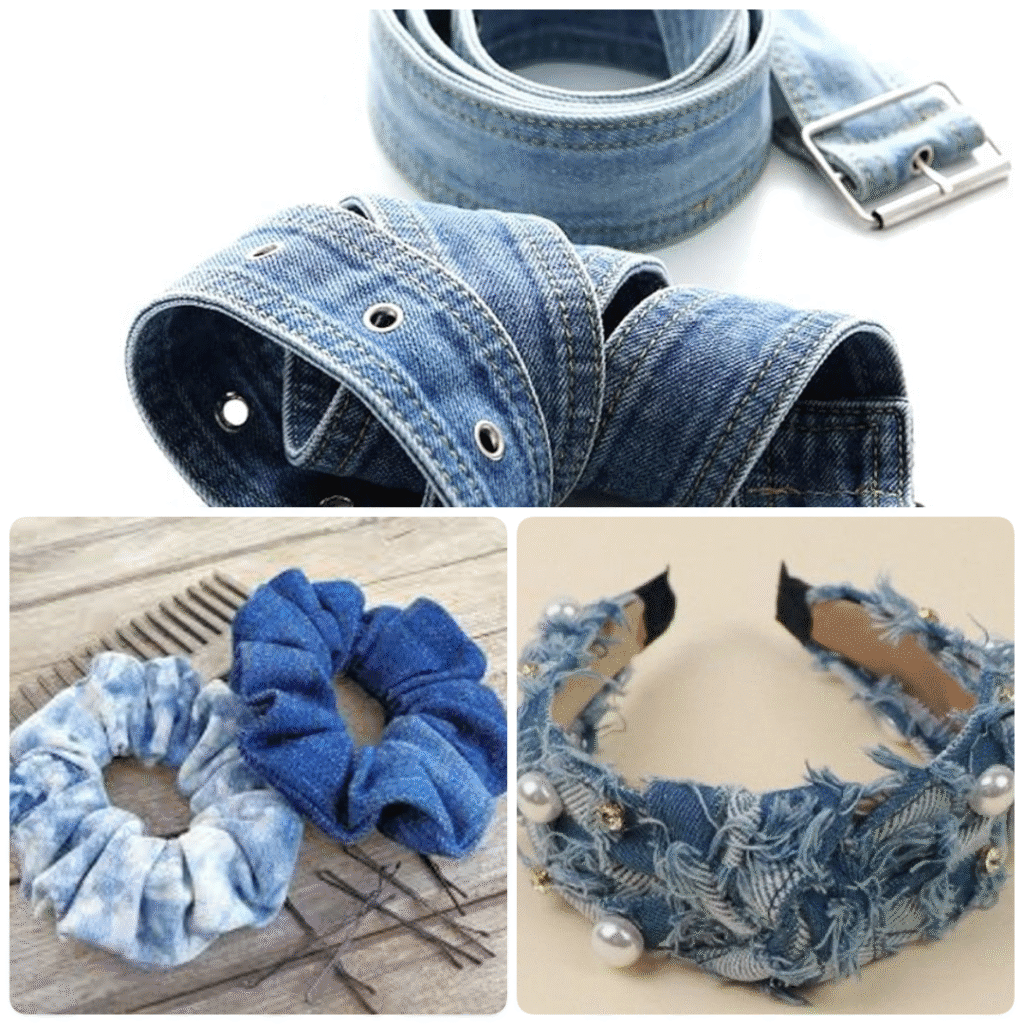
In my experience experimenting with denim trims, the waistband section of jeans is incredibly versatile. When paired with a D-ring buckle, snap closure, or even a simple tie finish, it becomes a belt that feels intentionally vintage. Shorter strips can be padded with batting or layered over elastic to form structured yet comfortable headbands.
Ideas for denim accessories include:
- Waistband belt: Cut the waistband off, finish raw ends, and attach a buckle or D-rings.
- Twist headband: Sew a tube of soft denim, twist in the center, and attach to a covered elastic at the back.
- Scrunchies: Wrap narrow strips of denim around elastic and stitch closed, allowing for gentle gathers.
Because these accessories rest directly on skin and hair, prewash the denim with fragrance-free detergent to remove residual dyes and finishes. People with sensitive skin should test small sections against their wrist or neck to ensure there is no irritation from rivets or rough seams.
Jewelry, Patches, and Denim Trim Details
Turning denim scraps into jewelry and small embellishments allows you to use almost every usable part of your old jeans. Lightweight pieces can become earrings, necklaces, or bracelets, especially when combined with metal findings or wooden beads. Small patches and appliques are perfect for hiding stains or tears on other garments while adding a custom flair.
Based on real-world testing of denim jewelry, the main challenge is keeping items light enough for comfort. This is where choosing thinner sections of fabric, like pocket linings or only one layer of a leg panel, makes a difference. Sealing cut edges with fabric glue or fray check helps prevent excessive fraying that could catch on hair or clothing.
Consider these small-scale upcycled denim ideas:
- Fabric bead necklaces: Roll narrow strips into tight beads, secure with fabric glue, and string with metal or wooden spacers.
- Hand-cut patches: Create hearts, stars, or geometric shapes to stitch or iron onto jackets and backpacks.
- Edge trims: Use jean seams as decorative lines on sleeves, hems, or pockets of other garments.
When adding denim patches to clothing, sew around the edges with small, tight stitches or use a high-quality fusible adhesive suitable for frequent washing. Avoid placing thick patches on areas that need a lot of flexibility, such as behind the knees or at the elbows, to maintain comfort and ease of movement.
Tips for Working Safely and Efficiently with Old Jeans
Reworking old jeans is straightforward, but a few preparation and safety steps make the process smoother and more enjoyable. Denim can be tough on tools and hands, so planning ahead helps you avoid mistakes and frustration. Good lighting, a stable work surface, and sharp cutting tools are essential.
From hands-on sewing projects, I have found that using the right needle and thread dramatically improves results. For home sewing machines, a denim or jeans needle in size 90/14 or 100/16 works better for thick seams than a universal needle. Strong polyester thread is generally more durable than cotton thread for seams that will bear weight, such as bag straps or storage bin handles.
Keep these practical guidelines in mind:
- Tool care: Use sharp fabric scissors for cutting denim and avoid using them on paper, which dulls blades.
- Layer management: Do not force your machine through more than 4 to 6 layers of heavy denim at once; instead, trim and stagger thick seams.
- Marking and measuring: Use fabric chalk or removable markers and a clear ruler to ensure straight cuts and consistent patch sizes.
Always work slowly around metal hardware like rivets and zippers to avoid hitting them with your needle or scissors. When gluing denim, choose non-toxic fabric glues and work in a ventilated area, following the manufacturer’s curing time for a strong bond.
Conclusion: Turning Discarded Denim into Lasting Style
Upcycling old jeans into creative DIY decor and accessories is a practical way to reduce waste while adding character to your home and wardrobe. With a few essential tools, some planning, and a willingness to experiment, your worn-out denim can become pieces that feel more meaningful than anything store bought.
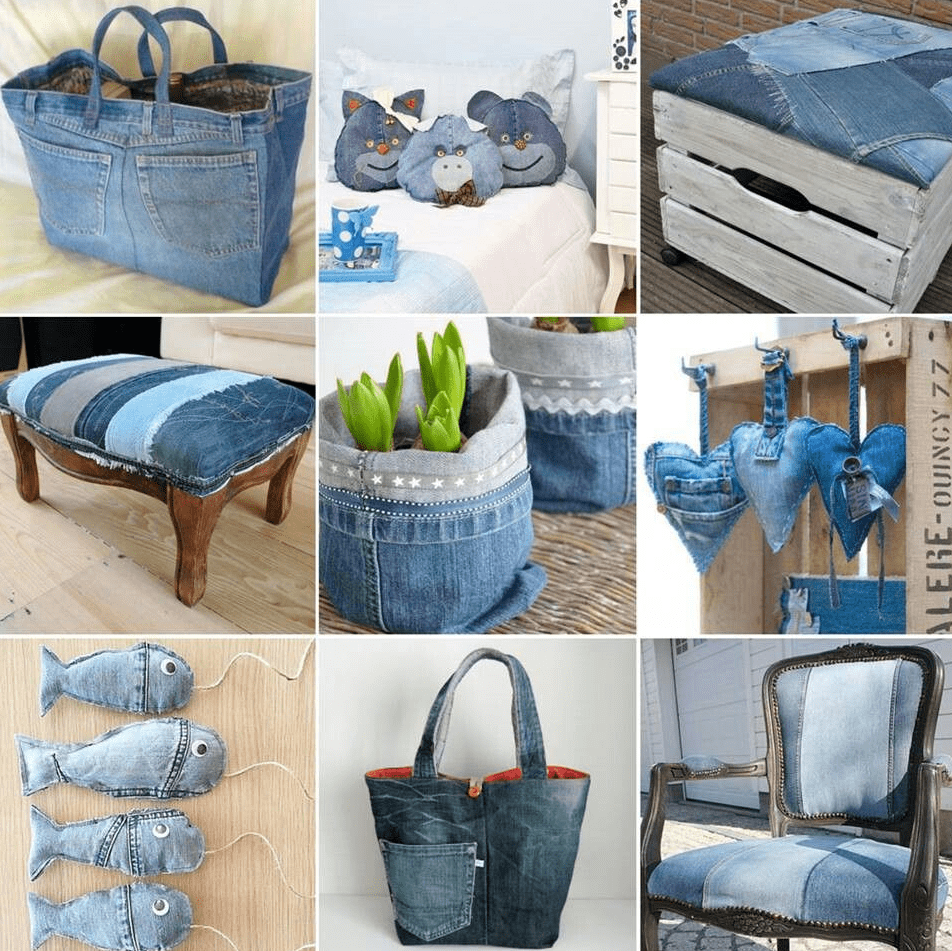
Transforming old jeans into stylish home decor and fashion accessories proves that sustainable crafting can be both chic and highly functional. Denim pillows, storage bins, table runners, and wall art bring texture and authenticity to interiors, while repurposed totes, belts, and jewelry add personality to your everyday style. The versatility and durability of denim make it one of the best fabrics for creative upcycling projects.
In my experience working with recycled textiles, the most rewarding results come when you embrace the original character of the jeans instead of trying to hide it. Faded knees, different washes, and even visible stitching can become design features rather than flaws. Planning each project to match your living space or wardrobe ensures that you will actually use and enjoy what you create.
As you explore new upcycled jeans crafts, start with small, manageable projects and gradually move onto more complex designs as your skills grow. Keep safety in mind, choose quality tools, and always prewash your fabric. Over time, you will build a collection of one-of-a-kind denim pieces that tell a story of creativity, sustainability, and personal style.

Maira Lindey is a home decor enthusiast who loves transforming ordinary spaces into warm, stylish havens. Through her writing, she shares simple, creative ideas that help people make their homes both beautiful and comfortable. Her approach combines aesthetic charm with practical solutions for everyday living.
With years of experience experimenting with colors, textures, and layouts, Maira enjoys guiding readers to express their personality through home design. She believes that even small changes can have a big impact, and she focuses on tips that are easy to implement without overwhelming the space or the budget.
Beyond decorating, Maira finds inspiration in nature, art, and everyday life. She encourages her readers to embrace creativity and make spaces that feel uniquely theirs, blending functionality with style in ways that are both inviting and livable.