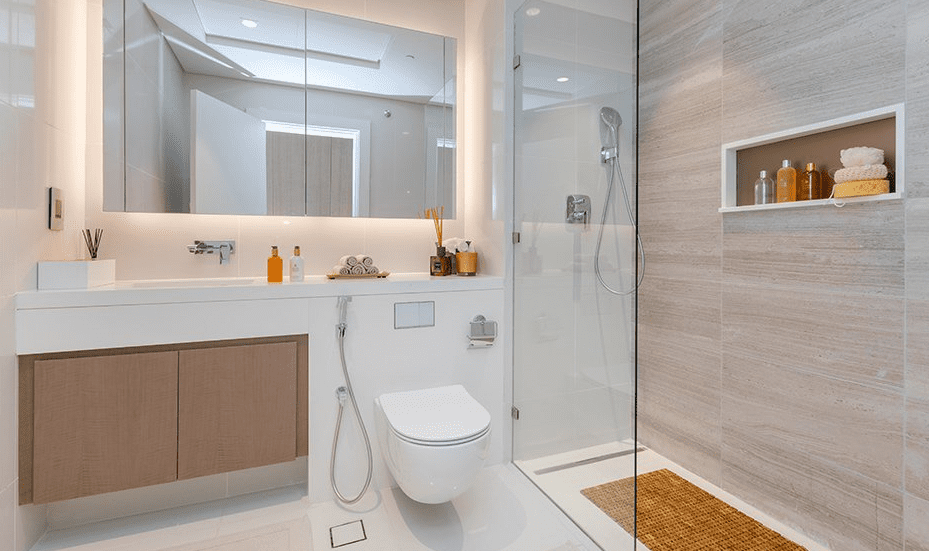
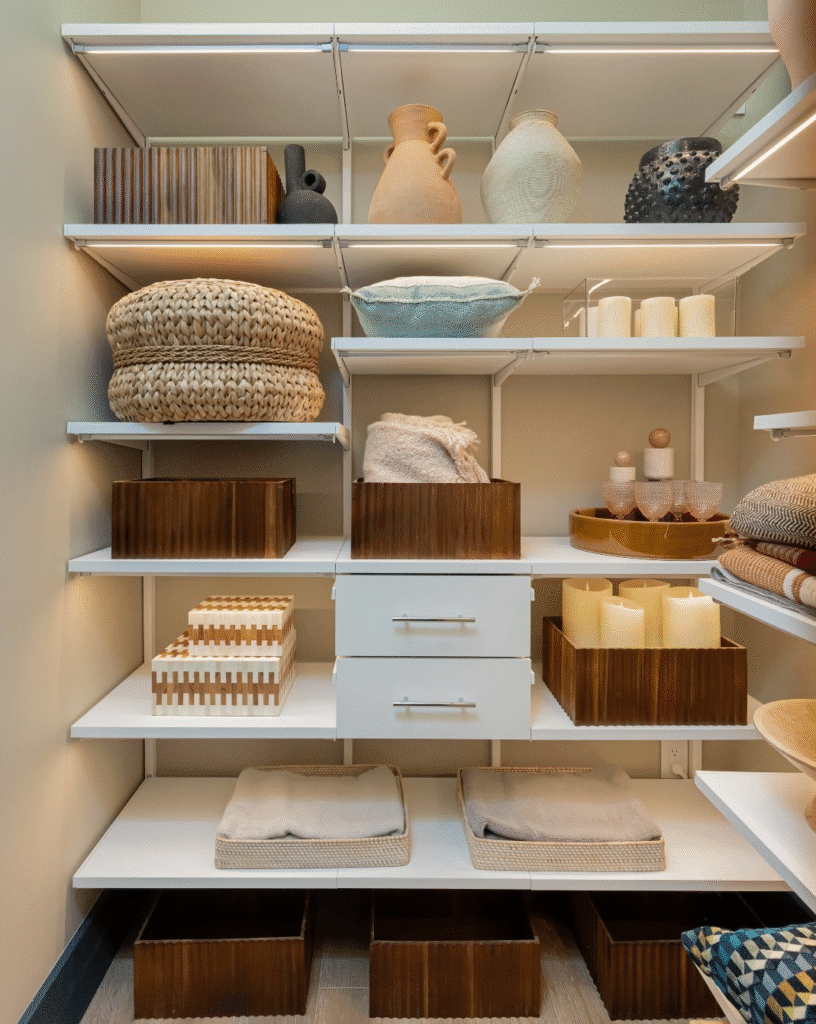
Smart linen closet ideas can quickly turn a jumbled cabinet into a calm, clutter free storage zone. This guide shares practical, real world linen closet organization hacks so your shelves look tidy and stay that way.
Simple Shelf Systems That Tame Linen Closet Chaos
A calm linen closet starts with a simple shelf system that supports how you actually live. Instead of cramming everything onto deep, overstuffed boards, think in terms of zones that keep daily essentials within easy reach. The goal is not perfection, but predictable order, so that anyone in your home can find a towel or sheet set without rummaging. In my experience working on small space projects, the closets that stay neat are the ones with clear structure built into the shelves.
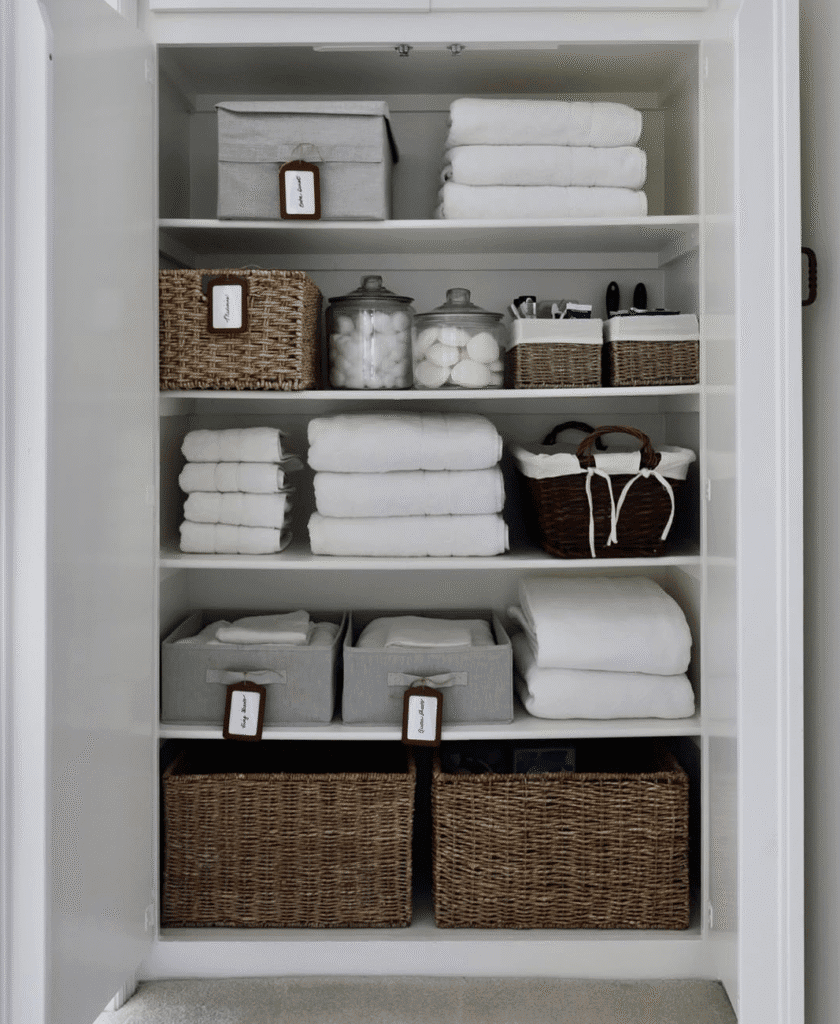
Begin by assigning every main category its own shelf or section. For most homes, that means one area for bath towels, one for bed linens, another for guest items, and a separate spot for extras like blankets. Within each zone, use vertical shelf dividers or low bins to prevent leaning stacks from collapsing. Simple acrylic or metal shelf dividers are especially helpful for keeping piles of fitted sheets and hand towels upright in narrow linen closets.
If you are installing or adjusting shelves, space them about 10 to 12 inches apart for towels and 12 to 15 inches for bulky blankets. Adjustable track systems are ideal in linen closets because they can shift as your storage needs change. From hands on work with clients, I have found that one adjustable system, combined with a few well chosen bins, usually outperforms a complex arrangement of fixed shelves and random organizers that never quite fit.
Calm Color Coding Ideas for Stress Free Linen Storage
Color coding your linen closet is a gentle yet powerful way to cut visual clutter and make daily routines faster. Rather than a rainbow of patterns and mismatched hues, aim for cohesive color stories that cue your brain where things belong. For example, you might store all guest linens in white, kids towels in a single bright color, and primary bedroom sheets in a soothing neutral. This is not about buying everything new, but about grouping what you already own so it looks more intentional.
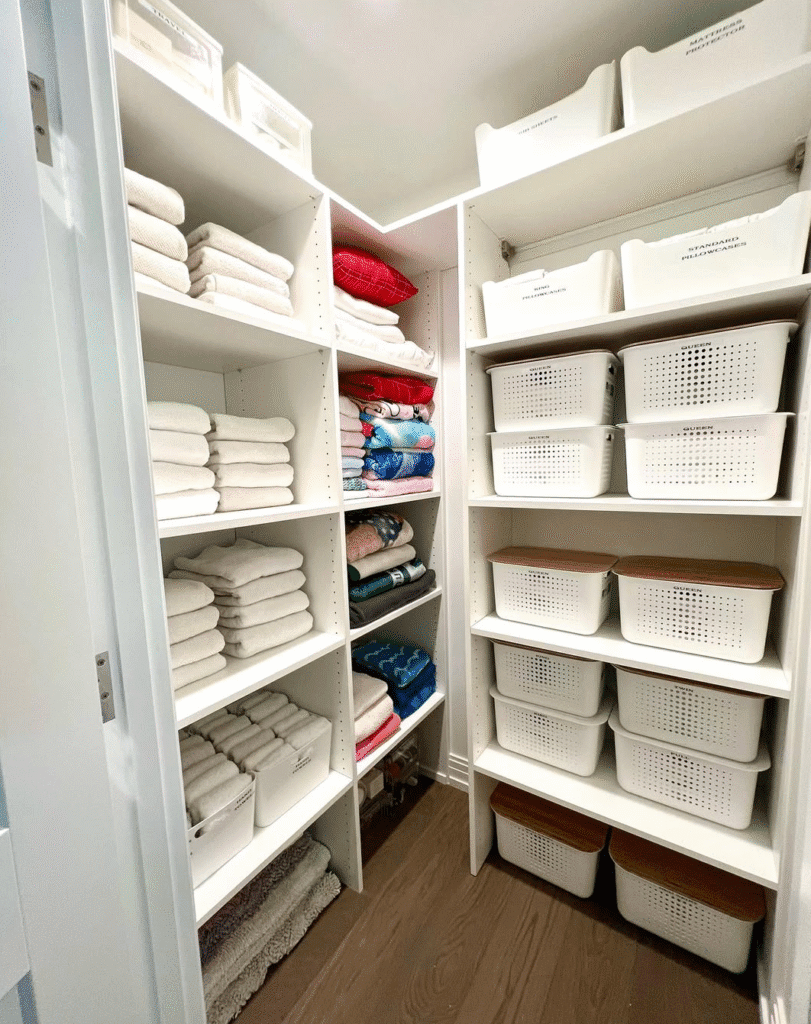
For many homes, a two or three color palette works best. Try one dominant neutral, such as white, cream, or light gray, and then add one accent color for each bedroom or bathroom. Stack items so that all visible edges face out in the same direction, which makes the color blocks look clean and calm. Based on my past work with clients, simply refolding and color grouping existing linens can reduce that messy, “too much stuff” feeling even when you own the same number of items.
You can extend color coding to your storage accessories as well. Use matching baskets, or at least baskets in coordinating tones, for backup products like soap, tissue, and toilet paper. Attach labels that match your closet color palette for a polished finish. Color coding will not organize on its own, but paired with a solid shelf system and clear categories, it can turn your linen closet into a visually soothing, low stress storage space.
Declutter First: The Essential Linen Closet Reset
Any smart linen closet makeover begins with a true reset. That means pulling everything out, grouping like items together, and questioning what actually deserves shelf space. Old, scratchy towels, worn out sheets, and lonely pillowcases that never find their set take up valuable room that could be used for essentials. In my experience working on home organizing projects, most linen closets comfortably function with 25 to 40 percent fewer items once the clutter is cleared.
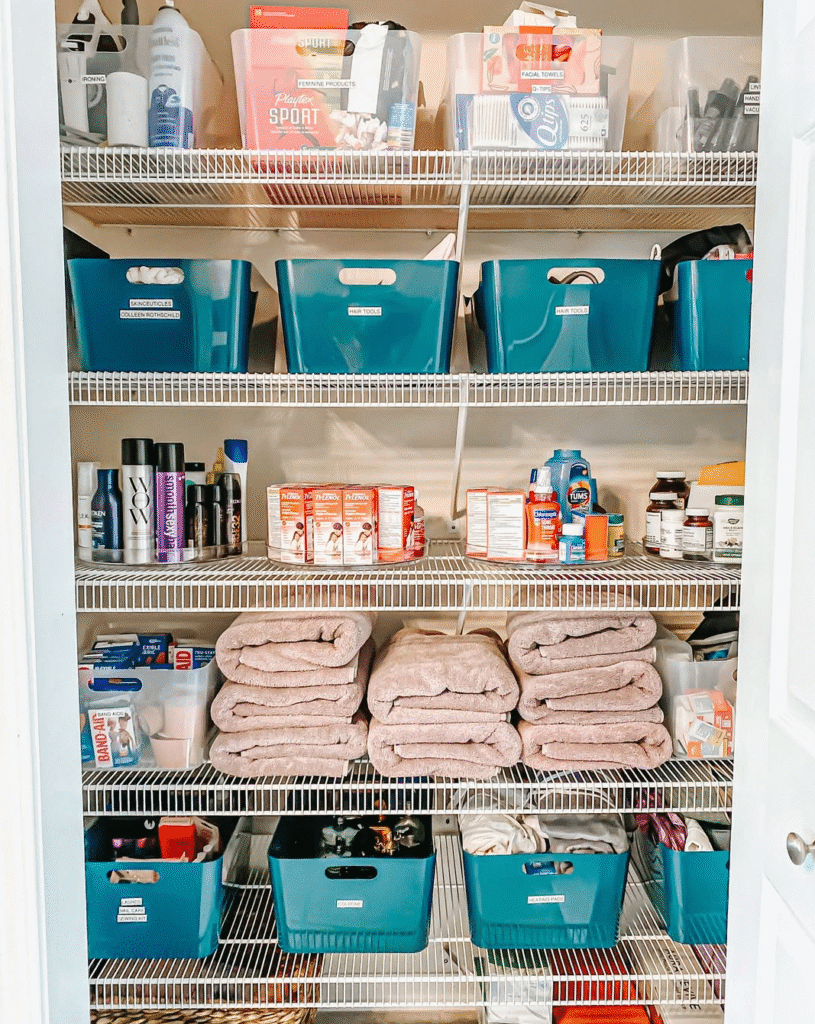
Start with simple keep guidelines so decisions are easier:
- Keep 2 to 3 sheet sets per bed, maximum
- Keep 2 to 4 bath towels per person, plus 2 to 4 for guests
- Keep a limited number of seasonal blankets or throws that you truly use
Anything stained, torn, or permanently dingy should be recycled or cut into cleaning rags if the fabric is absorbent and safe to reuse. Charities typically prefer gently used, clean linens, so check local donation guidelines before dropping items off. This step is important to avoid creating waste problems for donation centers and to ensure your clutter clearing is truly helpful.
Once you have edited everything, measure your closet interior: width, depth, and height between shelves. These measurements guide smart choices for baskets, shelf risers, and bins that actually fit. From hands on client work, I have found that buying organizers before measuring almost always leads to frustration and unused products. A thoughtful declutter and measurement session lays the foundation for every other linen closet organization hack to work as intended.
Fold, File, and Stack: Space Saving Techniques That Work
How you fold linens affects both how much you can store and how easy it is to see what you own. For towels, a simple trifold followed by one or two horizontal folds usually fits best on standard linen shelves that are 10 to 14 inches deep. Stack towels with the folded edge facing out so your closet looks visually tidy. For hand towels and washcloths, consider rolling or “file folding” them in shallow bins so you can grab one without tipping a whole stack.
Sheets are often the trickiest part of linen closet organization. A practical method is to fold the fitted sheet, flat sheet, and one pillowcase together, then tuck the bundle into the second pillowcase to create a neat “sheet packet.” Store these packets upright in a bin or basket like files, or stack them on a shelf with the pillowcase end facing out. Based on real world testing in small apartments, this approach makes it much easier for family members to grab a full set without mixing sizes or pieces.
For bulky items like comforters and off season blankets, consider using breathable cotton storage bags instead of vacuum bags unless you truly need to compress for space. Natural fibers such as cotton and linen benefit from some air circulation to reduce the risk of trapped moisture and odors. If you do use compression bags, check manufacturer instructions about how long items can safely stay compressed. From my own organizing projects, I have found that keeping one or two spare blankets accessible on the top shelf and storing deep backups elsewhere keeps the linen closet more manageable.
Smart Containers, Baskets, and Labeling Systems
Containers are the secret to linen closet shelves that stay calm and clutter free. Open bins, baskets, and clear boxes create “homes” for categories that would otherwise spread across shelves. Choose materials that suit your climate and style: woven baskets for warmth, clear plastic bins for humid areas where you want more moisture resistance, and fabric bins for lightweight items such as extra pillowcases or table linens. Always use containers that fit fully on the shelf so you do not create wasted space at the back.
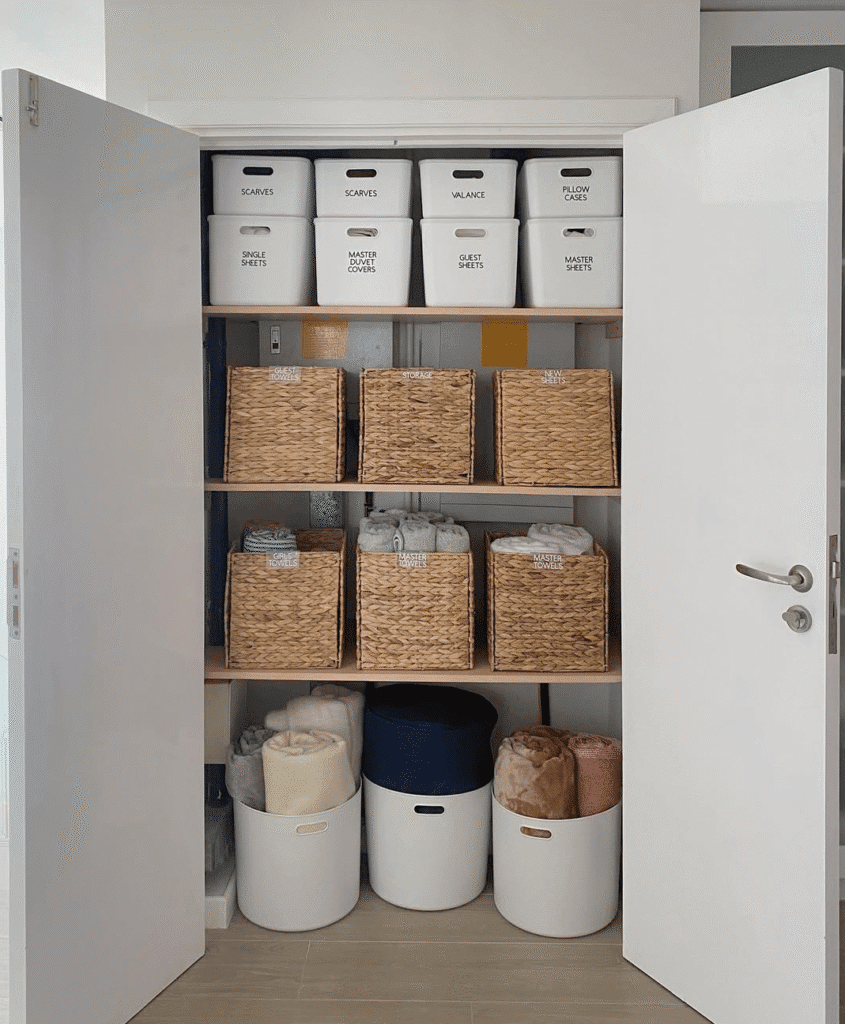
Strategic labeling turns containers into a simple, sustainable system. Labels do not have to be fancy; printed tape, clip on metal tags, or even handwritten cards in label holders work. The key is clarity. Use category labels like:
- “Queen Sheet Sets”
- “Guest Towels”
- “Kids Bath Towels”
- “Table Linens & Napkins”
- “Travel & Air Mattresses”
From hands on client work, I have seen that labeled containers significantly reduce family “where is the…” questions because everyone can understand the system at a glance. When labeling, keep terms consistent with how your household talks. If everyone calls hand towels “small towels,” use that phrase instead. A system your household naturally follows is more important than professional sounding language.
Pay attention to weight when you assign containers to shelves. Heavy items such as extra blankets and bulk toiletries should sit on lower or middle shelves to reduce strain when lifting. Reserve the highest shelves for very light or rarely used items like holiday linens or specialty tablecloths. This layout respects basic safety principles by minimizing the risk of injury from overhead lifting.
Creating Zones for Every Bedroom and Bathroom
Zoning your linen closet by bedroom and bathroom is one of the most effective organization hacks to prevent mix ups and overbuying. Instead of keeping all sheets together and all towels together, you may find it easier to group items by room, especially in multi person households. For example, assign one shelf or a clear section for the primary bedroom, one for each child’s room, and one for guest supplies. In my experience working with busy families, room based zoning dramatically cuts laundry confusion and last minute scrambling when guests arrive.
Within each zone, store complete sets and essentials together. A typical bedroom zone might include:
- 2 to 3 labeled sheet sets for that specific bed size
- Pillow protectors or spare pillowcases
- One extra blanket or throw for colder months
- A small bin for seasonal accents like heavier flannel sheets
For bathroom zones, group by use rather than by size alone. Keep bath towels, hand towels, and washcloths for each bathroom in a single zone, and consider a small “backup essentials” bin holding travel toiletries, spare toothbrushes, and tissue boxes. Based on my work with clients, people are far more likely to put laundry away correctly when they know exactly which shelf belongs to which room.
If you have limited shelf space, you can still create “virtual zones” using labeled bins. For example, place multiple bins for different bedrooms on the same shelf, and clearly label their fronts. It might feel more compact, but the separation still creates mental clarity and makes it easy to grab the right items quickly.
Maximizing Small Linen Closets and No Closet Situations
Not every home has a generous, walk in linen closet. Small, shallow, or oddly sized closets can still be highly efficient with the right strategy. Focus first on vertical space. Use stackable bins, shelf risers, and over door organizers to multiply your usable area. Slim over door racks can hold washcloths, microfiber cloths, and extra toiletries without stealing shelf space. In narrow depth closets, shallow baskets or magazine style files work better than deep bins that trap items at the back.
For homes without a dedicated linen closet, consider mixed storage solutions. A dresser in the hallway can hold sheets and pillowcases, while a lidded trunk in the bedroom can store blankets. Attractive woven baskets placed on top of wardrobes or cabinets can function as “mini linen closets” for towels. From hands on projects, I have found that decentralizing linen storage across a few predictable spots is more practical than cramming everything into an overfilled single cabinet.
When linens are stored in open or semi open areas, pay attention to dust and sunlight exposure. Prolonged direct sun can fade fabrics over time, especially darker colors and natural fibers like linen and cotton. Use lidded boxes or curtains on open shelving to protect items and keep the space visually calm. Even without a traditional linen closet, you can maintain clutter free shelves by consistently assigning specific containers and locations for each type of linen you own.
Maintenance Habits to Keep Shelves Calm All Year
An organized linen closet only stays that way with simple, repeatable habits. Fortunately, maintenance does not need to be complicated. Build a short checklist into your laundry routine, such as putting linens back into their correct zones immediately after folding and doing a quick visual check to tidy any shifting stacks. Based on real world testing with families, a 5 minute weekly straighten up is more effective than waiting months for a major reorganization.
Schedule a seasonal review every 3 to 4 months to reassess what you own. During this review:
- Remove anything that is stained beyond cleaning or worn thin
- Rotate seasonal linens, such as heavier duvets in winter and lighter quilts in summer
- Confirm that each room still has the right number of sheet sets and towels
- Revisit labels to see if any categories need adjusting
In my experience working on recurring organizing projects, these predictable touch points prevent linen closets from slipping back into chaos. They also help you catch issues early, like a missing pillowcase or a towel set that is nearing the end of its lifespan, so you can replace items gradually instead of all at once.
As part of maintenance, keep a small notepad or digital list for linen closet needs. When you notice that guest towels are wearing out or you are down to one spare sheet set for a bed, add it to the list rather than relying on memory. This habit keeps your linen storage well stocked yet controlled, supporting a calm, clutter free home environment without impulsive purchases.
Conclusion: Turning Linen Storage Into a Calm Daily Ritual
A smart linen closet is not about picture perfect stacks, but about creating calm, clutter free shelves that reliably support your daily routines. With simple systems, clear zones, and a few thoughtful habits, your linen storage can stay organized for the long term.
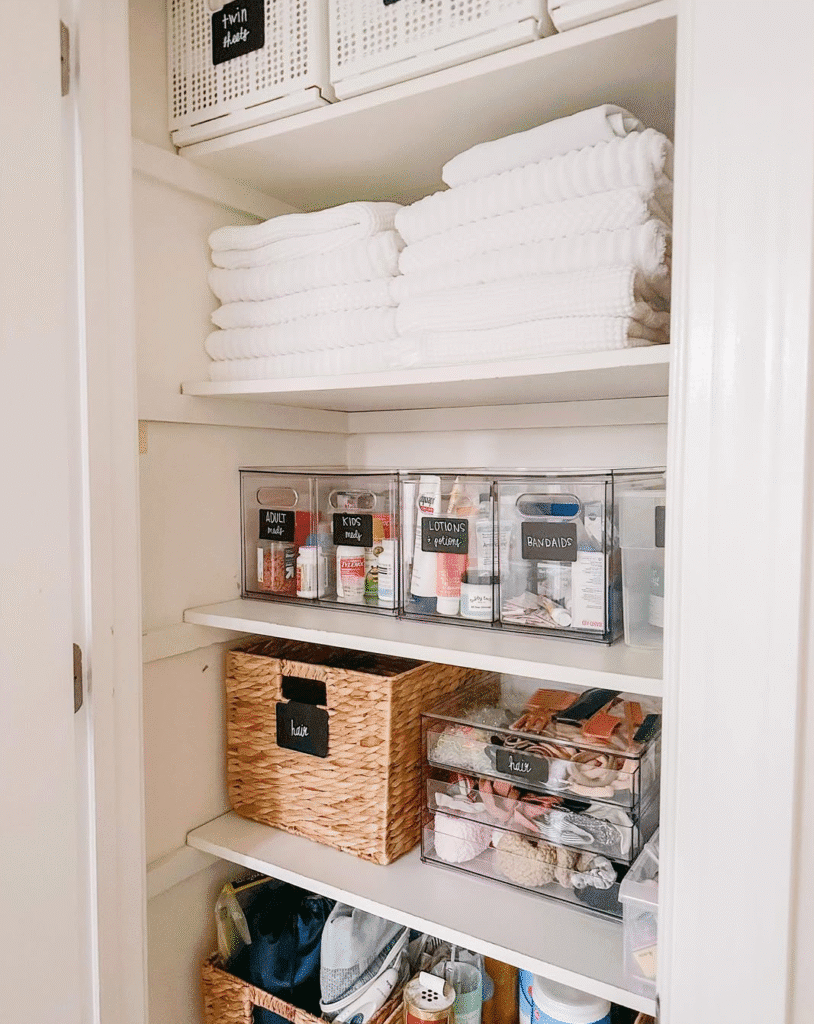
Transforming your linen closet starts with a reset, followed by structure. You declutter the excess, establish practical shelf spacing, and introduce containers, labels, and color coding that match how your household really uses linens. From hands on work with clients, I have seen these straightforward systems outperform complicated solutions because they are easy to follow, even on busy days. The combination of zones for each room, smart folding techniques, and right sized bins converts a once chaotic cabinet into a reliable storage hub.
Sustainable maintenance is what keeps the calm going. Regular quick tidy sessions, seasonal reviews, and a simple restock list protect your progress and prevent clutter from creeping back. Whether you are working with a generous walk in linen closet or a single narrow cabinet, these linen closet organization hacks can help you create a space that feels serene every time you open the door, turning an ordinary chore into a small daily moment of order and ease.

Maira Lindey is a home decor enthusiast who loves transforming ordinary spaces into warm, stylish havens. Through her writing, she shares simple, creative ideas that help people make their homes both beautiful and comfortable. Her approach combines aesthetic charm with practical solutions for everyday living.
With years of experience experimenting with colors, textures, and layouts, Maira enjoys guiding readers to express their personality through home design. She believes that even small changes can have a big impact, and she focuses on tips that are easy to implement without overwhelming the space or the budget.
Beyond decorating, Maira finds inspiration in nature, art, and everyday life. She encourages her readers to embrace creativity and make spaces that feel uniquely theirs, blending functionality with style in ways that are both inviting and livable.