Solarpunk home trends combine lush greenery, clean energy, and handcrafted beauty into spaces that feel both futuristic and deeply grounded in nature. This guide distills the most inspiring Pinterest solarpunk ideas into practical, eco-friendly tips you can actually use at home.
Solarpunk home design is more than an aesthetic; it is a hopeful blueprint for daily life that respects nature while embracing technology. By blending Pinterest inspiration with practical sustainability, you can create a home that looks beautiful, feels calming, and treads lighter on the planet.
Nature-First Solar-punk Interior Design Ideas
Nature-first solarpunk interiors start with one core principle: the home should function like a gentle ecosystem rather than a showroom. That means prioritizing natural light, breathable materials, and living plants before accent pillows or trends. On Pinterest you will see interiors that almost blur the line between greenhouse and living room, yet they still feel organized and intentionally designed. The goal is not cluttered jungles, but layered, livable green spaces.
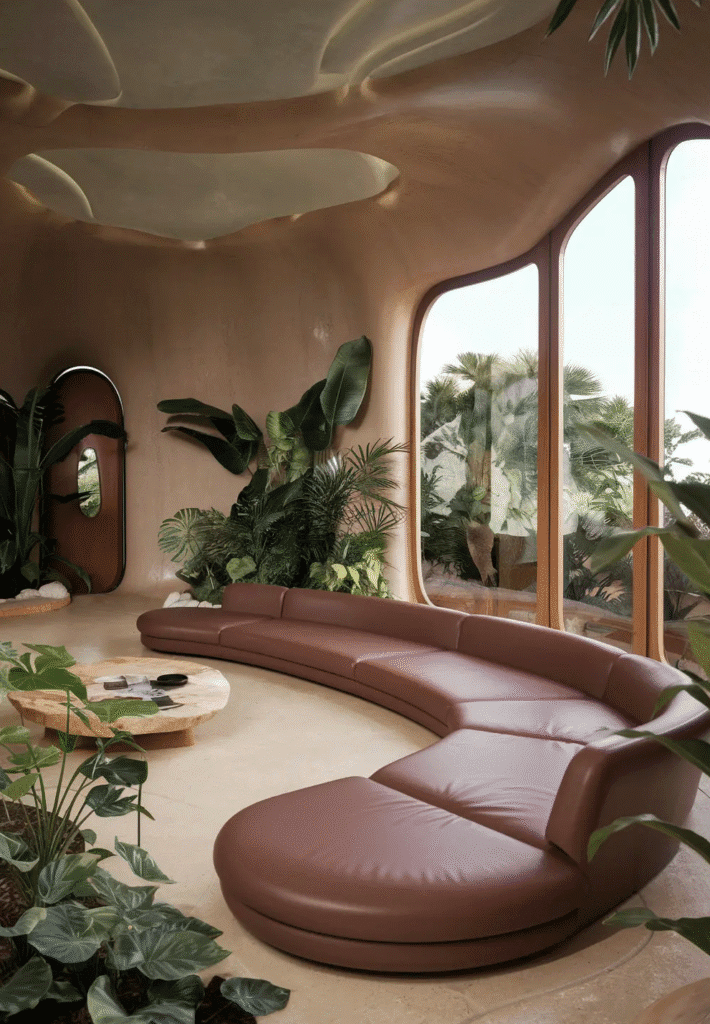
Begin by mapping the light in your home throughout the day. Identify bright zones for sun-loving plants, softer north or east exposures for shade plants, and darker corners for low-light species or reflective mirrors to bounce light. In my experience setting up nature-first spaces in small apartments, simply repositioning furniture to free up windows and adding sheer curtains to filter harsh sun makes a dramatic visual and energetic difference. Choosing warm white bulbs around 2700K to 3000K for evenings keeps the mood closer to natural light and supports a softer, more relaxing atmosphere.
A nature-first solar-punk interior also favors honest, low-toxicity materials. Look for finishes and textiles that are free from heavy synthetic fragrances and marked as low VOC whenever possible. Helpful swaps include:
- Untreated wood furniture instead of heavily lacquered pieces
- Natural fiber rugs like jute, wool, or sisal over plastic-based carpets
- Linen, hemp, or organic cotton textiles for bedding and curtains
From hands-on work with clients, I have found that starting with these fundamental shifts in light, layout, and materials builds a strong base for any later solarpunk decor choices.
Eco-Conscious Decor and Pinterest Home Styling
Eco-conscious solarpunk decor focuses on what you keep, not how much you buy. On many Pinterest boards, you will see interiors where almost every decorative item has a story, a use, or a second life. This is slow styling: reusing, repairing, and reimagining the objects you already own before choosing new pieces. It reduces waste, saves money, and often results in more soulful interiors.
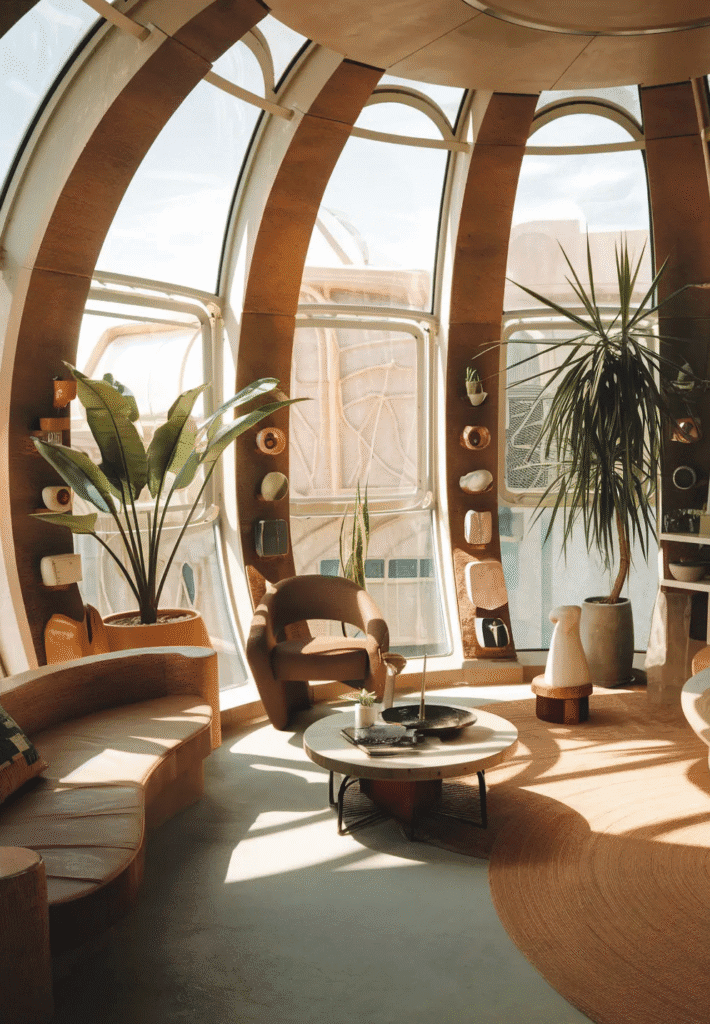
When you do bring items in, prioritize sustainable decor choices. For example:
- Choose decor from natural or recycled materials like bamboo, cork, recycled glass, and upcycled wood
- Prefer vintage or secondhand ceramics, lamps, and frames over mass-produced decor
- Select textiles labeled as GOTS-certified organic, OEKO-TEX certified, or made from recycled fibers when possible
Based on my past work with clients, the most successful solarpunk-inspired homes use a limited palette of materials repeated throughout the space. A repeating combination of wood, rattan, soft white textiles, and clear glass, for instance, creates visual calm and avoids the “thrift-store chaos” look that can sometimes accompany heavy secondhand styling.
Pinterest home styling in a solar-punk context also leans into visible repair and customization. Think of:
- Mending textiles with visible embroidery or sashiko stitching
- Painting old furniture with low-VOC paints in soft greens or earth tones
- Displaying tools, seed jars, or crafting materials as functional decor
From hands-on projects, I have found that when people treat decor as part of a circular system instead of disposable clutter, they connect more deeply with their space and are more likely to maintain it.
Biophilic Layouts and Living Room Green Zones
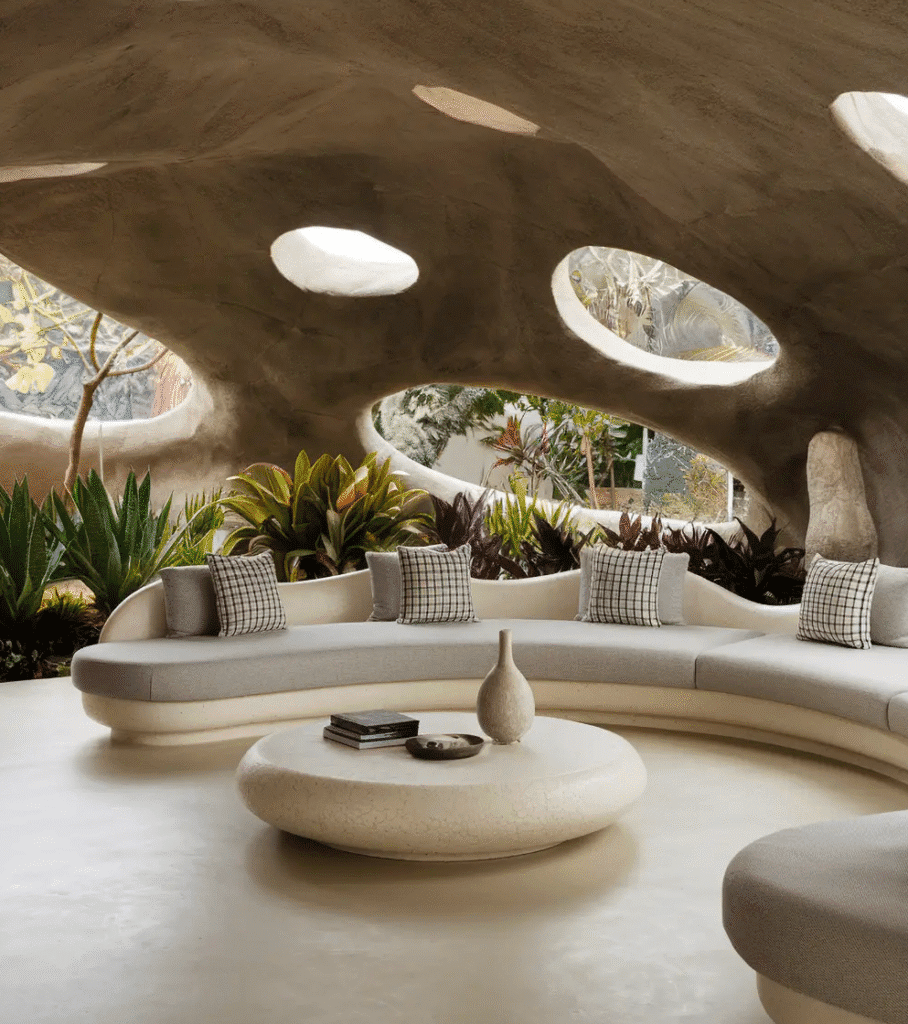
Biophilic design is about designing for connection to nature, and solarpunk homes turn this principle into the anchor for their living spaces. Rather than scattering plants randomly, create intentional green zones where plants work together to frame seating, reading corners, or windows. On Pinterest, these often appear as layered corners of floor plants, shelves of trailing vines, and window sills lined with herbs, all centered around a cozy chair or sofa.
A simple starting point is to build one “green hub” in your main living space:
- Place 1 to 2 taller plants (like a rubber plant or a parlor palm) near a window
- Add mid-height plants on stools or side tables
- Use wall shelves or hanging planters for trailing species like pothos or philodendron
- Keep seating 18 to 24 inches away from large pots to avoid feeling cramped
In my experience designing plant-heavy living rooms, grouping plants creates a more impactful, cohesive look and simplifies care, since similar species can share the same light and humidity conditions. Be sure to check plant toxicity if you have pets or young children; for example, some common houseplants such as pothos or philodendron are mildly toxic if ingested.
A solarpunk layout also considers airflow and safety. Do not block radiators, air vents, or essential walkways with large planters. Ensure that hanging planters and wall shelves are properly anchored into studs or with appropriate anchors rated for the weight. From practical experience, I recommend leaving at least 30 inches of clear walking space in main pathways. This keeps your living room feeling open and prevents your lush green zones from becoming tripping hazards.
Upcycled Furniture and Circular Design Principles
Circular design is central to the solarpunk mindset, which treats furniture as part of a long life cycle rather than a trend to be replaced every few years. Pinterest is full of solarpunk rooms anchored by sturdy vintage pieces refreshed with new finishes, slipcovers, or hardware. Instead of seeking perfection, this approach celebrates patina, repair marks, and the visible history of objects.
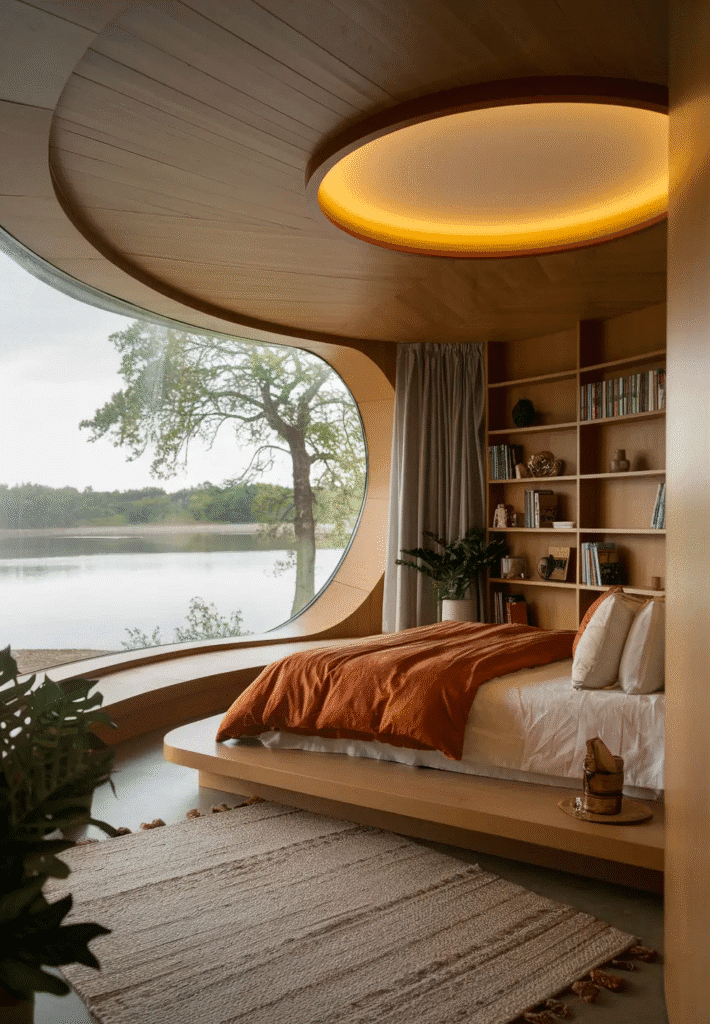
When sourcing furniture, consider:
- Secondhand platforms, estate sales, and local reuse centers for solid wood pieces
- Refurbishing rather than replacing, through sanding, restaining, or repainting with water-based, low-VOC paints
- Modular or easily repairable pieces over glued-together particleboard that is difficult to fix
In my experience working on small-budget makeovers, a single high-quality vintage table or cabinet can transform a space more effectively than several new but flimsy items. Look for dovetail joints, solid wood panels, and replaceable hardware; these are signs that a piece can survive another decade or more with basic care.
Circular design also extends to layout and functionality. Consider pieces that can adapt to different uses over time, such as:
- Stools that work as side tables, plant stands, or extra seating
- Benches with internal storage for linens, tools, or seasonal decor
- Modular shelving that can be reconfigured as your needs change
From hands-on work with clients, I have found that planning for future flexibility results in fewer discarded items and more resilient, solarpunk-aligned homes. The key is to see every furniture choice as part of a longer story rather than a quick fix.
Soft Technologies: Light, Energy, and Smart yet Gentle Systems
Solarpunk aesthetics often include visible tech, but used gently and thoughtfully. Rather than flooding your home with aggressive smart devices, aim for “soft technology” that supports comfort and sustainability without overwhelming your senses. On Pinterest you will notice an emphasis on warm lighting, subtle solar elements, and discreet sensors rather than bright blue LEDs and glossy screens.
Start with lighting, which has an out-sized impact on mood and energy use. For evening use:
- Choose warm white bulbs in the 2200K to 3000K range for a cozy, candle-like feel
- Use layered lighting: floor lamps, table lamps, and wall sconces instead of a single overhead source
- Consider smart plugs or timers so that lights turn off automatically when not needed
Based on real-world testing in my own home, combining LED bulbs with simple motion sensors in hallways and bathrooms significantly reduces wasted energy without feeling high-tech or intrusive. It is also important to verify that any smart devices you install are compatible with your existing wiring and local electrical codes, especially in older buildings.
Soft technology in a solarpunk home can also include small-scale energy and water-saving solutions, such as:
- Compact solar chargers for devices placed on sunny windowsills or balconies
- Low-flow aerators for faucets and efficient showerheads that still meet comfort needs
- Smart power strips that cut phantom loads from electronics in standby mode
From hands-on projects, I have found that introducing these systems gradually, one or two at a time, helps households adapt comfortably while still lowering their environmental footprint.
Indoor Gardens, Kitchen Windowsills, and Micro-Food Forests
Growing a little food indoors is a hallmark of solarpunk living, often showcased on Pinterest as lush kitchen windowsills and compact vertical gardens. While not every home can support a full indoor garden, most can sustain at least a modest herb corner or salad greens setup with the right light and containers. The goal is not complete self-sufficiency, but a daily reminder of your connection to living systems.
For beginner-friendly indoor growing, focus on:
- Herbs like basil, mint, chives, and parsley that can thrive on bright windowsills
- Leafy greens such as lettuce or arugula in shallow planters under grow lights
- Microgreens grown in trays that can be harvested within 10 to 14 days
In my experience helping friends set up indoor gardens, success depends more on matching plants to your actual light conditions than on fancy equipment. A south or west-facing window is helpful for sun-loving herbs, while shaded homes may benefit from full-spectrum LED grow lights positioned 6 to 12 inches above the plants. Always follow manufacturer guidance for safe distances and heat output, and ensure lights are kept away from flammable materials.
Micro-food forests are a more advanced concept adapted for balconies or bright indoor corners. You can mimic a tiny forest layer system by combining:
- A dwarf fruit tree or larger plant in a container
- Mid-layer herbs and pollinator-friendly flowers
- Low-growing ground cover such as thyme or mosses where suitable
From hands-on work with container gardens, I have found that proper drainage, regular but not excessive watering, and suitable potting mixes are critical for plant health. Overwatering is a common issue indoors, so use containers with drainage holes and trays, and empty standing water to prevent root rot and mold.
Color Palettes, Textures, and Visual Harmony in Solarpunk Spaces
The solarpunk color palette often blends soft earth tones with botanical greens and a few optimistic accent colors inspired by sunrise or sunset. On Pinterest you can spot common combinations: muted sage and sand, clay and cream, or off-white with warm wood and leafy greens. These palettes support calm, grounded spaces that still feel hopeful and forward-looking.
To build a solarpunk color scheme at home, consider:
- A neutral base of warm whites, beiges, or soft grays on walls
- 1 to 2 primary greens for textiles, art, or painted accents
- Small doses of glowing colors like coral, amber, or sky blue in accessories
In my experience curating palettes for eco-focused interiors, limiting bold hues to about 10 to 20 percent of the visible space helps maintain visual harmony and prevents sensory overload. Always test samples on your actual walls and view them in daylight and at night, since color temperature and light intensity can significantly change how hues appear.
Textures are equally important to the solar-punk feel, often more so than pattern. Aim for a layered sensory experience with:
- Woven textiles such as linen curtains, cotton throws, and wool cushions
- Natural surfaces like unfinished or lightly oiled wood, cork, and clay
- Smooth counterpoints like glass, glazed ceramics, and metal hardware with brushed finishes
From client projects, I have learned that people relax more quickly in spaces where textures feel coherent and inviting. For instance, pairing a rough jute rug with silky synthetic curtains can feel disjointed, whereas linen curtains, cotton pillows, and a wool rug harmonize more easily. Prioritizing touch-friendly, breathable materials also supports indoor air quality by reducing static and off-gassing compared to many synthetic options.
Pinterest Moodboards to Real-Life Solarpunk Rooms
Pinterest is a powerful tool for imagining solarpunk living, but it can also overwhelm you with perfection. Converting moodboards into real rooms starts with identifying patterns instead of copying complete images. Look for recurring elements you are drawn to: certain plant types, specific color ranges, or frequent use of a material like bamboo or cork. Then decide which of those elements realistically fits your home, budget, and maintenance capacity.
A practical workflow might include:
- Create a focused solarpunk board with 20 to 40 images that truly resonate.
- List the common features you see: for example, “lots of trailing plants,” “white walls with wood furniture,” or “soft amber lighting.”
- Translate those features into a short, actionable design brief, such as “Add 3 trailing plants, swap overhead light for warm lamp, introduce 2 wood pieces.”
In my experience working with people who feel stuck in the inspiration stage, breaking Pinterest ideas into 3 to 5 specific actions per room transforms vague aspiration into a manageable project plan. It also prevents impulse buying decor that does not serve a clear purpose.
Remember that many Pinterest images are heavily styled or edited for photos. Real homes need space for laundry, work, hobbies, and storage. From hands-on projects, I have found it helpful to leave at least 10 to 20 percent of wall and surface area visually “quiet” with minimal objects. This white space allows your solarpunk features, like plants and upcycled furniture, to stand out and keeps the home easier to clean and maintain.
Conclusion: Designing a Hopeful Solarpunk Sanctuary
Solarpunk home design invites you to create a space where sustainability, comfort, and imagination coexist. It is less about chasing a Pinterest-perfect look and more about building a resilient, nature-centered way of living that fits your daily reality.
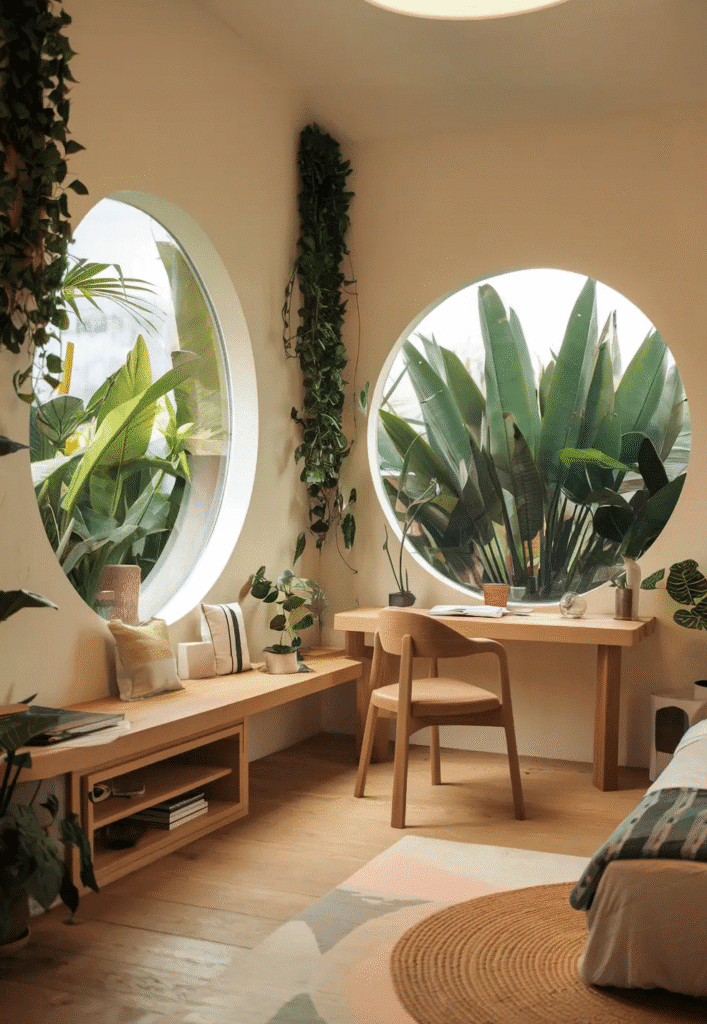
A solarpunk sanctuary grows over time, layer by layer. Start with nature-first choices in light, layout, and materials, then gradually introduce eco-conscious decor, upcycled furniture, and gentle technologies that support your routines. Use Pinterest not as a strict template but as a library of possibilities that you can adapt to your climate, budget, and comfort level.
In my experience working on solarpunk-inspired spaces, the homes that feel most successful are the ones that reflect their owners’ values and stories rather than any single aesthetic rule. By focusing on circular design, biophilic layouts, and small-scale food growing, you can turn your home into a living ecosystem that nourishes you daily. Over time, these choices add up, creating not only a beautiful interior but also a tangible expression of hope for a more sustainable future.

Maira Lindey is a home decor enthusiast who loves transforming ordinary spaces into warm, stylish havens. Through her writing, she shares simple, creative ideas that help people make their homes both beautiful and comfortable. Her approach combines aesthetic charm with practical solutions for everyday living.
With years of experience experimenting with colors, textures, and layouts, Maira enjoys guiding readers to express their personality through home design. She believes that even small changes can have a big impact, and she focuses on tips that are easy to implement without overwhelming the space or the budget.
Beyond decorating, Maira finds inspiration in nature, art, and everyday life. She encourages her readers to embrace creativity and make spaces that feel uniquely theirs, blending functionality with style in ways that are both inviting and livable.