Stylish low cost picture frames can make a modern wall feel curated, intentional, and designer, even when you are working with a tight budget. This article shares practical, real-world strategies that keep your framing costs low while making your home look like a professionally styled space.
Budget-Friendly Frames That Still Look Designer
Creating a designer look with budget-friendly frames starts with choosing the right materials. Affordable frames in MDF, composite wood, or aluminum can mimic the look of high-end hardwood or steel when finished with clean, matte paints. Retailers often use the same standard sizes across collections, which means you can mix frames from different stores without it looking mismatched, as long as you stay consistent with color and finish. In my experience working on rental-friendly makeovers, a consistent color palette does more for a designer vibe than an expensive frame material.
Another powerful trick for stylish walls is to use standard photo and poster sizes. Custom framing is usually the most expensive part of displaying art, not the print itself. Sticking to common dimensions such as 8 × 10, 11 × 14, 12 × 16, 16 × 20, and 24 × 36 inches allows you to buy ready-made frames from budget sources, then invest slightly more in quality mats or prints. From hands-on work with clients, I have found that a $15 frame with a crisp white mat often looks more elevated than a $60 frame with no mat at all. The visual structure that a mat provides creates an instant gallery feel.
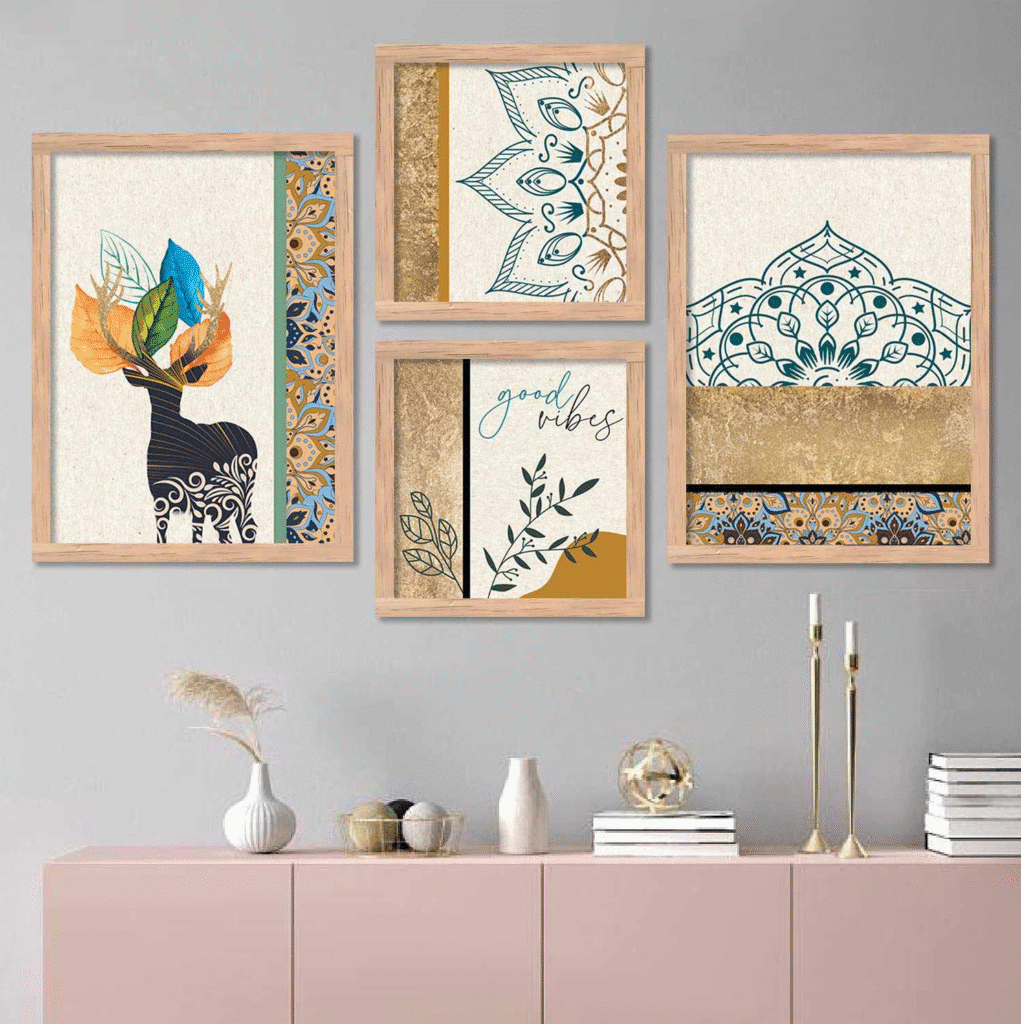
To enhance a modern home, avoid overly ornate frame styles and aim for simplicity. Slim profiles, flat faces, and matte finishes feel more architectural and less decorative, which suits contemporary interiors. For a cohesive look, choose two finishes at most, such as black and light oak, and repeat them across a full wall. Some practical low-cost sources include:
- Big-box retailers during seasonal sales
- Secondhand and thrift stores with frames that can be repainted
- Online marketplaces with multi-packs of standard-size frames
Based on real-world testing, I recommend checking frame corners in person whenever possible. Tight, clean corners and glass that sits flat against the frame signal a budget frame that will still look designer once it is on the wall.
Simple Frame Styles That Elevate Modern Walls
Minimalist frames are a natural fit for modern interiors because they do not compete with the artwork. Simple black, white, or wood-look frames with straight edges help your prints stand out as the main event. Even when you are buying low cost frames, this minimalist direction tends to look intentional, not cheap, because the shapes are so clean. In my experience styling apartments and condos, narrow-profile frames around 0.5 to 0.75 inches wide usually strike the best balance between presence and subtlety.
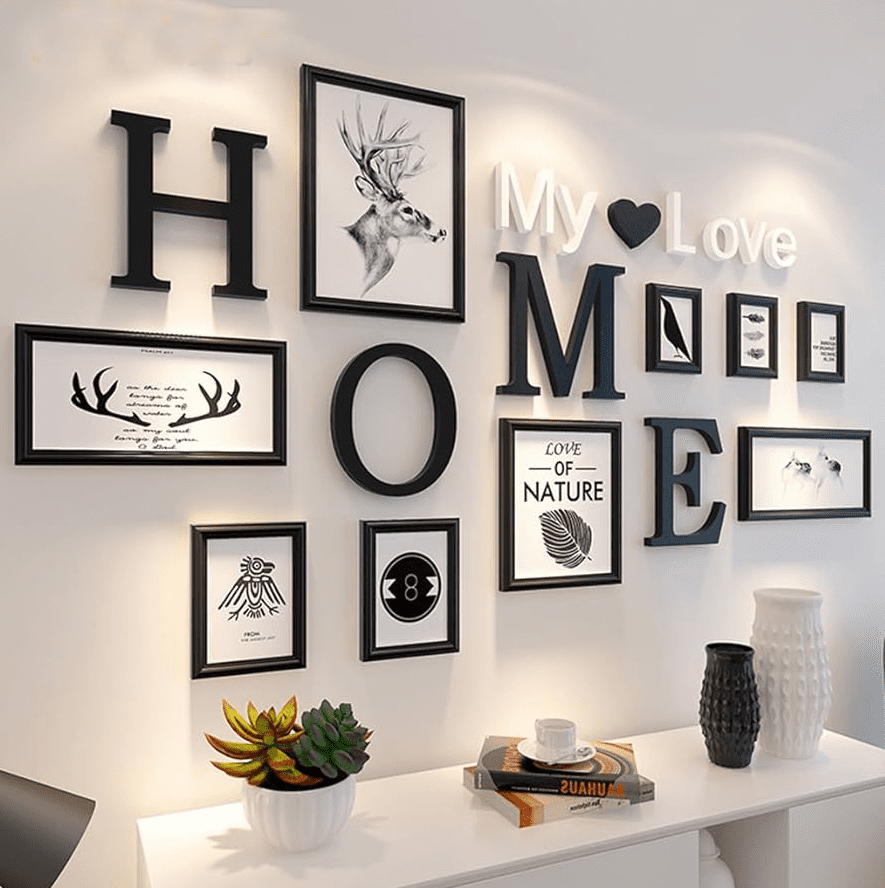
A powerful, low cost tactic is to create a “series” effect. Rather than buying one expensive frame, purchase three or more affordable frames in the same size and color, then fill them with related images. This could be black and white city photos, botanical sketches, minimalist line drawings, or even high-resolution phone photos you printed cheaply. From hands-on projects, I have found that repeated frames arranged in a line or grid automatically signal to the eye that the display was carefully designed. Uniform spacing of about 2 to 3 inches between frames keeps the layout feeling modern and airy.
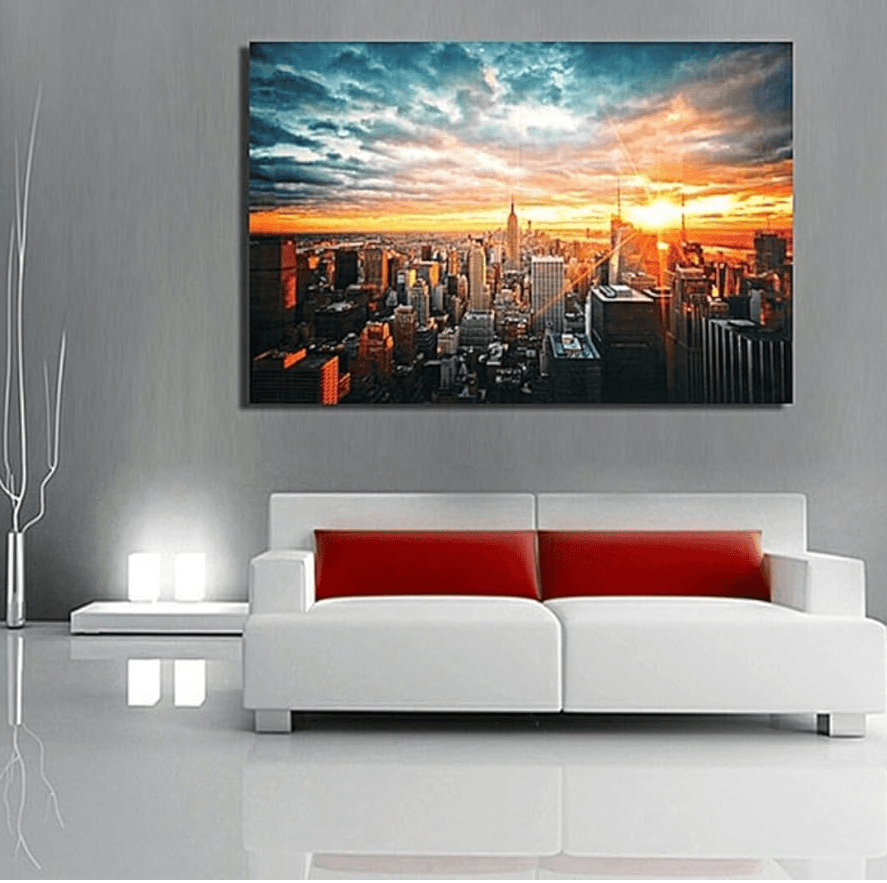
Floating frames and frame-less styles, such as clip frames, can also be stylish when used thoughtfully. Acrylic or glass “float” frames showcase the wall color around the art, which feels sophisticated in contemporary rooms. Clip frames, where the glass is held by metal clips without a full frame, can look clean and modern for posters or graphic prints, particularly in offices or creative studios. To avoid a dorm-room feel, limit clip frames to a single wall and keep the artwork itself graphic and high quality. Based on my past work with clients, mixing too many different frame-less systems in one space can look disjointed, so choose one simple style and repeat it for impact.
Smart Sourcing Strategies For Low Cost Picture Frames
Smart sourcing is the key to low cost frames that still look chic on modern walls. Start by watching for clearance and seasonal rotations at big-box stores, where last season’s frame finishes are heavily discounted even though they still look timeless in most homes. For example, a frame line that a retailer labels as “out of season” might simply have a slightly different wood stain, but the overall form and quality are unchanged. In my experience working on budget-conscious design projects, these clearance frames often become the best-value staples for gallery walls.
Thrift stores, flea markets, and online resale platforms are gold mines for solid wood frames at very low prices. The artwork inside may not be your style, but the frame itself can usually be reused. When buying secondhand frames, check for:
- Sturdy backing that can support new art
- Glass or acrylic without deep scratches or cracks
- Frame corners that are not separating
- Sizes that correspond to common photo or print sizes
From hands-on work with clients, I have found that simple sanding and spray painting can transform a dated wood frame into a sleek black or white modern piece in under an hour. Just be sure to work in a well-ventilated area and follow the safety instructions on spray paint labels.
Online multi-packs of frames are another efficient way to stay within a tight budget. Many sets offer 4, 6, or 10 frames that match in color and style, which is ideal for a cohesive gallery wall. When comparing options, look for:
- Real glass instead of low-grade plastic, if possible
- Included mats, which often add far more polish than they cost
- Standardized hanging hardware that is easy to install
Based on real-world testing, I advise reading user reviews to check for comments about fragile glass, chipping finishes, or warped backing boards. A slightly higher price for a better-reviewed pack often saves time and frustration compared to replacing broken or flimsy frames later.
Gallery Walls On A Budget That Look Curated
A well-planned gallery wall can make inexpensive frames look like a custom art installation. Start by defining a clear visual theme: color palette, subject matter, or medium. For example, you might choose “muted earth tones,” “black and white photography,” or “abstract line drawings.” In my experience, a defined theme is what makes a gallery wall feel curated, even if half the prints came from a printer at home.
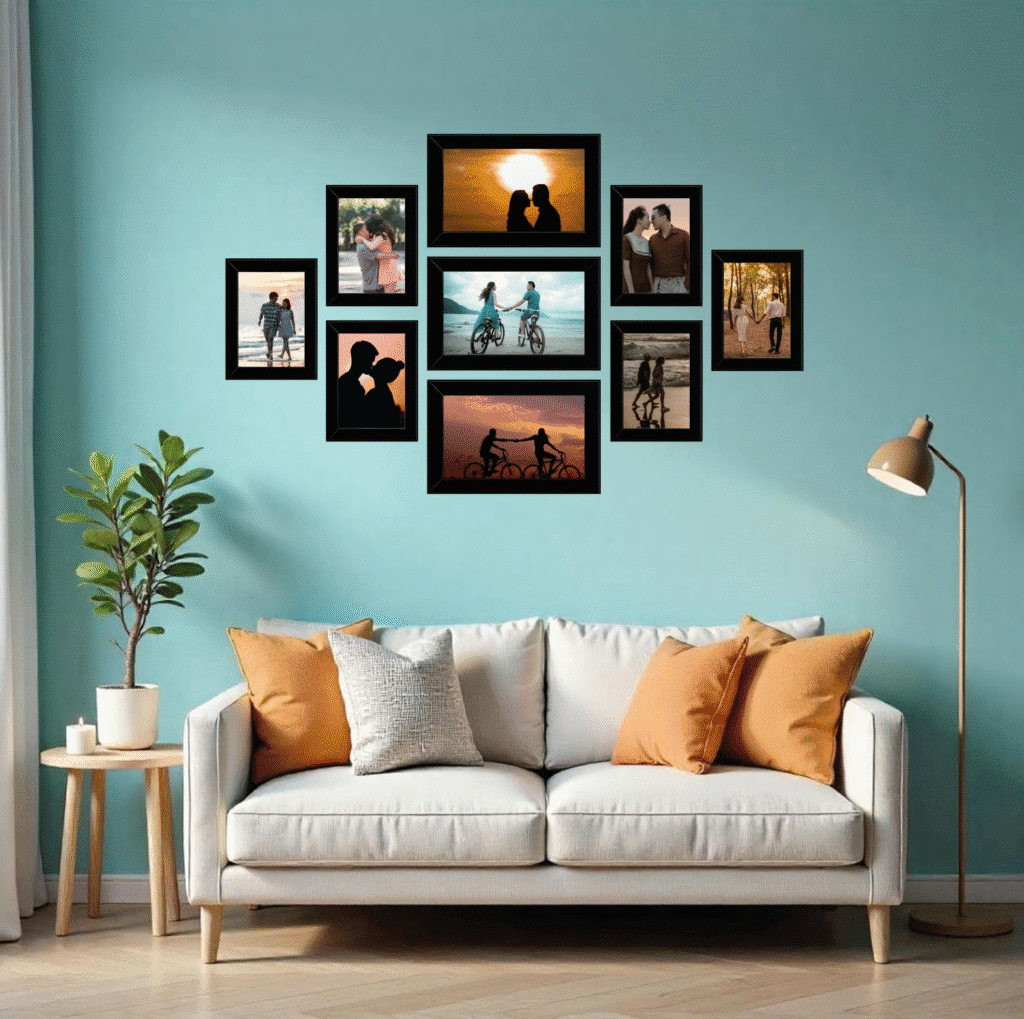
Planning the layout on the floor before drilling into the wall is a low-cost but high-impact step. Arrange your frames on the floor to explore different configurations:
- Symmetrical grid layouts for a clean, modern look
- Organic, salon-style layouts with mixed sizes
- Linear rows above a sofa, bed, or console table
From hands-on projects, I recommend leaving consistent spacing between frames, typically 1.5 to 3 inches depending on the size of the wall and frames. Use painter’s tape on the wall to mark key frame edges and to visualize the arrangement before adding any hardware. This simple, inexpensive step prevents multiple unnecessary holes and helps the final layout feel precise.
Hanging height matters as much as the frames themselves. The center of the overall gallery should generally be around 57 to 60 inches from the floor, which aligns with average eye level. When placing a gallery above furniture, keep the lowest frames roughly 6 to 10 inches above the top of the sofa or console. Based on my past work with clients, gallery walls that float too high or too low tend to feel less intentional, which can undermine the designer effect you worked so hard to create. A simple measuring tape and level are inexpensive tools that significantly elevate the overall result.
Using Mats And Borders To Make Cheap Prints Look Luxe
Mats are one of the most effective ways to make low cost frames and prints look more expensive. A mat creates breathing room around art, draws the eye inward, and gives even a budget print the feeling of a gallery piece. Standard white mats are the most versatile for modern walls, especially in minimalist or Scandinavian-inspired spaces, while black mats can create drama around photographs or graphic typography. In my experience, a 2 to 3 inch mat border works well for most medium-sized pieces, with larger art sometimes benefiting from a 3 to 4 inch mat.
You do not always need custom mats to achieve this effect. Many ready-made frames include precut mats that fit typical photo sizes, which helps control cost. If your print is slightly smaller than the mat opening, it is often possible to center it carefully and secure it on the back with acid-free tape. Based on real-world testing, I recommend choosing mats labeled as acid-free if you want your images to stay in good condition over time. Acidic materials can cause yellowing and deterioration, particularly with photographs and delicate prints.
Creative matting tricks can stretch your budget even further:
- Use oversized mats in simple frames for a gallery-grade look
- Double-mat special pieces with a thin inner mat in a contrasting color
- Cut plain white cardstock to use as a makeshift mat for small prints
From hands-on work with clients, I have found that a basic poster in a large frame with a wide white mat often becomes a room’s focal point, even though the total cost is relatively low. The mat visually upgrades the art and reinforces a modern, refined style on your walls.
DIY Upgrades That Transform Basic Frames
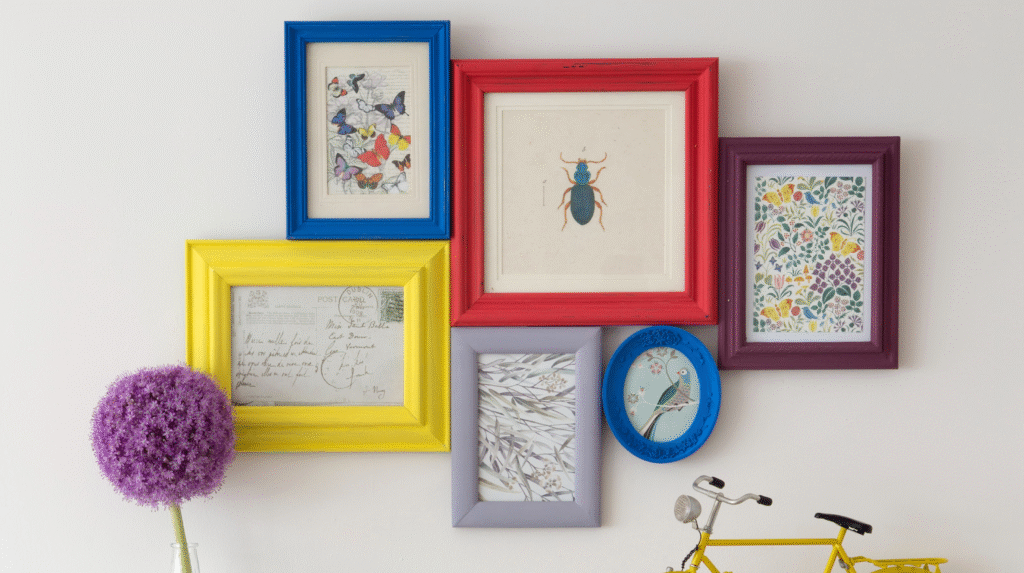
Low cost frames often benefit from a few simple DIY upgrades that add personality and polish. One straightforward improvement is repainting frames in a cohesive color scheme. Using quality spray paint or brush-on enamel, you can transform a mix of thrifted frames into a unified gallery. In my experience, matte black, soft white, and warm greige finishes suit most modern interiors and help a wall look edited and intentional.
You can also replace flimsy frame backings with sturdier materials. Some inexpensive frames come with thin cardboard that warps over time. Swapping this for a cut piece of foam board or thicker backing can help your art sit flat and look more professional. For larger frames, especially those over 16 × 20 inches, consider adding two hanging points along the top edge so the frame does not tilt. Based on real-world testing, this simple step reduces ongoing adjustments and keeps a gallery wall looking tidy. When working with tools like craft knives or saws, use appropriate safety gear and follow manufacturer guidance to avoid injuries.
Subtle decorative touches can add a designer feel without overwhelming modern walls:
- Add brass or black corner brackets for a “custom” hardware accent
- Install picture lights above a small series of frames for gallery-style lighting
- Line the inside edge of a frame with metallic tape for a thin, luxe accent
From hands-on projects, I have found that restraint is important. Limit embellishments to one or two details so frames remain clean and contemporary. Over-decorating can shift the look away from modern and make walls feel cluttered.
Choosing Art And Photos That Suit Modern, Low Cost Frames
Even the most stylish low cost frames need the right art to look their best. For modern walls, simple, bold images often read as more expensive than busy or low-resolution prints. Abstract artworks, monochrome photography, line art, and graphic typography pair especially well with minimalist frames. In my experience advising clients, using fewer colors with higher contrast tends to make prints feel more intentional and cohesive.
Affordable sources for art include printable downloads, public domain images, postcards, and your own photography. Many reputable online platforms offer high-resolution digital downloads specifically formatted for standard frame sizes, which helps avoid pixelated prints. Based on real-world testing, I suggest printing on heavyweight matte paper or semi-gloss photo paper with at least 200 gsm for durability and better color. Lighter weight papers may curl inside the frame over time, especially in rooms with changing humidity.
Curate your walls to tell a story rather than just filling space. You can group frames around themes like travel memories, architecture, nature, or family milestones. Some helpful guidelines:
- Stick to 2 or 3 primary colors across an entire wall
- Mix small and medium pieces, reserving very large art for key focal points
- Repeat similar visual elements, such as circles, lines, or horizon shapes
From hands-on work with clients, I have found that this kind of visual continuity makes low cost frames feel like part of a deliberate design narrative, rather than random décor. The result is a modern, stylish wall that feels personal and cohesive.
Conclusion
Stylish, low cost picture frames can completely transform modern walls when you pair smart sourcing with thoughtful design choices. With a bit of planning and a few simple upgrades, even the most affordable frames can support a polished, gallery-worthy look at home.
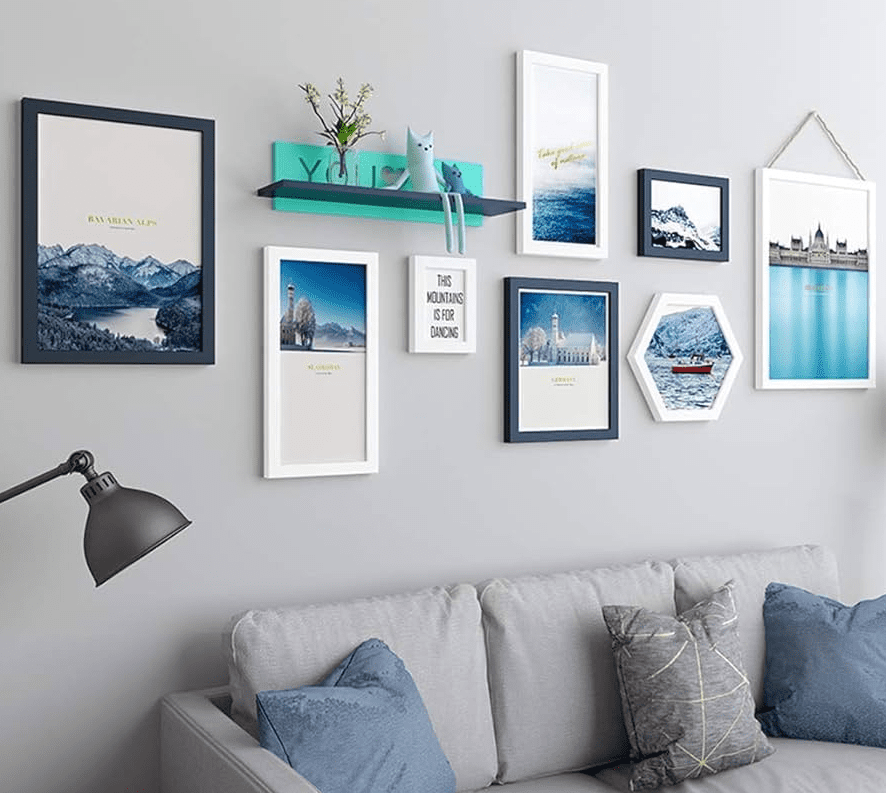
By focusing on simple frame styles, standard sizes, and consistent finishes, you can build a cohesive collection that appears far more expensive than it is. From my experience working on budget-conscious interiors, clarity of theme and layout is often more important than the price of the frames themselves. Aligning your choices around a restrained color palette, repeated shapes, and balanced spacing helps every wall feel considered and modern.
As you experiment with mats, DIY improvements, and curated artwork, remember that small refinements add up. Measure carefully, hang at eye level, and be selective about what earns a place in each frame. Based on real-world testing, these habits create long-lasting results that you will not feel the need to constantly tweak. The outcome is a home where stylish, low cost picture frames support a timeless, modern aesthetic you can enjoy every day.

Maira Lindey is a home decor enthusiast who loves transforming ordinary spaces into warm, stylish havens. Through her writing, she shares simple, creative ideas that help people make their homes both beautiful and comfortable. Her approach combines aesthetic charm with practical solutions for everyday living.
With years of experience experimenting with colors, textures, and layouts, Maira enjoys guiding readers to express their personality through home design. She believes that even small changes can have a big impact, and she focuses on tips that are easy to implement without overwhelming the space or the budget.
Beyond decorating, Maira finds inspiration in nature, art, and everyday life. She encourages her readers to embrace creativity and make spaces that feel uniquely theirs, blending functionality with style in ways that are both inviting and livable.