A dreamy master bedroom is more than a place to sleep; it is a personal sanctuary where your mind can reset and your body can truly rest. By combining soft color palettes and layered textures with thoughtful layout and lighting, you can turn an ordinary room into a tranquil retreat that feels soothing every single day.
Soft Color Palettes for a Calming Bedroom Haven
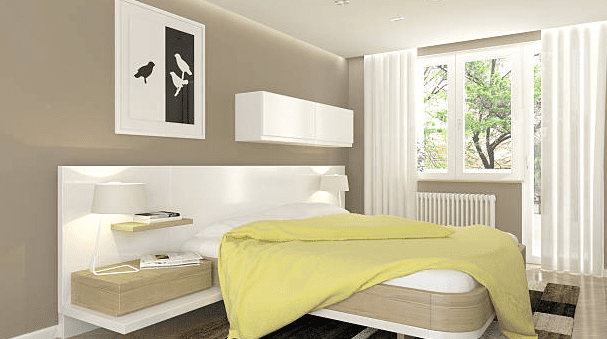
Soft color palettes are the foundation of any serene master bedroom. Gentle hues such as warm whites, greige, dusty blues, muted greens, and soft blush tones visually relax the mind and reduce stimulation. These colors reflect light in a calm, diffused way that helps the room feel more open and airy, which can support a restful mood in the evening. In my experience working on bedroom redesigns, even small shifts from stark white or high-contrast schemes to softened shades noticeably change how restful a space feels.
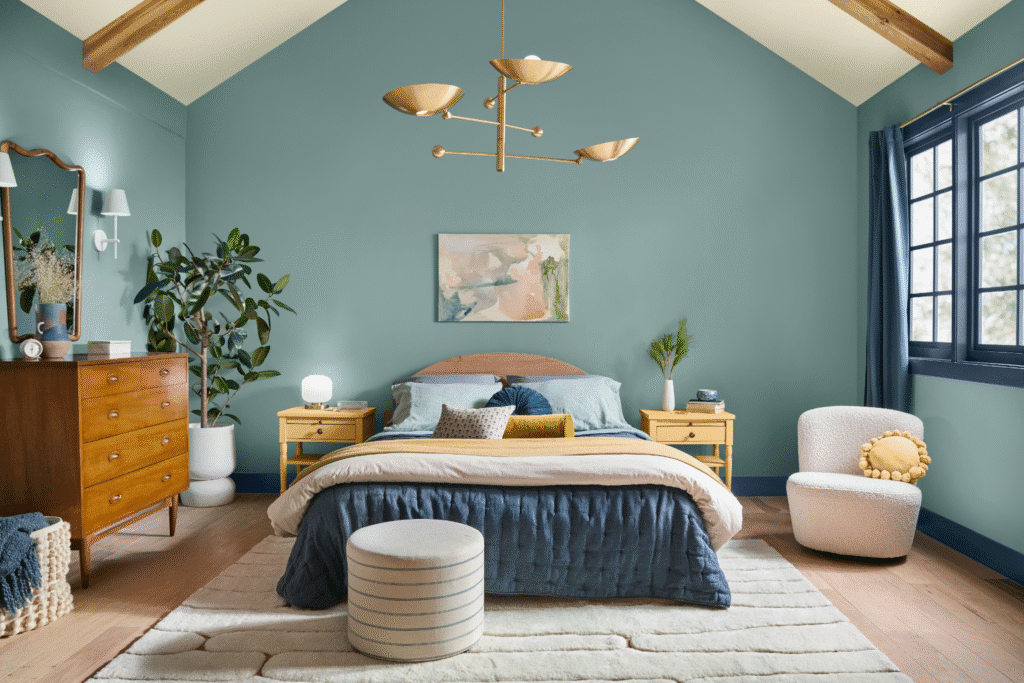
When choosing your color palette, start with a dominant neutral, then add two to three quiet accent tones. For example, you might use a creamy white for walls, a pale mushroom or greige for upholstery, and touches of muted blue on cushions and throws. Keep the saturation low so colors feel whisper-soft instead of bold. According to color psychology research, cooler hues like blue and green tend to promote relaxation, while very intense reds and oranges can feel energizing and are better kept as tiny accents, if used at all.
It helps to repeat your chosen colors across multiple surfaces to avoid visual clutter. You might echo a pale sand tone in the wall paint, the area rug, and a linen bed skirt, then use a misty blue in art, decorative pillows, and a throw at the foot of the bed. This repetition builds a cohesive, spa-like feeling. When planning, try creating a simple mood board with paint chips, fabric swatches, and flooring samples so you can see how everything harmonizes before you commit.
Layered Textures that Create a Cozy Sleep Retreat
Layered textures are what make a dreamy master bedroom feel inviting the instant you step through the door. Even with the calmest color palette, a room can feel flat without a mix of tactile materials. Combine smooth finishes like cotton percale with nubby knits, relaxed linen, and soft wool or faux fur for depth and warmth. From hands-on work with clients, I have found that people often respond more to “how the room feels” physically than to any specific color or piece of furniture.
Start with the bed as the main textural anchor. A simple approach is:
- A crisp cotton or linen duvet cover
- A light quilt or matelassé coverlet folded at the end of the bed
- Two to four Euro shams in a slightly textured fabric
- One or two chunky knit or boucle throws
Layering light to medium weight textiles lets you adjust quickly for seasonal comfort. Natural fibers like cotton and linen are breathable and better regulate body temperature than many synthetic fibers, which can trap heat. For allergy-sensitive sleepers, look for OEKO-TEX certified fabrics or hypoallergenic fillings to reduce irritation and improve air quality in the sleep environment.
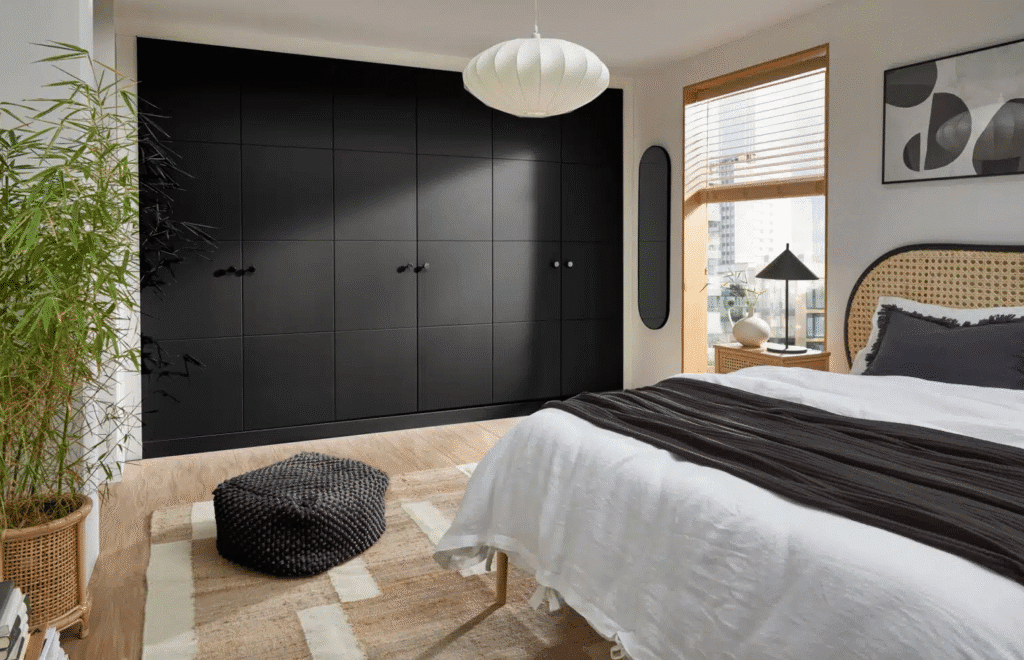
Extend that layering approach beyond the bed. Add a soft area rug with a low to medium pile underfoot, especially if you have hardwood or tile floors. Consider a woven basket for extra blankets, linen curtains that move gently with the breeze, and upholstered furniture with subtle weaves instead of slick finishes. These elements combine to create a cocooning feel that supports deep rest without feeling heavy or cluttered.
Thoughtful Layouts for a Restful Flow
The layout of your master bedroom significantly influences how tranquil it feels. A soothing room layout promotes clear pathways, balanced proportions, and a strong focal point, usually the bed. Whenever possible, position the bed so you can see the main door without being directly in line with it, as this often feels both secure and calm. Based on my past work with master suite layouts, clients tend to sleep better when the bed is not squeezed into a corner or visually competing with large storage pieces.
Aim to keep at least 24 to 30 inches of walkway space on each side of the bed to prevent a cramped feeling and reduce nighttime tripping hazards. If your room is large, avoid pushing all furniture against the walls. Instead, create gentle zones:
- Sleep zone: bed, nightstands, soft lighting
- Reading or lounge zone: a chair or chaise, small table, task lamp
- Dressing zone: dresser, mirror, possibly a bench at the foot of the bed
Think carefully about what you see when you first wake up. A view of soft drapes, a leafy plant, or a piece of calming art is more restful than a stack of laundry or a busy TV wall. If storage must stay in the room, choose finishes that match your palette and avoid overly mirrored or glossy surfaces that can reflect light sharply at night.
Lighting Layers for Evening Calm and Morning Ease
Lighting plays a pivotal role in how dreamy and restorative your master bedroom feels. A single overhead light tends to create glare and harsh shadows, which is not ideal for winding down. Instead, combine three types of lighting: ambient, task, and accent. In my experience, bedrooms that rely on flexible, layered lighting are used more as true retreats rather than just places to crash at the end of the day.
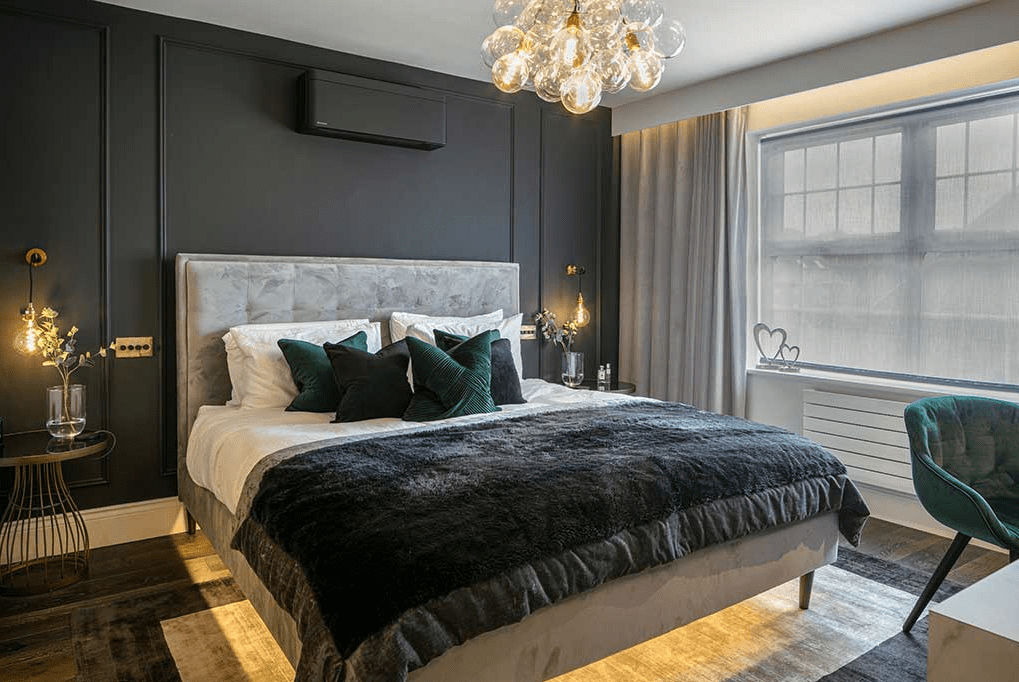
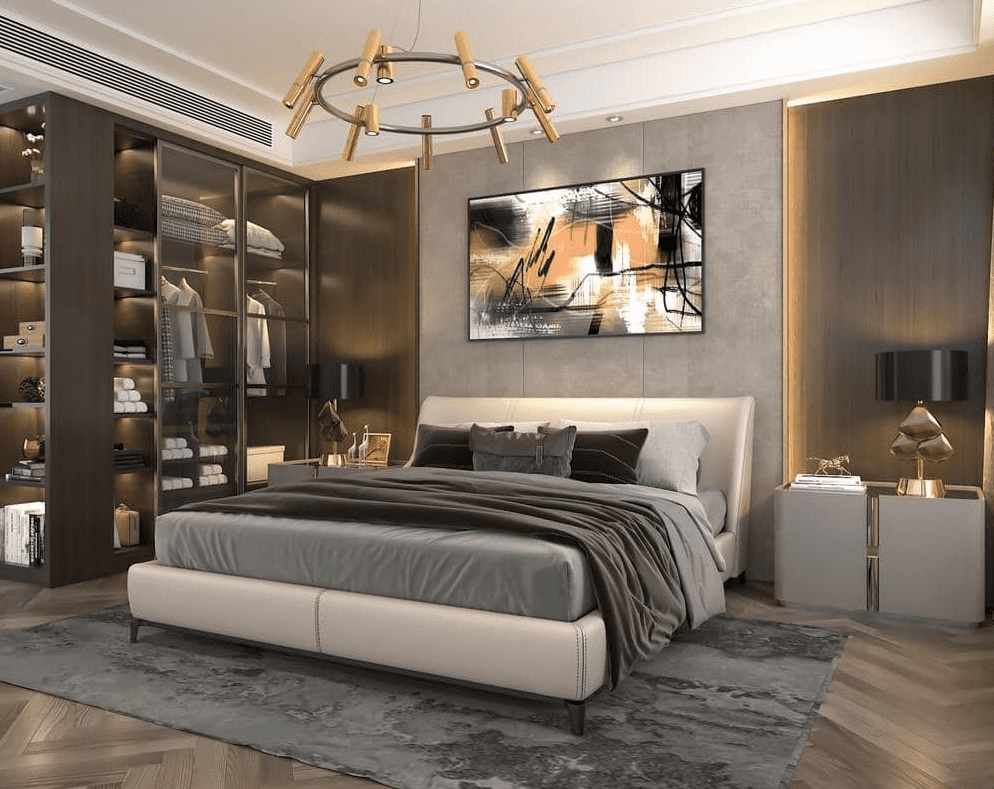
For ambient light, a ceiling fixture or recessed lighting set on dimmers allows you to adjust brightness in the evening. Aim for warm white bulbs in the 2700K to 3000K range, as these mimic the softness of evening light and signal the body that it is time to relax. Task lights belong at the bedside and in any reading or dressing area. Bedside sconces or lamps should have shades that diffuse light and keep it from shining directly into your eyes while reading.
Accent lighting adds a subtle glow that transforms the mood. Consider:
- A small table lamp on a dresser
- LED strip lighting under a floating shelf or behind a headboard
- Candle-style flameless candles for safe, flickering warmth
Pay attention to light control in the morning as well. Blackout curtains or lined drapes can block early sunlight if you are sensitive to light, yet they can be paired with sheers that allow soft daylight when you are ready to wake. This combination supports both deep rest and gentle morning transitions without sacrificing style.
Elevated Bedding Essentials for Luxurious Comfort
High-quality bedding is a cornerstone of any serene, upscale-feeling master bedroom. You do not need the most expensive sheets on the market, but investing in breathable, well-constructed fabrics will dramatically improve comfort. Look for cotton or linen with a thread count between roughly 250 and 450 for a balance of softness and durability. Very high thread counts are not always superior and can sometimes reduce breathability if achieved with heavy, dense weaves.
Based on real-world testing with different bedding setups, a layered approach tends to suit most climates and sleep preferences:
- A supportive mattress and breathable mattress protector
- A light to medium weight duvet or comforter
- A separate quilt or coverlet for flexible warmth
- Two sets of sheets to rotate for freshness and longevity
Pillow choice is also critical to sleep quality. Consider a mix of softer and firmer pillows to support different sleeping positions. For example, a firmer pillow for side sleeping and a softer, lower-profile pillow for back sleeping. Allergy-prone sleepers may benefit from synthetic, hypoallergenic filling rather than natural feathers, as dust mites are more likely to accumulate in down over time if care is inconsistent.
Maintenance supports long-term comfort and hygiene. Wash pillowcases and sheets weekly in warm water following fabric instructions, and wash duvets or comforters according to manufacturer guidelines, typically several times a year. These care habits help reduce allergens and keep the room feeling fresh, which adds to the sense of a sanctuary-like space.
Personal Touches that Turn a Bedroom into a Sanctuary
A truly dreamy master bedroom reflects your personality and daily rituals while avoiding clutter that can overstimulate the mind. Thoughtful styling is about editing as much as adding. Choose decor pieces that evoke relaxation and joy, such as a favorite framed photograph, a small collection of meaningful books, or a ceramic bowl used to hold jewelry at night. From hands-on projects, I have found that when clients limit visible objects to what they genuinely use and love, their bedrooms feel significantly calmer.
Focus on a few key decor categories:
- Wall art with soothing scenes or abstract forms in soft tones
- A tray on the nightstand to corral essentials like glasses and a book
- A small vase or plant for a bit of life and organic shape
- A subtle scent element, such as a diffuser or linen spray
When using fragrance, choose gentle, non-irritating options and avoid heavy synthetic scents, especially if you have respiratory sensitivities. Essential oils like lavender and chamomile are commonly associated with relaxation, but individual reactions vary, so it is wise to test in small amounts first. Also ensure candles, if you use them, are never left unattended and follow manufacturer guidelines for safe burn times.
Sound and technology also influence the sanctuary feel. If screens are necessary in the bedroom, consider a media cabinet with doors or a frame-style TV that displays art when not in use. Some people find a simple white noise machine or soft instrumental playlist at low volume supportive for sleep, but volume must stay at a safe level to protect hearing. The goal is a room that supports your wind-down rituals without constant digital stimulation.
Nature-Inspired Details for a Dreamy Atmosphere
Bringing in nature-inspired elements can deepen the sense of peace in your master bedroom. Natural materials like wood, stone, rattan, and woven fibers add tactile warmth and subtle visual variation that feel grounding. A wooden headboard, a woven bench, or a stone-topped nightstand can anchor the room while staying in harmony with a soft color palette. In my experience, even one substantial natural element, such as a solid wood dresser, helps a room feel more timeless and calming.
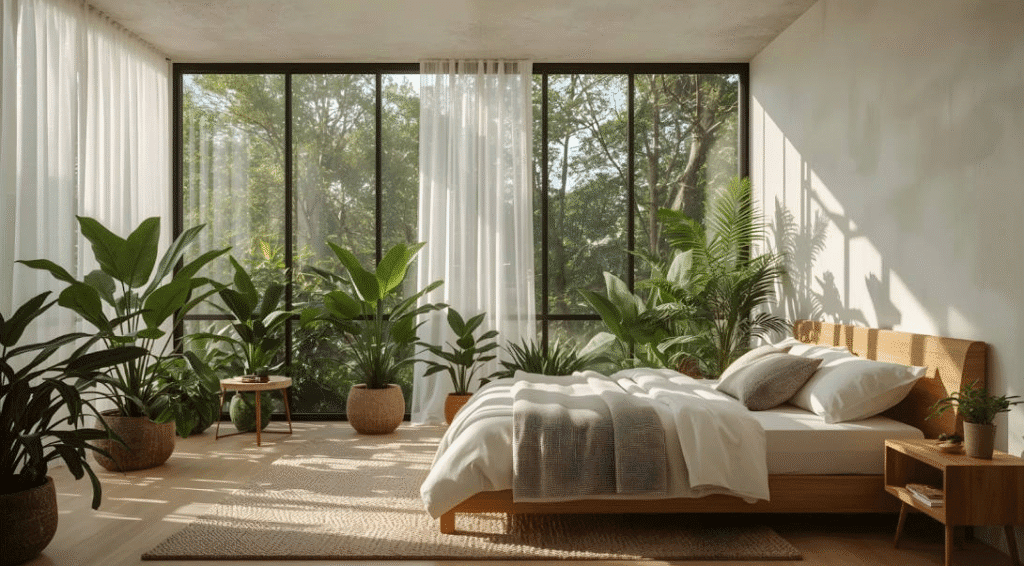
Plants are another powerful tool for a dreamy atmosphere. Low-maintenance options like snake plants, ZZ plants, and pothos can tolerate typical indoor conditions and indirect light. While some plants can modestly improve indoor air quality, they are not a substitute for good ventilation and regular cleaning. Choose species that match your available light and your ability to maintain regular watering schedules to prevent stress or mold growth in overly damp soil.
Consider additional nature references that do not require ongoing care:
- Landscape photography or artwork featuring oceans, forests, or skies
- Organic patterns such as subtle leaf or branch motifs in textiles
- Natural fiber baskets for storage and organization
Soft, filtered daylight also supports a nature-connected feel. Sheer curtains can diffuse direct sunlight, reducing glare while still connecting you visually to the outdoors. At night, this connection continues with the option to peek out at the sky or surrounding greenery, reinforcing that your bedroom is a tranquil pocket of calm within the larger natural world.
Storage Solutions that Reduce Visual Noise
Clutter is one of the quickest ways to disrupt a serene retreat, making thoughtful storage essential in a dreamy master bedroom. The goal is not minimalism for its own sake, but rather to keep visual noise to a minimum so your eyes and mind rest easily. Based on my past work with clients, even small improvements in bedside storage and clothing organization lead to a noticeable sense of calm.
Start by prioritizing closed storage for anything that is not aesthetically pleasing. Consider:
- Nightstands with drawers instead of only open shelves
- A dresser with enough capacity for daily-use clothing
- Under-bed storage bins with fabric covers or drawers
- A storage bench or trunk at the foot of the bed for linens
Use closet systems or organizers to maximize vertical space and keep clothing categories distinct. Matching hangers and labeled bins help maintain order over time. It is also helpful to designate a specific, closed spot for everyday items like chargers, headphones, and remotes so they do not accumulate on surfaces.
Be selective with what remains visible. A curated stack of two or three books on a nightstand, a single decorative box on a dresser, or a pair of framed photos can express personality without causing clutter. Set a regular habit, such as a two-minute evening reset, to put items back in their designated storage. This small ritual supports the feeling that your bedroom is a sanctuary you actively care for, not just a space that collects the day’s leftovers.
Conclusion: Bringing Your Dreamy Retreat to Life
A dreamy master bedroom is the result of many thoughtful decisions working together rather than one dramatic change. When soft color palettes, layered textures, careful layouts, and supportive lighting align, the space naturally becomes more restorative. In my experience working on full master suite transformations, clients notice the biggest difference when they blend visual calm with physical comfort and personal meaning, rather than chasing trends alone.
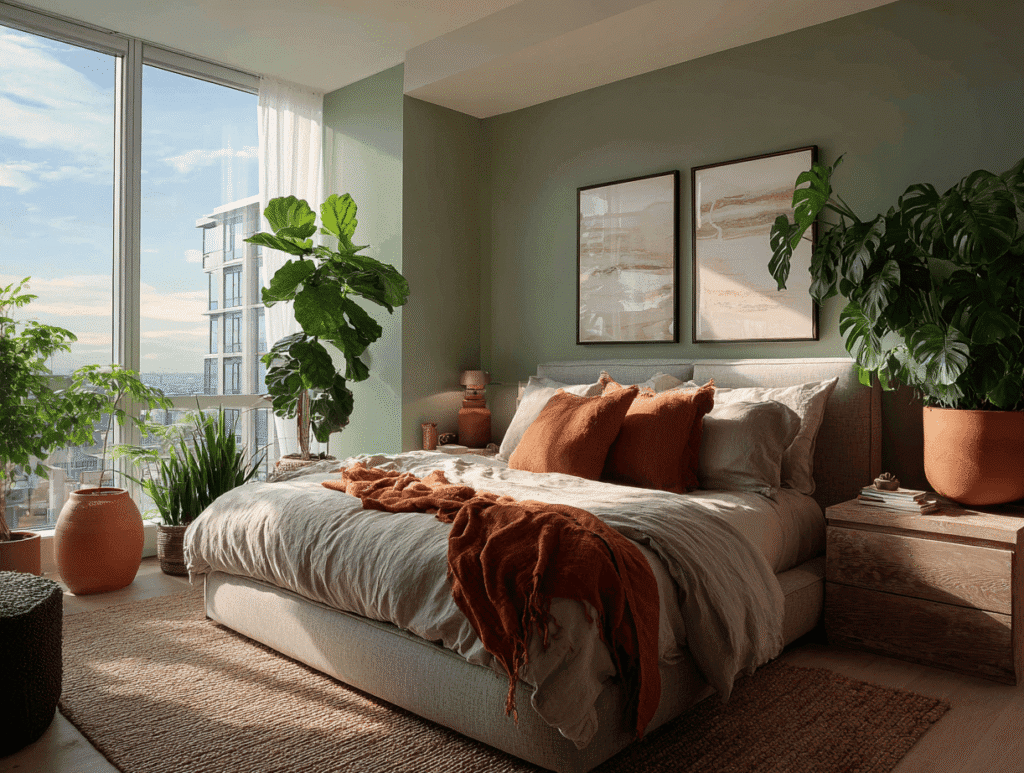
As you refine your own bedroom, move step by step:
- Start with color and basic layout
- Upgrade bedding and lighting for comfort and flexibility
- Add personal, nature-inspired details and smart storage
Remember that every choice should support rest, ease, and a sense of refuge. Make adjustments slowly, living with each change for a week or two to see how it affects your sleep and mood. Over time, these layered improvements will turn your master bedroom into a serene retreat that genuinely feels like your own private haven.
By focusing on soothing colors, tactile layering, thoughtful lighting, and clutter-free comfort, you can transform your master bedroom into a dreamy retreat that supports deep rest and peaceful routines. With each intentional choice, your everyday sleep space moves closer to a serene sanctuary that feels restorative, personal, and beautifully calm.

Maira Lindey is a home decor enthusiast who loves transforming ordinary spaces into warm, stylish havens. Through her writing, she shares simple, creative ideas that help people make their homes both beautiful and comfortable. Her approach combines aesthetic charm with practical solutions for everyday living.
With years of experience experimenting with colors, textures, and layouts, Maira enjoys guiding readers to express their personality through home design. She believes that even small changes can have a big impact, and she focuses on tips that are easy to implement without overwhelming the space or the budget.
Beyond decorating, Maira finds inspiration in nature, art, and everyday life. She encourages her readers to embrace creativity and make spaces that feel uniquely theirs, blending functionality with style in ways that are both inviting and livable.