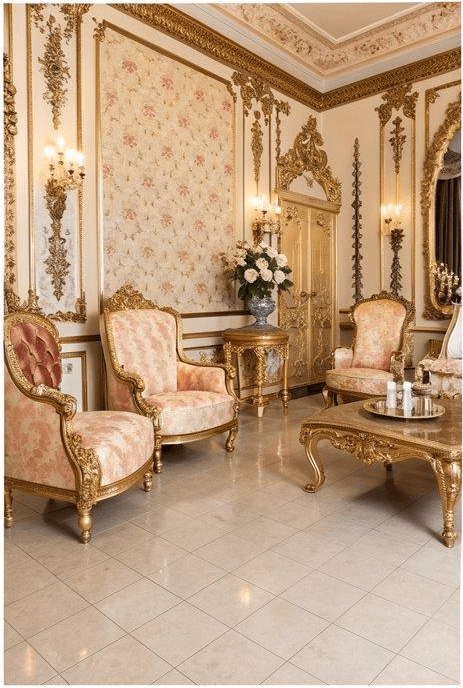
Rococo revival decor brings soft pastels, gilded details, and romantic curves into even the tiniest rooms. This guide shows how to layer pastel and gold accents in small spaces for a glamorous, livable look without visual clutter.
Rococo revival pastels and gold can turn a compact apartment or studio into a jewel box of light and elegance. With careful choices in color, proportion, and layout, you can enjoy full-on glam touches that still feel airy, practical, and easy to live with.
Layering Pastels and Gold in Compact Rococo Rooms
Rococo style is often associated with grand ballrooms, but the language of pastel color and gold detail translates beautifully to small spaces when edited with intention. In a compact room, the goal is to get the charm of Rococo revival decor while staying away from heaviness or visual overload. That means treating every pastel and metallic accent as part of a carefully balanced palette instead of adding pieces randomly. Think of the space as a small jewelry box that needs a clear color story and controlled shine.
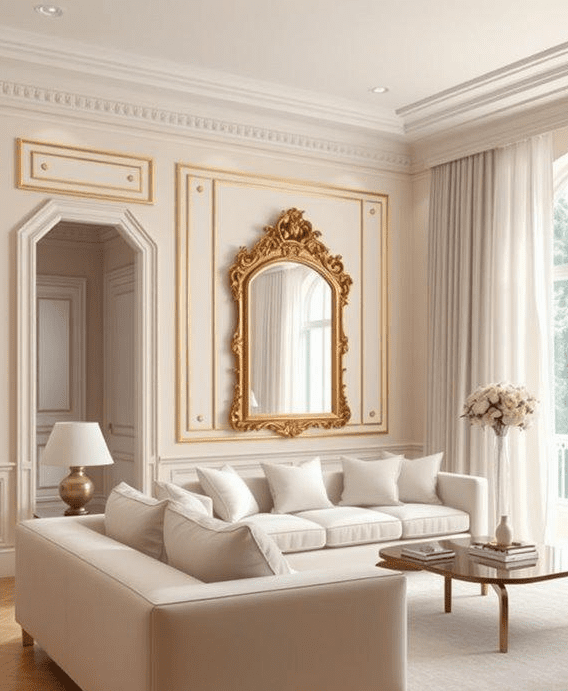
Start by choosing one primary pastel and one secondary accent pastel, then pair them with a consistent gold finish. For example, a pale blue base with soft blush accents and brushed gold hardware can feel cohesive and calm. In my experience working on compact city apartments, sticking to two main pastels keeps the room from tipping into a candy-colored chaos. A reliable approach is:
- Primary pastel for walls or main upholstery
- Secondary pastel for textiles and art
- Gold for lighting, frames, and small furniture details
Gold should read as highlight, not wall-to-wall shimmer. Using gold in thin lines and accents helps maintain elegance in a tight footprint. You can rely on details like a narrow gold frame, a lamp with a slender gold stem, or a petite side table with gold legs to hint at rococo glamour without overwhelming the eye. From hands-on work with clients, I have found that a ratio of roughly 70 percent soft neutrals and pastels, 25 percent mid-tones, and 5 percent metallic accents keeps even a tiny room feeling tasteful and bright.
Choosing a Pastel Palette that Feels Airy, Not Childlike
In small spaces, pastel colors can feel either sophisticated and romantic or unexpectedly juvenile. The difference usually comes down to undertones and contrast. Elevated Rococo revival palettes lean toward slightly grayed or muted pastels instead of pure candy hues. For example, powder blue with a touch of gray, tea-rose pink, and muted celadon read as adult and elegant. Pure bubblegum pink or bright baby blue can work, but they need grounding partners like warm cream, taupe, or soft stone.
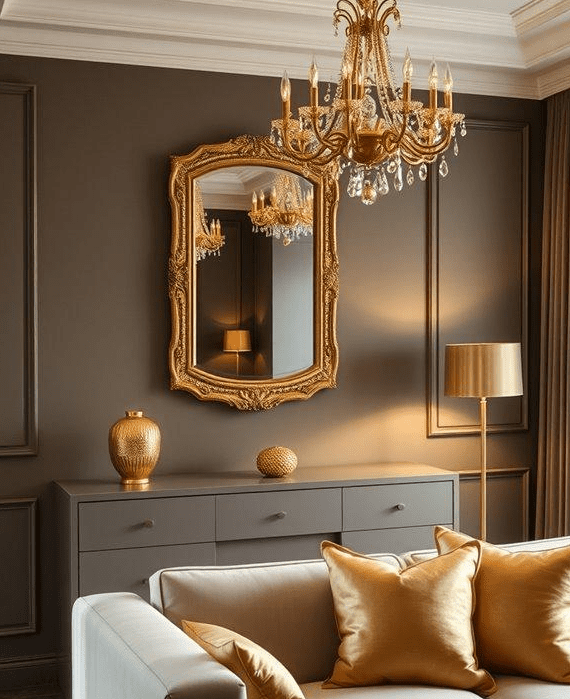
If you are worried about the room feeling sweet instead of refined, start with the wall color. A warm white with a hint of blush or ecru provides a gentle backdrop that supports more saturated pastels in furnishings and art. Based on my past work with clients who feared “too much pink,” painting walls in a warm off-white and bringing pink into velvet cushions, art, and a single accent chair delivered the romantic mood without looking like a nursery. You can use:
- Warm white or pale ivory walls
- One focal pastel (sofa, headboard, or rug)
- Small touches of additional pastels in accessories
Contrast is also important for a more grown-up look. Darker anchors, such as a walnut side table or a black picture frame tucked among gold frames, create visual structure. This does not contradict the Rococo revival style; many historic interiors used darker woods alongside gilded ornament. A small space benefits from at least two grounding notes: a deeper wood tone, and a slightly darker fabric or rug that keeps the room from feeling washed out.
Gold Finishes and Gilded Details that Fit Small Spaces
Not all golds are equal, especially in tight rooms. Highly polished yellow-gold surfaces can bounce light in distracting ways and may highlight dust or fingerprints. In compact Rococo-inspired rooms, softer finishes such as brushed brass, satin gold, or antiqued gold leaf usually work better. They echo historical gilding while being easier to maintain day to day. Any metallic surface in a high-traffic or high-touch zone, like coffee tables or cabinet pulls, should be treated or sealed properly to reduce tarnishing and fingerprints.
From hands-on projects, I have found that focusing gilded embellishment at eye level delivers the greatest impact with the least visual clutter. That might mean:
- A gilded mirror over a console or sofa
- Slim gold picture frames in a curated gallery wall
- A chandelier or flush-mount with gold arms and pastel or white shades
Functional hardware is another low-footprint way to incorporate gold into small rooms. Swapping basic knobs for ornate gold pulls on a sideboard or closet instantly brings Rococo revival flair without occupying extra floor space. Just remember that ornate handles can have edges; if children are present, select hardware with smooth contours and avoid sharp projections. Keep consistency across visible metals; two metal tones can work, but more than three often feels chaotic in a small area.
Space-Savvy Rococo Revival Layouts and Accents
Layout is where Rococo revival decor can either feel like a dream or an over-furnished museum. In a small space, circulation paths must stay clear, and every piece of furniture should earn its place. Start with the largest piece, often a sofa or bed, and position it to maximize both natural light and usable floor area. In my experience working on studio apartments, placing the main seating parallel to the longest wall generally makes the room feel larger and leaves room for a slender, ornate console or demilune table.
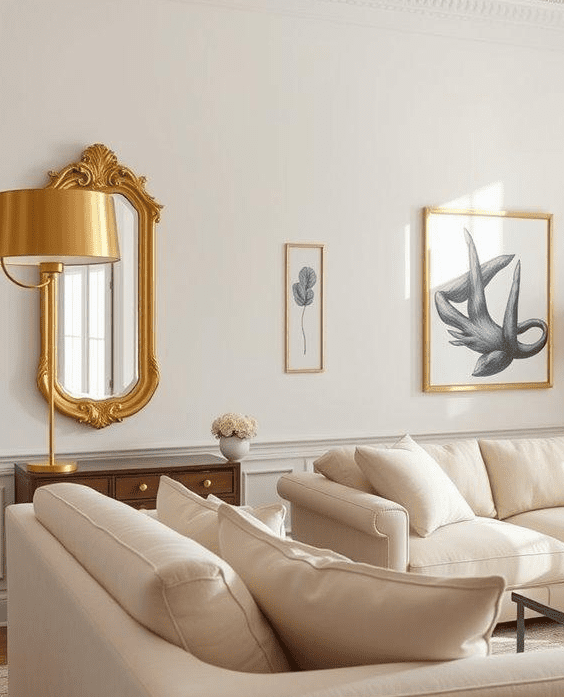
Compact Rococo accents should hug the perimeter rather than clog the center. Think vertical and wall-mounted:
- Ornate wall sconces instead of large floor lamps
- Slim console tables instead of deep chests
- Narrow-legged chairs with carved details instead of bulky loungers
Accents such as gilded mirrors and pastel art are especially layout-friendly, since they live on the wall and do not occupy floor space. A single large mirror with curved corners can visually double a narrow living room and reinforce the pastel and gold theme. Based on real-world testing in several rentals, I recommend hanging the main mirror so its center is around 60 inches from the floor for comfortable viewing and a more polished appearance in small rooms.
Upholstery, Fabrics, and Textures that Support Daily Life
Rococo revival interiors often feature plush fabrics like velvet, brocade, and silk. In compact homes where every seat is used frequently, choosing durable, easy-care versions matters. Performance velvets, tightly woven linen blends, and washable slipcovers can deliver the same tactile richness while holding up to daily use. When labels list rub counts, look for at least 20,000 double rubs for residential upholstery to ensure reasonable durability.
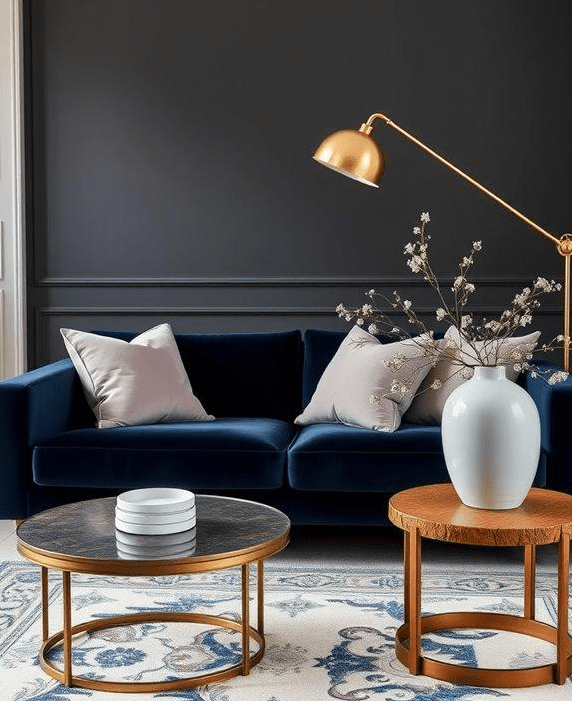
Soft textures layered thoughtfully keep the pastel palette from feeling flat. You can combine:
- A velvet or chenille sofa in a muted pastel
- A slightly textured rug such as low-pile wool or a quality synthetic blend
- Sheer curtains in ivory or a pale pastel that filter light gently
From hands-on work with clients, I have found that pairing one “statement” fabric, like a floral Rococo-inspired print, with two or three solids prevents pattern overload in a small room. For example, a floral pastel headboard can be grounded by solid ivory bedding and a single coordinating pastel throw. If you live in a sunny climate, remember that natural fabrics like silk and some linens can fade; consider UV-filtering film on windows or lining delicate drapery panels to protect colors over time.
Art, Mirrors, and Ornament for Vertical Drama
Vertical surfaces are your best friends when building Rococo revival character in a small space. Art, mirrors, and decorative panels bring in curves, scrolls, and romantic imagery without cluttering the floor. A pastel-and-gold gallery wall, for example, can mix:
- Vintage botanical prints in gold frames
- Small oval portrait-style pieces
- A single ornate mirror as the centerpiece
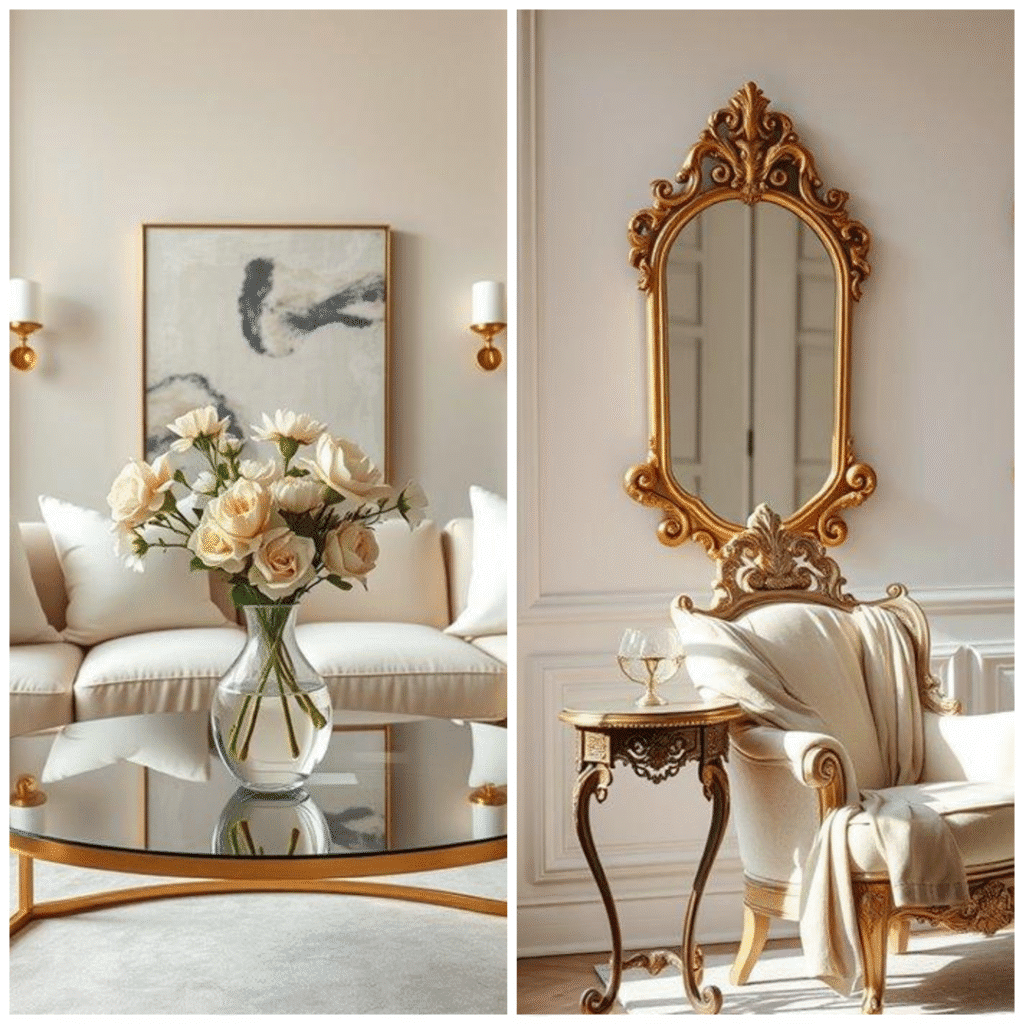
In my experience working in narrow city living rooms, centering one larger piece and then clustering smaller frames around it keeps the arrangement ordered rather than messy. Aim to leave a bit of breathing room between pieces, typically 2 to 3 inches, especially in compact rooms where visual crowding is more noticeable. Consider painting the wall behind an arrangement a slightly darker pastel to help gold frames pop gently.
Mirrors deserve special attention in Rococo-inspired small spaces. An over-mantle style mirror with a curved or crest top can act as an instant focal point even if you do not have a fireplace. If you mount a heavy, ornate mirror, use appropriate wall anchors and follow manufacturer weight guidelines to ensure safety. Strategically place mirrors across from windows or light fixtures so they multiply the sense of brightness without reflecting household clutter or screens too prominently.
Lighting Small Rococo Revival Rooms with a Soft Glow
Lighting is one of the most powerful tools for getting the shimmering, candlelit feeling associated with Rococo interiors while still meeting modern needs. In compact rooms, layered lighting works best: a mix of ambient, task, and accent sources. Ambient light might come from a small chandelier or a flush mount with Rococo curves; task light from a petite table lamp; and accent light from wall sconces or LED picture lights over art.
For a warm, flattering glow that suits pastel palettes and gold finishes, choose warm white bulbs around 2700K to 3000K. Based on real-world testing, bulbs higher than 3500K often feel too cool and clinical against blushes and blues, while very warm vintage-style bulbs can skew yellow and distort color. If you use dimmers, make sure your chosen LEDs are labeled dimmable, and pair them with compatible dimmer switches to avoid flicker.
Compact fixtures with delicate arms or glass details maintain Rococo character without visually shrinking the room. In very low ceilings, a semi-flush fixture with decorative metalwork or glass drops keeps clearance safe while still looking romantic. Always follow local electrical codes and, for hardwired fixtures, hire a licensed electrician where required; proper installation is critical for safety, especially with heavier chandeliers or ceiling mounts.
Smart Storage and Dual-Purpose Pieces with Rococo Flair
Small spaces thrive on furniture that performs more than one job, and Rococo revival decor does not have to be an exception. Storage ottomans with gentle tufting and gold legs, for example, offer seating, a footrest, and hidden storage in one footprint. A drop-front desk with soft curves and gilded hardware can function as a compact workspace by day and a closed cabinet that visually quiets clutter at night.
From hands-on projects in small condos, I have found the following dual-purpose pieces especially effective:
- A pastel upholstered bench with interior storage at the foot of the bed
- Nesting side tables with slim gold frames that tuck away when not in use
- A small bar cart in antiqued brass that doubles as a side table or nightstand
When adding storage, prioritize vertical solutions like narrow bookcases or wall-mounted shelves with decorative brackets. This keeps floor space open while offering room for pastel boxes, decorative objects, and small framed art. To prevent the look from becoming busy, keep visible storage curated and avoid packing every shelf edge to edge; negative space is crucial for a refined Rococo revival vibe in compact rooms.
Maintaining Balance: Editing, Styling, and Long-Term Comfort
Rococo revival can tempt you to keep collecting ornate pieces, but in small spaces, restraint is what preserves the fantasy. A simple editing habit is to limit each surface to a small number of objects: for example, three items on a side table or dresser arranged in varied heights, such as a lamp, a small floral arrangement, and a decorative box. If you bring in a new statement piece, consider removing one older item so the room does not gradually fill beyond comfort.
Comfort is also about ergonomics and maintenance. Curved, carved chairs should still support natural posture; test seat height (typically 17 to 19 inches) and depth to ensure you can sit comfortably for more than a few minutes. For textiles, choose removable cushion covers where possible, and follow care labels to avoid shrinking or damaging fabrics during cleaning. Regular light maintenance like dusting gilded surfaces with a soft dry cloth and occasionally checking for loose hardware will keep the room feeling polished.
In my experience working on lived-in Rococo-inspired projects, the most successful small spaces share a few traits: a consistent pastel and gold color story, a clear sense of circulation, and collections that reflect the owner’s taste rather than a generic catalog. When you edit thoughtfully and listen to how you actually use the room, Rococo revival decor becomes less of a costume and more of a luxurious everyday setting.
Conclusion: Creating a Jewel Box of Pastels and Gold
Rococo revival pastels and gold can transform even the smallest space into a luminous, character-filled retreat when color, layout, and details are kept intentional. With a restrained palette, smart storage, and carefully placed gilded accents, your compact room can feel both historically inspired and perfectly suited to modern daily life.
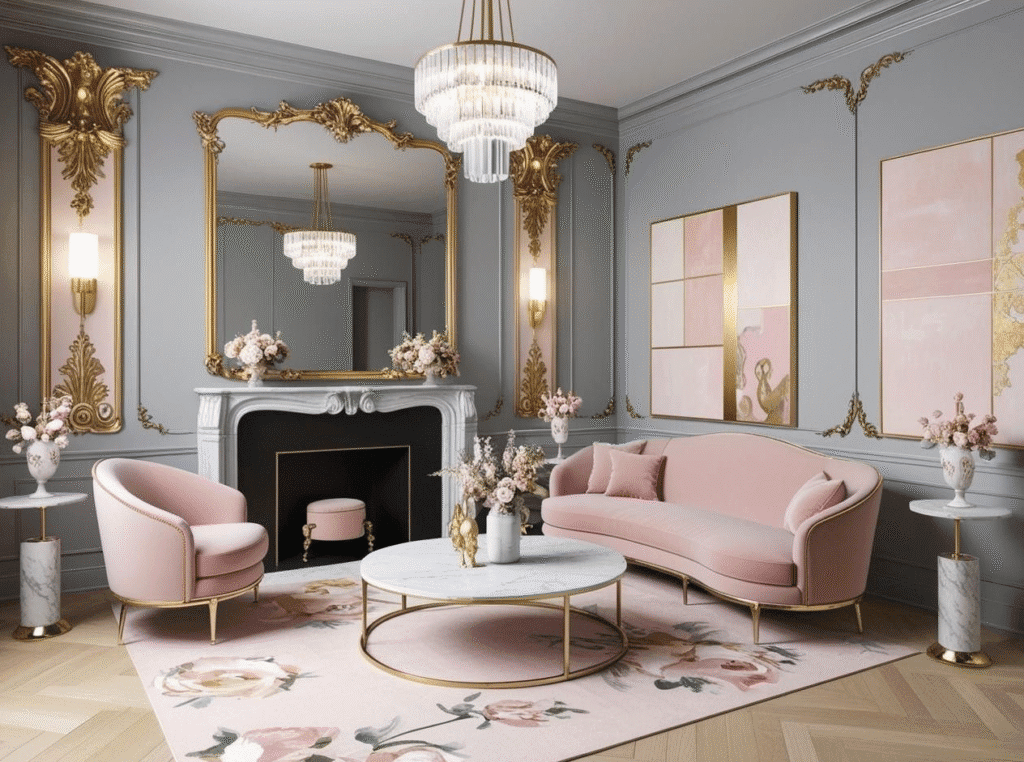
A successful Rococo-inspired small space starts with choosing a harmonious pastel palette, then layering in gold finishes and ornament with care. Light, texture, and vertical emphasis carry much of the style load without encroaching on precious floor area. Based on my work in compact homes, investing in a few standout pieces such as a gilded mirror, a pastel upholstered focal item, and a graceful light fixture often delivers more impact than filling every corner with decor.
By returning regularly to the principles of balance, function, and comfort, you can keep your jewel-box interior feeling fresh rather than crowded. Thoughtful placement, modest but consistent metallic accents, and durable, beautiful fabrics allow you to enjoy Rococo revival glamour every day, even in a studio or a small bedroom. The result is a space that feels like a refined escape, glowing softly with pastels and gold while still working hard for modern living.

Maira Lindey is a home decor enthusiast who loves transforming ordinary spaces into warm, stylish havens. Through her writing, she shares simple, creative ideas that help people make their homes both beautiful and comfortable. Her approach combines aesthetic charm with practical solutions for everyday living.
With years of experience experimenting with colors, textures, and layouts, Maira enjoys guiding readers to express their personality through home design. She believes that even small changes can have a big impact, and she focuses on tips that are easy to implement without overwhelming the space or the budget.
Beyond decorating, Maira finds inspiration in nature, art, and everyday life. She encourages her readers to embrace creativity and make spaces that feel uniquely theirs, blending functionality with style in ways that are both inviting and livable.