Bold eclectic bedroom decor celebrates character, contrast, and creative styling that feels collected rather than coordinated. This guide walks you through expert strategies to layer colors, patterns, textures, and statement pieces into a bedroom that feels vibrant yet cohesive.
Bold eclectic bedroom decor is all about confident color choices, expressive styling, and a curated mix of influences that turn a basic room into a personal sanctuary. In this article, you will learn practical, design-forward ways to combine layered color palettes, mixed patterns, and standout furnishings so your bedroom feels artistic, intentional, and uniquely yours.
Layered Color Palettes for Bold Eclectic Bedrooms
A bold eclectic bedroom starts with a thoughtfully layered color palette that feels rich instead of chaotic. Rather than using every color you love at once, choose one anchor hue, one supporting shade, and one or two accents. For example, deep teal can ground the walls, warm camel or tobacco can show up in textiles, and hits of fuchsia or saffron can appear in art and accessories. This kind of structure gives freedom while still guiding decisions.
In my experience working on colorful bedroom projects, clients see the best results when they commit to a base range of 2 to 4 main colors, then allow smaller accents to shift seasonally. A base palette of navy, clay, and ivory with accents of chartreuse might evolve into navy, rust, and cream with accents of mustard without the room losing its identity. The key is to keep the undertones compatible. For instance, pairing mostly warm-based colors (like terracotta, olive, and gold) will usually feel more harmonious than mixing cool and warm tones at random.
To build your palette, test physical paint swatches and fabric samples in natural and evening light. Colors change significantly under different lighting temperatures: warm white bulbs around 2700K to 3000K will enrich earthy tones and soften saturated colors, while cooler bulbs can make bold hues appear sharper. Place your swatches near your bed, artwork, and major furniture pieces so you see the combinations together before committing. Based on hands-on work with clients, spending one afternoon doing this testing can prevent expensive repainting or textile returns later.
Choosing a Striking Focal Point Color
Every bold eclectic bedroom benefits from one heroic color that draws the eye the moment you enter. This might show up on a statement wall, a large upholstered headboard, a vibrant rug, or even an oversized wardrobe. The idea is not to overwhelm the room with that heroic color but to give it a starring role supported by quieter tones. A rich emerald headboard, for example, becomes the anchor around which neutrals, blacks, and metallics can orbit.
From hands-on projects, I have found that the most successful focal colors are those that feel emotionally aligned with how you want the room to function. Bedrooms meant for rest and reflection usually benefit from deep blues, forest greens, and plummy neutrals, while creative, energetic spaces might lean into spicy oranges, magentas, or electric cobalt. There is no universal right choice; what matters is your sensory response. If a color makes you feel anxious after a few minutes, it is not the right focal point for your sleep space.
Once the focal color is chosen, repeat it in smaller doses around the room so it feels intentional instead of random. Useful ideas include:
- Piping or trim on throw pillows
- A stripe or motif in bedding
- Picture frames or lamp bases
- A painted edge around a closet door or window frame
These small moments of repetition visually stitch the room together and keep your eclectic decor from drifting into visual noise. As a rule of thumb, I recommend echoing your focal color at least three times in varying scales: one large, one medium, and one small element.
Balancing Neutrals with Vibrant Accents
Neutrals are the secret scaffolding of a bold eclectic bedroom. Even the most colorful designs benefit from areas of rest for the eyes. Soft whites, warm grays, greige, and natural wood tones help frame bright textiles and art so they can shine without competing. Think of your walls, ceiling, and large furniture pieces as the canvas, and your accents as the paint.
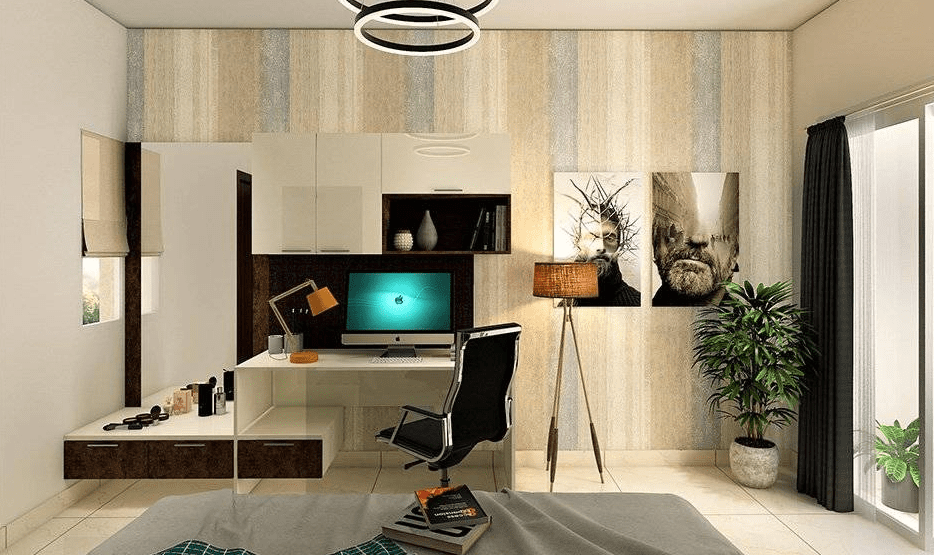
In my experience working on eclectic interiors, a ratio of roughly 60 percent neutrals, 30 percent color, and 10 percent high-contrast accents keeps bedrooms feeling inviting rather than hectic. This is not a strict rule, but it is a useful guideline. For instance:
- Walls, ceiling, and floors: mostly light or mid-tone neutrals
- Major furniture: a mix of neutral wood, black, or softly colored pieces
- Decor: vivid bedding, patterned curtains, colorful lamps, bold artwork
Be selective about where your brightest hues live. Bedding, throw blankets, and pillows are low-risk places to experiment because they can be swapped seasonally at relatively low cost. Rugs and curtains are a bit more of an investment, so choosing lively yet slightly muted colors often extends their lifespan. Based on real-world testing with clients, colors like ochre, merlot, olive, and deep teal tend to age more gracefully than neons or ultra-saturated brights in a bedroom context.
Mixing Patterns, Textures, and Statement Pieces
Pattern mixing is one of the hallmarks of eclectic bedroom styling and a major opportunity to bring in personality. The key is to vary scale and motif. For instance, pairing a large-scale floral duvet with a medium-scale striped blanket and small-scale geometric accent pillows keeps the eye moving without creating confusion. If all patterns are the same size, they fight for attention and the room can quickly feel cluttered.
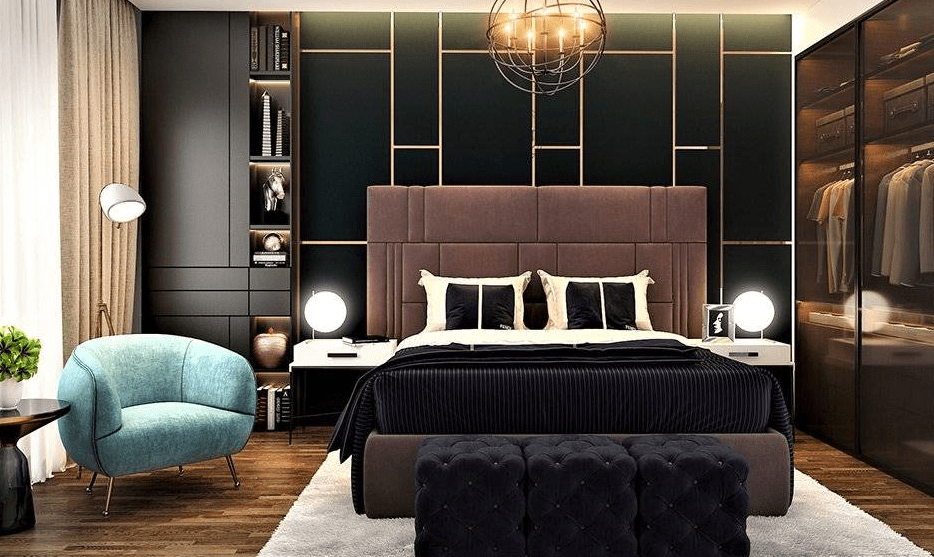
From hands-on work with clients, I recommend choosing a “hero pattern” first, then selecting two or three supporting patterns that echo its colors or mood. A Persian-inspired rug with deep reds and navy can be the hero, with graphic lumbar pillows and a subtle pinstripe sheet set as supporting players. To keep things cohesive:
- Combine at least one organic pattern (floral, abstract, painterly) with one structured pattern (stripe, grid, check).
- Repeat colors from your hero pattern in the supporting ones, even if the motifs differ.
- Use solid textiles as “breathers” between busier elements, such as a solid throw blanket across patterned bedding.
Texture is just as important as pattern in a bold eclectic bedroom. A mix of rough and smooth, matte and reflective surfaces enriches the space and prevents flatness. Consider pairing:
- Linen or slub cotton bedding with velvet pillows
- Woven baskets with glossy ceramic lamps
- Jute or wool rugs with lacquered or metal side tables
In my experience, bedrooms feel more restful when textures lean toward soft and tactile, even if the colors are bold. Prioritize comfort in pieces that touch skin, such as sheets and throws. Cotton, linen, and high-quality blends that are breathable and easy to wash tend to perform best for most climates.
Curating Art, Objects, and Vintage Finds
Art and objects are where eclectic bedroom decor becomes truly personal. Instead of buying a matched set of wall art, curate a mix of pieces that speak to your experiences and interests. This might include paintings, prints, handmade textiles, travel mementos, or even framed handwritten notes. The content matters less than your connection to it.
Based on my past work with clients, a well-planned gallery wall behind the bed or above a dresser can be the centerpiece of an eclectic bedroom. To keep it visually grounded:
- Choose 1 or 2 main colors to repeat across most artworks.
- Mix frame finishes, but anchor the collection with at least three frames in the same tone (for example, mostly black frames with a few brass and wood).
- Align at least one edge (top, bottom, or center line) to give the grouping a sense of structure.
Vintage and secondhand pieces add history and depth to a bold bedroom. A patinated brass lamp, a carved wooden stool, or a mid-century sideboard can become conversation starters. From hands-on projects, I have found that introducing one strong vintage piece per area of the room is enough to give character without turning the space into a museum. Always inspect vintage items for safety, especially lighting, and have them rewired by a qualified professional if there is any doubt.
Layered Lighting for Mood and Function
Lighting can make or break an eclectic bedroom. Even the most thoughtful color palette and pattern mix will fall flat under harsh, unbalanced lighting. Plan for at least three layers: ambient, task, and accent. Ambient lighting usually comes from overhead fixtures or recessed lighting. Task lighting covers reading and focused activities, often with bedside lamps or swing-arm sconces. Accent lighting highlights art or creates a soft glow in corners, using objects like small table lamps or LED strips.
In my experience designing bedrooms, the most comfortable lighting schemes rely on warm white bulbs between 2700K and 3000K. This range is flattering to skin tones and calming for evening use. Dimmers are extremely helpful, especially for ceiling fixtures, because they allow you to shift from bright cleaning light to soft wind-down light quickly. If you live in a very sunny climate, consider how natural daylight interacts with your colors, and choose window treatments that can filter or block light when needed for sleep.
Accent lighting is where eclectic styling can truly shine. You might incorporate:
- A sculptural floor lamp with a colored shade
- Vintage table lamps with patterned shades
- LED strip lighting behind a headboard or around shelving
- String lights used sparingly to frame art or a mirror
Based on real-world testing, careful placement matters for both aesthetics and safety. Keep fabrics away from hot bulbs, secure cords to avoid tripping hazards, and only use fixtures that are rated for bedroom use. When possible, choose bulbs that are labeled as low flicker and compatible with your dimmer type to reduce eye strain.
Building a Collected, Not Cluttered, Look
A bold eclectic bedroom should feel curated rather than chaotic. The difference often comes down to editing and spacing. Leave visual breathing room on surfaces like nightstands and dressers, even if you love accessories. For example, group items in threes by varying height and shape: a lamp, a stack of books, and a small bowl works better than ten small objects spread randomly.
From hands-on work with clients, I have found that regularly rotating decor helps maintain a fresh feel without adding clutter. Store some of your favorite pieces in a closet and swap them out seasonally. This approach keeps emotional meaning high while preventing the “everything out at once” look. Simple organizers inside drawers and under the bed can hide less attractive but necessary items so that the visible layers stay intentional.
Consider these practical guidelines:
- Aim for at least 30 percent of any horizontal surface to remain visible.
- Keep walking paths clear at 30 to 36 inches for comfortable movement.
- Limit open storage (like shelves) in the bedroom to pieces you genuinely enjoy looking at daily.
In my experience, the most relaxing eclectic bedrooms prioritize comfort and function first, then layer decor around those needs. A supportive mattress, breathable sheets, and blackout or room-darkening curtains create the foundation so your bolder design elements can be fully enjoyed rather than resented.
Styling the Bed as the Eclectic Centerpiece
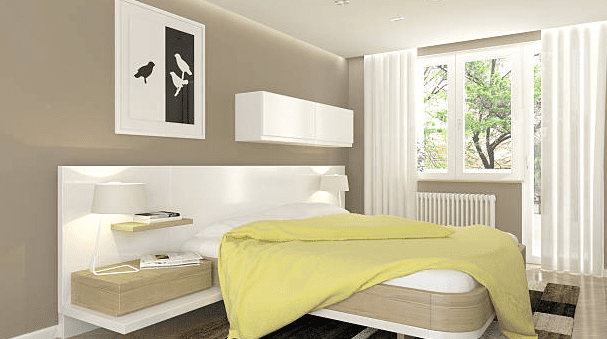
The bed is often the visual and emotional center of the bedroom, so it is a perfect place to express a bold eclectic style. Start with a neutral or softly colored base sheet set to make mixing easier. Then layer patterned duvets, quilts, and throws across the foot of the bed, allowing multiple textures to show. A washed linen duvet with a block-printed quilt and a chunky knit throw can co-exist beautifully if they share a few colors.
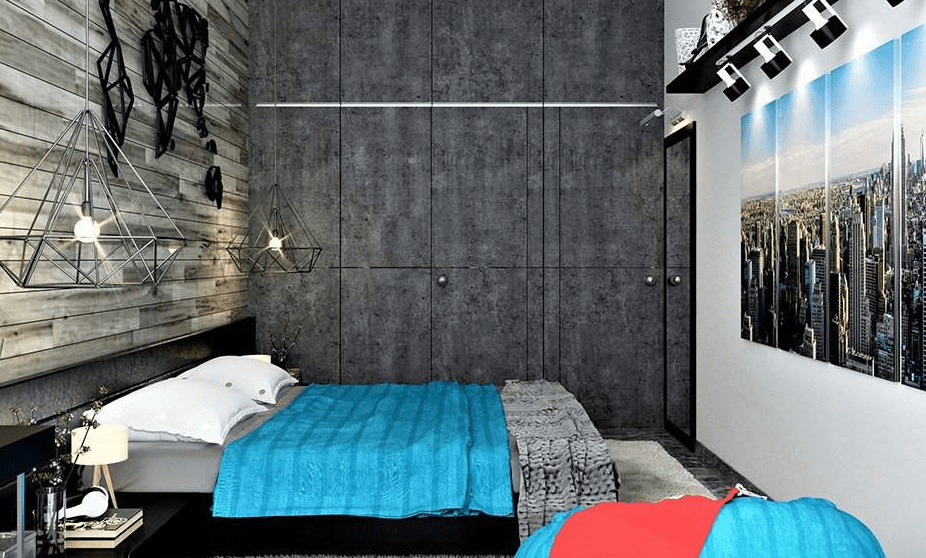
Based on my past work with clients, pillow styling is where many people either hesitate or overdo. A practical approach is:
- 2 to 4 sleeping pillows in neutral or simple covers
- 2 to 3 larger Euro shams in a main pattern or color
- 1 to 2 smaller accent pillows in contrasting textures or prints
This keeps the bed feeling plush without making daily make-up and breakdown feel like a chore. Use pillow inserts that are slightly larger than the covers for a fuller look. For durability and comfort, cotton or linen covers with removable zippers are easier to wash and maintain than delicate fabrics.
Headboards and bed frames are another opportunity for eclectic impact. Consider:
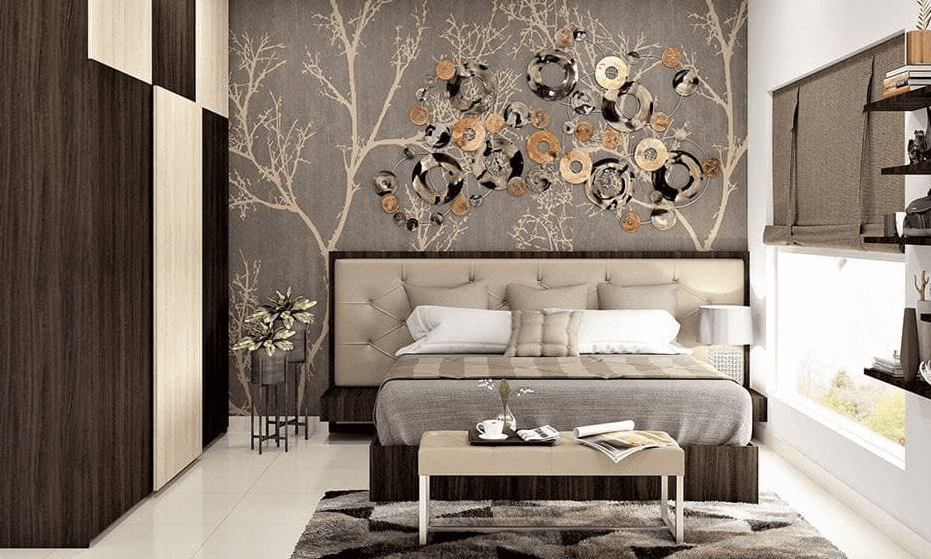
- Upholstered headboards in jewel tones or bold prints
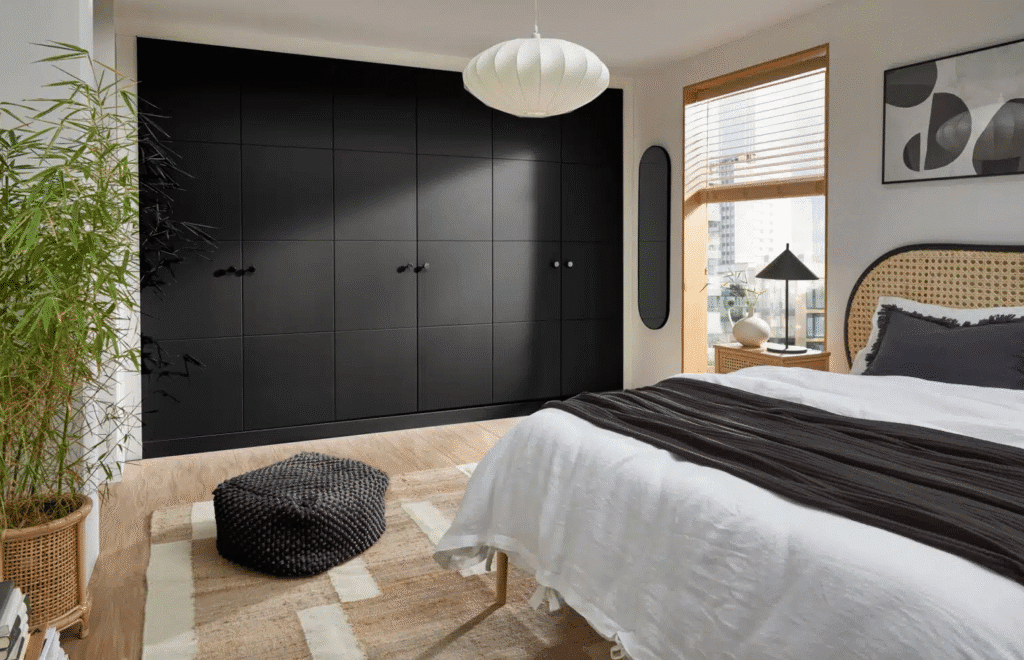
- Rattan or cane headboards for natural texture
- Painted or metal frames for a more modern, industrial edge
From hands-on projects, I have noticed that even a simple platform bed can feel high-end when dressed thoughtfully with layered textiles and considered color repetition. Always ensure that any bed frame you choose can support your mattress type and size according to manufacturer specifications to avoid premature wear.
Conclusion
Bold eclectic bedroom decor thrives on individuality, layered color palettes, and a confident mix of patterns, textures, and meaningful objects. With a clear anchor color, carefully curated statement pieces, and thoughtful lighting, your bedroom can become a deeply personal retreat that feels both energizing and restful.
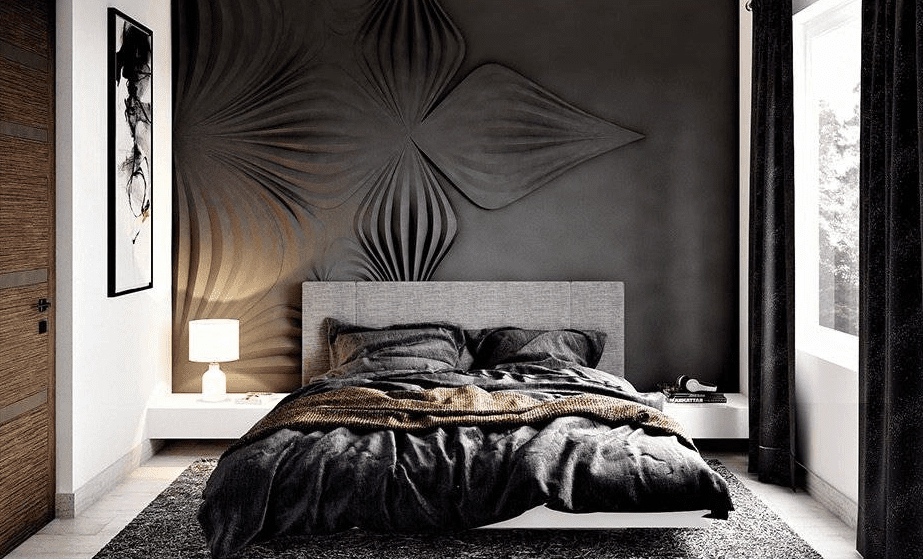
In the end, the most successful bold eclectic bedrooms balance creativity with comfort. By grounding the space in neutrals, repeating your focal hues strategically, and editing accessories with care, you create a room that looks artful yet lives easily. In my experience working on eclectic interiors, the bedrooms clients cherish most are not the most perfectly styled, but the ones that reflect their stories, travels, and evolving tastes.
As you experiment with vibrant decor, remember that nothing has to be permanent. Paint can be changed, textiles can be swapped, and furniture can be rearranged. Treat your eclectic bedroom as an ongoing creative project rather than a finished product, and you will find that each small adjustment brings you closer to a space that truly feels like home.

Maira Lindey is a home decor enthusiast who loves transforming ordinary spaces into warm, stylish havens. Through her writing, she shares simple, creative ideas that help people make their homes both beautiful and comfortable. Her approach combines aesthetic charm with practical solutions for everyday living.
With years of experience experimenting with colors, textures, and layouts, Maira enjoys guiding readers to express their personality through home design. She believes that even small changes can have a big impact, and she focuses on tips that are easy to implement without overwhelming the space or the budget.
Beyond decorating, Maira finds inspiration in nature, art, and everyday life. She encourages her readers to embrace creativity and make spaces that feel uniquely theirs, blending functionality with style in ways that are both inviting and livable.