In a cottage-core home, artisan pottery works like visual poetry, layering storybook charm, tactile warmth, and personal history into every corner. This guide explores how handcrafted ceramic pieces can elevate a cozy, maxima-list cottage into a magical, lived-in sanctuary.
Artisan pottery brings a sense of slowness and care that aligns perfectly with cottagecore values. Each mug, vase, and bowl carries the imprint of human hands, subtle irregularities, and glazes that shift in the light. When you curate these pieces with intention, your home begins to feel less like a styled room and more like a beloved, evolving nest.
Throughout this article, you will find specific ideas for handcrafted pottery accents, tips for styling them in maxima-list cottage spaces, and practical notes on durability and maintenance. From whimsical ceramic decor to everyday tableware, each suggestion is grounded in real-world experience and a respect for materials and craft.
Handcrafted pottery accents for storybook cottage vibes
Handcrafted pottery is one of the quickest ways to give your home that storybook cottage feeling that so many cottagecore enthusiasts adore. The irregular curves, soft glazes, and visible throwing lines on a pot immediately signal that someone took time to make it. This sense of time and care resonates strongly in spaces that celebrate nostalgia, nature, and slow living. When you mix these artisan pieces with vintage finds, woven textiles, and natural wood, your home begins to feel like a fairy tale setting you can actually live in.
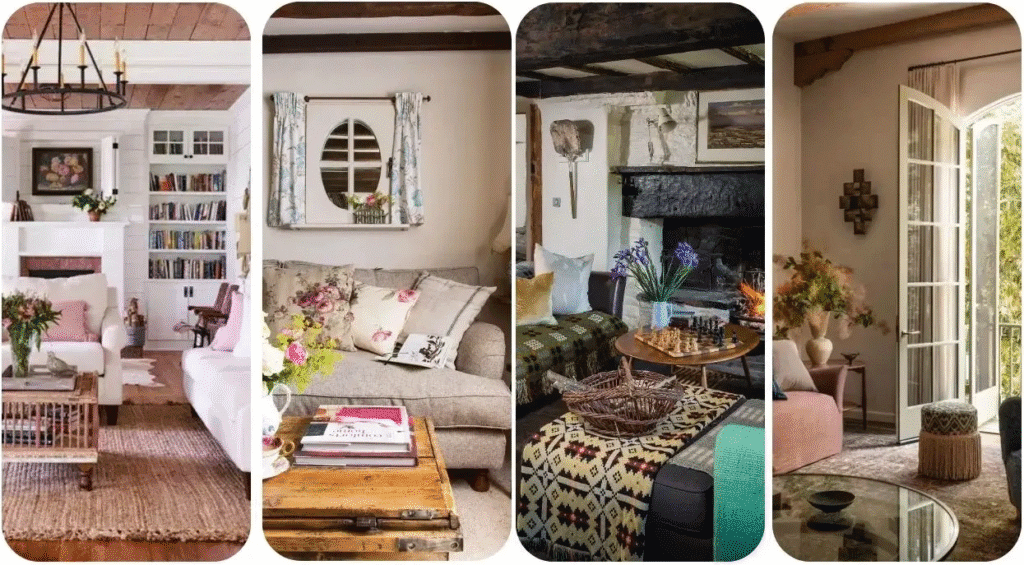
In my experience working with clients who love cottage-core interiors, the pieces that get the most compliments are almost always the handmade ceramics: the slightly wobbly pitcher full of wildflowers, the scalloped-edge bowl holding fruit, the tiny ring dish on a windowsill. These objects are modest in scale but rich in presence. They invite touch, and they soften even minimalist architecture with their organic forms. For maxima-list cottage interiors, layered collections of pottery on open shelves or in glass-front cabinets can become a focal point that anchors the room.
To lean into storybook cottage vibes, focus on pottery with tactile details and nature-inspired motifs. Look for:
- Soft, milky glazes in cream, moss, and sky blue
- Hand-painted floral patterns, mushrooms, and woodland creatures
- Pressed botanical textures from real leaves or flowers
- Scalloped rims, ruffled edges, and hand-formed handles
From hands-on styling projects, I have found that three to five key pottery pieces per room are enough to set the tone, with smaller accents sprinkled in to add depth. The goal is to feel surrounded by comforting objects without tipping into visual chaos.
Whimsical ceramic decor ideas for cozy cottage spaces
Whimsical ceramic decor thrives in cozy cottage spaces where imagination is just as important as function. Think of little toadstool sculptures on bookshelves, tiny ceramic cottages on window ledges, and animal-shaped bud vases peeking out from piles of books. These artisan pottery accents do not have to be large or expensive to create a cottagecore effect. They work best as playful surprises your eye discovers gradually.
Based on real-world projects, one of the most successful strategies is to treat ceramics as story fragments scattered throughout the home. For example, a ceramic fox on a mantle might reappear as a fox motif on a kitchen mug or a hand-painted tile by the sink, creating a subtle narrative thread. You can also coordinate glaze colors so that your whimsical pieces echo each other from room to room: a pale sage glaze on a candle holder that repeats on a small vase and a spoon rest.
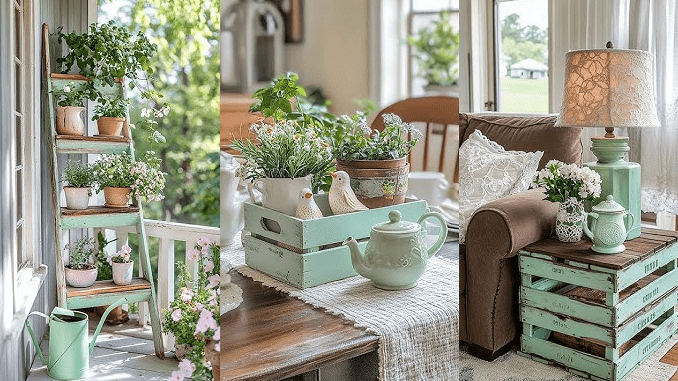
Here are a few whimsical decor ideas that work well in cottage-core, maxima-list homes:
- Miniature ceramic mushrooms clustered on a tray or nestled in potted plants
- Handmade ceramic birds perched on stacks of vintage books
- Tiny lidded “treasure jars” for buttons, seeds, or keepsakes
- Moon and star wall hangings or garlands made of clay
- Ceramic bells or chimes hung near doors or in covered porches
In my experience working on small-space cottages, integrating whimsical ceramics at varying heights is crucial: eye level for shelves, low on coffee tables, and high on beams or hooks. This vertical layering keeps a maxima-list display feeling intentional rather than cluttered.
Choosing artisan pottery that suits cottage-core maximal-ism
Cottagecore maximalism celebrates abundance, but it still benefits from thoughtful curation. Not every handcrafted ceramic piece will suit your space. The most successful cottagecore homes carefully balance color, texture, and scale so that the space feels rich, not overwhelming. When choosing artisan pottery, it helps to define a loose palette and a few recurring shapes, then give yourself permission to play within those boundaries.
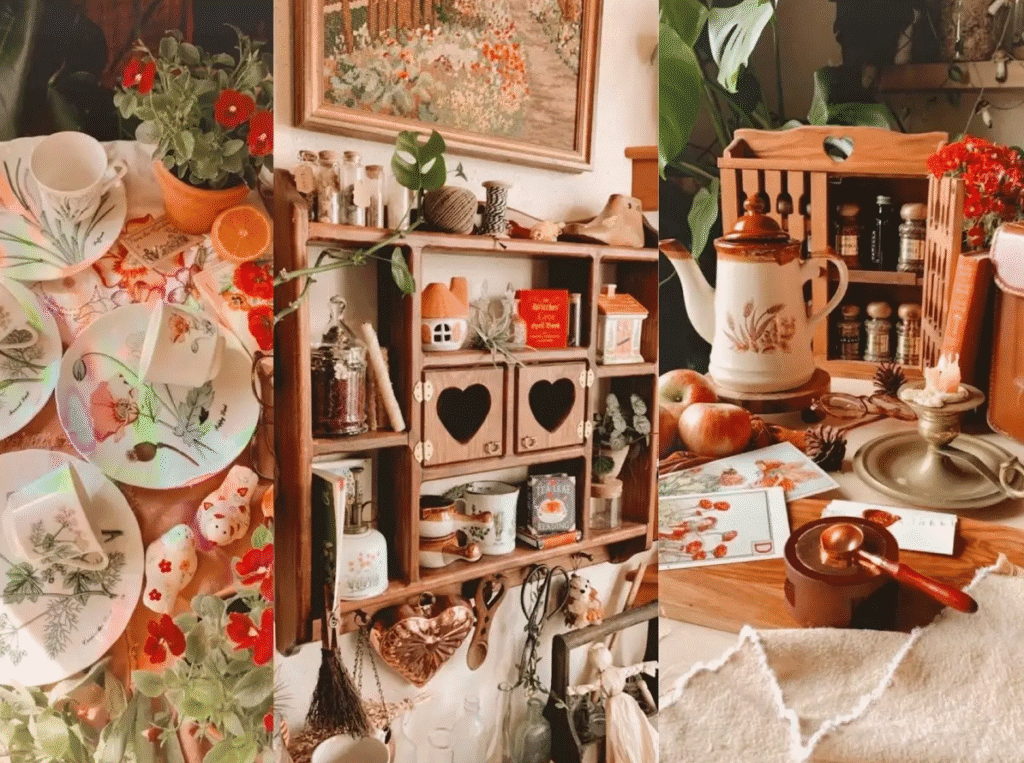
From hands-on work with pottery collectors, I have found that starting with a core trio of glaze families works well. For example: warm creams and oat tones, soft greens, and muted blues. You can then introduce one or two accent colors, such as terracotta or blush, in smaller quantities. This approach keeps open shelves and hutches visually tied together, even when the individual pieces are mismatched. Similarly, repeating shapes such as rounded mugs, fluted vases, or shallow dishes creates continuity across your collection.
When selecting artisan pottery for a maxima-list home, consider:
- Durability: Stoneware is generally more durable than earthenware for daily use. Verify if pieces are food safe and dishwasher safe, since not all handmade glazes are.
- Scale: Mix large statement pitchers or vases with smaller bowls and trinket dishes for visual rhythm.
- Texture: Matte glazes and carved surfaces photograph beautifully and add depth, but glossy pieces are often easier to wipe clean.
- Function: Prioritize pieces you will use often, such as mugs, cereal bowls, and serving platters, to justify both cost and storage.
In my experience, maxima-list collectors who focus on quality over quantity end up with displays that feel curated and soulful rather than cluttered. It is better to wait for a piece you truly love from a favorite potter than to rush into buying many items that do not quite fit your cottage-core vision.
Cottage-core kitchen pottery for daily rituals
The kitchen is the heart of a cottage-core home, and artisan pottery can transform even simple routines like making tea into cherished rituals. Hand-thrown mugs, speckled mixing bowls, and rustic pitchers bring warmth to counter-tops and open shelves. When these pieces are both beautiful and functional, they bridge the gap between decor and everyday life in a satisfying way. You do not need a full set of matching dinnerware; a mix-and-match collection can actually enhance the cottage aesthetic.
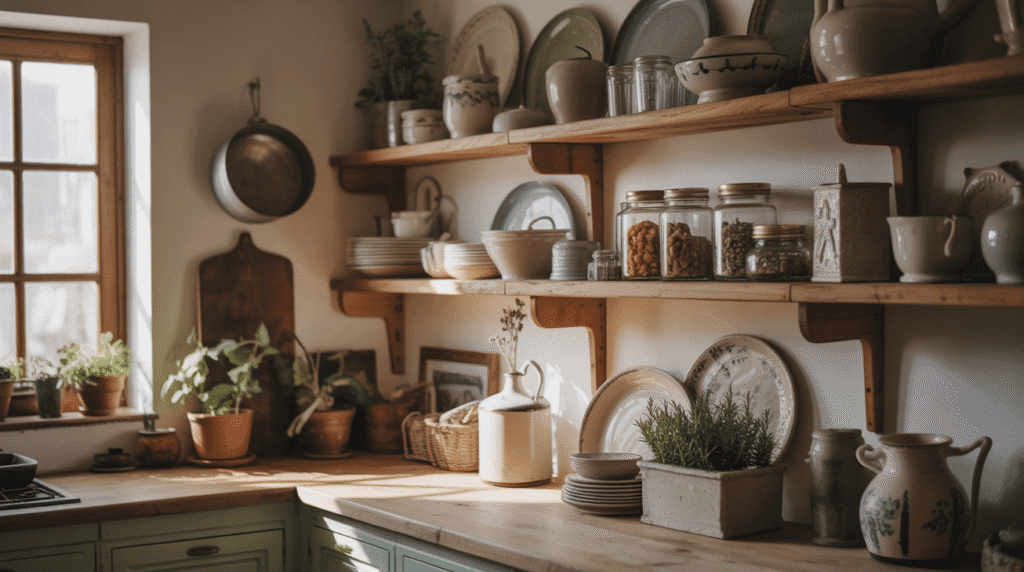
In my experience designing cottage-style kitchens, starting with a small capsule collection of kitchen pottery yields the most impact. A set of four to six handmade mugs, a couple of medium-sized bowls, and one or two serving platters can change the entire feeling of mealtimes. Foods like bread, fruit, and leafy salads always look more inviting against the subtle variations of hand-applied glaze. For long-term use, confirm with the maker that the pieces are food safe and safe for typical kitchen use. Many artisan potters label if items are microwave safe and dishwasher safe, although gentle hand washing will extend their lifespan.
Useful cottage-core kitchen pottery accents include:
- Deep stoneware mixing bowls that double as serving pieces
- A handcrafted butter dish or cheese dome for open shelving or the table
- Small ramekins or pinch bowls for herbs, spices, and sauces
- A ceramic utensil crock for wooden spoons and ladles
- Lidded jars for tea, sugar, oats, or homemade granola
From hands-on experience, keeping heavily used pottery away from direct stove-top heat or sudden temperature changes is important for safety and longevity. For instance, avoid moving a chilled ceramic dish directly into a very hot oven unless the potter states the piece is oven safe and designed to handle thermal shock.
Handmade vases and vessels for wildflower cottage charm
Nothing captures cottagecore charm like wildflowers in a handmade vase on a windowsill. Artisan vases and vessels make everyday cuttings from your garden or local market feel like art. The imperfect geometry of a hand-thrown vase often suits loose, untamed arrangements better than rigid, symmetrical glassware. This combination of rustic pottery and foraged blooms brings nature indoors in a deeply romantic way.
In my experience styling photo-ready cottage interiors, slim-neck vases and squat, round vessels are the most versatile shapes. Slim-neck vessels support delicate stems like cosmos or chamomile, while wide-mouthed vases work well for lush arrangements of roses, peonies, and seasonal branches. Textured surfaces, such as carved lines or pressed lace, add visual interest even when the vase is empty. When choosing glazes, consider how they will interact with flower colors: neutral creams and soft greens tend to complement most floral palettes.
Here are practical ways to integrate artisan vases into cottage-core decor:
- Cluster three vases of different heights at the center of a dining table
- Place single-stem bud vases on bedside tables and bathroom shelves
- Use a large, rustic pitcher as a vase for branches or tall flowers
- Display empty vessels on open shelving so they read as sculptural objects between uses
From real-world use, I recommend rinsing vases promptly after flowers are removed to prevent mineral buildup and odor. For narrow-neck pieces, a bottle brush or a mix of warm water and a bit of vinegar makes cleaning easier without harsh chemicals that might damage certain glazes.
Ceramic planters and nature motifs in indoor cottage gardens
Cottage-core homes often blur the line between indoors and outdoors, and artisan pottery planters are key to that effect. Handcrafted ceramic pots give houseplants and kitchen herbs a tailored backdrop that matches the storybook cottage vibe. Unlike plastic planters, ceramics add weight, stability, and a sense of permanence. Many cottage-style planters also feature nature motifs such as leaves, vines, snails, and mushrooms that reinforce the woodland aesthetic.
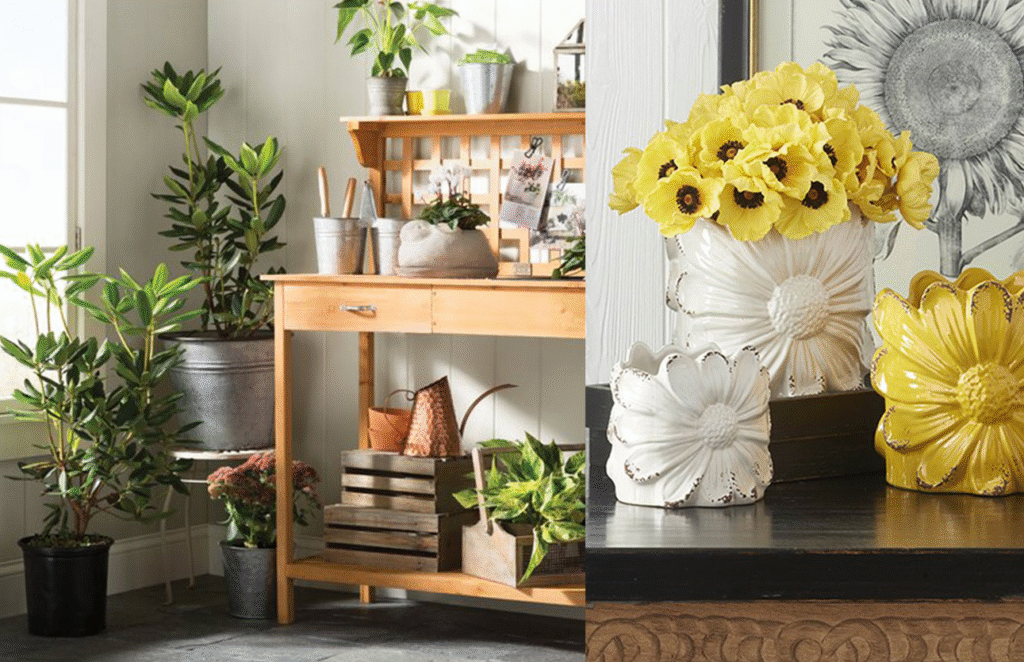
From hands-on projects creating indoor cottage gardens, I have found that a mix of glazed and un-glazed planters looks especially charming. Un-glazed terracotta-style pottery allows soil to breathe and helps prevent over-watering, while glazed ceramic pots hold moisture longer and can be easier to clean. It is crucial to ensure that planters have proper drainage holes when used for living plants, because excess water can cause root rot. If you fall in love with a decorative pot without drainage, use it as a cachepot by tucking a smaller plastic or clay pot inside.
Useful guidelines for choosing cottage-core ceramic planters:
- Match pot size to plant roots rather than foliage to avoid soggy soil
- Consider lighter-weight pots for hanging plants and shelves
- Line wooden furniture or shelves under planters with trays to protect against moisture damage
- Choose soft greens, off-whites, and earthy browns for a natural palette, then add a few whimsical painted pieces for accents
In my experience, grouping plants in handcrafted pots at varying heights on stools, crates, and plant stands creates a lush yet organized look. This vertical layering also ensures that plants receive appropriate light based on their needs. Always match plant species to your home’s actual light levels rather than purely aesthetic goals.
Displaying pottery collections for layered cottage character
How you display artisan pottery has as much impact as the pieces themselves. Cottagecore maximalist homes thrive on layered, lived-in displays that feel collected over time. Open shelving, plate racks, hutches, and window ledges are ideal for showcasing pottery in a way that feels casual yet intentional. The aim is to create small vignettes that tell a story rather than lined-up rows that feel like a shop display.
In my experience styling larger pottery collections, grouping items by color family or function is more harmonious than trying to line everything up perfectly. For instance, you might create a “tea corner” with mugs, a teapot, and a sugar bowl, or a “baking zone” with mixing bowls and measuring cups. Varying heights using stacked books, cutting boards, or risers keeps the eye moving and prevents displays from feeling flat. Leaving a bit of breathing room between clusters ensures that each piece can be appreciated.
Some practical display strategies for artisan pottery:
- Use plate stands or grooves to show off decorative plates and shallow bowls
- Arrange 3, 5, or 7 pieces in a cluster, since odd numbers often look more natural
- Layer pottery with textiles such as linen runners or crochet doilies for softness
- Mix materials by pairing ceramics with wood, glass, and metal for balance
From real-world homes, I have found that rotating pottery seasonally keeps collections fresh and reduces wear. For example, thicker, cozier mugs and darker glazes can come out in autumn and winter, while lighter, pastel pieces shine in spring and summer. This rotation also spreads usage and helps prevent chips on any one favorite piece.
Caring for artisan ceramics in everyday cottage living
Artisan pottery is made to be used and loved, but it does require some mindful care. Since each potter’s clay body and glaze chemistry is slightly different, it is best to follow the maker’s specific instructions where available. Generally, stoneware is strong enough for everyday use, while porcelain can be delicate, and earthenware is more porous and better suited to low-impact uses such as decor or dry foods.
Based on real-world testing in busy family cottages, gentle hand washing with a soft sponge and mild soap is the safest approach for cherished pieces. Many handmade ceramics are dishwasher safe, but repeated high-heat cycles can slowly dull certain glazes or increase the risk of micro fractures, especially if items knock against each other. Sudden temperature changes can also stress ceramic, so avoid moving pieces directly from the refrigerator to a hot oven unless the potter has clearly stated that the item is oven safe and designed for that purpose.
For long-term enjoyment of your artisan pottery:
- Use felt pads or linen cloths under heavy pieces on delicate furniture
- Avoid soaking unglazed bottoms for long periods to prevent water absorption
- Store stacked dishes with thin felt or paper between them to reduce scratching
- Repair small chips with food-safe repair kits only when clearly marked as such, or reserve chipped items for decorative use
From hands-on use over the years, I have seen that a small chip or hairline crack does not always mean a piece must be discarded. Many cottagecore enthusiasts repurpose flawed items as planters, dried flower vases, or purely decorative accents. This approach respects both the object and the maker’s work, aligning with a sustainable, slow-living philosophy.
Conclusion
Artisan pottery enriches a whimsical cottagecore home by layering story, texture, and heartfelt craft into every room. When you choose handmade pieces that align with your colors, rituals, and love of nature, your space begins to feel like a personal storybook you can step into each day.
By focusing on durable stoneware for daily rituals, whimsical ceramics for character, and carefully curated displays, you can achieve maximalist abundance without visual chaos. In my experience working with cottage-inspired homes, the most successful interiors are those where every mug, vase, and trinket dish has a purpose and a memory attached. Over time, your pottery collection becomes a living archive of seasons, travels, and relationships.
Cottagecore is ultimately about slowing down and savoring simple pleasures. When you wrap your hands around a handmade mug or tuck wildflowers into a small, imperfect vase, you participate in that philosophy in a tangible way. With thoughtful selection, respectful care, and a willingness to mix beauty with everyday function, artisan pottery can transform any house into a whimsical, enduring cottage sanctuary.

Maira Lindey is a home decor enthusiast who loves transforming ordinary spaces into warm, stylish havens. Through her writing, she shares simple, creative ideas that help people make their homes both beautiful and comfortable. Her approach combines aesthetic charm with practical solutions for everyday living.
With years of experience experimenting with colors, textures, and layouts, Maira enjoys guiding readers to express their personality through home design. She believes that even small changes can have a big impact, and she focuses on tips that are easy to implement without overwhelming the space or the budget.
Beyond decorating, Maira finds inspiration in nature, art, and everyday life. She encourages her readers to embrace creativity and make spaces that feel uniquely theirs, blending functionality with style in ways that are both inviting and livable.