Transform industrial barrels into bold, sculptural furniture that gives modern creative homes a distinctive edge. This guide explores how to use repurposed barrel furniture to create daring seating and striking tables that feel both artistic and practical.
Repurposed barrel furniture brings together sustainability, industrial character, and sculptural design, making it ideal for homeowners who want a modern interior that feels bold, creative, and deeply personal. This article explores the most effective ways to turn humble barrels into standout seating and tables that function as everyday art pieces.
Sculptural Barrel Seating for Bold Living Rooms
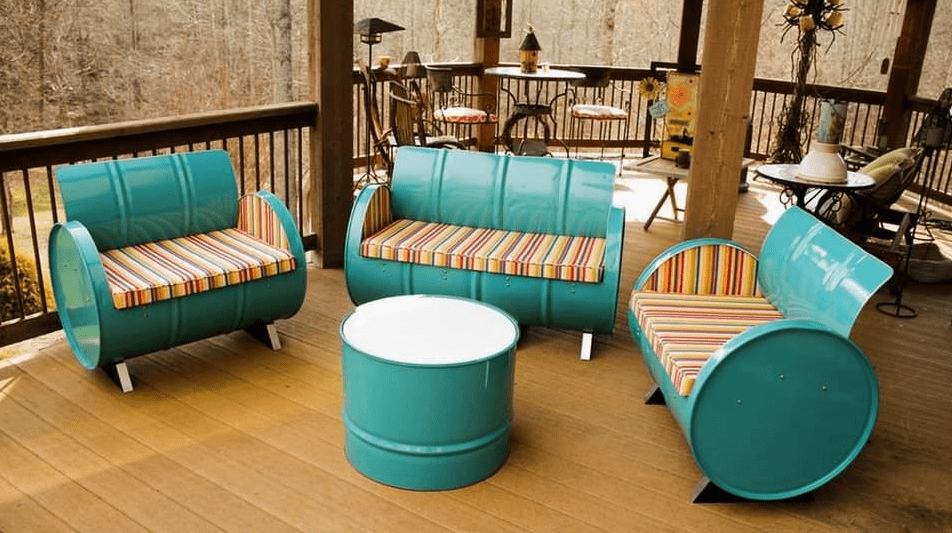
Barrel seating instantly creates a focal point in a modern living room, because it looks like a functional sculpture rather than standard furniture. By cutting and reshaping steel, oak, or wine barrels, you can design chairs, loungers, and accent seats that curve around the body while spotlighting raw materials. This type of seating works especially well in open-plan lofts, converted warehouses, and modern homes that already feature concrete, exposed brick, or steel details. The key is to strike a balance between the rugged silhouette of the barrel and the comfort you expect from everyday seating.
In my experience working on modern industrial interiors, barrel armchairs feel most successful when paired with high-quality cushions and careful detailing. Bare metal edges must be ground smooth, sealed, and sometimes capped with edging to avoid sharp surfaces. For wine or whiskey barrels, a clear matte finish retains the grain, while oil-based finishes offer deeper tones and improved moisture resistance. Comfort comes from ergonomic shaping: slightly reclining the backrest, adding lumbar support, and using foam in the 1.8 to 2.5 density range for seats that hold shape without feeling overly firm.
Designers can use barrel seating to define zones within a living room. For example, two barrel armchairs angled around a small barrel side table can create a reading nook within a larger space. Some useful design guidelines include:
- Space chairs 18 to 24 inches apart for comfortable conversation.
- Aim for a seat height of 16 to 18 inches for lounge chairs so they align with most sofas.
- Use non-slip felt pads or rubber feet to protect hardwood or polished concrete floors.
From hands-on projects, I have found that pairing a sculptural barrel chair with a simple linen or cotton rug helps soften the industrial mood and makes the whole arrangement feel intentional rather than improvised.
Up-cycled Barrel Chairs that Double as Art Pieces
Upcycled barrel chairs can be treated like functional sculptures that express the story of their previous life. Weathered steel drums, wine barrels with cooper stamps, and painted industrial barrels each bring their own patina and markings. When you preserve these details, the resulting barrel chair becomes a conversation starter as much as a place to sit. Many modern creative homes use one or two such chairs in a minimal setting so that the sculptural silhouette can really stand out.
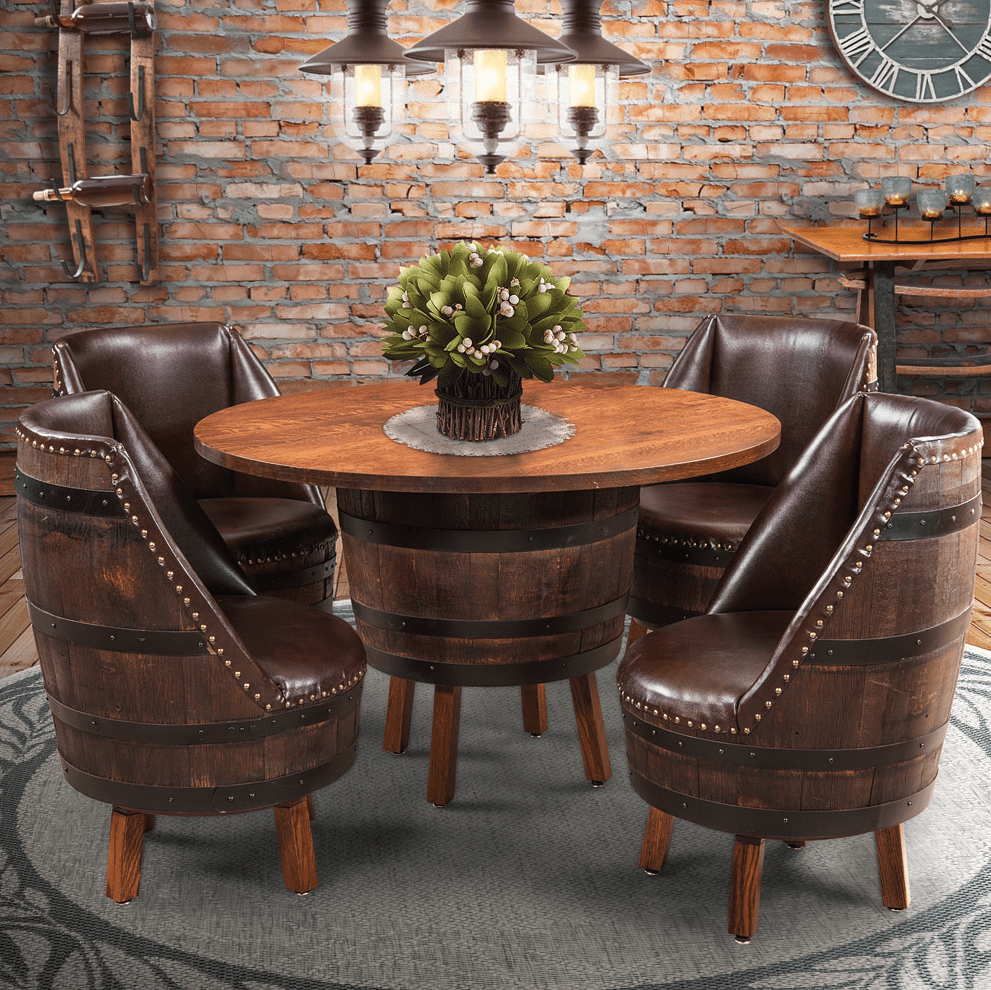
Based on real-world work with clients, the most striking barrel chairs often rely on contrast. For instance, a rough, brushed metal exterior combined with ultra-soft velvet upholstery, or a rustic oak barrel shell paired with crisp white boucle fabric. Thoughtful detailing also matters: recessed LED strips inside the cut barrel can halo the form with a soft glow, or powder-coated frames in bold colors can transform the look from rustic to gallery-like. If you use integrated lighting, always select low-heat LED strips and follow electrical safety guidelines, including proper insulation and certified components.
To integrate barrel chairs as art pieces in a living room, approach placement the way you might position a sculpture.
- Give each chair at least 30 to 36 inches of visual breathing room from surrounding furniture.
- Avoid crowding multiple sculptural pieces; one strong form often has more impact than several competing ones.
- Use focused lighting such as track lights at 2700K to 3000K to create a warm, inviting tone that highlights contours without glare.
From hands-on projects, I have found that a single upcycled barrel lounge chair paired with a large abstract artwork on the wall provides a compelling, gallery-like arrangement that still feels livable.
Comfort and Ergonomics in Barrel Seating Design
The biggest misconception about barrel seating is that it must be uncomfortable. With correct cutting angles, padding, and dimensions, barrel chairs can be as supportive as conventional seating while still looking bold and unconventional. The curved barrel walls can even assist ergonomics by naturally following the shape of the back. Professional-grade upholstery foam and sturdy internal supports are crucial to ensure durability and daily comfort, especially in living rooms that see frequent use.
In my experience designing custom barrel seating, the following ergonomic guidelines tend to produce the best results:
- Seat depth: 18 to 21 inches for lounge seating so feet can rest flat on the floor.
- Backrest height: at least 12 inches above the seat surface for reasonable support.
- Arm height: around 24 inches from the floor allows relaxed arm placement.
When cutting barrels, it is important to carefully map out these dimensions before making any permanent cuts. Metal barrels need reinforcing ribs or riveted brackets to maintain structure, while wooden barrels may require hidden plywood bases to prevent rocking.
Comfort also depends heavily on fabrics and finishes. Breathable textiles such as cotton blends, linen, or durable performance fabrics work well in warm climates, while wool blends or velvet add a cozy feel in cooler regions. For homes with children or pets, stain-resistant performance fabrics with Martindale ratings above 25,000 cycles can better withstand wear. Factual note: no fabric is entirely stain-proof, so routine maintenance with manufacturer-approved cleaners and prompt blotting of spills remains essential. From working in family homes, I have found that pairing dark-toned barrel exteriors with mid-tone, patterned cushions hides signs of daily use better than solid light colors.
Color, Finish, and Texture Strategies for Barrel Seating
The impact of barrel furniture in a modern creative home depends heavily on color and finish strategy. Raw galvanized or weathered steel creates a rugged industrial look, while matte black powder coating gives a sleek, architectural profile. For wooden barrels, clear finishes highlight grain and heritage stamps, while tinted stains can align the pieces with an existing color palette. Color choices should complement, not fight, the room’s main tones.
A practical way to develop a cohesive palette is to pick one of these approaches:
- Monochrome: Black or white barrel shells with matching textiles for a gallery-like minimalism.
- High contrast: Dark metal or charred wood exteriors with light, airy fabrics to avoid visual heaviness.
- Earthy warmth: Natural oak, chestnut, or walnut finishes with clay, terracotta, or olive upholstery for grounded comfort.
From hands-on design work, I have found that dark barrels placed against dark walls often disappear visually, while placing them near lighter walls clearly outlines the silhouette and creates a stronger sculptural effect.
Texture is equally important in barrel seating design. Rough, brushed metal surfaces can be balanced with plush cushions, chunky knits, or layered throws to keep the piece from feeling too cold. For safety and comfort, any textured finish should be sealed to prevent snags or splinters, especially on reclaimed wooden barrels that may have hairline cracks. A satin or matte clear coat usually offers enough protection without veering into overly glossy territory. In modern creative homes that emphasize tactile experiences, pairing a cool metal barrel chair with a soft wool rug underfoot helps create a more sensory, welcoming corner.
Up-cycled Barrel Tables for Creative Modern Homes
Barrel tables combine utility and creativity, turning surplus barrels into coffee tables, side tables, bar tables, or even sculptural display pedestals. The cylindrical shape works well in living rooms where you want to break up the linear lines of sofas and media units. Upcycled barrel coffee tables can anchor a seating area, while narrower barrel side tables serve as convenient spots for lamps, books, and drinks. The appeal lies in the contrast between industrial form and refined tabletop materials.
In my experience working on modern creative homes, the most successful barrel tables often use a layered material approach. For instance, a steel drum base with a round tempered glass top allows the barrel silhouette to stay visible while providing a smooth, easy-to-clean surface. Alternatively, pairing a wine barrel base with a live-edge wood top creates a warm, organic focal point that works well in eclectic or rustic-modern interiors. For safety, it is important to use tempered glass at least 8 to 10 millimeters thick for coffee tables and ensure that tops are securely fixed or use non-slip pads.
Barrel tables also lend themselves to practical storage solutions. By adding a hinged wood or metal top to a cut barrel, you can create hidden storage for throws, games, or barware. Useful guidelines include:
- Standard coffee table height: about 16 to 18 inches, level with or slightly lower than the sofa seat.
- Side table height: typically 22 to 26 inches, close to armrest height for easy reach.
- Allow at least 16 to 18 inches of clearance between barrel coffee tables and seating for comfortable movement.
From hands-on installs, I have found that adding small locking casters inside a short barrel base keeps the industrial look intact while making heavy tables easy to move for cleaning or entertaining.

Barrel Coffee Tables as Living Room Centerpieces
When treated thoughtfully, a barrel coffee table can be the visual anchor of a bold living room. The cylindrical mass naturally draws the eye, so it is ideal for spaces that lack architectural focal points such as fireplaces. For modern creative homes, styling the table with curated objects, books, or plants enhances its sculptural role. The table then acts as both a practical surface and a subtle storytelling platform.
Based on real-world testing, the most balanced barrel coffee tables usually respect scale in relation to the seating arrangement. A good rule is to choose a table that is about two-thirds the length of the main sofa and centered so that all seats can reach it. Finishes also matter: darker bases with slightly lighter tops prevent the piece from dominating the room. If your living room is compact, consider half-barrel or narrower drum designs to keep circulation comfortable. Factual note: full-size industrial drums can be very heavy, so verify floor load capacities in older buildings if you plan to use multiple large barrel pieces.
Styling a barrel coffee table benefits from layering heights and textures on the surface. For example:
- A low stack of art books as a base layer.
- A medium-height vase with fresh or dried stems.
- A small sculptural object or candle holder as a final accent.
From working with clients, I have found that using a round tray on top of a barrel coffee table helps organize items and makes it easier to clear the surface when hosting. It also softens the industrial vibe without hiding the barrel itself.
Creative Barrel Side Tables, Bars, and Multiuse Pieces
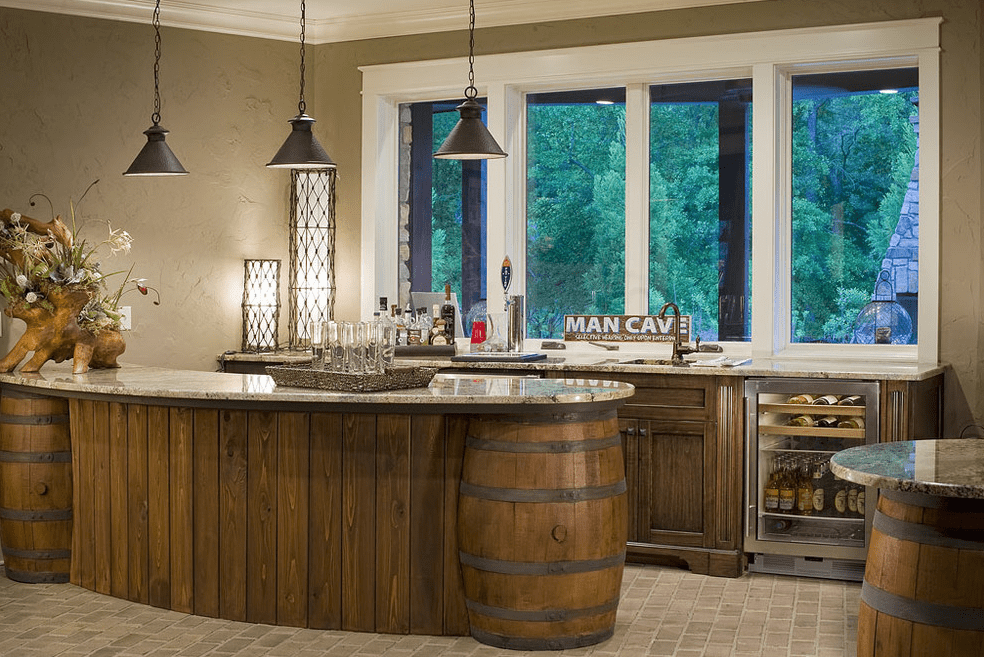
Barrel side tables and bar units are ideal for maximizing function in small or flexible living rooms. A compact barrel side table next to a lounge chair can support a lamp, a drink, or a charging station while adding character. Culled from industrial yards or wineries, each barrel has unique wear patterns, so using pairs or trios of slightly mismatched pieces can produce an intentional, curated look. Modern creative homes often use such elements to avoid feeling too polished or uniform.
In my experience building multiuse barrel pieces, combining storage and function works particularly well. For example, a cut barrel lined with shelving can serve as a mini bar or vinyl record cabinet, topped with a round wood disc for mixing drinks. For safety, any barrel previously used for chemicals or unknown substances must not be used indoors, especially for bar or food-related furniture. Only select barrels with known histories, such as food-grade or beverage barrels, and clean and seal them thoroughly. When adding interior shelves, lightweight plywood or metal grids keep the structure from becoming too heavy.
Multiuse barrel furniture is especially useful in rental homes or smaller apartments where flexibility is critical. Some practical ideas include:
- A barrel side table on locking casters that moves between reading nook and sofa.
- A barrel bar with a removable top that transforms into additional serving space during gatherings.
- A pair of slim half-barrel units that can join as one table or separate into two stands.
From hands-on projects, I have found that integrating discreet cable management in barrel pieces, such as drilled grommets and hidden clips, keeps electronics tidy without disrupting the sculptural look.
Practical Maintenance and Safety for Barrel Furniture
Repurposed barrel furniture is durable, but it still requires thoughtful maintenance and basic safety checks to remain attractive over time. Metal barrels can be prone to rust in humid environments, while wooden barrels can dry, crack, or warp if exposed to strong sunlight or fluctuating indoor humidity. A consistent maintenance routine will extend the life of these bold statement pieces and keep them looking intentional rather than improvised.
Based on my work with reclaimed materials, these maintenance practices are reliable and realistic:
- For metal barrels: Clean periodically with a damp cloth, dry thoroughly, and inspect for rust spots. Touch up with rust-inhibiting primer and matching paint where needed.
- For wooden barrels: Use a mild wood cleaner and reapply suitable finish every 1 to 3 years, depending on use and sun exposure. Maintain indoor humidity between roughly 35 and 55 percent to reduce cracking.
- For upholstered elements: Vacuum gently and follow fabric manufacturer care instructions. Spot clean spills quickly to minimize staining.
Factual note: sealing a barrel can slow but not completely prevent reactions to humidity and temperature, so expect some natural aging and patina over time.
Safety considerations are non-negotiable with any DIY or upcycled furniture, especially when heavy materials and cutting tools are involved. All sharp edges should be ground smooth and capped or sealed. Large barrel tables or chairs should have stable bases and, where possible, anchoring hardware in high-traffic or earthquake-prone areas. When using power tools for cutting or grinding, personal protective equipment such as gloves, goggles, and masks is strongly recommended. From hands-on projects, I have found that spending extra time on finishing and stability pays off by making the furniture feel professionally made rather than improvised.
Barrel furniture rewards creativity, patience, and thoughtful detailing, turning industrial remnants into sophisticated, long-lasting features. With proper planning, ergonomic care, and regular maintenance, these bold upcycled pieces can become the most memorable elements of a modern creative home, reflecting both personal style and a commitment to sustainable design.
Conclusion
Repurposed barrel furniture offers a powerful way to combine sustainability, artful design, and everyday practicality in modern creative homes. Sculptural barrel seating can reshape living rooms into gallery-like spaces, while barrel tables provide functional surfaces that double as conversation starters. By treating each piece as both furniture and sculpture, homeowners can curate interiors that feel distinctly personal and visually dynamic.
From my experience working with reclaimed materials and industrial interiors, the projects that succeed most are those that respect comfort, safety, and proportion as much as aesthetics. Attention to ergonomics, fabric performance, finish quality, and structural stability ensures that bold barrel pieces remain enjoyable long after the novelty wears off. Proper lighting, color coordination, and careful placement help each barrel chair or table integrate with the larger design narrative of the home.
For anyone considering barrel furniture, starting with a single statement piece is often the most accessible approach. Over time, this can grow into a cohesive collection of upcycled barrel seating and tables that weave together sustainability, character, and creativity. With thoughtful choices and realistic maintenance habits, bold barrel furniture can become a defining feature of contemporary living spaces rather than a passing trend.

Maira Lindey is a home decor enthusiast who loves transforming ordinary spaces into warm, stylish havens. Through her writing, she shares simple, creative ideas that help people make their homes both beautiful and comfortable. Her approach combines aesthetic charm with practical solutions for everyday living.
With years of experience experimenting with colors, textures, and layouts, Maira enjoys guiding readers to express their personality through home design. She believes that even small changes can have a big impact, and she focuses on tips that are easy to implement without overwhelming the space or the budget.
Beyond decorating, Maira finds inspiration in nature, art, and everyday life. She encourages her readers to embrace creativity and make spaces that feel uniquely theirs, blending functionality with style in ways that are both inviting and livable.