
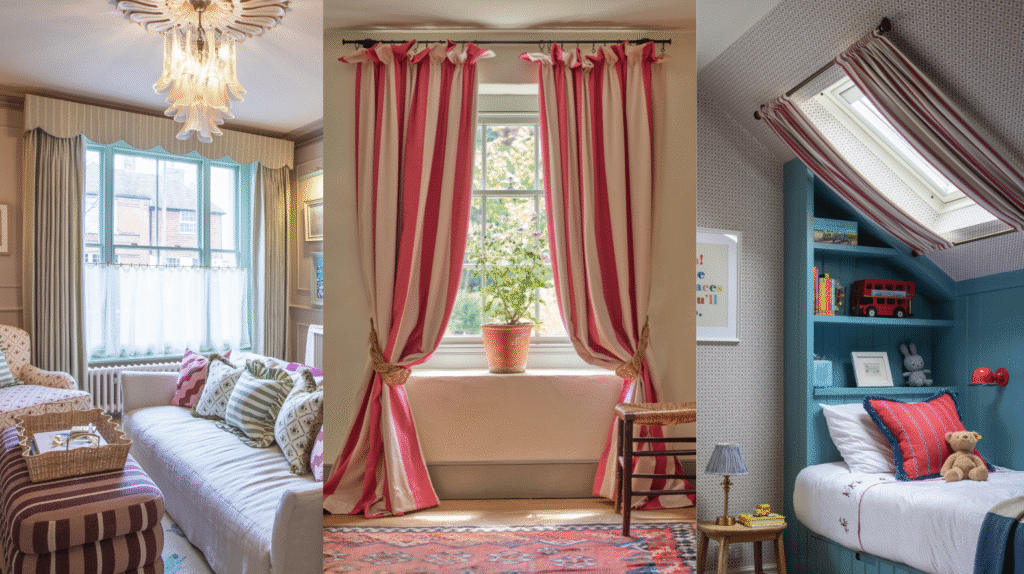
Budget curtain swaps can completely refresh your windows without straining your wallet. This guide walks you through affordable fabric fixes and clever curtain alternatives that deliver style on a dime.
Fresh Fabric Fixes: Affordable Curtain Makeovers
Budget curtain makeovers start with understanding how much visual impact fabric holds within a room. Windows are natural focal points, and even a small change in color, texture, or length of curtains can shift the entire mood. Instead of assuming you need brand‑new, expensive panels, it helps to look at what you already own and how a few strategic upgrades can create a custom, designer feel at a fraction of the cost. Cheap curtain ideas are often about creativity, not cash.
From hands‑on work with clients, I have seen simple fabric swaps transform dark, dated rooms into light, inviting spaces over a single weekend. The key is pairing the right fabric with the right function. A busy family room might need durable cotton or poly blends, while a bedroom benefits from light‑blocking or thermal fabrics that still feel soft to the touch. By thinking through privacy needs, light levels, and how often curtains will be opened, you avoid impulse buys and make every dollar do more.

To stay within a modest budget, decide early on how much you plan to spend per window and treat that as a strict design challenge. Many successful “decor on a dime” makeovers use a mix of sources: discount stores, outlet racks, thrift shops, and online sales. It is usually more cost‑effective to invest a little in better hardware like rods and rings, then use affordable curtain panels or DIY fabric to complete the look. This combination gives your windows a polished finish without premium prices.
Clever Curtain Alternatives For Stylish Budget Windows
Traditional curtains are not the only solution for stylish window treatments. In many cases, curtain alternatives bring character, flexibility, and savings all at once. You might use layered shades and fabric, minimalist tension‑rod panels, or even textiles repurposed from other parts of the home. These approaches are especially useful in rentals where drilling is limited or in small spaces where bulky curtain rods feel overwhelming.
In my experience working on small apartments and student housing, clever alternatives often solve both budget and layout problems. For instance, a simple tension rod with lightweight fabric can provide privacy without damaging walls, while adhesive hooks with clip rings allow you to hang fabric without a permanent rod. It is important to follow manufacturer instructions for weight limits on tension rods and adhesive hardware so panels do not fall unexpectedly.

Some practical, low‑cost curtain alternatives include:
- Tension‑rod sheers in bathrooms or kitchens for quick privacy
- Clip‑on panels on wire or cable systems for flexible, modern styling
- Fabric-covered roller shades to soften standard blinds
- Layered bamboo or woven shades with sheer curtains for natural texture
These creative window treatment ideas keep costs down while still making your windows look intentional and pulled together, rather than bare or temporary.
Smart Shopping Strategies For Budget Curtain Swaps
Smart shopping is at the core of any budget curtain upgrade. Start by measuring each window accurately: width, height, and how high you plan to mount the rod above the frame. A common guideline is to mount rods 4 to 6 inches above the window frame and extend 4 to 6 inches beyond each side for a fuller look. Once you know the measurements, you avoid buying panels that are too short or narrow, which often leads to extra spending on replacements.
From hands‑on projects, I have found it helpful to carry a small notebook or notes app with window sizes and ceiling height whenever shopping. That way, if you see a sale on curtain panels, tablecloths, or fabric remnants, you can quickly check if they will work. Always compare fiber content labels. Polyester and poly‑cotton blends typically resist fading and wrinkling better and are usually more budget‑friendly than heavy linens or pure silks.
To maximize savings while still finding stylish curtains and drapes, try these strategies:
- Shop off‑season: Buy light sheers at the end of summer and heavier panels in spring clearance.
- Use coupon stacking where allowed: Combine store coupons, sale pricing, and rewards points.
- Check “as‑is” and clearance bins: Slightly mismatched lengths can often be hemmed easily.
- Think beyond curtain labels: Flat sheets, tablecloths, and shower curtains sometimes cost less than comparable window panels and can be adapted with clip rings.
Smart shopping keeps your curtain makeover genuinely affordable instead of just “cheaper than luxury options.”
DIY Curtain Hacks With Sheets, Tablecloths, And Fabric Remnants
One of the most powerful decor on a dime tricks is turning everyday textiles into custom curtains. Flat sheets, affordable tablecloths, and even fabric remnants from clearance bins can become stylish panels with minimal sewing. Sheets are particularly useful for tall windows because they come in long lengths at low prices, and many already have a finished edge that looks neat when hung.
In my experience working on DIY window treatments, clip rings are a budget decorator’s best friend. They let you turn almost any finished fabric edge into a curtain header without complicated sewing. For a cleaner look, you can add iron‑on hem tape to straighten edges or create a pocket for a tension rod. Always follow package instructions for iron‑on adhesives, since excessive heat can scorch some synthetic fibers.
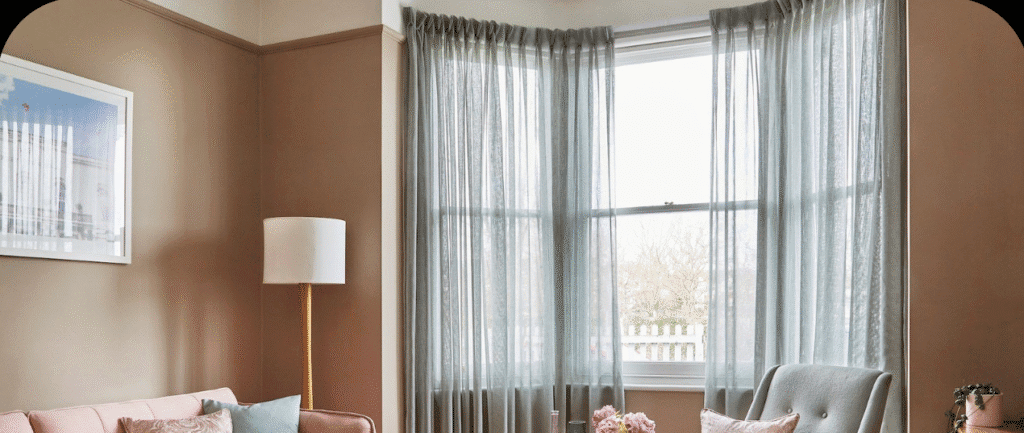
Here are some simple, low‑skill DIY curtain hacks:
Flat sheet panels
- Fold the top edge over to the back by 3 to 4 inches and secure with iron‑on hem tape to form a rod pocket.
- Use twin or full sheets for narrow windows, queen or king for wide or tall windows.
Tablecloth curtains
- Choose tablecloths with a pattern that runs to the edges so they look intentional as panels.
- Attach clip rings along the top every 4 to 6 inches for even hanging.
Fabric remnant pieced panels
- Combine two or three complementary remnants horizontally to create a color‑block effect.
- Sew or tape seams, then use a simple rod pocket at the top.
These DIY choices help you stretch your budget while still achieving curated, stylish windows.
Refreshing Existing Curtains With No‑Sew Updates
You do not always need new curtains to feel like you have new windows. Often, refreshing what you already own brings the biggest return on investment. Washing, steaming, and rehanging existing curtains a few inches higher instantly makes ceilings look taller and spaces feel more intentional. If the fabric care label allows, machine washing on a gentle cycle and air drying usually revives color and removes dust from older panels.
Based on real‑world testing in both humid and dry climates, I have found that regular maintenance also extends curtain life. Dust and pollutants can slowly weaken fibers, especially natural materials like cotton and linen. Using a handheld steamer at a safe distance helps release wrinkles and sanitize without excessive wear from ironing. Always check fiber content and manufacturer guidance before applying heat to synthetic fabrics, since high temperatures can melt or distort them.
You can also add budget‑friendly style upgrades to tired curtains:
- Clip‑on trim or ribbon: Attach along the side edges for contrast and texture.
- Iron‑on hem tape: Adjust length so panels just touch the floor or “kiss” it for a more tailored look.
- New curtain hardware: Swap dated rods and finials for simple black or brushed metal for an instant modern update.
- Layer with sheer panels: Hang inexpensive sheers behind heavier existing curtains to soften the overall appearance.
These no‑sew updates are quick, reversible, and ideal for renters or those trying to stretch a small decor budget.
Layering Techniques For High‑Impact, Low‑Cost Style
Layering is one of the easiest ways to make budget curtains look premium. By combining different textures and opacity levels, you create depth that resembles custom designer window treatments. A classic approach is to pair sheer curtains closest to the glass with a heavier, more opaque layer in front. This setup gives flexibility in controlling light and privacy without relying on high‑priced fabrics.

From hands‑on work with clients, I have found that even inexpensive sheers can look luxurious when layered correctly. The trick is to use more panels than the minimum, usually 1.5 to 2 times the window width, for adequate fullness. For example, a 50‑inch wide window typically benefits from at least 75 to 100 inches of curtain width. Fuller panels prevent that skimpy, “sheet on a rod” effect that often exposes a budget upgrade.
You can try several simple layering formulas:
- Sheer + blackout: Ideal for bedrooms and media rooms where light control is critical.
- Sheer + patterned panel: Perfect for living rooms where you want visual interest without busy blinds.
- Roman shade + side panels: Use an affordable shade for function, then add narrow fabric side panels just for style.
- Bamboo shade + linen‑look curtains: Adds organic texture and warmth in coastal or boho interiors.
Layering lets you mix and match lower‑cost components until the window treatment feels complete, all without investing in custom drapery.
Rental‑Friendly Curtain Solutions That Protect Your Deposit
Renters often face restrictions on drilling and permanent fixtures, yet still want stylish and affordable window treatments. Fortunately, there are many rental‑friendly curtain ideas that respect lease terms and protect wall surfaces. Tension rods, removable adhesive hooks, and compression‑mounted rods all provide support for lightweight curtains without traditional anchors or screws. It is always wise to confirm building guidelines and weight limits before installing any solution.
In my experience helping renters stage apartments for photography and viewings, the safest strategy is to keep each component as light as possible. Sheers, thin cotton, and polyester panels are usually better choices than heavy blackout drapes when using non‑drilled supports. If privacy is a concern, consider pairing lightweight curtains with existing blinds instead of trying to replace blinds entirely, which some leases prohibit.
Some practical rental‑friendly window treatment options include:
- Tension rods with lightweight panels inside window frames
- Spring‑loaded or compression rods placed just above the frame for a taller appearance
- Adhesive hooks with wire or cable systems that can be carefully removed at move‑out
- Command‑style hooks with clip rings for makeshift curtain lines in alcoves or closets
By approaching windows with a temporary‑but‑thoughtful mindset, you add style and comfort without risking repair fees.
Light Control, Privacy, And Fabric Choices On A Budget
Great window decor is not only about looks. It also needs to control light, protect privacy, and manage heat where possible, even when you are on a budget. Different fabrics and weaves change how much light enters a room. For example, sheer polyester panels soften direct sunlight but do not provide full privacy at night. Blackout or room‑darkening curtains block more light and can slightly improve insulation, but results vary with thickness and lining.
Based on my past work with clients in both hot and cold climates, I recommend thinking through three functional questions before buying:
- How much daylight do you want during the day?
- How much privacy do you need at night from neighbors or street views?
- Do you want curtains to help slightly reduce drafts or glare?
Once you know the answers, you can select budget fabrics accordingly:
- Sheer curtains: Best for diffusing light in living rooms and kitchens; minimal privacy.
- Light‑filtering panels: Provide some privacy while still allowing glow; ideal for shared spaces.
- Blackout or room‑darkening curtains: Useful for bedrooms, nurseries, or night‑shift workers. They help dim light but do not guarantee full soundproofing or major insulation.
- Thermal‑lined curtains: Can slightly improve comfort near drafty windows, but should not replace proper weather‑stripping or insulation.
Balancing these practical needs with cost helps you avoid buying curtains that look nice but fail in everyday use.
Stretching Style With Color, Pattern, And Hardware Details
Even the most budget‑conscious curtain swap can feel thoughtful when you choose color, pattern, and hardware wisely. Neutral curtains in white, ivory, gray, or soft beige tend to outlast trends and can move from one room to another as your needs change. Bolder colors and patterns work best when they coordinate with existing pillows, rugs, or artwork, so the space feels unified instead of chaotic.
From hands‑on projects, I have found that repeating a color from elsewhere in the room is one of the simplest ways to make inexpensive curtains feel intentional. For example, if your rug has a subtle navy stripe, echo that tone in solid navy panels or patterned curtains with navy accents. Avoid extremely trendy prints if you plan to keep the curtains for many years, since replacing them frequently undermines your budget goals.
Hardware details also influence how premium or cheap curtains appear:
- Rod style: Simple black, brass, or brushed nickel rods look more refined than thin, bendable rods.
- Finials: Choose clean, classic shapes rather than overly ornate designs that can date quickly.
- Rings and grommets: Clip rings add adjustability and allow you to reuse fabric panels; grommets glide easily and create neat folds.
- Mounting height: Hanging rods closer to the ceiling makes windows feel taller and adds perceived value to the whole room.
By treating color, pattern, and hardware as part of one cohesive plan, you amplify the effect of every budget decision.
Conclusion: Turning Cheap Curtain Swaps Into Lasting Style
Budget curtain swaps do not need a designer price tag to look polished and intentional. With smart shopping, simple DIY hacks, and thoughtful layering, you can turn basic fabrics into window treatments that elevate every room.
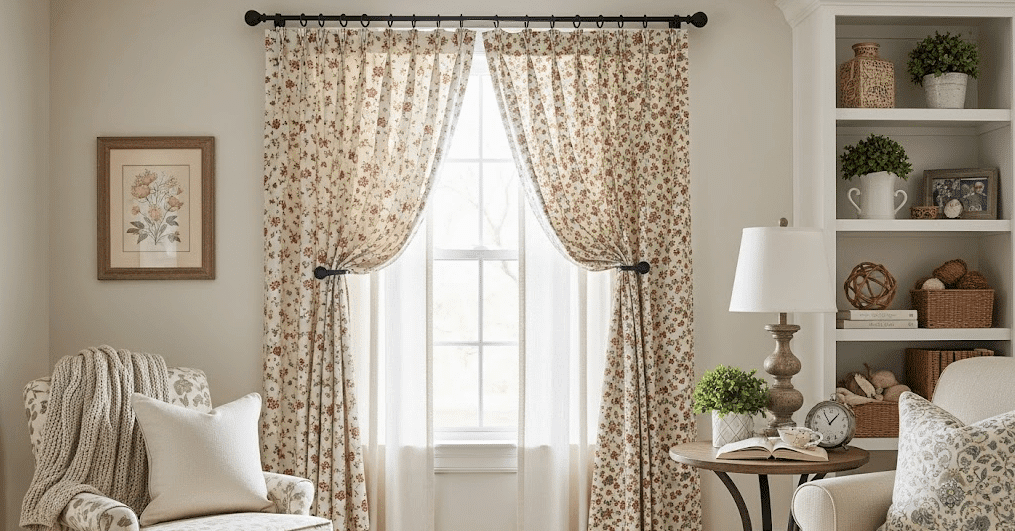
In my experience working on countless budget makeovers, the most successful window updates start with a clear goal and a realistic spending plan. Decide whether you care most about light control, privacy, or pure style, then choose fabrics and hardware that support that priority. When each window solution matches how you actually live, your curtains feel like an upgrade rather than a compromise.
The real secret of decor on a dime is creativity and consistency. Mixing traditional curtains with clever alternatives, refreshing old panels instead of discarding them, and making careful use of color and texture all stretch your budget further. With a few strategic swaps, your windows can frame your view beautifully while proving that affordable design can still feel richly personal and complete.

Maira Lindey is a home decor enthusiast who loves transforming ordinary spaces into warm, stylish havens. Through her writing, she shares simple, creative ideas that help people make their homes both beautiful and comfortable. Her approach combines aesthetic charm with practical solutions for everyday living.
With years of experience experimenting with colors, textures, and layouts, Maira enjoys guiding readers to express their personality through home design. She believes that even small changes can have a big impact, and she focuses on tips that are easy to implement without overwhelming the space or the budget.
Beyond decorating, Maira finds inspiration in nature, art, and everyday life. She encourages her readers to embrace creativity and make spaces that feel uniquely theirs, blending functionality with style in ways that are both inviting and livable.