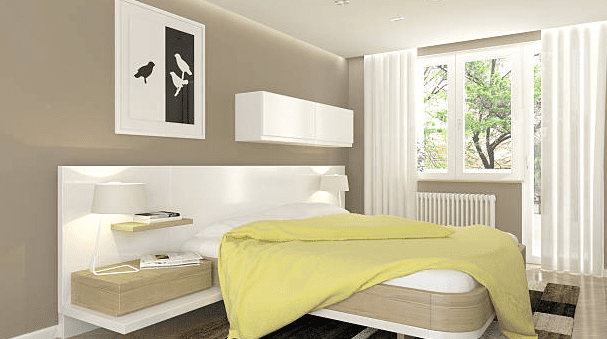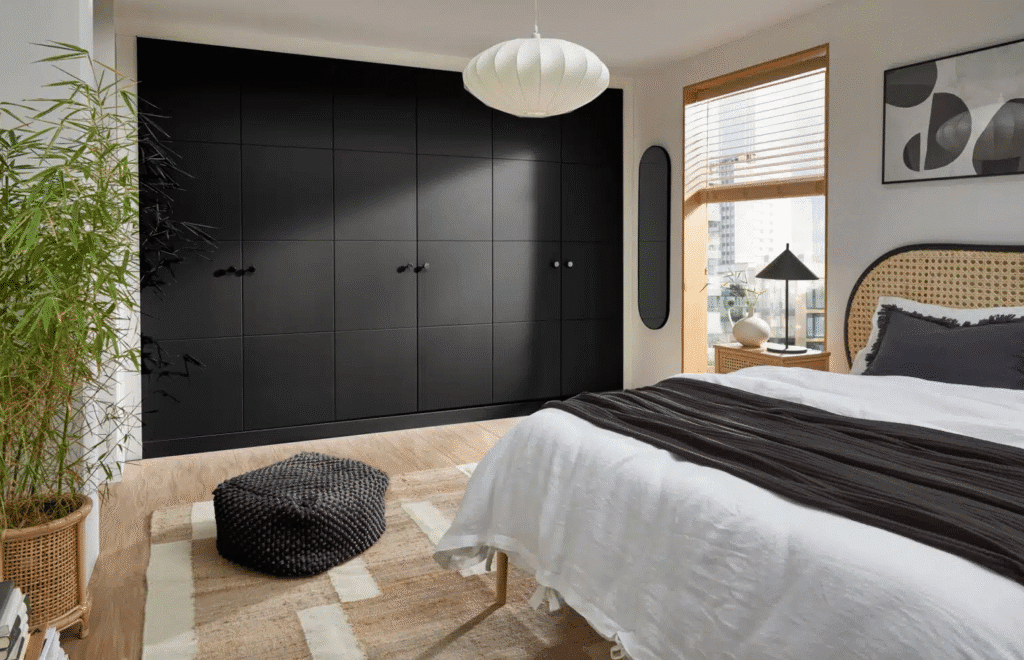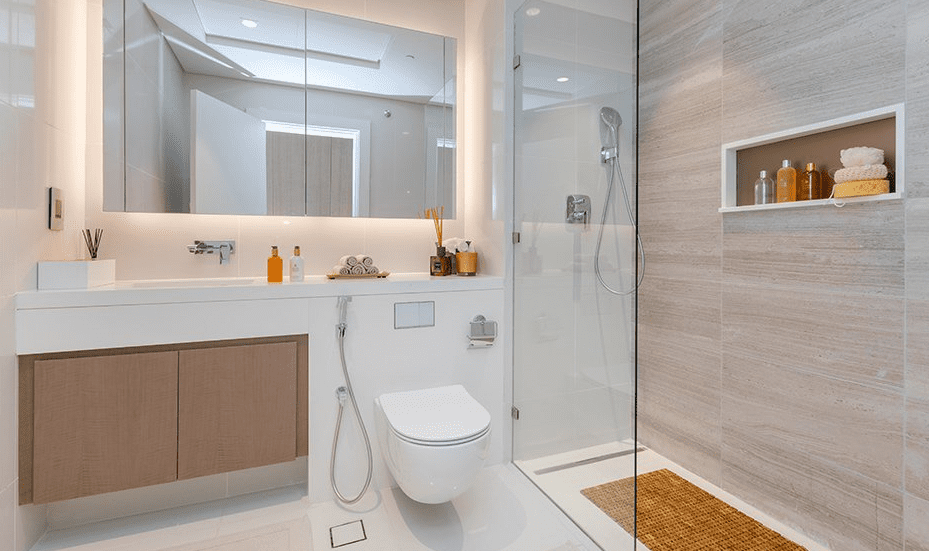
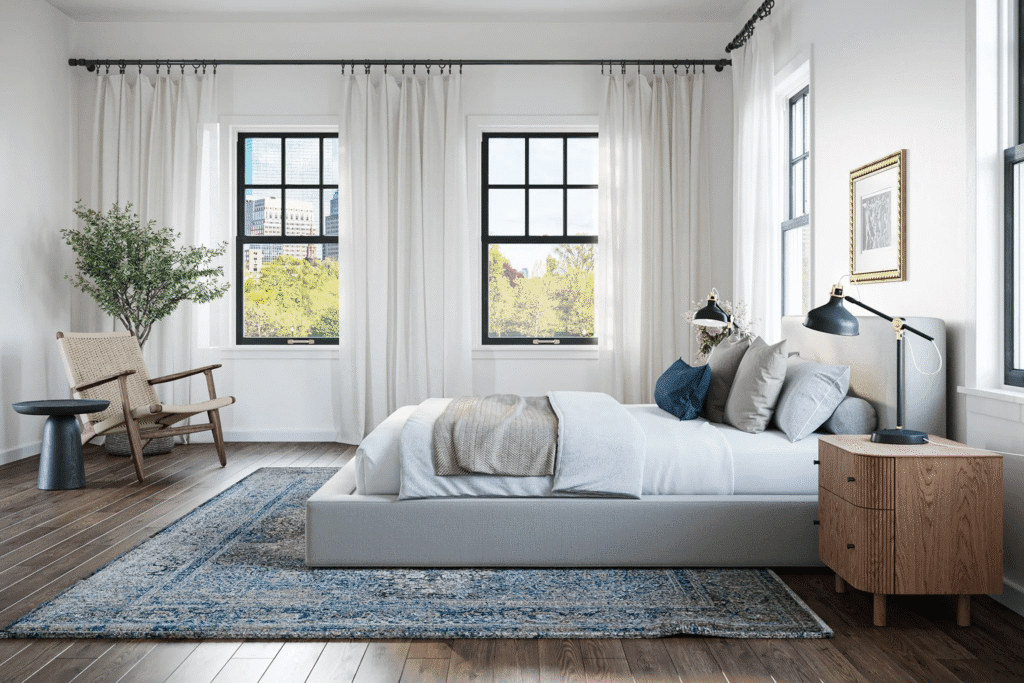
Budget room makeovers are all about getting a fresh, stylish look without draining your savings. With a few smart strategies, you can transform tired spaces into polished, welcoming rooms that feel thoughtfully designed and personally tailored.
Smart Budget Tricks for High-Impact Room Makeovers
Every successful budget room makeover starts with a clear plan and a realistic spending limit. Before buying anything, decide what needs to change most in the space: layout, color, lighting, storage, or decor. Rank your priorities and assign a rough cost ceiling to each category so you do not overspend on one area and run out of funds for essentials like lighting or seating. A simple spreadsheet or budgeting app can help you track costs and stop impulse purchases.
From hands-on work with clients, I have found that defining a single “hero change” for each room keeps projects focused and cost-effective. That might be a repainted wall, one larger rug, or a new focal light fixture. Once that hero element is chosen, the rest of the decor can support it with smaller, inexpensive tweaks. This method avoids buying lots of uncoordinated items that never quite come together.
Smart budget tricks include:
- Reusing existing furniture with paint, slipcovers, or hardware changes
- Focusing on high-impact zones such as the main seating wall or the bed wall
- Allocating at least 10 to 15 percent of the budget for unexpected costs
Based on real-world projects, I recommend setting an overall budget range, for example, 300 to 500 dollars for a small living room, and then working backward. You will know when a splurge item is worth it because it directly supports your main design goal.
Planning Your Transformation Without Overspending

Careful planning is the backbone of any successful budget room makeover that still looks stylish and intentional. Start by measuring the room, noting window locations, outlets, and any existing features you must work around, such as radiators or built-in shelves. Draw a quick floor plan on paper or use a free online planner to test furniture arrangements before moving heavy pieces. This saves both effort and costly mistakes.
Next, collect inspiration, but do it strategically. Instead of saving hundreds of random images, pick 5 to 10 that share a clear color palette and mood. Look at common elements: types of woods, fabric textures, metals, and patterns. Use these images to create a simple mood board, digital or physical, that anchors your decisions. In my experience working with renters and first-time homeowners, a mood board prevents scattershot purchases and buyer’s remorse.
To avoid overspending while planning:
- Set a maximum number of new pieces you can buy, such as 5 main items and 10 small accessories
- Decide what you can DIY versus what should be purchased ready-made
- Price compare across discount stores, secondhand markets, and online outlets
- Plan phases so you can complete the makeover over 1 to 3 months, not in one expensive weekend
From hands-on projects, I have found that people who plan their room in phases often end up with better results, since they can live with each stage, learn what really works, and then adjust the next steps instead of rushing.
Using Paint and Color for Big Style on a Small Budget
Paint is one of the most powerful tools for affordable room transformations. A single gallon of quality interior paint can often refresh an entire small room for under 60 dollars, including brushes and tape. Choosing the right color is about both aesthetics and function: lighter tones reflect more light and can make small rooms feel larger, while richer colors create intimacy and mood in bedrooms or reading nooks.
A few impactful, budget-friendly paint strategies include:
- Painting just one accent wall to define a focal point
- Color blocking the lower half of walls for a custom, graphic look
- Painting interior doors or trim a contrasting color to upgrade a basic space
- Refreshing old furniture like dressers or side tables, instead of buying new
Based on my past work with clients, testing real paint samples on the wall is worth the small extra cost. Colors can look very different under warm or cool light, and the same shade may appear deeper in a dim hallway than in a sunlit living room. Applying two coats of sample in at least two spots helps you avoid repainting later.
For a budget makeover, aim for neutrals on large surfaces and use color in art, textiles, and smaller furniture. This approach allows you to switch accents seasonally without repainting. When using darker hues, pair them with sufficient lighting and lighter decor elements so the room still feels balanced and inviting.
Rearranging, Editing, and Shopping Your Home First
Before you buy anything, look at what you already own that can be reused, relocated, or reimagined. Many stylish, inexpensive room makeovers start by editing rather than adding. Clear out unnecessary items, extra chairs, or dated decor that no longer suits your style. The space will instantly feel lighter, and you will see its potential more clearly.
Next, “shop your home” by walking through every room and identifying pieces that could be moved: a side table from the hallway that might work as a nightstand, a bench from the dining area that could become entry seating, or baskets that could offer better storage in the living room. From hands-on projects, I have found that clients often already own 50 to 70 percent of what they need for a fresh look; it just is not arranged optimally.
Some budget-friendly rearranging ideas:
- Float the sofa away from the wall to create a more intentional seating area
- Swap rugs between rooms so patterns and colors feel new
- Group smaller art pieces into a gallery wall for visual impact
- Move a floor lamp to a reading corner to define a cozy zone
In my experience working on similar projects, a strong decluttering session plus a thoughtful rearrangement can change a room’s functionality so much that only a few low-cost additions are required to finish the transformation.
Stylish Decor Upgrades That Keep Costs Low
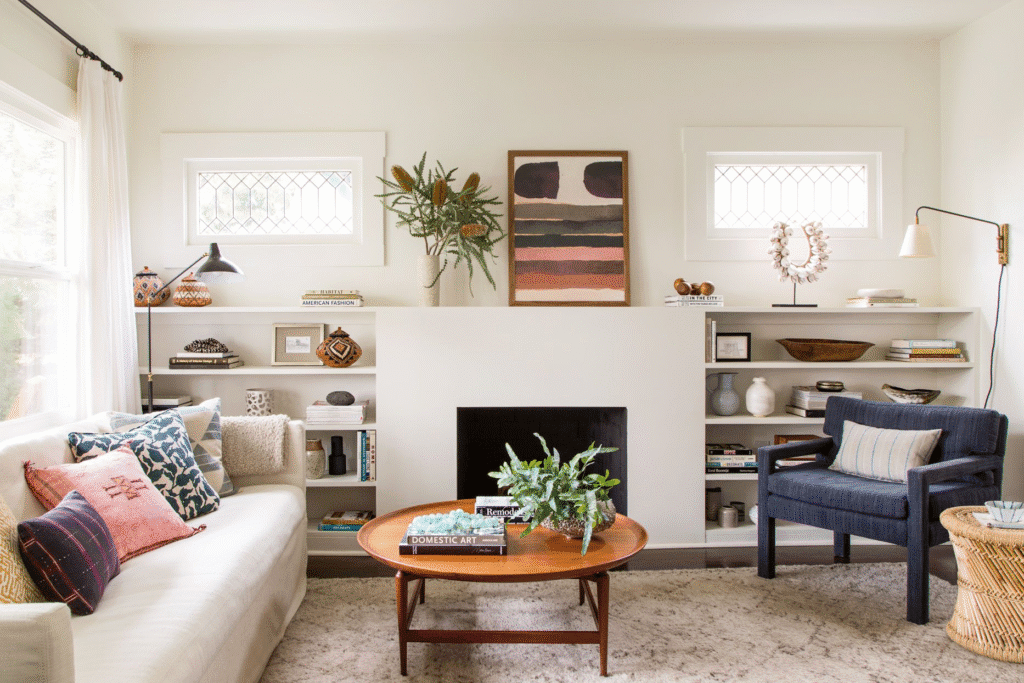
Stylish decor upgrades do not need a designer budget. Focus on a few categories that deliver the highest visual payoff: textiles, lighting, and wall decor. Swapping throw pillow covers, adding a textured throw blanket, or layering a smaller patterned rug over a basic neutral rug can immediately add depth and warmth. Choose durable, washable fabrics like cotton, linen blends, or performance poly for rooms with kids or pets.
Lighting is another essential upgrade area. Instead of relying solely on overhead fixtures, incorporate three layers of light: ambient (ceiling or main fixture), task (reading lamps, desk lamps), and accent (string lights, picture lights, or candle-style LED lights). For comfort and eye health, select warm white bulbs in the 2700K to 3000K range for living rooms and bedrooms, and consider slightly cooler 3000K to 3500K for kitchens and workspaces. Modern LED bulbs are energy-efficient and can reduce electricity costs over time.
Affordable decor ideas include:
- Using inexpensive frames with printable art or your own photographs
- Displaying collections, such as books or ceramics, in curated groupings
- Adding greenery with low-maintenance plants like pothos, snake plant, or ZZ plant
- Updating throw pillows by buying new covers instead of whole pillows
From hands-on work with clients, I have seen that a combination of new cushion covers, one statement lamp, and a couple of framed prints can make an old sofa and simple walls look intentional and updated without a major investment.
Textiles, Rugs, and Soft Furnishings on a Budget
Textiles are one of the easiest ways to create cozy, stylish rooms at a low cost. Even if your furniture is basic or mismatched, coordinated fabrics can pull everything together. Aim for a simple formula: one solid, one small-scale pattern, and one larger pattern that ties your colors together. This approach works for bedding, cushions, and even window treatments.
Rugs are particularly powerful in room makeovers because they visually anchor the space and define zones. For most living rooms, a rug that allows the front legs of major furniture pieces to sit on it, such as 5×8 feet or larger for smaller spaces, creates a more cohesive feel. In bedrooms, a rug that extends at least 18 to 24 inches beyond each side of the bed feels comfortable underfoot. Affordable options include flatweave rugs, cotton blends, and machine-washable rugs that are practical for high-traffic areas.
Some budget-friendly textile upgrades:
- Using curtain panels hung high and wide to make windows look larger
- Layering a smaller patterned rug over a plain, larger rug for dimension
- Adding a quilt or coverlet over basic bedding to create a hotel-style look
In my experience working on rental apartments, swapping out tired window treatments and adding an appropriately sized rug often does more for the perceived value of a space than buying new furniture. Textiles are easier to store, move, and change as your style evolves, making them ideal for budget-conscious decorators.
Lighting Tweaks for Affordable, Stylish Ambiance
Lighting is one of the most underrated tools in a budget room makeover. Even modest upgrades can completely change the mood and usability of a space. Begin by assessing your current lighting: are there dark corners, harsh shadows, or overbright areas that feel clinical? Aim for layered lighting that allows you to adjust for daytime tasks, evening relaxation, and entertaining.
Simple, low-cost lighting improvements include:
- Replacing cool, stark bulbs with warm white bulbs between 2700K and 3000K
- Adding plug-in wall sconces if hardwiring is not possible
- Using clip-on lamps on shelves or headboards for focused reading light
- Incorporating dimmable smart bulbs so you can change brightness and color temperature
Safety is an important consideration with lighting. Always follow manufacturer guidelines, avoid overloading outlets, and ensure cords are not tripping hazards. If you are unsure about any electrical work beyond plug-in fixtures, hire a licensed electrician rather than attempting a risky DIY.
From hands-on projects, I have found that three to five light sources in a standard living room, spaced around the room rather than clustered, typically provide a balanced, welcoming glow. When the lighting feels right, even basic furniture and decor can look more upscale and intentional.
Smart Storage and Decluttering for a Cleaner Look
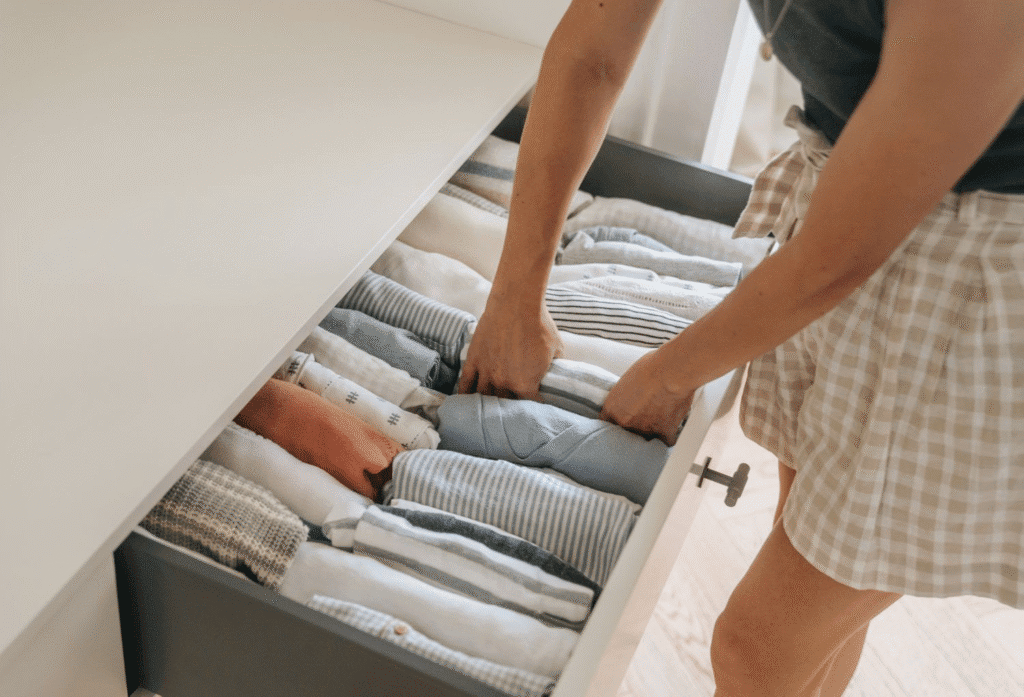
Clutter can make any room look smaller and cheaper, no matter how stylish your decor. Smart storage is essential in a budget makeover because it allows your design choices to stand out. Start with a realistic decluttering session: remove unused items, donate duplicates, and recycle what is broken or beyond repair. A cleaner foundation makes every new addition shine.
Next, add storage that doubles as decor. Affordable pieces like baskets, storage ottomans, lidded boxes, and open shelving can hide clutter while adding texture and character. In small rooms, look for vertical storage such as tall bookcases or wall-mounted shelves, which free up valuable floor space. When mounting shelves, use appropriate anchors for your wall type and follow weight limits to maintain safety.
Some practical, budget-friendly storage strategies:
- Use matching baskets on open shelves to visually calm busy items
- Place hooks behind doors for bags, robes, or accessories
- Corral small items on trays, which makes everyday clutter look intentional
- Choose furniture with built-in storage, like beds with drawers or lift-top coffee tables
In my experience working in compact city apartments, simply organizing cables, remote controls, and paperwork into designated, attractive containers instantly upgrades the overall feel of the room and makes it easier to maintain.
Affordable Personal Touches and DIY Details
Personal touches give a budget makeover soul and character. Instead of filling shelves with generic decor, incorporate meaningful items: travel souvenirs, heirloom pieces, personal photos, or artwork created by you or friends. The goal is to tell your story in a curated way that still looks cohesive. Use repetition in color or material to keep diverse objects from feeling chaotic.
DIY projects can stretch your budget while adding uniqueness, but they should be chosen realistically based on your time and skill level. Good beginner friendly projects include:
- Painting simple abstract art on canvas to match your palette
- Creating a gallery wall with printed photos and inexpensive frames
- Updating cabinet or drawer pulls with stylish hardware
- Building a simple bench or side table from basic wood planks using clear online plans
Based on real-world testing, I encourage starting with one or two small DIY projects rather than tackling many intense builds at once. This keeps the makeover enjoyable and reduces the risk of half-finished items cluttering your space.
From hands-on work with clients, I have seen that even one tailored feature, like a hand-painted headboard wall, a framed fabric panel, or a custom photo shelf, can make the whole room feel thoughtful and high-end, even when the overall budget is tight.
Conclusion: Bringing Your Budget Makeover Together
A stylish room makeover on a budget is not about having the latest furniture or copying a showroom. It is about thoughtful choices, smart planning, and a willingness to edit, rearrange, and invest where it counts. When you combine paint, lighting, textiles, and personal details, even modest spaces can feel fresh, comfortable, and uniquely yours.
Conclusion
Pulling together a budget-friendly room makeover starts with clarity: know your style, define your priorities, and set a realistic spending plan. Address the basics first, such as layout, decluttering, and lighting, then layer in paint, textiles, and decor to bring personality and warmth. By working in phases and shopping your home before hitting the stores, you can reduce costs and make more strategic decisions.
From hands-on projects, I have found that the most satisfying transformations come from aligning the room with how you truly live. Consider your daily routines, storage needs, and comfort preferences, and let those guide your investments. A supportive rug where you sit, a lamp where you read, a drop zone by the door where clutter collects: these small, considered upgrades make a big difference in everyday life.
Stylish, affordable transformations are absolutely achievable with patience and creativity. Focus on high-impact moves like paint and lighting, use textiles to soften and unify the space, and add personal touches to avoid a generic look. Over time, your home will evolve into a place that not only looks good in photos but also functions beautifully and feels genuinely welcoming, all without overspending.

Maira Lindey is a home decor enthusiast who loves transforming ordinary spaces into warm, stylish havens. Through her writing, she shares simple, creative ideas that help people make their homes both beautiful and comfortable. Her approach combines aesthetic charm with practical solutions for everyday living.
With years of experience experimenting with colors, textures, and layouts, Maira enjoys guiding readers to express their personality through home design. She believes that even small changes can have a big impact, and she focuses on tips that are easy to implement without overwhelming the space or the budget.
Beyond decorating, Maira finds inspiration in nature, art, and everyday life. She encourages her readers to embrace creativity and make spaces that feel uniquely theirs, blending functionality with style in ways that are both inviting and livable.