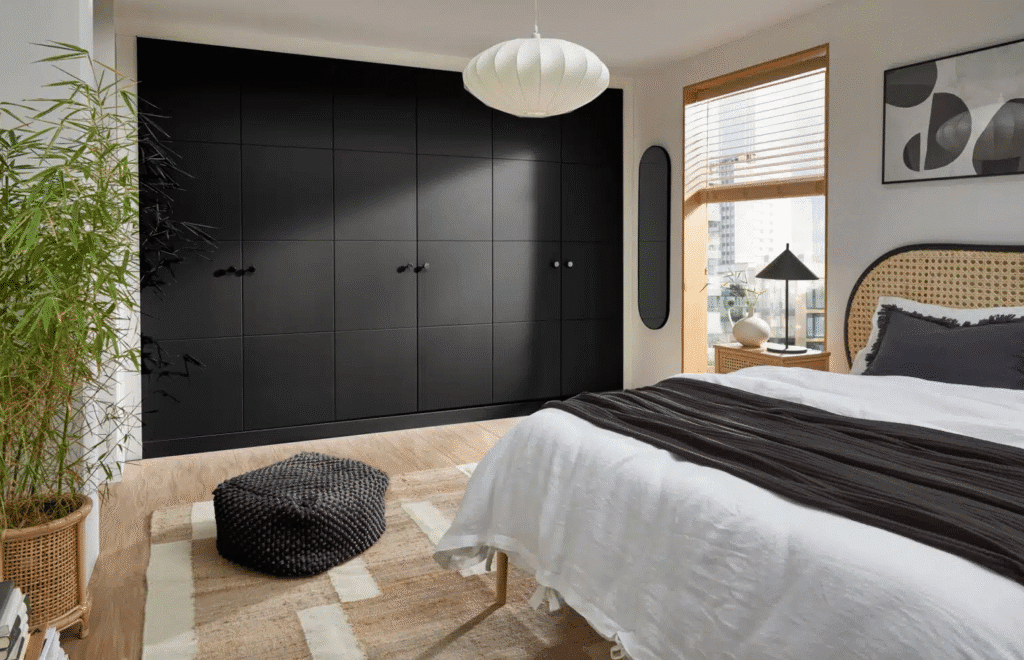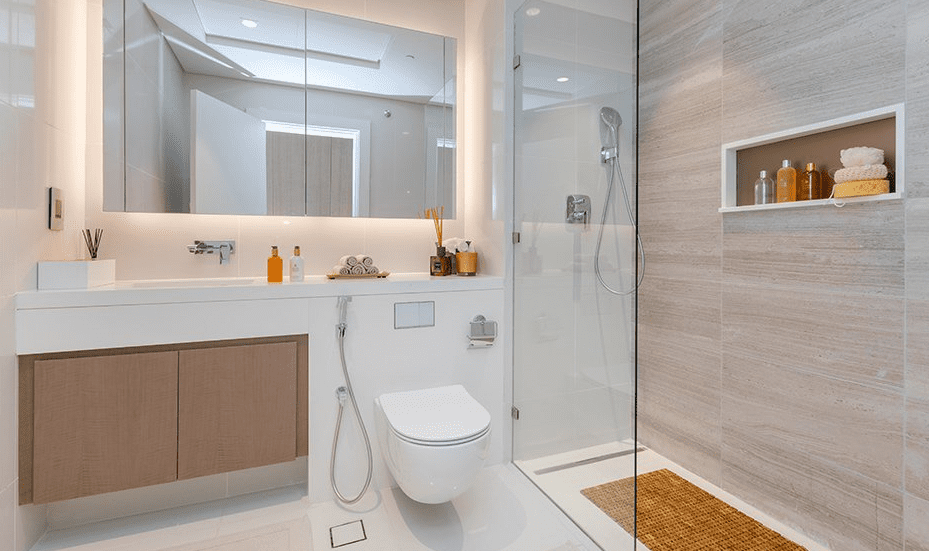

A cozy bedroom is less about perfection and more about creating a space that feels soft, safe, and deeply restful. These practical decor ideas will help you design a warm, relaxing retreat that supports calmer nights and slower mornings.
Soft Textures and Layers for Ultimate Comfort
The foundation of a cozy bedroom is texture. Smooth surfaces alone can feel cold and flat, so aim to mix multiple tactile materials on your bed and throughout the room. Start with breathable, high quality sheets in cotton, linen, or bamboo, since these fabrics balance softness with temperature regulation. Add a quilt or light coverlet for everyday use, and layer a weightier duvet or comforter on top for chillier nights, making it easy to adjust comfort without fully remaking the bed.
From hands-on work with clients, I have found that people sleep better when their bed looks visually inviting and feels cushioned from every angle. Try adding two to four standard pillows for sleeping, then layer in larger Euro pillows at the back for support and structure. A long lumbar pillow across the front can add a tailored, boutique-hotel feel without overwhelming the bed. Mixing textures such as washed linen, velvet, and chunky knits adds depth without crowding.
Do not forget soft textures underfoot. A plush rug beside or under the bed turns a cold morning step into a warm, calming moment. If you have hardwood or tile, consider:
- A large area rug that extends 18 to 24 inches beyond the sides and foot of the bed
- Two runner-style rugs flanking the bed on either side
- A faux sheepskin or shag rug at the foot of the bed for added warmth
Layered Bedding for Year-Round Coziness
Layered bedding is the key to cozy comfort that adapts with the seasons. Think in tiers: sheets, light blanket, main comforter or duvet, then an optional throw at the foot. This structure lets you peel back or add layers without disrupting the entire bed setup. In warmer months, keep the duvet folded at the foot and rely on breathable sheets plus a thin quilt, while in winter you can pull the duvet up for full coverage.
In my experience designing bedrooms in different climates, a medium-weight duvet insert often works best for most of the year, with a separate heavier blanket available for extreme cold. Look for duvets with removable covers that can be washed separately, which is more practical for long-term cleanliness. Natural fiber fillings such as down or wool tend to regulate temperature well, while high quality synthetic fills can offer warmth for those with allergies.
Do not overlook the visual side of layered bedding. A cozy bed usually looks:
- Slightly relaxed rather than overly perfect
- Filled out, with pillows and duvets that have body and loft
- Balanced in color, using 2 to 3 main tones across pillows, blankets, and throws
Based on my past work with clients, keeping patterns subtle and choosing mostly solid or gently textured fabrics helps the bed feel peaceful instead of busy.
Warm Lighting and Color Palettes that Soothe
Lighting and color work together to create the emotional mood of your bedroom. For a cozy retreat, prioritize warm white lighting at around 2700K to 3000K. This range mimics soft, ambient evening light and is generally more relaxing for pre-sleep routines than bright daylight bulbs. Aim for a mix of lighting types: an overhead fixture on a dimmer, bedside lamps for reading, and possibly accent lighting such as string lights or a small wall sconce.
From hands-on projects, I have found that dimmers are one of the most impactful upgrades for a bedroom. They let you shift from brighter task lighting when you are cleaning or folding laundry to a softer glow before bed. For bedside lighting, choose lamps or sconces that direct light downward or through a fabric shade, which softens glare and creates a gentle halo effect rather than harsh, direct beams.
When it comes to color palettes, warm, earthy tones naturally enhance feelings of coziness. Consider:
- Soft neutrals such as warm white, cream, beige, or greige
- Earth hues like terracotta, clay, cocoa, or camel
- Muted pastels such as blush, dusty blue, or sage, rather than intense bright colors
Based on my real-world work with clients, cooler, highly saturated hues are best kept as small accents to avoid overstimulating the senses, especially in a sleep-focused space.
Calm Wall Treatments and Cozy Backdrops

Your walls create the visual envelope of the bedroom, so soft, calming finishes matter. Paint in a low-sheen matte or eggshell finish helps diffuse light and reduces glare, which supports a more restful atmosphere. For a cozy bedroom, it is usually more soothing to choose a warm undertone, even if you prefer neutrals. Warm grays, greiges, and off-whites feel softer and less clinical than pure, bright white.
Wallpaper can add character and texture without feeling overwhelming if you choose the right pattern and scale. Small-scale florals, tone-on-tone geometric designs, grasscloth, or linen-look wallpapers lend a cocoon-like feel. If covering the entire room feels like too much, consider a single accent wall behind the bed. In my experience working on similar projects, a subtle pattern behind the headboard can frame the bed and make the whole space feel more intentional.
You can also create cozy backdrops through art and decor. Focus on:
- Larger pieces instead of many tiny frames to reduce visual clutter
- Nature-inspired artwork such as landscapes, botanicals, or seascapes
- Soft, textural pieces like fabric wall hangings, woven baskets, or tapestries
Just be mindful of weight and installation safety, especially for any items hung above the bed. Use appropriate anchors and hardware to ensure pieces are securely attached to the wall.
Furniture Choices that Support Rest and Flow
The furniture you select has a powerful effect on how cozy a bedroom feels. Oversized, heavy pieces can crowd a small space, while too much open metal or glass can feel cold. Aim for a balance of solid, grounded pieces and softer elements. A sturdy wooden bed frame paired with an upholstered or padded headboard, for example, brings both structure and comfort.
From hands-on work with clients, I have found that a headboard makes a big difference in how “finished” and comfortable a bedroom feels. Padded fabric or leather headboards are ideal if you like reading in bed, as they provide back support and a soft surface against your shoulders. For small rooms, choose slim-profile nightstands to maintain walking space, but ensure they are large enough to hold essentials like a lamp, book, and glass of water.
To enhance the sense of flow and calm, try to:
- Leave at least 24 to 30 inches of clear walkway around the bed where possible
- Avoid placing tall, imposing wardrobes directly opposite the bed if they feel looming
- Choose rounded edges on nightstands or benches when feasible, which reduces the visual and physical hardness of sharp corners
Based on my experience, a simple bench or upholstered ottoman at the foot of the bed can add both function and a boutique-hotel feeling without clutter.
Cozy Bedding Fabrics and Thoughtful Material Choices

The fabrics that touch your skin influence perceived comfort just as much as how the room looks. For cozy bedroom decor, prioritize natural or breathable materials where possible. Cotton percale and sateen are classic options, with percale feeling crisp and cool, and sateen feeling smoother and slightly silkier. Linen offers a relaxed, textured look and excellent breathability, though it can feel more textured than cotton on first use.
In my experience working with clients who run warm at night, investing in moisture-wicking, breathable sheets is more important for comfort than simply adding more blankets. Look for OEKO-TEX or similar certifications that indicate fabrics have been tested for certain harmful substances. While no certification is a guarantee of absolute safety, it can be one factor to consider for a healthier bedroom environment.
Beyond bedding, think about:
- Cotton or linen curtains for softness and airflow
- Wool or cotton throws for warmth without excessive weight
- Avoiding low quality synthetic fabrics that can trap heat and feel less breathable
If you have allergies, hypoallergenic pillow and duvet inserts can reduce irritation. Based on real-world testing, regularly washing pillow covers and mattress protectors is just as important as the materials themselves for keeping your sleep environment comfortable and clean.
Personal Touches that Enhance Warmth and Serenity
A truly cozy bedroom reflects your personality in quiet, authentic ways. You do not need a lot of decor; a few meaningful pieces are enough to make the space feel like yours. Consider a small tray on your nightstand with items you genuinely use, such as a favorite book, hand cream, or a carafe of water. A single framed photo, piece of art from a trip, or handmade object can add warmth without visual noise.
From my work with clients, I have found that “emotional clutter” affects coziness as much as physical clutter. Keep your bedroom decor focused on rest, connection, and comfort. Items tied to work or stress, such as large stacks of paperwork or visible electronics, can prevent the room from feeling like a retreat. Whenever possible, store work-related items out of sight or in another area of the home.
You can subtly boost coziness with sensory details like:
- A soft, low-pile throw on the bed or chair
- A lightly scented candle or essential oil diffuser used safely and sparingly
- A small plant that thrives in low light, such as a snake plant or pothos
Note that some people are sensitive to fragrance, so avoid heavy scents and ensure proper ventilation. Plants can improve aesthetics and may support a fresh feeling, but they should be selected based on your light conditions and your ability to maintain them.
Decluttering, Storage, and a Restful Atmosphere
Clutter is one of the quickest ways to break the feeling of a cozy, relaxing bedroom. When surfaces are piled high, the eye has nowhere to rest, and the space can feel more like a storage area than a sanctuary. To maintain a warm, restful atmosphere, aim for functional storage that keeps daily essentials accessible while hiding visual noise.
Based on my past work with clients, the most effective changes are often simple:
- Under-bed storage bins for off-season clothing or extra bedding
- Closed nightstands with drawers or cabinets instead of open shelving
- Baskets for throw blankets, pillows, or miscellaneous items
Consider a dedicated spot for items that tend to migrate into the bedroom, such as a tray for jewelry or a small hook for robes. Keeping these pieces contained supports a sense of order. Regularly editing what lives in the bedroom helps maintain that cozy, retreat-like feeling over time.
In my experience working on similar projects, even a small decluttering session can transform how cozy a bedroom feels. When you enter and see clear surfaces, softly layered bedding, and warm lighting, your nervous system gets immediate cues that this is a space for slowing down, not speeding up.
Conclusion: Bringing Your Cozy Bedroom Retreat Together
A warm, relaxing bedroom does not require a full renovation; it grows from thoughtful layers of texture, lighting, and personal detail that work together to support rest. When you prioritize comfort, simplicity, and authenticity, your bedroom can become a retreat you look forward to returning to every single day.
The most inviting cozy bedrooms share a few key traits: soft layers underfoot and on the bed, warm light that can be adjusted as the day winds down, and colors that soothe rather than stimulate. From hands-on work with clients, I have seen that even small upgrades like swapping pillow covers, adding a dimmer switch, or introducing one plush rug can have a surprisingly big impact on how the space feels. Focus on gradual changes that respect your lifestyle and budget.
By combining layered bedding, calm wall treatments, supportive furniture, and minimal but meaningful decor, you can create a bedroom that feels like a true sanctuary. Thoughtful storage keeps clutter in check, while personal touches remind you of what matters most. Over time, your cozy bedroom retreat will not just look inviting in photos; it will become a lived-in, comforting space that genuinely restores you at the beginning and end of each day.

Maira Lindey is a home decor enthusiast who loves transforming ordinary spaces into warm, stylish havens. Through her writing, she shares simple, creative ideas that help people make their homes both beautiful and comfortable. Her approach combines aesthetic charm with practical solutions for everyday living.
With years of experience experimenting with colors, textures, and layouts, Maira enjoys guiding readers to express their personality through home design. She believes that even small changes can have a big impact, and she focuses on tips that are easy to implement without overwhelming the space or the budget.
Beyond decorating, Maira finds inspiration in nature, art, and everyday life. She encourages her readers to embrace creativity and make spaces that feel uniquely theirs, blending functionality with style in ways that are both inviting and livable.