Rustic garden furniture has a special way of slowing time, wrapping an outdoor space in warmth and lived-in character. This guide explores how to style cozy rustic garden furniture and layer in creative upcycled touches that feel charming, personal, and genuinely practical.
In this article, you will learn how to combine natural materials, comfortable seating, and repurposed pieces into a relaxed outdoor retreat. From choosing weather-wise fabrics to turning old ladders, crates, and doors into garden features, each section gives you concrete ideas you can adapt to any size yard, patio, or balcony.
Cozy rustic garden furniture for relaxed charm
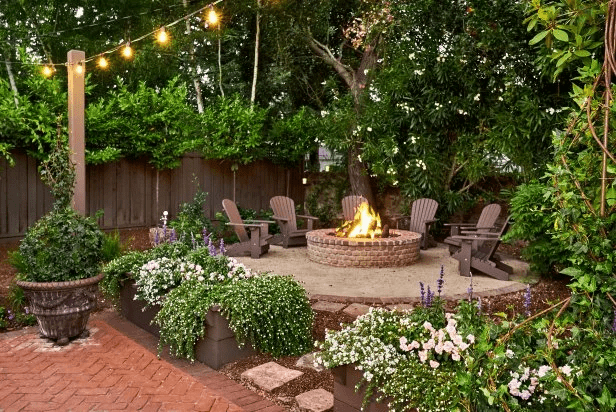
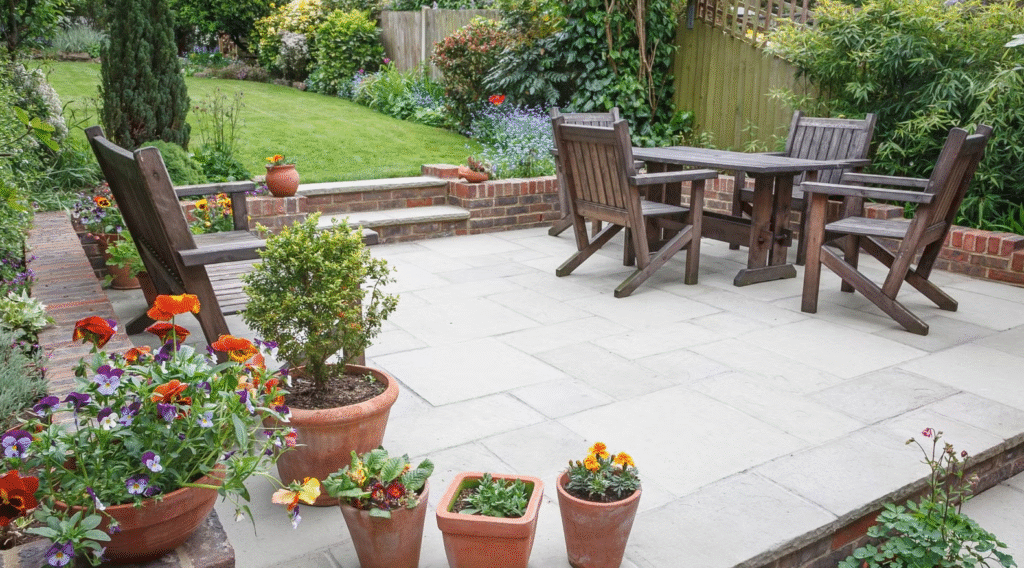
Cozy rustic garden furniture starts with materials that feel honest, tactile, and a bit timeworn. Solid wood, woven rattan, wrought iron, and stone all age gracefully outdoors if maintained correctly. Look for pieces with simple silhouettes, slatted backs, and chunky legs rather than ultra-sleek lines, since those softer shapes read as more inviting and rural. In my experience planning small urban courtyards, even one substantial wooden bench can instantly shift the mood from “city patio” to “cottage garden.”
Comfort is just as important as style. Outdoor chairs and benches should support relaxed lounging, not just quick sitting. Aim for: seats 16 to 18 inches high, with backs at a slight recline, and armrests where possible. Layer in outdoor cushions upholstered in durable, UV-resistant fabric like solution-dyed acrylic, which resists fading and mildew better than standard cotton. Neutral cushion bases in cream, taupe, or stone pair beautifully with rustic textures and let you add color through throws and smaller pillows.
To keep the rustic charm from feeling heavy, balance solid pieces with lighter accents. A chunky timber table can be paired with vintage metal bistro chairs, or a solid bench can face two loosely woven rattan armchairs. Based on my work with clients who have compact gardens, mixing materials often makes a small space feel more open and collected over time rather than purchased in one go. The goal is a gathering area that feels like it evolved naturally, where each piece has a story and a purpose.
Layering textures and natural materials outdoors
A cozy rustic garden thrives on texture. Think of it as a tactile palette: rough-grained wood, cool stone, woven fibers, and soft fabrics all working together. Start at ground level with natural surfaces: gravel, brick, aged concrete, decomposed granite, or timber decking. Each material affects both comfort and drainage, so choose what suits your climate and maintenance preferences. A small jute or polypropylene outdoor rug on top can visually anchor your seating area and make bare feet more comfortable.
For furniture, mix at least three textures within your main seating zone. For example: a weathered oak bench, a rattan lounge chair, and a galvanized metal side table. This blend instantly creates interest without feeling cluttered. From hands-on projects, I have found that using slightly imperfect or reclaimed materials makes spaces feel less staged and more lived in. Knots in wood, patina on metal, and hairline cracks in clay pots all contribute to the rustic story, as long as they are structurally sound and safe.
Do not forget the vertical surfaces. Fencing, walls, and railings are perfect backdrops for hanging woven wall baskets, wooden shelves, or metal plant brackets. Add softness with:
- Linen or cotton-look outdoor curtains for privacy
- Macramé plant hangers in natural rope
- Woven lanterns that throw gentle patterns of light
Always confirm that textiles labeled for outdoor use are moisture resistant, and store cushions and curtains in a dry place during prolonged rain or winter. This simple care step can easily double their lifespan.
Creating intimate rustic seating areas
Even in a large garden, rustic charm feels strongest in intimate seating pockets. Rather than one big open area, think about creating two or three “rooms” with different purposes: morning coffee, evening conversation, or quiet reading. A basic rule of thumb is to space seating 18 to 24 inches apart for conversation, and ensure at least one surface within arm’s reach for drinks or books. In my experience working on narrow terraces, a corner bench with a small table often outperforms larger furniture sets in both comfort and usability.
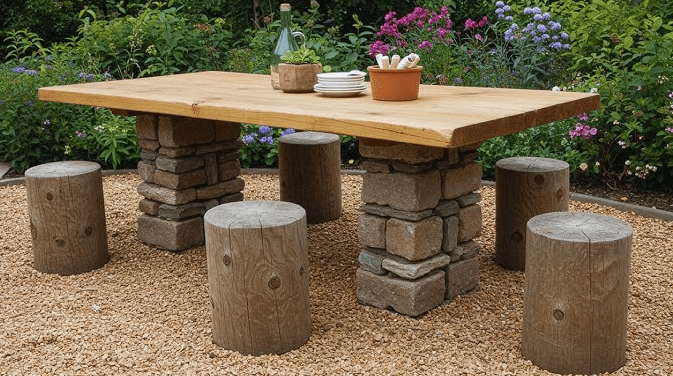
Use layout to control the sense of enclosure. Position benches or chairs so they nestle against a hedge, fence, or planter, which offers a natural feeling of protection. Add a high-backed bench or a trellis behind seating if your garden is very open. This is especially helpful in windy spots, where some shielding improves comfort significantly. For a rustic look, choose a simple wooden trellis or lattice panel that can later support climbing plants like jasmine, clematis, or ivy, chosen according to your local climate zone.
Small additions dramatically increase coziness:
- A chunky knit or fleece throw for cooler evenings
- Oversized floor cushions or poufs for flexible seating
- A low wooden crate or stump as a side table
- A basket with extra blankets or magazines
If you use candles or lanterns, position them away from overhanging branches or flammable fabrics, and never leave open flames unattended. Solar lanterns and battery-operated candles are safer for everyday use and can still provide that warm rustic glow.
Warm lighting for rustic garden evenings
Lighting transforms rustic garden furniture from daytime retreat to evening sanctuary. The key is soft, warm light rather than bright, task-style illumination. Choose warm white bulbs around 2200K to 2700K to mimic the color of candlelight and early sunset. String lights are a classic choice; drape them loosely between trees, along fences, or zigzagged above seating to create a ceiling of sparkle. From hands-on work with clients, I have found that even a single strand of quality string lights can make a modest patio feel magical.
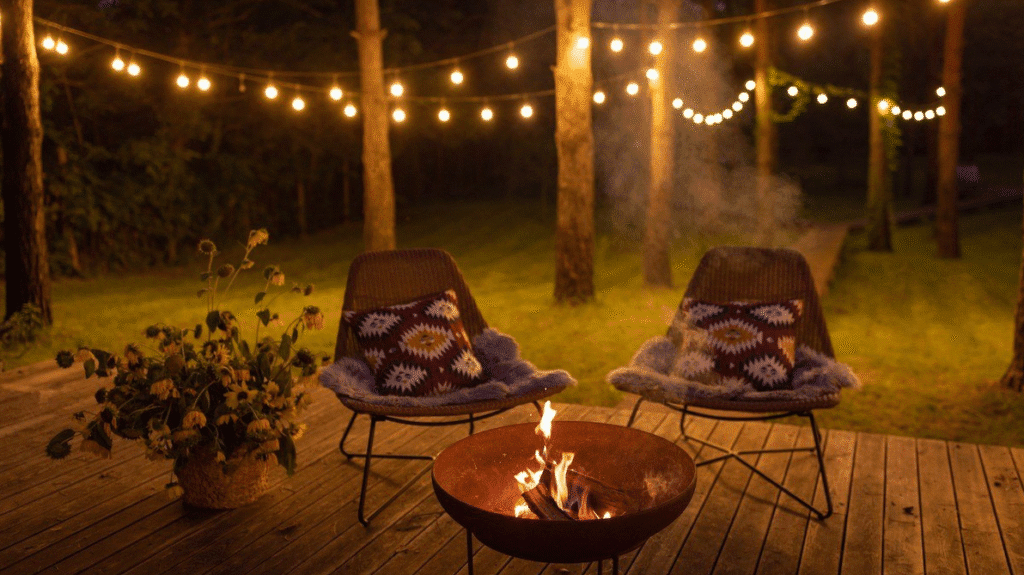
Layer lighting types instead of relying on one source:
- String lights for ambient overhead glow
- Solar stake lights to softly mark paths and borders
- Lanterns on tables or hanging from hooks
- A discreet wall sconce or two near doors for practical light
For a rustic effect, look for lanterns in blackened metal, tarnished brass, or woven bamboo. Mix different sizes so light pools at different heights. Just remember that solar lights depend on adequate daytime sunlight to charge; in very shaded gardens or cloudy climates, low-voltage wired or plug-in lights may perform more reliably.
Safety and energy efficiency should guide your choices. Outdoor-rated fixtures and weatherproof cables are essential, especially in regions with heavy rain or snow. LED bulbs use far less energy than traditional incandescent bulbs and last significantly longer, which reduces replacement costs and waste. In my experience, installing a simple timer or smart plug is one of the easiest upgrades: your rustic garden lights come on at dusk and switch off automatically, so your cozy glow is always ready without constant adjustment.
Upcycled touches that add character and warmth
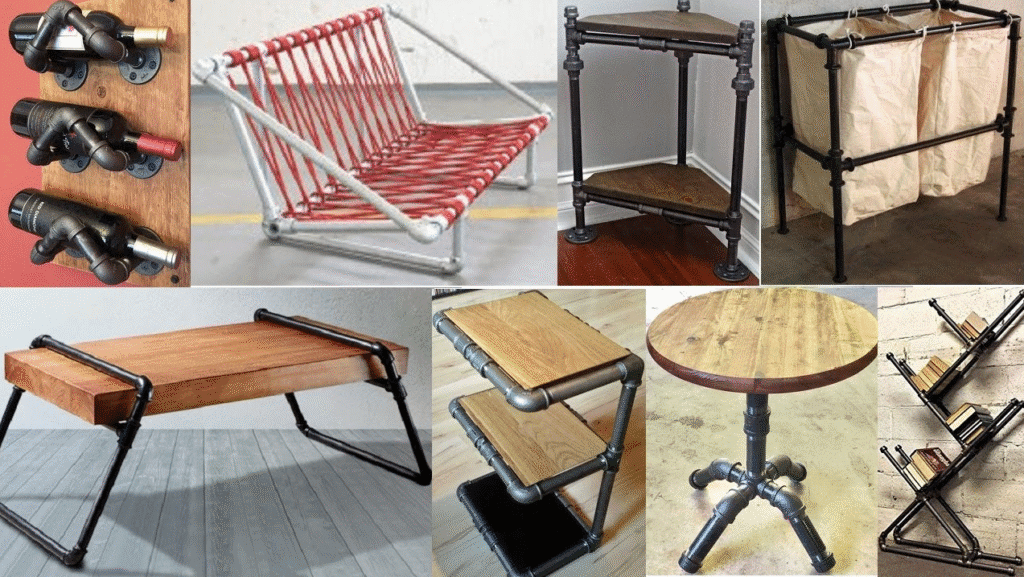
Upcycled accents are the heart of rustic garden charm because they carry visible history. Instead of buying everything new, mix in pieces that have had a former life: crates, doors, ladders, barrels, or even old tools. The goal is not to clutter, but to curate a few standout elements that feel purposeful. In my experience working with small budgets, upcycling often delivers more personality per dollar than any single store-bought accessory.
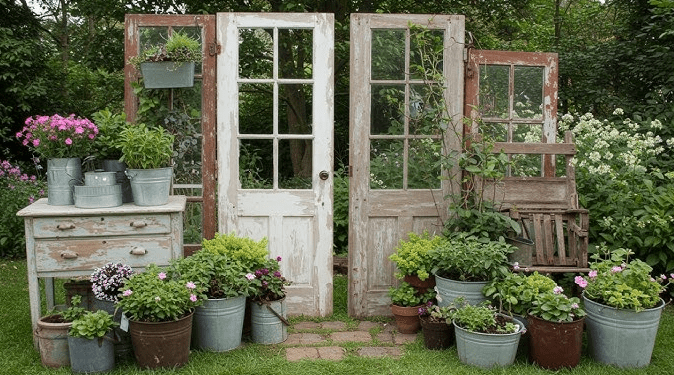
Start by assessing what you already have. An old wooden chair with a broken seat can become a plant stand, a cracked enamel basin can serve as a miniature herb garden, and a sturdy pallet can transform into a bench or vertical planter. When repurposing, always check for structural integrity, remove loose nails or splinters, and sand sharp edges. A clear exterior sealer or linseed oil can protect aged wood from further weather damage while preserving its patina.
Upcycling is also an opportunity to make your garden more sustainable. Reusing materials reduces waste and the environmental impact of new production and shipping. Some simple, character-filled ideas include:
- Using mismatched vintage plates as plant saucers
- Turning glass jars into hanging tealight lanterns
- Repurposing an old drawer as a low planter box
- Making a table from a reclaimed door and simple trestle legs
From practical experience, I recommend limiting your upcycled pieces to a few per area so the space feels intentional, not like storage overflow. Each object should have a clear function or enhance the story of your garden.
DIY rustic planters and display pieces
DIY rustic planters are an easy way to highlight garden furniture and express creativity. Sturdy wooden crates, half-barrels, galvanized tubs, and terracotta pots all suit a cozy cottage feel. Ensure any container has drainage holes at the bottom; if it does not, drill holes where safe or use it as a decorative cachepot with a separate plastic nursery pot inside. Standing water in containers can cause root rot, mosquitoes, and unpleasant odors, especially in warm climates.
Arrange planters to frame seating and soften hard edges. Place a tall planter beside the arm of a bench, a low trough at the base of a fence, or a cluster of three pots by your main garden entrance. Based on my past work with clients, grouping plants in odd numbers, like groups of three or five, almost always looks more natural and visually pleasing than symmetrical pairs. For a rustic palette, combine herbs, flowering perennials, and foliage plants in muted tones: sage, lavender, thyme, heuchera, and ornamental grasses work particularly well in many temperate zones. Always check that your plant choices are suitable for your sun exposure and climate, as not all herbs and perennials handle frost or intense heat.
Beyond planters, consider rustic display pieces that showcase your garden treasures:
- A reclaimed ladder as a vertical shelf for small pots
- Wooden fruit crates stacked to create a plant library
- A weathered bench used purely for displaying potted plants
- Old brick or stone offcuts forming a low display ledge
From hands-on projects, I have found that elevating some pots at eye level makes a small collection look curated and lush rather than scattered. Just be sure tall displays are stable and not placed where children or pets could easily knock them over.
Vintage finds and flea market treasures
Flea markets, thrift shops, estate sales, and online classifieds are rich sources of rustic garden gems. Search for items made of solid materials like hardwood, iron, ceramic, and thick glass, as these tolerate outdoor exposure better than thin plastics or fragile composites. Patina and light rust can be attractive, but avoid pieces with severe structural damage or sharp, corroded edges that pose a safety risk. In my experience, a single vintage metal chair or weathered side table can instantly give an outdoor nook that “found over years” authenticity.
Look for:
- Wrought iron chairs and tables
- Old wooden stools and farm benches
- Enamel pitchers and metal watering cans
- Ceramic jugs and terracotta urns
- Iron hooks, brackets, and coat racks for hanging plants
Many indoor pieces can transition outdoors with a bit of preparation. Sand and treat wood with an exterior oil or sealer, and apply rust-inhibiting primer and outdoor paint to metal surfaces. If you plan to sit on or lean against these items, test their stability thoroughly on level ground before putting them into everyday use. Vintage furniture that is too delicate for seating can still shine as display stands or plant pedestals.
From real-world testing in coastal locations, I have found that salt air accelerates rusting significantly, so if you live near the sea, keep prized metal finds under cover or treat them more frequently. Even with regular maintenance, some wear will occur, which in a rustic setting often adds charm rather than detracts from it.
Maintaining rustic charm without the clutter
A rustic garden can easily drift from cozy to chaotic if you are not deliberate about editing. The best spaces feel layered but calm. Start by choosing a simple base palette of two or three main material tones, such as warm wood, black metal, and terracotta. Use these consistently in your key furniture and planters, then add smaller pops of color through textiles and flowers. In my experience designing compact patios, this limited palette helps even busy plantings look cohesive.
Clutter control is ongoing. Set a rough limit for how many decorative pieces each area should hold, such as three to five items on a table or one to two upcycled features per seating zone. Store or donate items you no longer love rather than squeezing them into every corner. Some practical decluttering habits include:
- Using lidded baskets for blankets, lanterns, and small tools
- Allocating one shelf or crate as a “rotating display” for seasonal accents
- Keeping pathways at least 24 inches wide for comfortable movement
Regular maintenance supports the rustic aesthetic without feeling high effort. Brush off furniture, wipe tabletops, and shake out rugs weekly during peak season. Treat wood annually with oil or stain suitable for exterior use, and spot-check metal pieces for early rust. From hands-on work in different climates, I have found that short, frequent care sessions are more effective than one massive cleanup at the start of each spring.
Conclusion: Bringing cozy rustic and upcycled charm together
Rustic garden furniture and thoughtful upcycled touches can turn even the smallest outdoor space into a deeply personal refuge. By mixing natural materials, warm lighting, and meaningful vintage finds, you create a garden that feels both relaxed and uniquely yours.
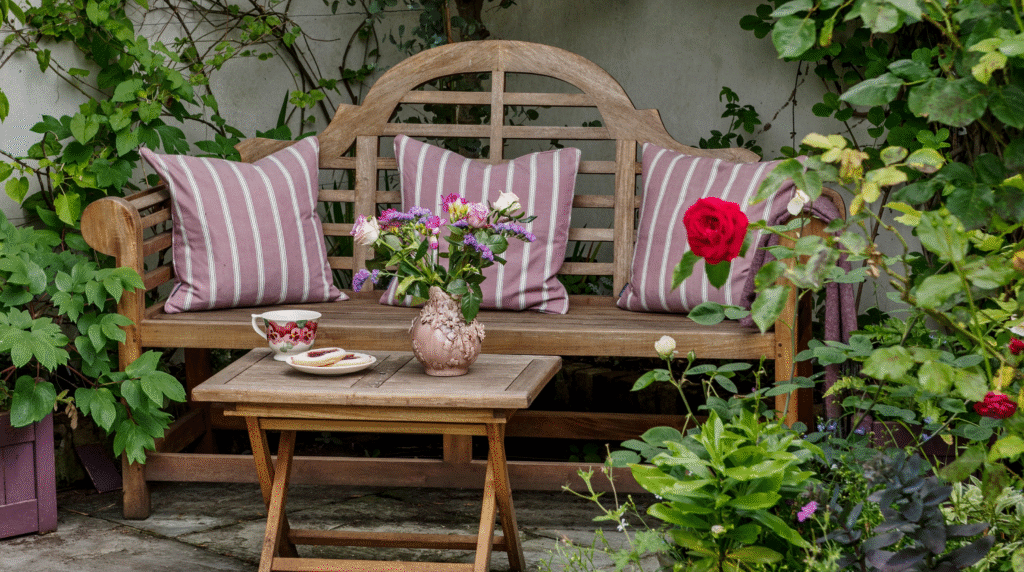
At its heart, this style celebrates imperfection, patina, and the gentle wear that comes from real use. Focus on comfortable seating, layered textures, and a handful of repurposed pieces that carry stories, and you will naturally arrive at a cozy rustic garden with lasting appeal. In my experience working with outdoor-loving clients, the spaces that get used most are those that invite people to linger, not just look.
As you refine your garden, let practicality guide every decision. Choose weather-appropriate fabrics and plants for your climate zone, maintain wood and metal so they age gracefully rather than decay, and be selective about what you bring into the space. With each season, you can adjust, add a new vintage find, or repaint an old planter, gradually shaping a rustic retreat that grows richer and more charming year after year.
Excerpt:
Cozy rustic garden furniture paired with creative upcycled accents can turn any outdoor area into a relaxed, character-filled retreat. This guide walks through materials, layouts, lighting, DIY planters, and vintage finds so you can design a warm, inviting garden that feels both practical and uniquely personal.

Maira Lindey is a home decor enthusiast who loves transforming ordinary spaces into warm, stylish havens. Through her writing, she shares simple, creative ideas that help people make their homes both beautiful and comfortable. Her approach combines aesthetic charm with practical solutions for everyday living.
With years of experience experimenting with colors, textures, and layouts, Maira enjoys guiding readers to express their personality through home design. She believes that even small changes can have a big impact, and she focuses on tips that are easy to implement without overwhelming the space or the budget.
Beyond decorating, Maira finds inspiration in nature, art, and everyday life. She encourages her readers to embrace creativity and make spaces that feel uniquely theirs, blending functionality with style in ways that are both inviting and livable.