Bedroom wall murals can turn a plain room into a personal gallery, a bold statement space, or a serene sanctuary. This guide shares creative mural ideas, practical tips, and expert insights to help you design an artistic bedroom that truly reflects your style.
Artistic bedroom wall murals are one of the most impact-ful ways to transform your space without major construction. By treating the wall as a canvas, you can shape mood, add depth, and express personality in ways that paint alone rarely achieves. From immersive nature scenes to graphic patterns, wall murals create a sense of intention and design clarity that elevates even simple furniture and decor.
In my experience working on bedroom makeovers, a well-chosen mural often becomes the single element that pulls the entire room together. It can hide awkward architecture, expand a small space visually, or add warmth to a minimalist room. The key is to match mural style, color, and scale to your room size and lifestyle so the art enhances daily comfort, not just looks good in photos.
Bold Bedroom Murals for Instant Visual Impact
Bold bedroom murals are ideal for anyone who wants their space to feel energetic, stylish, and memorable. Large-scale graphics, dramatic color contrasts, or high-impact imagery can turn a blank wall into a statement that sets the tone for the entire room. When designed thoughtfully, a bold mural works as both artwork and backdrop, eliminating the need for excess wall decor.
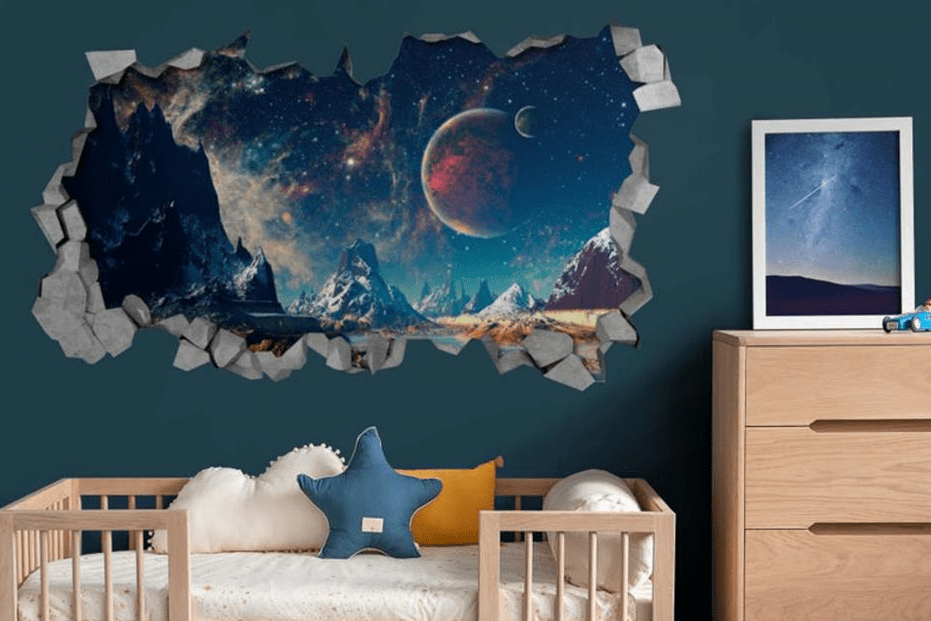
From hands-on projects, I have found that a dramatic mural behind the bed often replaces the need for a traditional headboard. A geometric mural in rich tones, for example, can frame the bed visually and provide a sense of structure. Just be sure that the colors coordinate with your bedding and flooring so the room feels cohesive rather than chaotic.
To keep bold murals looking intentional, balance them with quieter elements elsewhere in the room. Use solid-color bedding, simple curtains, and minimal accessories so the wall art remains the focus. If you choose very saturated colors, consider warm white or soft neutral lighting (around 2700 K to 3000 K) so the space still feels comfortable and inviting.
Calming Artistic Wall Murals for Cozy Retreats
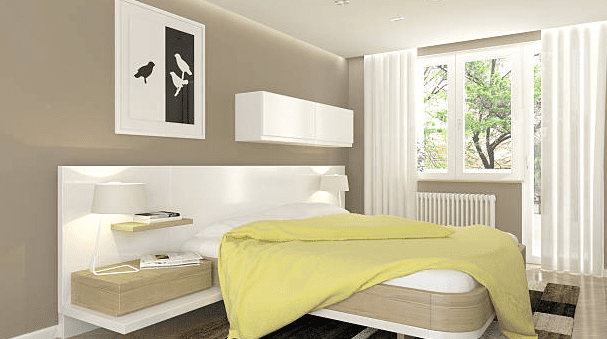
For many people, the bedroom is a retreat from work, screens, and everyday noise. Calming wall murals help reinforce that sense of escape by using soft color palettes and gentle imagery. Watercolor washes, misty landscapes, and abstract gradients can create a soothing backdrop that supports relaxation and good sleep habits.
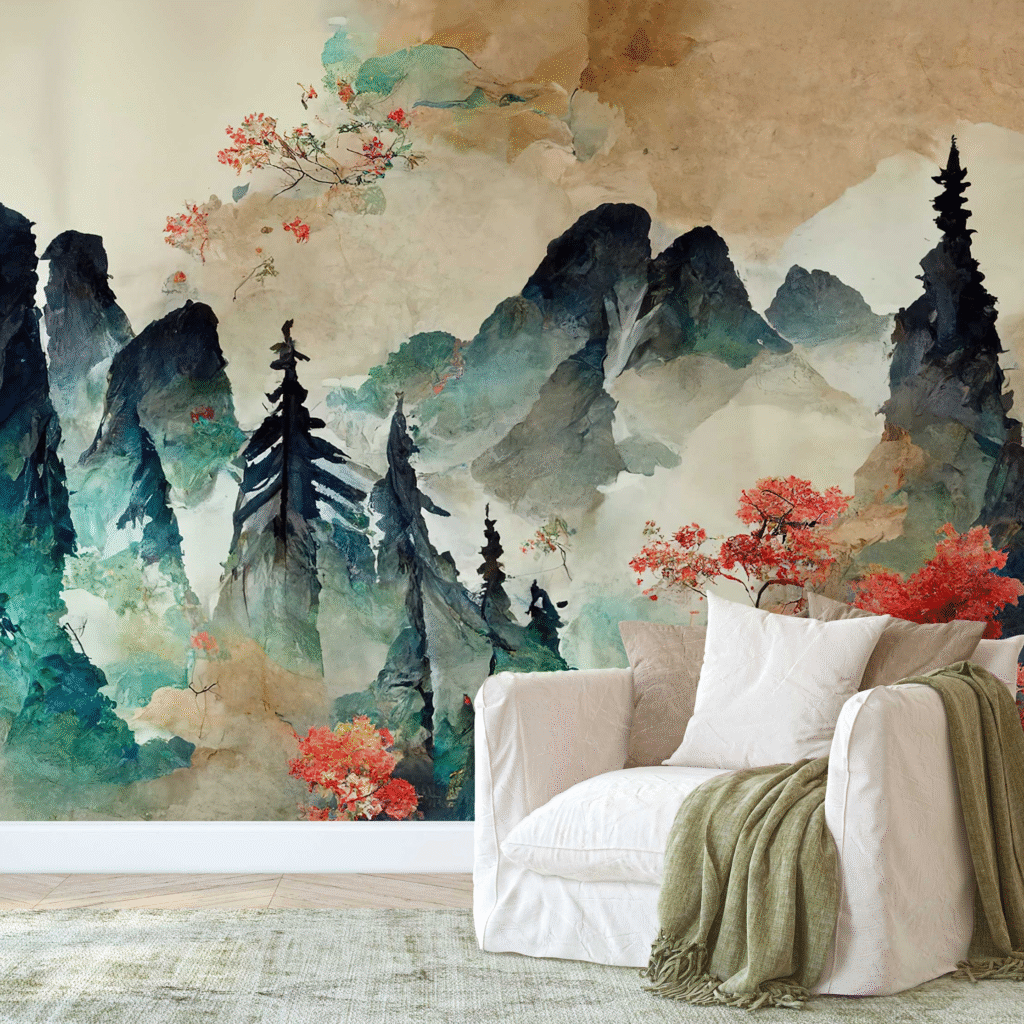
Based on my past work with clients who struggled with busy, over-decorated bedrooms, shifting to a soft mural often made the room feel larger and more breathable. Light blues, muted greens, soft taupes, and warm neutrals are especially effective for creating a tranquil environment. These tones are generally perceived as restful, though personal color preferences always matter.
When planning a calming mural, consider textures and transitions rather than strong outlines. Blurred edges, brushstroke patterns, and layered color can mimic the feeling of clouds, fog, or distant hills without adding visual clutter. Pair the mural with low, warm lighting, natural fabrics like cotton or linen, and limited tech on display to maintain the retreat-like atmosphere.
Choosing the Perfect Wall and Scale for Your Bedroom Mural
Picking the right wall is just as important as selecting the mural design itself. In most bedrooms, the wall behind the bed is the best choice because it naturally acts as a focal point and is usually free of doors or windows that might interrupt the design. This location also keeps the mural in your peripheral vision, rather than in direct view when you are trying to fall asleep, which many sleepers find more relaxing.
In my experience working in small apartments, putting a large mural on a side wall can sometimes overwhelm the room, especially if the mural is very dark or busy. If you do choose a side wall, ensure that the design has enough breathing room around it. Avoid placing tall furniture that partially covers the mural and breaks up its composition.
Scale is another critical factor. Very tiny patterns on a large wall can look fussy, while overly large motifs in a small room can feel imposing. A practical guideline is:
- For small bedrooms (under 120 square feet), choose medium-scale patterns or soft, continuous scenes.
- For medium bedrooms, you can use larger shapes or graphic elements without crowding the space.
- For large rooms, consider murals that incorporate depth or perspective so the wall does not feel like a flat, over-sized panel.
Statement Styles: Geometric, Abstract, and Graphic Murals
Geometric and abstract murals work wonderfully for modern and eclectic bedrooms. Crisp lines, repeating shapes, or painterly forms can add rhythm and structure. These styles are especially powerful in neutral color palettes where form takes center stage without overwhelming the senses.
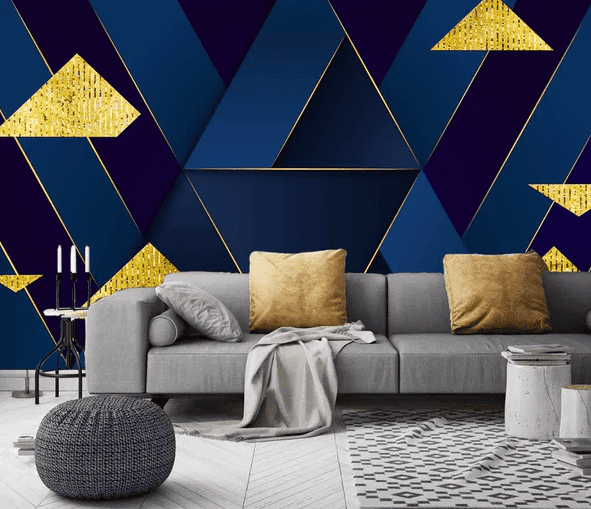
From hands-on work with design clients, I have noticed that geometric murals often help visually organize rooms with awkward layouts. A vertical stripe pattern can emphasize ceiling height, while horizontal bands can stretch a short wall. Abstract art with directional brushstrokes can subtly guide the eye and create a sense of flow around the room.
When planning a statement geometric or abstract mural, keep these tips in mind:
- Limit your primary color palette to three or four hues to avoid visual fatigue.
- Use painter’s tape for clean lines if you are painting the mural yourself.
- Consider a peel-and-stick graphic mural if you want a precise, professional look without hiring a muralist.
- Test color swatches on the actual wall, since lighting conditions significantly affect perception.
Remember that bold graphics can look very different in natural light versus artificial light. If you use cool-toned LEDs, intense colors may appear sharper; warm bulbs will soften the edges and deepen warm tones.
Nature-Inspired Murals for Serenity and Depth
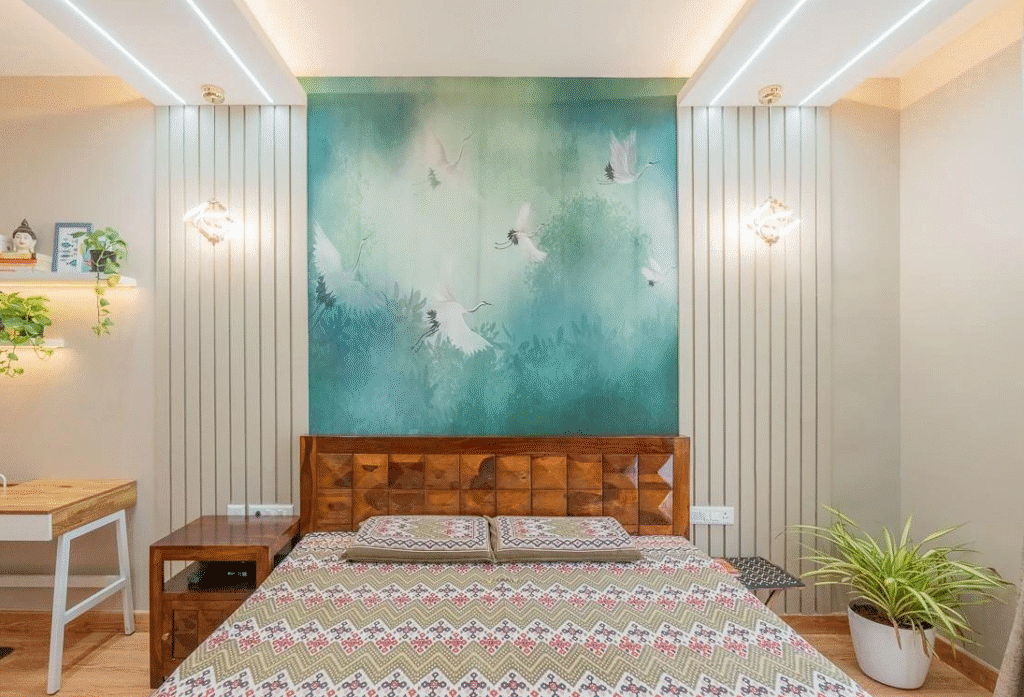
Nature-inspired murals are a classic solution for anyone who wants a cozy yet visually rich bedroom. Forest scenes, botanical illustrations, coastal views, or sky motifs can create a sense of depth and connection to the outdoors. These murals often make small rooms feel larger because they introduce a distant horizon or layered perspective.
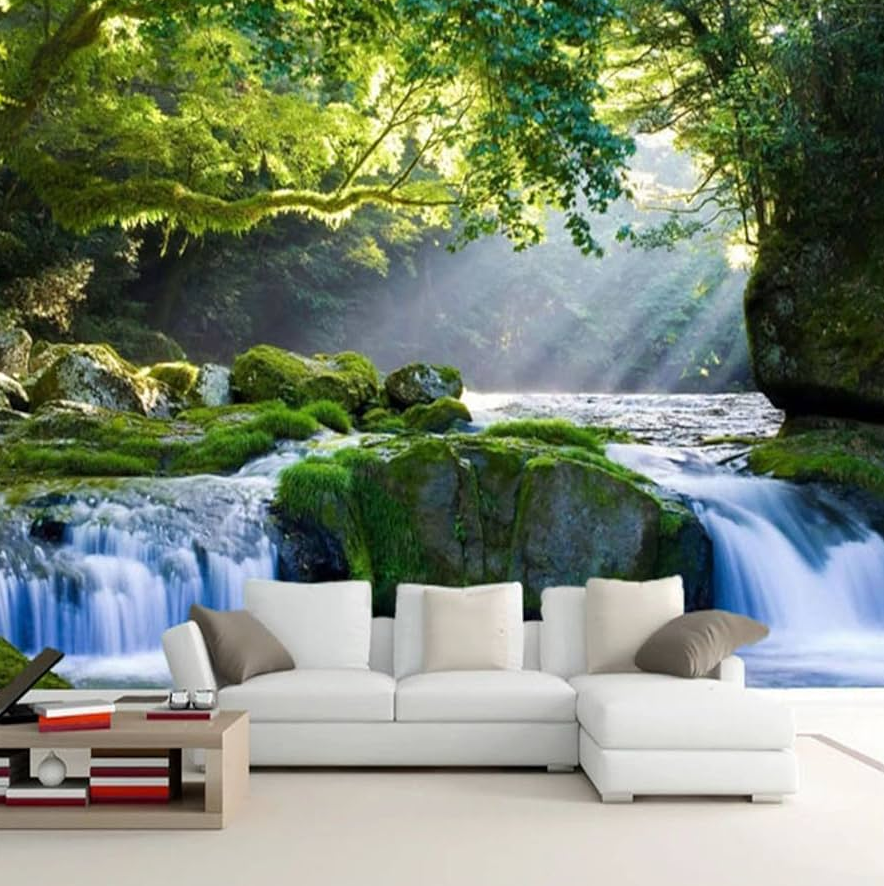
Based on real-world testing in rooms with very little natural light, I have seen that bright, nature-themed murals can compensate somewhat for the lack of windows. They do not replace sunlight, of course, but they give the eye something expansive to rest on, which many people find psychologically refreshing. Soft greens and earth tones also pair well with wood furniture and woven textures.
Consider the following nature mural ideas:
- Forest or woodland scenes for a cocoon-like, intimate feel.
- Mountain or coastal panoramas to create visual depth and an airy mood.
- Over-sized botanicals or leaves for a tropical or spa-like atmosphere.
- Sky or cloud themes on a single wall or extended onto the ceiling for a dreamy effect.
If you use realistic photo murals, choose high-resolution images to avoid pix-elation, especially on large walls. For a more timeless look, hand-painted or illustrated styles often age better than hyper-real photos.
DIY vs Professional Murals: What to Consider
Deciding between a DIY mural, a peel-and-stick wall covering, or hiring a professional artist depends on your skill level, budget, and timeline. Each option has advantages, and combining them is sometimes the best approach, such as using a printed mural for the main feature and hand-painting accents.
From hands-on projects, I have found that DIY painted murals work best for simple shapes, color blocking, or soft, blended backgrounds. They are budget friendly and highly customizable. However, they do require patience, accurate measurements, and good-quality tools. Always use interior-grade, low-VOC paints for bedroom projects to minimize odor and improve indoor air quality.
Professional muralists are ideal for complex designs or artistic styles that are difficult to replicate without training. They typically:
- Help refine your concept and color palette.
- Create scale drawings or digital mock-ups.
- Use appropriate primers and sealers for durability.
- Work efficiently to minimize disruption.
Peel-and-stick murals are a practical middle ground. They are removable, which is helpful in rentals, and come in many artistic bedroom wall mural styles. Ensure the wall is smooth, clean, and properly primed so the adhesive can grip without damaging the surface later.
Color Psychology and Lighting for Bedroom Murals
Color and lighting determine how your mural actually feels once you live with it daily. Even a beautiful design can be uncomfortable if the colors are too intense for a bedroom environment or poorly lit. While preferences vary, certain guidelines help create restful yet expressive spaces.
In my experience specifying colors for bedrooms, softer mid-tones usually work better than pure, highly saturated primaries. For example:
- Blues and greens generally promote calm and are popular for sleep spaces.
- Warm neutrals and blush tones create a cozy, welcoming ambiance.
- Deep navy or charcoal can feel intimate, but benefit from layered lighting.
- Bright reds and intense oranges are stimulating and are often best used as accents rather than full-wall coverage.
Lighting should complement the mural, not fight it. Consider:
- Using warm white bulbs around 2700 K to 3000 K for a soft, relaxing glow.
- Installing dimmers so you can shift from brighter task lighting to gentle evening light.
- Positioning bedside lamps or sconces so they highlight, but do not cast harsh shadows across, the mural.
- Avoiding direct, intense spotlights right on the mural, which can create glare or uneven hotspots.
For safety, always follow manufacturer instructions when installing lighting near flammable materials like wallpaper or fabric panels, and keep hot bulbs away from direct contact with wall coverings.
Practical Prep, Installation, and Maintenance Tips
A mural only looks as good as the surface beneath it. Proper wall preparation ensures smoother installation and longer-lasting results, whether you paint by hand or apply a printed mural. Skipping prep can lead to peeling edges, cracking paint, or visible imperfections.
From hands-on work with wall finishes, I have learned that surface cleaning is the most underestimated step. Before starting:
- Remove dust and grease using a gentle cleaner suitable for painted walls.
- Fill holes and sand rough patches so the mural appears even.
- Apply a quality primer that is compatible with your paint or mural material.
- Allow adequate drying time between coats as recommended on the product label.
For peel-and-stick murals, work slowly from top to bottom, smoothing with a plastic squeegee or soft cloth to avoid air bubbles. Cut carefully around outlets and switches with a sharp utility knife and always turn off power at the breaker before removing face-plates for safety.
Maintenance is straightforward when you choose appropriate materials:
- Most painted murals can be lightly dusted and occasionally wiped with a damp cloth. Avoid abrasive cleaners.
- Many vinyl or non-woven murals are washable, but always check the manufacturer’s care instructions.
- Protect mural walls from repeated furniture bumps by using felt pads on bed frames and nightstands.
Regular, gentle care helps preserve color vibrancy and prevents small scuffs from becoming major distractions.
Conclusion: Bringing Your Artistic Bedroom Mural Vision to Life
A thoughtful bedroom wall mural can reshape your space, influence your mood, and express your personality more vividly than almost any other single design feature. With clear planning, careful color choices, and the right materials, your bedroom can become a truly personalized retreat that feels both stylish and deeply comfortable.
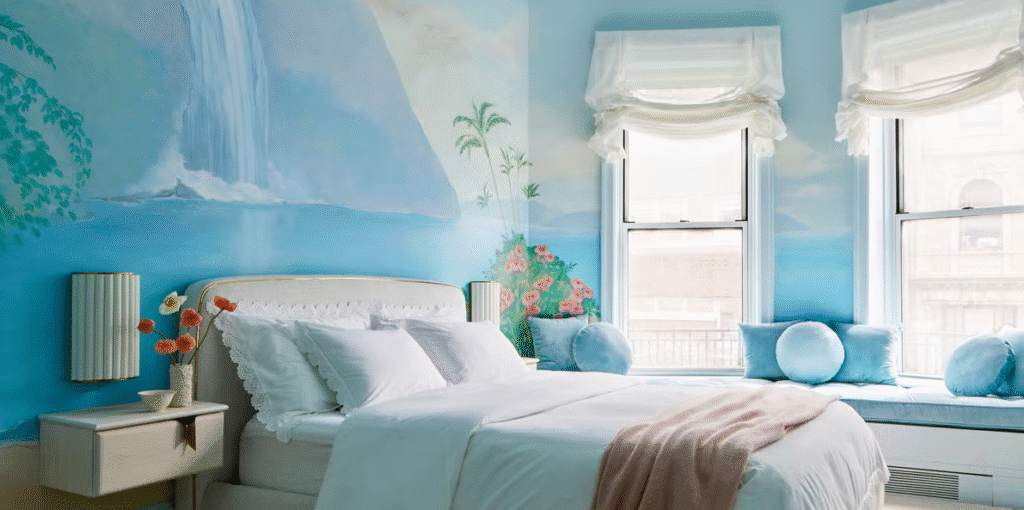
In my experience working with artistic bedroom wall murals, the most successful projects start with a clear intention. Decide first whether you want drama, calm, or a balanced mix, then choose a mural style that supports that goal. Bold geometric statements, tranquil watercolor landscapes, or nature-inspired scenes can all work, as long as they connect with your daily life and sleeping habits.
As you move forward, remember to:
- Choose the right wall and scale so the mural enhances the room instead of overpowering it.
- Match colors and lighting to your desired mood and practical needs.
- Select an installation method, whether DIY, peel-and-stick, or professional, that fits your skill level and time frame.
- Prep thoroughly and maintain gently to keep the mural looking fresh for years.
By combining creative ideas with practical planning, you can transform your bedroom into a curated, artistic environment that feels uniquely yours every time you step inside.

Maira Lindey is a home decor enthusiast who loves transforming ordinary spaces into warm, stylish havens. Through her writing, she shares simple, creative ideas that help people make their homes both beautiful and comfortable. Her approach combines aesthetic charm with practical solutions for everyday living.
With years of experience experimenting with colors, textures, and layouts, Maira enjoys guiding readers to express their personality through home design. She believes that even small changes can have a big impact, and she focuses on tips that are easy to implement without overwhelming the space or the budget.
Beyond decorating, Maira finds inspiration in nature, art, and everyday life. She encourages her readers to embrace creativity and make spaces that feel uniquely theirs, blending functionality with style in ways that are both inviting and livable.