A calm, clean bedroom style creates a backdrop where beauty feels effortless, rest comes naturally, and clutter does not compete with your peace of mind. This guide walks through foundations, styling details, and practical steps to transform your bedroom into a serene retreat.
A calm and clean bedroom is not just about decorating trends; it is about creating an environment that supports rest, clarity, and effortless beauty every single day. By simplifying your space with intentional choices, you can design a bedroom that looks refined, feels soothing, and quietly elevates your daily life.
Calm, Clean Bedroom Foundations for Effortless Beauty
A truly serene bedroom begins with a clear, purposeful foundation. This means knowing what you want the room to do for you: relax your mind, support deep sleep, and offer a sense of visual calm the moment you walk in. From hands-on work with clients, I have found that the most beautiful bedrooms usually have fewer items, each chosen more carefully. Before choosing paint colors or art, define the feeling you want: quiet, airy, grounded, or soft. That emotional target will guide every other design choice.
The physical layout is another key foundation. A calm and clean bedroom layout keeps pathways open and traffic lines simple. Position the bed where you can see the door without being directly in line with it, and avoid crowding the sides with bulky furniture. As a practical rule of thumb, allow at least 24 to 30 inches of walking space around the bed on the primary sides so moving through the room never feels cramped. In my experience designing restful spaces, this small planning step makes the room instantly more peaceful, even before you add decor.
Finally, commit to a decluttered baseline. A calm bedroom style depends on clear surfaces and smart storage. That does not mean the room must look empty, but it should never feel visually noisy. Keep only what you use and love in the bedroom and relocate anything related to work, heavy exercise gear, or storage overflow. This foundation lets every decorative choice breathe, so the space feels effortlessly beautiful instead of overdesigned.
Choosing a Soothing Color Palette and Materials
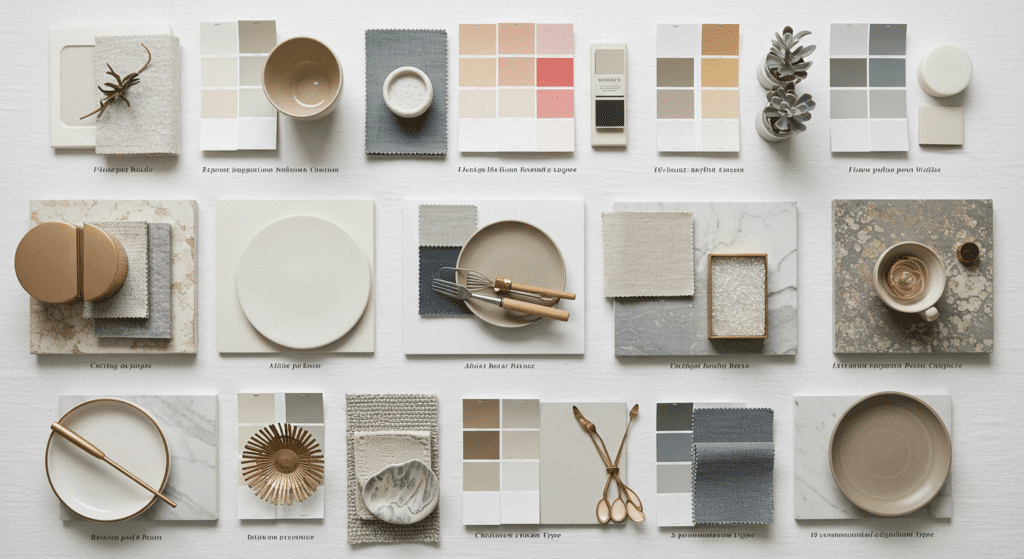
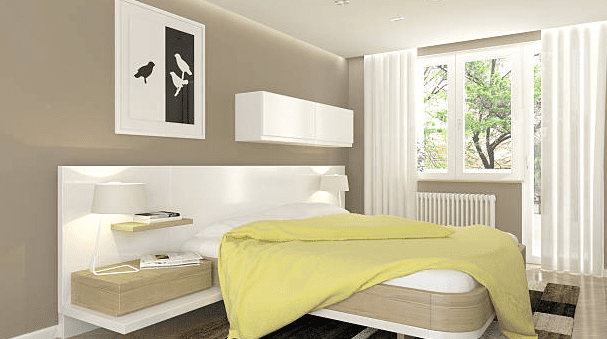
Color is one of the most powerful tools for creating a relaxing bedroom. For a calm, clean look, focus on soft neutrals and muted hues with low visual contrast. Shades like warm white, sand, greige, oyster, light stone, and pale mushroom work very well as base colors. These tones reflect light softly, which keeps your bedroom feeling open and tranquil without feeling sterile. Based on my work with minimal, serene interiors, pairing a warm neutral on the walls with slightly deeper textiles creates a comforting, layered effect.
Accent colors should be gentle and controlled. Instead of bright, high-energy tones, look to nature inspired hues that are naturally calming, such as:
- Misty blue or blue gray
- Sage or olive gray
- Soft blush or dusty rose
- Warm caramel or tobacco as a grounding accent
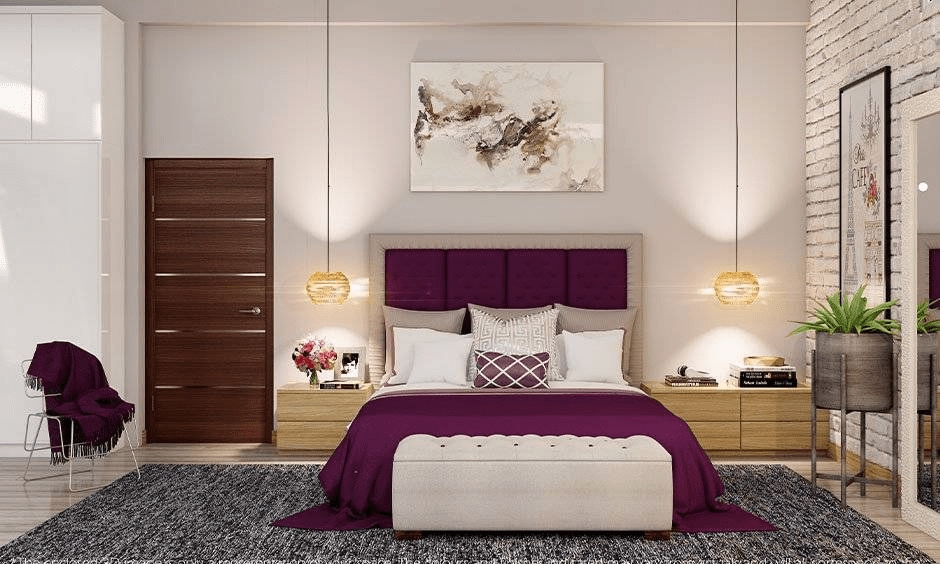
Use these accent colors in small, intentional doses. A calm bedroom style feels cohesive when 70 to 80 percent of the room stays within a soft neutral range, with color introduced through bedding, cushions, art, or a single upholstered piece.
Materials matter just as much as color. For an effortless beauty effect, favor natural textures that age gracefully. Consider:
- Cotton or linen for bedding and curtains
- Wool or flat weave rugs for softness underfoot
- Solid wood or high quality veneer for furniture
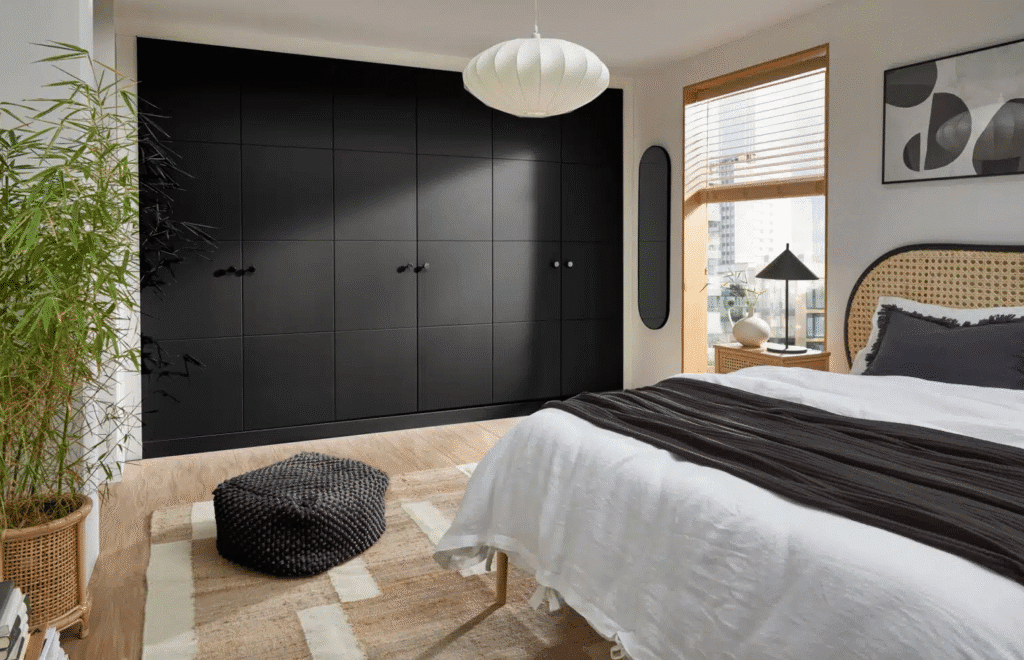
- Rattan, jute, or seagrass for baskets and accent pieces
Fabrics that touch your skin, especially bedding, should be breathable and gentle. Natural fibers like cotton and linen allow air circulation and help regulate body temperature, which can support better sleep comfort, especially when combined with appropriate room ventilation and mattress selection. From experience, choosing fewer materials of higher quality creates a more calm and cohesive visual story than mixing many different finishes.
Furniture Selection for a Peaceful, Clutter Free Layout
The right furniture supports both the calm appearance and everyday functionality of your bedroom. Start by sizing the bed properly. A bed that is too large will make the room feel cramped, while one that is too small can look out of scale. As a general guideline, a queen bed works well in most standard bedrooms, leaving enough space for two nightstands and circulation. For smaller rooms, a full sized bed can open up floor space without sacrificing comfort.
Choose furniture with clean lines and minimal ornamentation. Sleek bed frames, simple nightstands, and dressers with smooth fronts contribute to a calm, modern aesthetic. Avoid overly fussy details or heavy, carved styles if your goal is a clean, airy feel. Based on my past work with clients aiming for a minimal bedroom look, slightly rounded edges and soft corners on furniture help the room feel more welcoming and less rigid.
Storage is essential for maintaining a clutter free environment. Integrate:
- Nightstands with drawers instead of only open shelves
- Dressers that can fully contain clothing, not half filled surfaces
- Under bed storage boxes for off season linens
- A bench or ottoman with hidden storage for extra blankets
Use closed storage for visual calm and keep open shelves to a minimum. If you do have open shelving, curate items carefully and leave negative space so your eye can rest. In my experience, bedrooms with just one or two well organized storage zones are easier to keep tidy than spaces with many scattered small storage solutions.
Layered Lighting for a Soft, Restful Atmosphere
Lighting can transform a bedroom from ordinary to beautifully serene. For a calm, clean bedroom style, aim for layered lighting at three levels: ambient, task, and accent. Ambient light is your general illumination, usually coming from a ceiling fixture or recessed lighting. A simple, diffused ceiling light with a fabric or frosted shade will soften glare and keep the room feeling calm. Choose warm white bulbs around 2700K to 3000K, which create a cozy, restful glow better suited to bedrooms than cooler, blue toned light.
Task lighting is focused light for reading, journaling, or getting dressed. Bedside lamps or wall mounted sconces on dimmers are ideal, as they concentrate light where you need it without overlighting the entire room. For reading in bed, look for lamps at about 24 to 28 inches in height, or allow adjustable sconces to be mounted roughly 48 to 60 inches from the floor, depending on your bed height. From hands-on projects, I have found that individual bedside lights make couples more comfortable since each person can control their own light level.
Accent lighting adds subtle depth and a sense of luxury. Consider:
- A small, warm LED strip under the bed frame for a floating effect
- Discreet lighting inside a wardrobe that turns on when you open the door
- A soft glow from a small table lamp on a dresser
Always follow safety guidelines when adding any electrical component, and have permanent wiring installed by a qualified professional. Use high-quality, certified bulbs and fixtures to avoid overheating. A well-considered lighting plan creates a calm bedroom not only in appearance but also in how your body prepares for sleep when exposed to warmer, lower light in the evening.
Textiles and Bedding for Effortless Comfort

Textiles are where the calm and clean bedroom style becomes tangible. Bedding, curtains, and rugs are the elements you feel the most, so quality here makes an outsized difference. For a serene aesthetic, keep your bedding layered yet simple. Start with:
- A breathable fitted sheet and top sheet in cotton or linen
- A duvet or comforter in a solid, neutral color
- Two to four sleeping pillows plus one or two decorative cushions
In my experience, limiting decorative pillows avoids a cluttered look and makes daily bed making far easier, which supports that effortless beauty you are aiming for. Try to keep patterns subtle, such as a narrow stripe or small texture, and let solid colors dominate.
Curtains should filter light softly and visually frame the room without overwhelming it. Light filtering curtains in a neutral tone help maintain privacy while allowing a gentle, diffused glow. For a taller and more elegant feel, hang curtain rods 4 to 6 inches above the window frame and extend them slightly wider than the window so panels can stack off the glass. If you live in a bright area and need darkness for sleep, pair sheer curtains with blackout lining or a secondary blackout shade. Blackout materials can help block exterior light but they do not completely soundproof the room, so consider both factors if you are sensitive.
Rugs anchor the space and add warmth. For a calm bedroom, choose a rug large enough that at least the front two thirds of the bed sit on it, with about 18 to 24 inches of rug showing on the sides for comfortable stepping. Natural fiber rugs like wool feel soft, insulate well, and can last many years with proper care. For allergy concerns, consult a medical professional and consider low pile, easy to clean materials along with regular vacuuming. From real-world testing in lived in homes, a single, generously sized rug typically feels more serene than several smaller ones.
Styling Details That Keep Your Bedroom Serene and Chic
Styling details are where your calm bedroom develops personality without losing its clean aesthetic. Think of decor elements as quiet accents rather than loud statements. Choose a few key pieces that carry the room: a large, simple mirror, a framed print above the bed, a ceramic vase on the nightstand, or a single sculptural lamp. Based on my design experience, one to three carefully chosen decor items per surface feels balanced and peaceful, especially when most of them share a similar color palette.
Consistency is crucial. Keep your materials and finishes harmonious across the room. For example, if you have light oak bedside tables, consider echoing that tone in a picture frame or tray. If your bedding is cool white, coordinate with cooler toned neutrals rather than mixing in very warm beige. A calm, clean bedroom looks cohesive when metal finishes are limited to one or two types such as brushed brass and black, rather than a mix of chrome, gold, and rose metals. From hands-on work with clients, refining finishes often takes a room from almost there to genuinely serene and chic.
Limit visual distractions by styling with intention:
- Group decor in odd numbers, such as clusters of three items
- Vary height and texture within each grouping, but keep colors similar
- Leave open space on dressers and nightstands so your eye can rest
- Store personal care items and chargers in drawers or boxes
A stylish bedroom that stays uncluttered relies on invisible organization. Decorative boxes, trays, and small lidded containers on nightstands or dressers can hide everyday necessities while preserving a calm visual story.
Smart Storage Habits to Sustain a Calm, Clean Look
Even the best designed bedroom will feel chaotic if daily habits do not support order. Smart storage does not have to be complicated. Start by assigning a clear home for every category of item in your bedroom. Clothes go in the closet or dresser, books in a single stack or shelf, skincare in one drawer or basket, and technology in a small charging station. In my experience working on real homes, the fewer locations you have for each category, the easier it is to put things away quickly.
Use storage that fits your lifestyle, not just what looks good. For a calm and clean style, consider:
- Shallow drawer organizers for jewelry and accessories
- Labeled baskets for seasonal items on upper closet shelves
- Under bed bins for rarely used linens or guest bedding
- Hooks or a single valet chair for clothes you will rewear
Try to minimize the classic bedroom clutter traps such as laundry piles, stacks of unopened mail, and random cords. A simple rule like never leaving more than three items on any surface works surprisingly well for many people. Based on real-world testing, five minute nightly resets to return things to their homes make a visible difference in how calm your bedroom feels the next morning.
Regular editing is part of keeping the calm bedroom style intact. Every few months, review what has drifted into the room. Remove anything that does not support rest, like excess paperwork or equipment. A curated wardrobe that fits comfortably in your storage, rather than overflowing, also helps. Tidiness does not require perfection, but consistent, small efforts ensure your serene bedroom stays that way rather than becoming another stressful space.
Daily Rituals That Enhance a Serene Bedroom Experience
Design sets the stage, but your daily rituals bring the calm, clean bedroom style to life. Evening routines that involve the space can signal your body that it is time to unwind. Consider simple, low effort habits, such as:
- Closing drawers and closet doors before getting into bed
- Turning on a single warm lamp and switching off overhead lighting
- Lightly spritzing your pillow with a fabric safe, gentle scent if you enjoy aromatherapy
- Spending two or three minutes putting items back in their storage spots
From hands-on work with clients, I have found that routines that take under ten minutes are the most sustainable long term. Choose actions that genuinely relax you rather than adding pressure to perform a perfect ritual.
Morning habits can protect the calm aesthetic as well. Making the bed first thing, even in a simplified way, has an outsize effect on how orderly the entire room feels. Smooth the duvet, fluff the pillows, and straighten the rug as you step out. If you open the curtains each morning, natural light will help freshen the space and maintain healthy daylight exposure. Sunlight can help reduce moisture and odors, though it does not replace proper cleaning or ventilation.
Finally, connect your bedroom environment with self care, not work or digital overload. Try to keep laptops and heavy work tasks outside the room whenever possible. If that is not realistic, designate a closed storage spot where devices can rest out of sight at night. For some people, reducing screen brightness and using warm color modes in the evening may help minimize disruption from blue light, though individual responses vary and professional advice is recommended for serious sleep concerns. A calm space, coupled with thoughtful rituals, supports both visual beauty and genuine rest.
Conclusion: Bringing Calm, Clean Style Into Your Everyday Life
A calm, clean bedroom style for effortless beauty is built through a series of purposeful, realistic choices rather than dramatic makeovers. You begin with solid foundations: a soothing color palette, balanced furniture layout, and a commitment to decluttered surfaces. Layering in the right textiles, lighting, and styling details turns those foundations into a space that feels both serene and visually refined. In my experience, the bedrooms that age best are those guided by how the occupants actually live, not just how the room photographs.
Maintenance and lifestyle habits are what sustain this calm over time. Smart storage solutions, curated decor, and short daily reset rituals help your bedroom remain a retreat rather than becoming a catchall. When surfaces stay mostly clear, bedding feels inviting, and lighting is soft and warm, the overall impression is one of quiet luxury, even if the pieces themselves are simple and affordable. From hands-on projects, I have seen clients sleep better, feel more organized, and enjoy getting ready each morning once their bedrooms support these rhythms.
Ultimately, effortless bedroom beauty is not about perfection. It is about aligning design, function, and routine so your space consistently gives you a sense of ease. By choosing calm colors, clean lines, natural materials, and well considered lighting, then backing those choices with simple daily practices, you turn your bedroom into a timeless sanctuary. The result is a room that looks serene, feels welcoming, and quietly supports your wellbeing every single day.
A calm and clean bedroom does not demand constant effort; it simply reflects a series of smart choices that work with your life instead of against it. With clear foundations, gentle colors, layered lighting, and small daily habits, you can enjoy an effortlessly beautiful bedroom that feels like a sanctuary from the moment you step inside.

Maira Lindey is a home decor enthusiast who loves transforming ordinary spaces into warm, stylish havens. Through her writing, she shares simple, creative ideas that help people make their homes both beautiful and comfortable. Her approach combines aesthetic charm with practical solutions for everyday living.
With years of experience experimenting with colors, textures, and layouts, Maira enjoys guiding readers to express their personality through home design. She believes that even small changes can have a big impact, and she focuses on tips that are easy to implement without overwhelming the space or the budget.
Beyond decorating, Maira finds inspiration in nature, art, and everyday life. She encourages her readers to embrace creativity and make spaces that feel uniquely theirs, blending functionality with style in ways that are both inviting and livable.