Every home eventually needs repairs, upgrades, or quick fixes, and the right tools can turn those tasks from stressful emergencies into simple weekend projects. This guide walks through the essential tools experts recommend for every homeowner so you can handle common home maintenance with confidence.
Whether you own a small condo or a sprawling house, a well-chosen toolkit is one of the smartest investments you can make. With the right core hand tools and a few strategic power tools, you can save money on repairs, handle emergencies faster, and keep your home safer and more comfortable year-round.
Core Hand Tools Every Homeowner Should Rely On
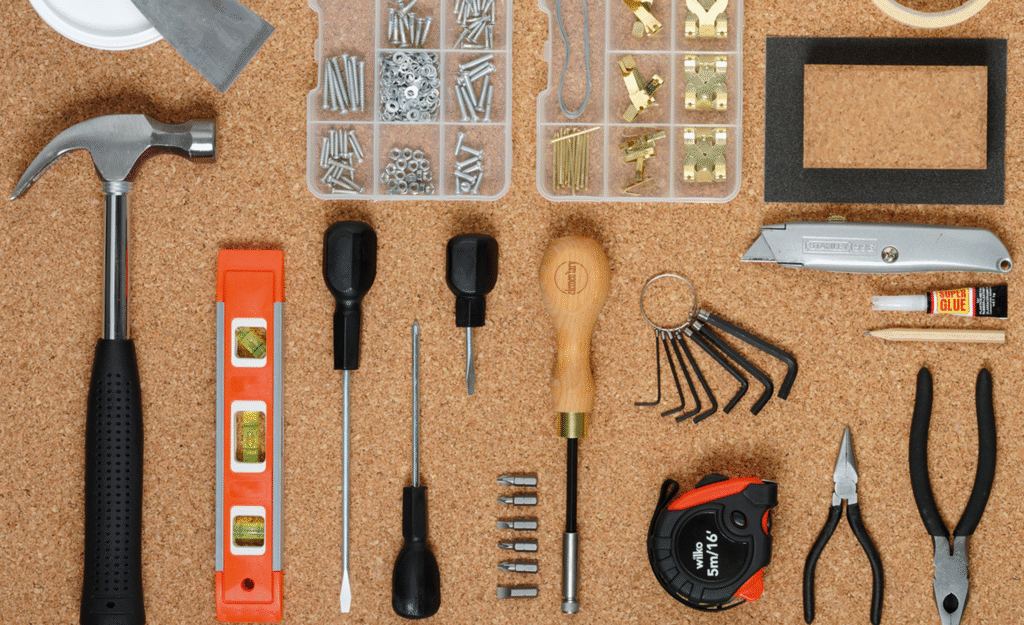
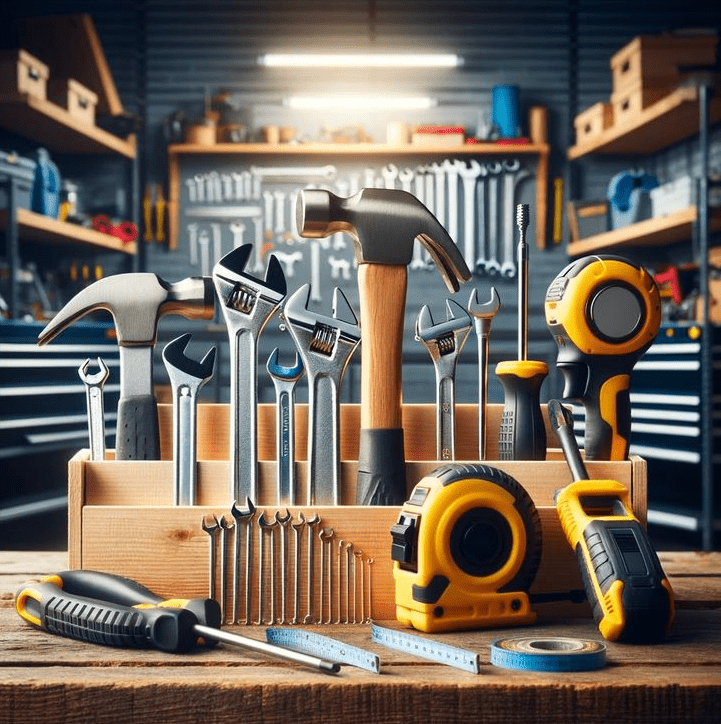
A solid set of basic hand tools is the foundation of every homeowner’s toolkit. These tools rarely wear out if you buy reasonable quality, and they cover a wide range of everyday tasks such as assembling furniture, tightening loose hardware, and performing simple repairs. Essential items in this category include a claw hammer, screwdrivers, pliers, an adjustable wrench, a utility knife, and a reliable tape measure. When professionals talk about essential homeowner tools, these are usually the ones they mean first.
From hands-on work with clients in older homes, I have seen that homeowners who keep these tools within easy reach are far less likely to postpone small issues that can grow into costly damage, such as loose door hardware or minor leaks around fixtures. It is also important to prioritize tools with comfortable grips and solid construction so they are safe and easy to handle. For example, a hammer with a fiberglass or hickory handle absorbs vibration better than cheap metal-only designs, which can help reduce fatigue during repetitive tasks.
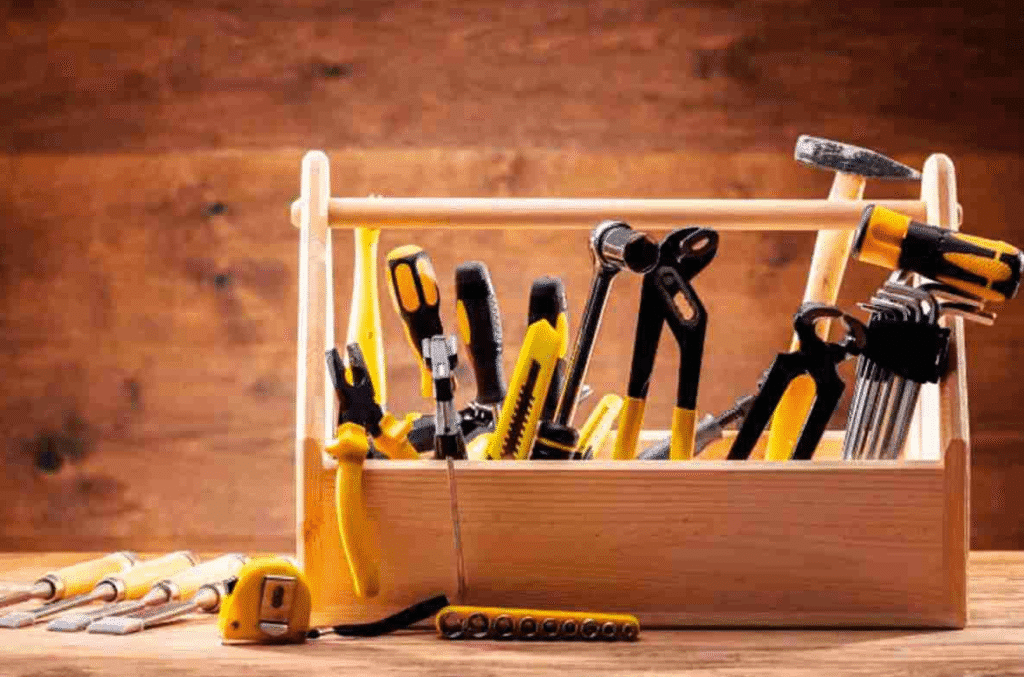
To make your hand tools more effective and easier to use, store them in a single, dedicated location such as a small tool bag, toolbox, or wall-mounted pegboard. Consistent storage not only saves time but also reduces the risk of leaving tools in unsafe places where children or pets might reach them. In my experience, creating a simple system, such as returning each tool to the same pocket or hook, encourages regular maintenance and helps you quickly see if anything is missing before you start a project.
Key hand tools every homeowner should own include:
- Claw hammer (16 to 20 oz) for hanging pictures, light framing, and pulling nails
- Screwdriver set with both Phillips and flathead tips in several sizes
- Adjustable wrench for plumbing connections and general hardware
- Combination pliers and needle-nose pliers for gripping, bending, and cutting wire
- Utility knife with replaceable blades for cutting drywall, carpet, and packaging
- 25-foot tape measure for room measurements, furniture placement, and material cuts
- Small level (9 to 24 inches) to keep shelves, frames, and appliances properly aligned
Power Tools That Make Home Projects Manageable
While hand tools handle many basic tasks, power tools make larger or more repetitive jobs significantly easier and more efficient. For most homeowners, a small set of carefully chosen power tools is enough to tackle the majority of DIY projects, from building simple shelves to installing flooring or repairing decks. The top experts typically recommend a cordless drill/driver, a circular saw, and a random orbital sander as the first power tools to purchase.
Based on real-world testing in home workshops, a good quality cordless drill provides the single biggest boost in capability for homeowners. It allows you to drill pilot holes, drive screws quickly, and even mix small batches of paint or compound with the right attachment. When you pair a drill with a circular saw, you can cut lumber, plywood, and trim with reasonable accuracy, especially if you use a simple guide or straightedge. These tools do require respect and proper safety practices, such as eye protection and stable work support, but they can transform how you approach home repairs and improvements.
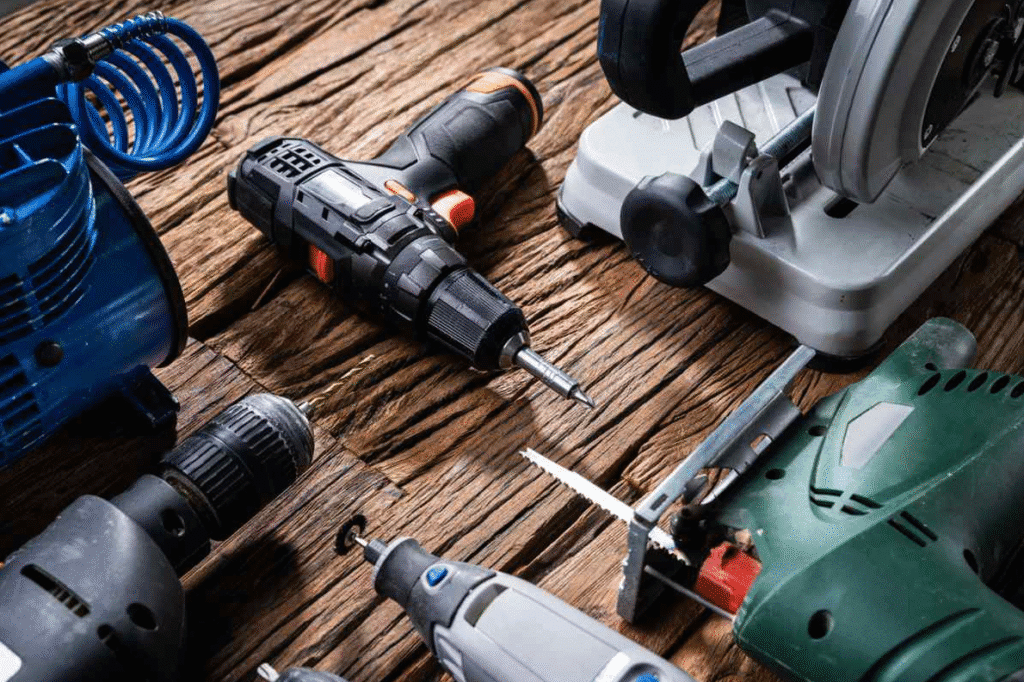
It is important to note that more power is not always better for homeowners. For example, a medium-powered cordless drill with a 12V or 18V battery is often easier to control than an over-sized contractor-grade tool, and it is typically lighter for overhead work. From hands-on projects, I have found that homeowners who invest in one battery platform (for example, 18V or 20V max) and stay with that brand save money over time by using the same batteries for multiple tools. This approach also reduces clutter and charging complexity.
Essential power tools that make homeowner projects manageable:
- Cordless drill/driver with at least one spare battery and a basic bit set
- Circular saw for cutting lumber, plywood, and basic trim work
- Random orbital sander for smoothing wood, paint prep, and refinishing furniture
- Oscillating multi-tool for detailed cuts, grout removal, and trim modifications
- Stud finder to safely locate framing for mounting heavy items
- Extension cords rated for outdoor use when working in yards, garages, or driveways
Measuring, Marking, and Layout Tools for Accuracy
Accurate measurements and clear markings are the difference between a project that looks professional and one that feels “off” every time you walk past it. Essential layout tools help you plan and execute projects correctly the first time, which saves both materials and frustration. For homeowners, the most useful items include a reliable tape measure, a torpedo level or 24-inch level, a carpenter’s square, a chalk line, and high-quality pencils or markers.
In my experience working on interior renovations, most visible mistakes in DIY work come from poor measuring and layout rather than from the cutting or fastening itself. A tape measure with clear markings and a sturdy blade that stands out 7 to 10 feet makes solo measuring far easier. Similarly, a good level helps ensure that cabinets, shelves, art, and even appliances line up correctly, which is especially noticeable in kitchens and living rooms. When hanging multiple picture frames or building gallery walls, a small level and painter’s tape can help you map everything out before making a single hole in the wall.
It is also helpful to understand that building materials are not always perfectly straight or square, especially in older homes. Walls can be slightly out of plumb and corners may not form a perfect 90 degrees. Based on field experience in houses built before the 1980s, I recommend measuring at multiple points and verifying with a square or level before final cuts. Using a chalk line to snap straight reference lines on walls, floors, or decks gives you a consistent guide that compensates for slight irregularities in the structure.
Core measuring and layout tools every homeowner should include:
- 25-foot tape measure with clear, easy-to-read markings
- Torpedo level and/or 24-inch level for leveling and plumbing smaller projects
- Speed square or combination square for accurate 90-degree and 45-degree marks
- Chalk line for long, straight layout lines on floors, walls, and exterior projects
- Carpenter’s pencil or fine-tip marker for making durable, visible marks
- Measuring apps or laser measure (optional) for room layouts and quick estimates
Fastening, Cutting, and Assembly Essentials
Many homeowner tasks come down to fastening something securely, cutting materials to size, or assembling components like furniture, shelving, or trim. Having the right fastening and cutting tools makes these tasks faster, neater, and safer. At a basic level, you will want a well-stocked assortment of screws, anchors, nails, and picture hanging hardware, along with tools such as a hammer, screwdrivers, a drill, and a handsaw or hacksaw.
From hands-on work assembling everything from flat-pack furniture to custom built-ins, I have found that having a dedicated organizing box for screws, wall anchors, and small hardware makes a huge difference. Homeowners often spend more time searching for the right screw than actually attaching the hardware. A small compartment box labeled by size and type pays off whenever you need to fix a hinge, replace a cabinet pull, or mount a curtain rod. For mounting heavy items like TVs, shelves, or mirrors, using the correct wall anchors and locating studs is critical for safety and long-term durability.
Cutting tools should be matched to the materials you commonly encounter. A basic handsaw can handle softwood boards, while a hacksaw is better for cutting metal rods, bolts, or plastic pipes. A utility knife with sharp blades is ideal for drywall, insulation, carpet, and packaging. Based on real-world use, always cut on a stable surface, keep fingers well away from blades, and replace dull blades promptly since dull tools are more likely to slip and cause injury. For outdoor projects, a pruning saw and garden shears are also valuable for minor tree and shrub trimming.
Key fastening and cutting tools and supplies to keep on hand:
- Assorted screws and nails in common sizes for interior and exterior use
- Wall anchors rated for the weight of items you plan to mount
- Picture hanging kits with hooks, wire, and small nails
- Handsaw for cutting wood when power tools are not practical
- Hacksaw for metal rods, bolts, and PVC or plastic pipe
- Quality utility knife with spare blades for clean, controlled cuts
- Wood glue and construction adhesive for additional holding power where appropriate
Safety and Inspection Tools for a Safer Home
No homeowner toolkit is complete without safety and inspection tools that help prevent accidents and identify problems early. At a minimum, you should have safety glasses, work gloves, hearing protection, and dust masks or respirators appropriate for the tasks you perform. For home inspection and troubleshooting, a non-contact voltage tester, flashlight or headlamp, and a basic inspection mirror can reveal hidden issues around wiring, plumbing, and structural elements.
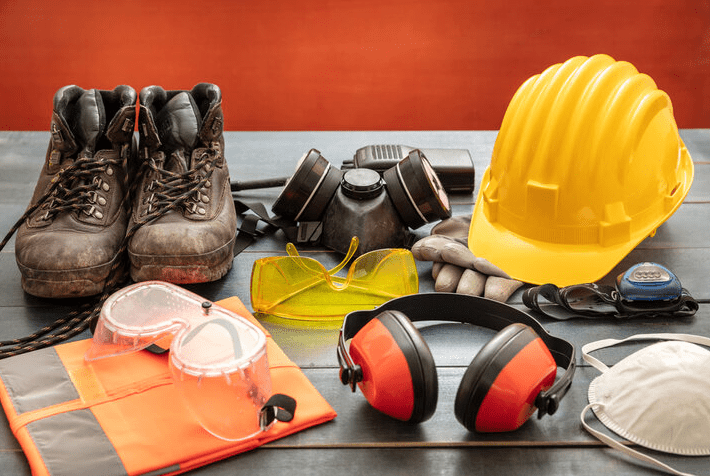
In my experience working in attics, basements, and crawl spaces, a bright LED flashlight and suitable protective gear are some of the most underrated essentials. A simple headlamp keeps both hands free while you work in dark areas behind appliances or under sinks. When dealing with dust, insulation, or old paint, using a mask that meets appropriate safety standards for the task helps protect your lungs. For projects that may involve lead paint or asbestos, homeowners should follow local regulations and, when in doubt, consult licensed professionals since improper handling can create serious health risks.
A non-contact voltage tester is one of the most important safety-specific tools for any homeowner who might touch electrical components. It allows you to verify that a circuit is de-energized before you remove a switch plate, replace an outlet, or work on a light fixture. Based on real-world electrical troubleshooting, I recommend testing the tester on a known live circuit first, then checking the circuit you plan to work on. This habit confirms that the tool itself is working correctly, which is a vital safety step.
Essential safety and inspection tools every homeowner should have:
- Safety glasses or goggles to protect eyes from dust and debris
- Work gloves suited to your tasks (cut-resistant, leather, or nitrile)
- Hearing protection such as earplugs or earmuffs for loud power tools
- Dust masks or respirators rated for sawdust or specific contaminants
- Non-contact voltage tester for verifying power is off before electrical work
- Bright LED flashlight or headlamp for inspections in dark spaces
- Inspection mirror for behind and under appliances, plumbing, and framing
Plumbing, Electrical, and Fix-It Tools for Common Repairs
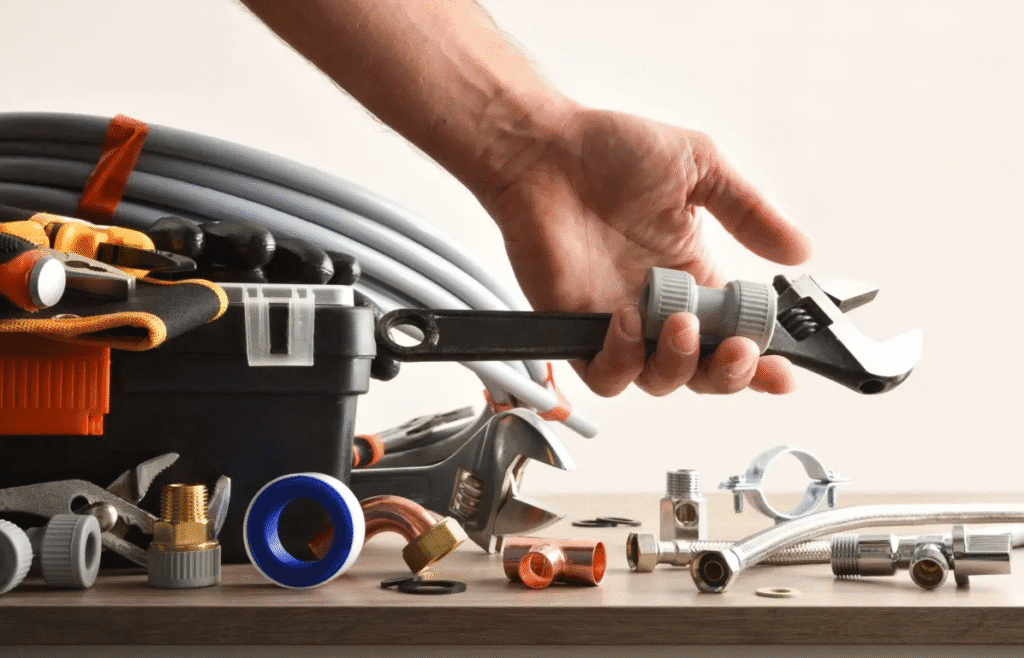
Every homeowner eventually faces leaky faucets, running toilets, tripped breakers, or faulty outlets. Having a few specialty tools makes these situations quicker and less stressful, and often avoids the need for an emergency service call. For plumbing, a basic set might include a plunger, a pair of tongue-and-groove pliers, a pipe wrench, and Teflon tape. For electrical tasks within a homeowner’s comfort and legal limits, screwdrivers, wire strippers, outlet testers, and the previously mentioned non-contact voltage tester are extremely helpful.
From hands-on work with minor plumbing repairs, I have found that a high-quality plunger and a simple drain snake can solve many clogs without harsh chemical drain cleaners, which can damage certain types of pipes and fixtures over time. A small adjustable basin wrench can make it much easier to reach the nuts that hold faucets to sinks, especially in tight bathroom vanities. For minor leaks at threaded pipe joints or shower arms, Teflon tape applied correctly around the threads can often fix or prevent slow drips, but it is not suitable for every type of plumbing connection, so always follow manufacturer recommendations.
Electrical repairs require respect for safety and an understanding of your limits. Simple tasks such as replacing a light fixture, installing a new switch, or swapping out a standard outlet are often within reach for careful homeowners, provided local codes permit it and you follow proper instructions. Based on real-world experience, using an outlet tester after any electrical work provides a quick check for common wiring errors. However, work involving service panels, major rewiring, or unfamiliar multi-wire circuits should be handled by a licensed electrician, both for safety and for insurance and code compliance.
Core plumbing and electrical tools for everyday homeowner repairs:
- Plunger (cup and flange styles) for sinks, tubs, and toilets
- Tongue-and-groove pliers for gripping plumbing nuts and fittings
- Small pipe wrench for threaded metal plumbing connections
- Drain snake or auger for simple clogs in sinks and tubs
- Teflon tape (PTFE tape) for threaded plumbing joints as specified
- Wire strippers and cutters for small electrical projects
- Outlet/GFCI tester for quick safety checks on receptacles
Storage, Organization, and Maintenance of Your Tool Collection
Owning great tools is only half the equation; storing and maintaining them properly ensures they are ready when you need them and helps them last for years. A dedicated toolbox, tool bag, or wall-mounted storage system keeps your essential tools organized and protected from damage. Homeowners often start with a simple plastic or metal toolbox, then add a pegboard, shelves, or drawer organizers as their collection grows.
In my experience working with homeowners who feel overwhelmed by cluttered garages or basements, the biggest improvement usually comes from assigning every tool and supply category a “home” and labeling that location. For example, keeping all fasteners in one labeled organizer, power tools on a single shelf, and hand tools on a pegboard or in a drawer makes it intuitive to put things back. A small magnetic tray for screws and nails during projects prevents hardware from rolling away and helps you avoid stepping on sharp items.
Regular maintenance extends the life and performance of your essential homeowner tools. Wiping metal surfaces clean after use, applying light oil on moving parts when appropriate, and storing tools in a dry area reduces the risk of rust. For cordless power tools, experts recommend charging batteries according to manufacturer instructions, avoiding extreme temperatures, and occasionally cycling spare batteries so they remain healthy. From hands-on workshop use, I have found that a quick inspection for frayed cords, cracked handles, or dull blades once every few months is enough to catch most issues before they become hazards.
Helpful strategies for tool storage and maintenance:
- Choose a central storage location that is dry, secure, and easy to access
- Use labeled bins and organizers for fasteners, anchors, and small parts
- Install pegboard or wall racks for frequently used hand tools
- Clean tools after each project and dry them thoroughly to prevent rust
- Inspect power cords and tool housings periodically for damage
- Store batteries and chargers off the floor, away from moisture and extreme heat or cold
Building a Starter Toolkit on a Budget
Not every homeowner can or should buy every essential tool all at once. A smart approach is to build a starter toolkit that covers the most common tasks, then expand as your projects grow in scope and complexity. Focus first on versatile tools that handle multiple jobs and offer good value for the cost, rather than ultra-specialized tools you will rarely use. Over time, you can add more advanced items such as a miter saw, wet/dry vacuum, or specialty plumbing and electrical tools.
Based on real-world work with first-time homeowners, I recommend starting with a “priority list” and a realistic budget. Look for quality mid-range tools instead of the absolute cheapest options, especially for tools that involve safety such as ladders, cutting tools, and electrical testers. Tool combo kits that include a cordless drill, circular saw, and light, along with batteries and a charger, often offer better value than buying each item separately. When shopping, pay attention to warranty terms and user reviews for guidance on durability and reliability.
Buying used tools can also be a cost-effective strategy if you know what to look for. Hand tools with solid metal bodies and minimal rust often perform like new when cleaned up. For power tools, inspection is more important; check that switches operate smoothly, cords are intact, and moving parts run without unusual noise or vibration. From hands-on purchasing experience, I have found that older tools from reputable brands are often better built than brand-new bargain tools, as long as they have been treated reasonably well.
Practical steps to build a budget-friendly essential toolkit:
- Start with a core hand tool set that includes a hammer, screwdrivers, pliers, wrench, tape measure, and utility knife
- Add one or two key power tools, usually a cordless drill first, then a saw or sander based on your projects
- Watch for combo kits from reputable brands that include batteries and chargers
- Buy used or refurbished tools carefully, focusing on condition and safety
- Prioritize safety gear as part of your initial purchases, not as an afterthought
- Expand gradually by adding specialty tools only when a real project calls for them
Conclusion: Turning Your House Into a Home You Can Maintain
Assembling a thoughtful collection of essential tools is one of the best long-term investments you can make as a homeowner. With a mix of core hand tools, a few well-chosen power tools, and reliable safety and inspection gear, you gain the confidence to handle everything from hanging shelves to responding to minor plumbing or electrical issues. Instead of waiting for costly service calls for small problems, you can often fix them yourself safely and effectively.
From hands-on work with homeowners in many different types of properties, I have seen that people who feel equipped and prepared are far more proactive about maintenance. That proactive mindset keeps homes in better condition, protects property value, and reduces the likelihood of larger, more expensive repairs. It also turns home care into a manageable part of life rather than a source of constant stress.
As your skills and needs grow, you can continue to expand your toolkit in smart, deliberate stages, focusing on quality, safety, and practicality. The essential tools experts say every homeowner should own are not just about repairs; they are about having the capability to adapt, improve, and care for your living space over many years. With a well-planned toolkit at your side, your house truly becomes a home you can maintain with confidence.
With the right mix of essential tools and a basic understanding of how to use them, you can take control of routine home maintenance, avoid unnecessary service calls, and keep your property in better shape year after year. Start with the core items in this guide, build gradually, and you will have a homeowner’s toolkit that serves you well through countless projects and seasons.

Maira Lindey is a home decor enthusiast who loves transforming ordinary spaces into warm, stylish havens. Through her writing, she shares simple, creative ideas that help people make their homes both beautiful and comfortable. Her approach combines aesthetic charm with practical solutions for everyday living.
With years of experience experimenting with colors, textures, and layouts, Maira enjoys guiding readers to express their personality through home design. She believes that even small changes can have a big impact, and she focuses on tips that are easy to implement without overwhelming the space or the budget.
Beyond decorating, Maira finds inspiration in nature, art, and everyday life. She encourages her readers to embrace creativity and make spaces that feel uniquely theirs, blending functionality with style in ways that are both inviting and livable.