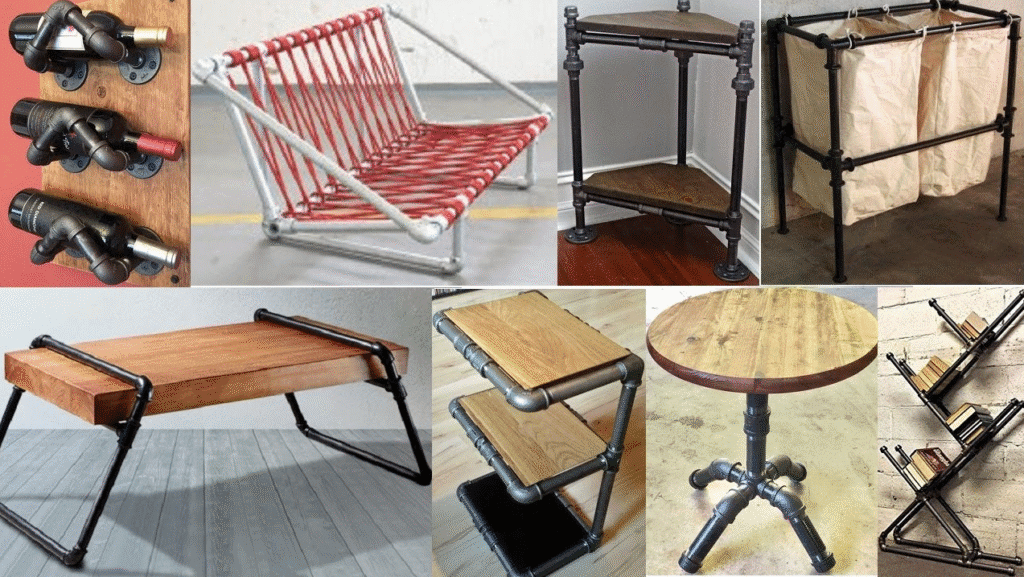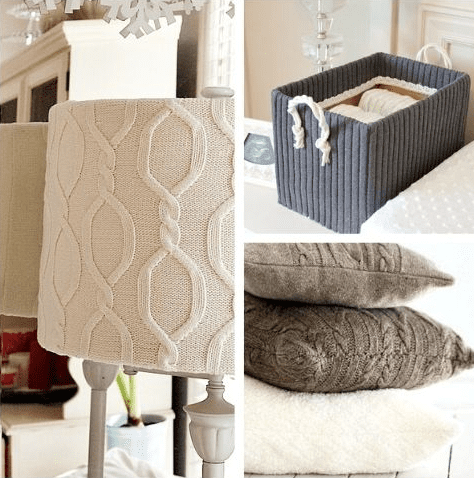
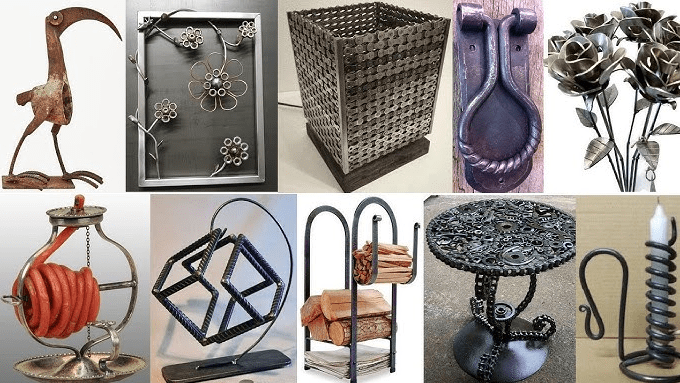
Industrial style DIY repurposed metal art projects turn scrap steel, pipes, and rusty hardware into bold, sculptural decor that looks at home in lofts, workshops, and modern apartments. This guide walks you through ideas, methods, and practical tips to build industrial chic metal art safely and creatively.
Raw Metal, Salvaged Treasures & Industrial Style
Industrial style thrives on honesty of materials, and raw metal is one of its strongest foundations. Steel, iron, aluminum, and copper bring weight, texture, and a sense of history that painted MDF or plastic simply cannot match. When you cut, weld, and bolt reclaimed metal into new forms, you celebrate scars, patina, and imperfections instead of hiding them. That combination of rough character with clean lines is at the heart of industrial chic decor.
Salvaged treasures are where the story begins. Old factory gears, bicycle chains, plumbing pipe, sheet metal offcuts, car parts, and even broken tools can be reimagined as sculptural art. In my experience working with clients who love urban loft aesthetics, the pieces that get the most compliments are rarely the shiny new ones. It is always the wall sculpture built from worn sockets or the lamp made from a vintage valve that grabs attention and sparks conversation.
At the same time, it is important to be realistic about what you can and cannot do with repurposed metal. Not all scrap is safe or suitable for indoor decor. Anything contaminated with oil, chemical residues, or lead-based paint should be avoided or professionally cleaned. Heavy structural pieces may be visually appealing but can be difficult to mount without proper anchors. Industrial style works best when the look is rugged yet the project planning, safety checks, and installation are careful and methodical.
DIY Repurposed Metal Wall Art, Sculptures & Decor
Turning salvaged metal into DIY wall art is one of the most approachable starting points. Flat compositions made from gears, brackets, hinges, and perforated metal sheets can be arranged like collage before any permanent fastening. From hands-on projects, I have found that laying everything out on the floor first, then snapping a photo for reference, makes it much easier to keep your design balanced as you start welding or screwing pieces together. It also lets you experiment with symmetry, negative space, and focal points before committing.

Free-standing sculptures are the next level for bolder industrial decor. Think of stacked gears as a totem, a cluster of bent re-bar forming an abstract figure, or a swirl of chain rising from a concrete base. Sculptures generally benefit from a clear structural backbone, such as a central rod or pipe, to keep the piece stable. For indoor pieces around 24 to 36 inches tall, a base that is at least one third the height of the sculpture in width typically gives enough stability, as long as the weight is centered and evenly distributed.
Smaller decor items let you test industrial style in any room without overwhelming the space. Popular DIY ideas include:
- Candle holders made from large nuts, flanges, or cut pipe
- Bookends using brake discs or railroad spikes
- Trays built from shallow metal pans with welded handles
- Key racks crafted from wrenches and hooks
- Magnet boards using sheet metal and rare earth magnets
Based on my past work with compact apartments, grouping three to five small industrial decor pieces on a shelf or console table often reads more cohesive than scattering them individually around the room.
Sourcing Scrap & Salvaged Metal Safely
Successful repurposed metal art begins with smart sourcing. Local scrapyards, metal recycling centers, building demolition sites, farm auctions, and flea markets can all yield interesting raw material. Always ask permission before picking from a site, and find out whether any coatings or treatments may be present. Some industrial parts are plated or treated with chemicals that you do not want to grind or heat at home. It is safer to stick to obvious structural steel, iron hardware, and unpainted aluminum when you are just starting out.
Safety and legality go hand in hand when sourcing. Never remove metal from private or public property without clear consent, and avoid anything that appears to be part of active infrastructure, such as rails, grates, or signage. In my experience working with community makerspaces, clarity with scrapyard staff pays off: describe your art goals, and they will often steer you toward offcuts and discards that are inexpensive and suitable for DIY projects. Many yards sell by weight, which keeps costs low for smaller art pieces.
After sourcing, an initial screening step helps prevent headaches later. Look for:
- Visible rust versus flaky, deep corrosion
- Sharp edges or bent, stressed areas that may crack under load
- Heavy grease or unknown residues
- Layers of old paint that might contain lead on pre-1978 items
If you suspect lead paint or hazardous coatings, either leave the piece behind or send it to a professional shop for safe stripping. For home DIY, focus on pieces that can be cleaned with wire brushing, degreaser, and light grinding without releasing toxic dust or fumes.
Essential Tools, Techniques & Safety Basics
Even the most creative industrial metal art relies on a few core tools and techniques. At minimum, you will want:
- A hacksaw or angle grinder with cut-off wheels for trimming
- A drill with metal bits for mounting holes
- Clamps to hold awkward shapes in place
- Metal files and flap discs for smoothing edges
- Measuring tape, square, and marker for layout
For joining, there are three main options: welding, mechanical fastening, and adhesives. Welding gives the strongest and most permanent bonds, but it requires proper equipment, training, and ventilation. From hands-on work with students, I have seen that entry-level MIG welders are often the most forgiving for beginners under supervision. Mechanical fastening with screws, bolts, or rivets is safer for home setups and works very well for wall art and light decor. Specialized metal epoxy can be used for non-structural joints but should never be trusted for heavy load-bearing connections.
Metalwork safety is non-negotiable. At a minimum, protect yourself with:
- Safety glasses or a full face shield
- Hearing protection when grinding or cutting
- Heat and cut resistant gloves
- Sturdy, closed-toe footwear
- A well-ventilated workspace away from flammables
If you weld or heavily grind, use a properly rated respirator and ensure good air flow. Sparks can travel several feet, so clear the area, keep a fire extinguisher nearby, and never work near sawdust piles, solvents, or fabric scraps. Industrial style is supposed to look rugged, not cause actual hazards in your home or studio.
Designing Bold Industrial Metal Wall Art
Designing striking industrial metal wall art starts with understanding scale and proportion. A narrow hallway might suit a long horizontal piece made from repeating brackets and flat bar, while a large living room wall can handle a bold, vertical gear cluster 36 to 48 inches tall. As a guideline, wall art tends to feel balanced when it fills at least half to two thirds of the width of the wall section above a sofa or console table. Tape an outline on the wall before you start building to get a sense of scale.
Composition is where industrial metal art becomes truly expressive. You can:
- Arrange discs, gears, and washers in circular or spiral patterns
- Use pipes or flat bars as strong linear elements or “rails”
- Mix perforated metal with solid plates for contrast
- Introduce a single accent color, such as a red valve or blue bracket
In my experience designing industrial style pieces, limiting yourself to two or three main shapes and one accent detail keeps the final artwork from looking cluttered. Repetition of a specific element, such as three similar gears or a row of identical brackets, creates rhythm that feels intentional rather than random.
Mounting is both technical and visual. For heavy pieces, weld or bolt a frame on the back that can hang on French cleats or multiple heavy-duty anchors rated for the total weight plus a safety margin. Use anchors suitable for your wall type, such as toggle bolts for drywall or masonry screws for brick. Keep in mind that wall studs are typically spaced 16 inches on center in many homes, so designing mounting points to line up with studs can simplify installation and increase safety.
Creating Sculptural Pieces from Gears, Pipe & Hardware
Three-dimensional industrial metal sculptures often start from a single strong component. A large gear can become the base or “face” of a piece, while a length of pipe or all-thread rod serves as a spine. Building out from that anchor element, you can add layers of interest with smaller hardware items like nuts, washers, springs, and brackets. From hands-on projects, I have found that arranging these parts in dry mock-ups, photographed from several angles, helps prevent awkward spots once you commit to welding or bolting.
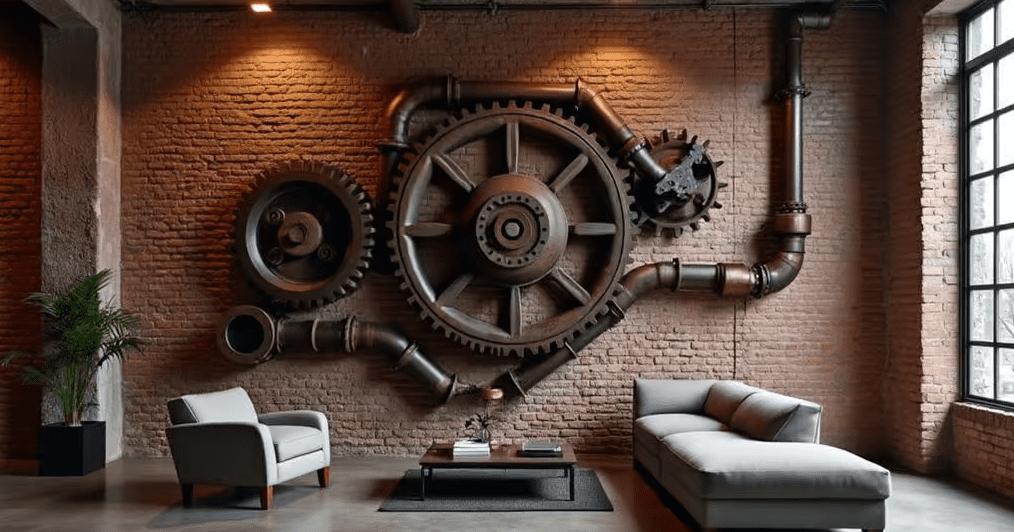
Balance and center of gravity matter more in sculpture than in flat wall art. A tall, narrow piece requires a heavier and wider base than a low, wide one. For a floor-standing sculpture around 4 feet tall, a steel plate base at least 12 by 12 inches and roughly one quarter inch thick often provides good stability, provided you keep most of the mass close to the center. If a sculpture will live in a household with kids or pets, either secure it to a wall or design it short and heavy to reduce tipping risk.
Lighting can transform industrial sculptures. You can thread low-voltage LED strip lights or Edison-style bulbs through open pipes, around gears, or behind perforated panels. Any electrical work must follow safety standards: use components rated for the intended voltage, protect all connections in proper junction boxes, and avoid running wires where they can be pinched or abraded by moving parts. Based on my past work with sculptural lighting, warm white LEDs around 2700K to 3000K create a welcoming glow that softens the raw feel of metal without losing the industrial character.
Finishing, Patina & Protecting Raw Metal
One of the joys of industrial style is embracing raw metal surfaces, but some finishing is still important for safety and longevity. After cutting and grinding, thoroughly deburr edges and corners so they are comfortable to touch. Clean the piece with a degreaser, then a wire brush or flap disc to remove loose rust and scale. If you like the natural patina, you can lock it in rather than strip it away. In my experience working on indoor metal art, a clear matte polyurethane or acrylic lacquer often preserves the color and texture while reducing rust transfer and staining on walls or floors.
Intentional patina finishes can add depth and character. Mild steel and iron can be coaxed into richer browns and oranges using controlled exposure to vinegar, saltwater, or commercial patina solutions. Copper and brass can develop blues and greens with specific chemical treatments. Always follow manufacturer instructions, wear gloves and eye protection, and work in a ventilated area. Note that patina solutions change surface color but do not significantly thicken or strengthen the metal, so they are primarily aesthetic.
For pieces that might encounter moisture, such as art near entryways or in covered outdoor spaces, rust protection matters. Options include:
- Oil-based clear coats for a slightly warmer tone
- Wax finishes buffed on for a soft sheen
- Powder coating from a professional shop for maximum durability
Outdoor installations benefit from UV stable finishes and periodic maintenance. Inspect annually for chips or scratches, and touch up as needed to prevent corrosion from creeping under the coating.
Integrating Industrial Metal Art into Your Home Decor
Industrial style repurposed metal art can play many roles in an interior: bold focal point, subtle accent, or functional decor. Large wall art panels look striking behind a sofa or above a bed, while smaller pieces can bring character to entryways, kitchens, and even bathrooms. Based on my past work with interiors, I recommend balancing metal with softer materials such as wood, linen, and wool to keep rooms from feeling cold. A metal gear sculpture on a reclaimed wood console or a pipe lamp on a stone side table creates a layered, inviting look.
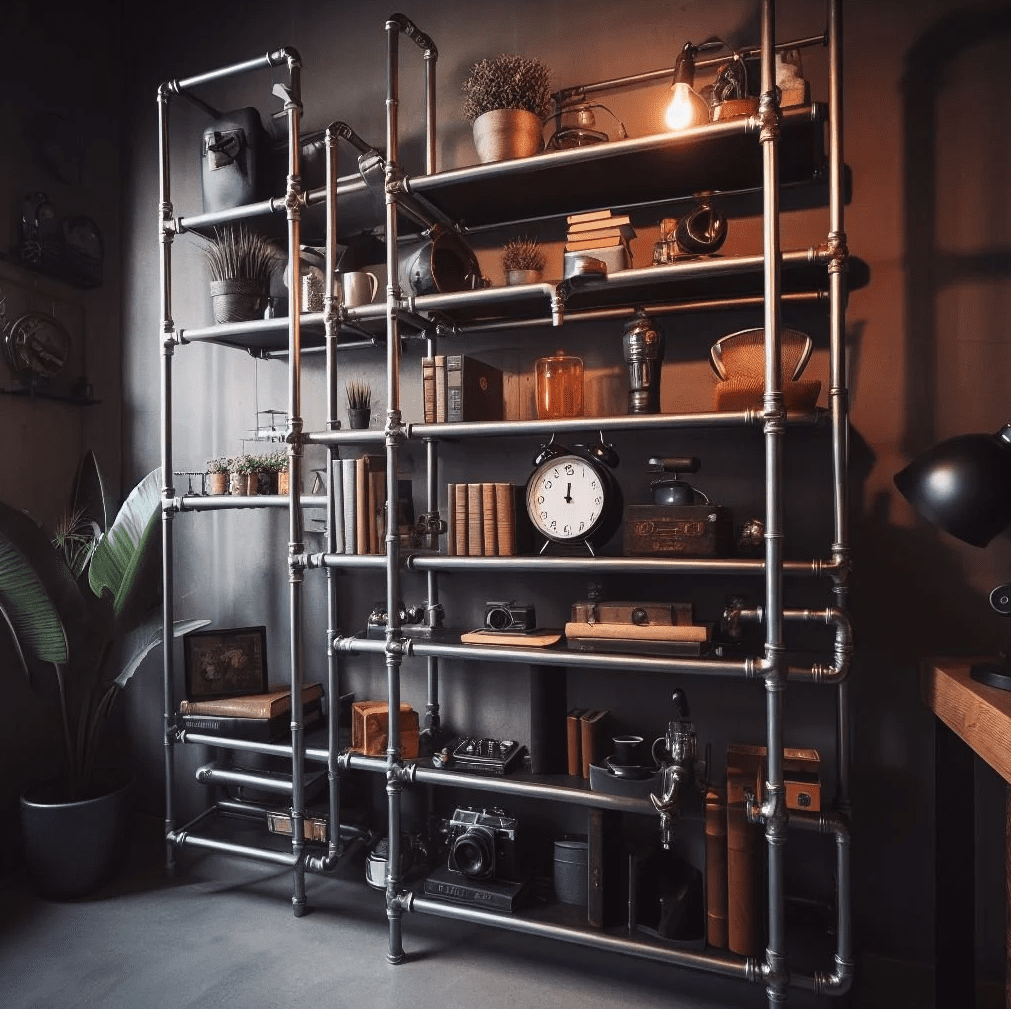
Color and contrast help integrate industrial metal art into existing palettes. If your space leans neutral and minimalist, raw steel and black iron can reinforce that calm, restrained mood. For warmer or more eclectic homes, consider introducing colored patina, painted accents, or mixed metals like copper and brass to echo existing tones. Repeating a specific metal finish, such as blackened steel, in multiple places can tie together open plan spaces visually.
Functionality is a powerful bridge between art and daily life. Popular industrial style hybrid pieces include:
- Metal coat racks using pipe and flanges
- Key organizers made from wrenches and hooks
- Open shelving with metal brackets and wood planks
- Magnetic knife strips using flat steel bars
- Wall-mounted bottle openers built from old tools
From hands-on projects, I have found that when people can use an industrial art piece every day, they appreciate its design and craftsmanship more deeply. Just ensure that any functional elements are solidly attached and able to withstand expected loads without bending or loosening.
Conclusion
Industrial style DIY repurposed metal art projects offer a satisfying way to turn scrap into statement pieces, blending creativity, sustainability, and rugged visual impact. With thoughtful sourcing, safe techniques, and a clear design vision, even simple hardware and offcuts can become bold wall art, sculptures, and functional decor that feel truly personal.
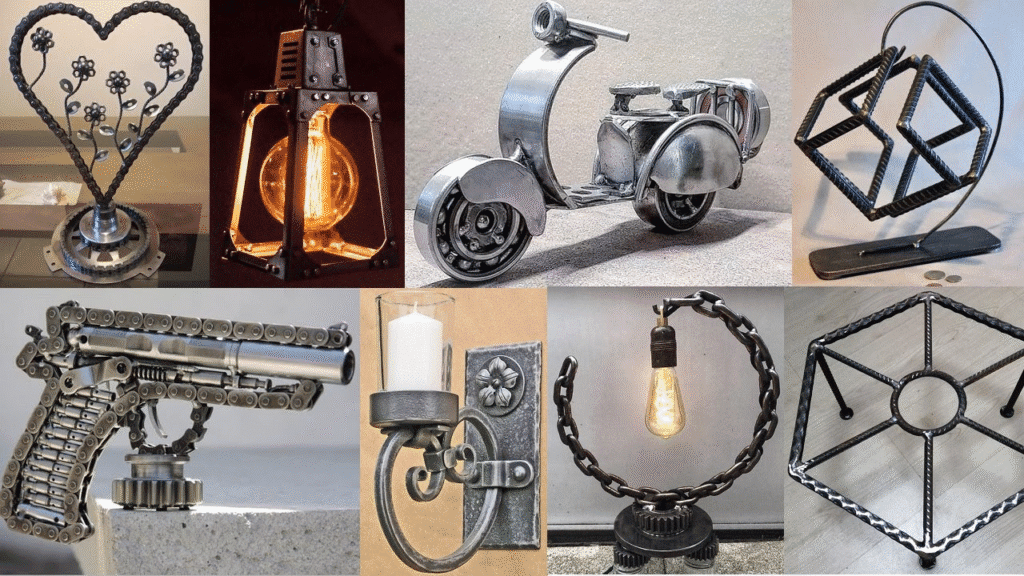
Incorporating raw metal, salvaged treasures, and industrial design elements does not require a full workshop, but it does reward planning and patience. Start small with wall art or modest decor items, then build skills and confidence toward more complex sculptures or illuminated pieces. In my experience working across a range of homes and studios, the most successful projects are those that reflect the maker’s story: a gear from a relative’s workshop, a pipe from a renovation, a bracket found at a local scrapyard, all woven into a coherent design.
As you explore repurposed metal art, keep safety, structural integrity, and long-term care in mind. Wear proper protective gear, respect the weight and sharpness of metal, and choose finishes that match the environment where the piece will live. With those foundations in place, you can enjoy the full creative range of industrial chic aesthetics, transforming forgotten metal into durable, expressive art that anchors your space for years to come.

Maira Lindey is a home decor enthusiast who loves transforming ordinary spaces into warm, stylish havens. Through her writing, she shares simple, creative ideas that help people make their homes both beautiful and comfortable. Her approach combines aesthetic charm with practical solutions for everyday living.
With years of experience experimenting with colors, textures, and layouts, Maira enjoys guiding readers to express their personality through home design. She believes that even small changes can have a big impact, and she focuses on tips that are easy to implement without overwhelming the space or the budget.
Beyond decorating, Maira finds inspiration in nature, art, and everyday life. She encourages her readers to embrace creativity and make spaces that feel uniquely theirs, blending functionality with style in ways that are both inviting and livable.