Rustic storage with crates and baskets blends charm with practicality, giving pantries and closets a timeless, lived‑in feel while keeping everyday items within easy reach. This guide shares smart, real‑world ideas for using wooden crates, woven baskets, and simple organizing hacks to create functional, cozy storage that actually works day to day.
Charming crate stacks for rustic pantry shelves
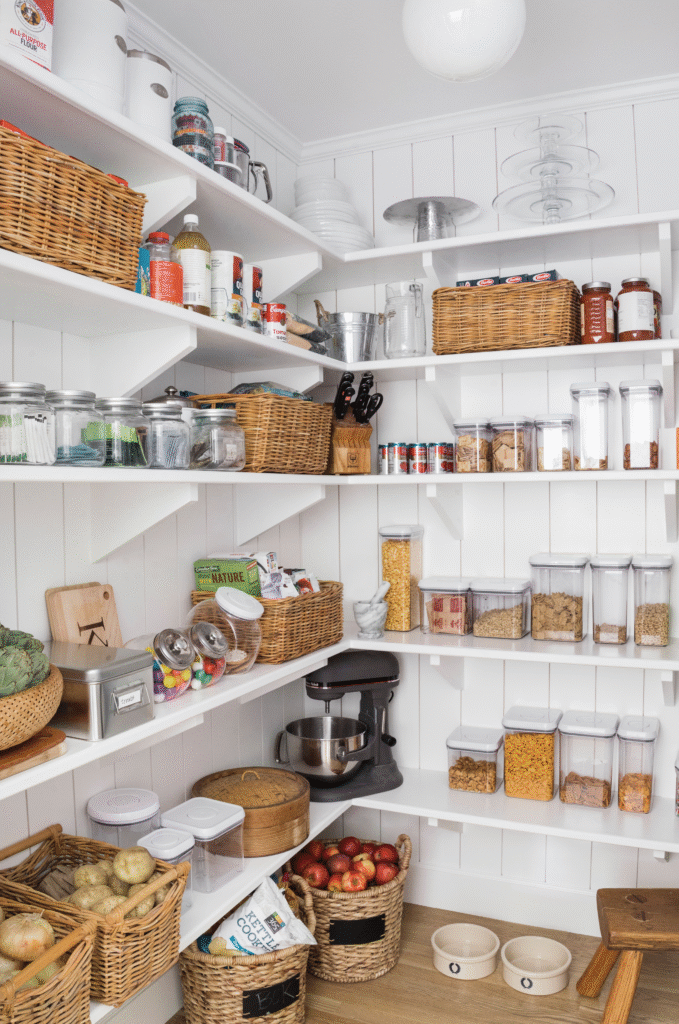
Charming crate stacks are the backbone of a rustic pantry, turning basic shelving into something that feels curated and intentional. Wooden crates, especially unfinished or lightly stained ones, bring texture and warmth while creating natural compartments for food storage. When stacked horizontally on sturdy shelves, they act like pull‑out drawers, which is ideal for heavy items such as jars, bottles, and canned goods. With the right layout, you get both a farmhouse look and practical, categorized zones that make daily cooking easier.
In my experience planning pantry layouts for small kitchens, crates work best when you assign each one a clear purpose instead of mixing too many categories. For example, one crate for baking ingredients, one for snacks, one for pasta and grains, and so on. This keeps shopping and restocking simple, because you always know which crate to pull out. Position your most frequently used crates at waist and eye level, with lighter or seasonal items higher up and heavier bulk storage on the lower shelves for safety.
Visually, stacked crates also hide manufacturer labels and box clutter, which instantly makes the pantry look calmer and more cohesive. Rustic pantry styling often leans on repetition, so matching or closely coordinated crates help everything read as a single unit. If you are working with open shelving in a kitchen or hallway, consider finishing the crate fronts with a clear matte sealant to protect from spills and dust while preserving the natural grain. This keeps them looking fresh without losing the rustic character that makes them so appealing.
Choosing the right crates for pantry organization
The right crates can make the difference between a functional rustic pantry and a frustrating one. Start by measuring your shelves carefully, noting depth, height between shelves, and any trim that might block crate corners. Standard wooden market crates are often between 12 and 18 inches wide, which suits most pantry shelves, but you want a bit of clearance so you can slide them in and out easily. Look for solid bottoms if you plan to store small packets or spice jars so they do not tip or fall through slats.
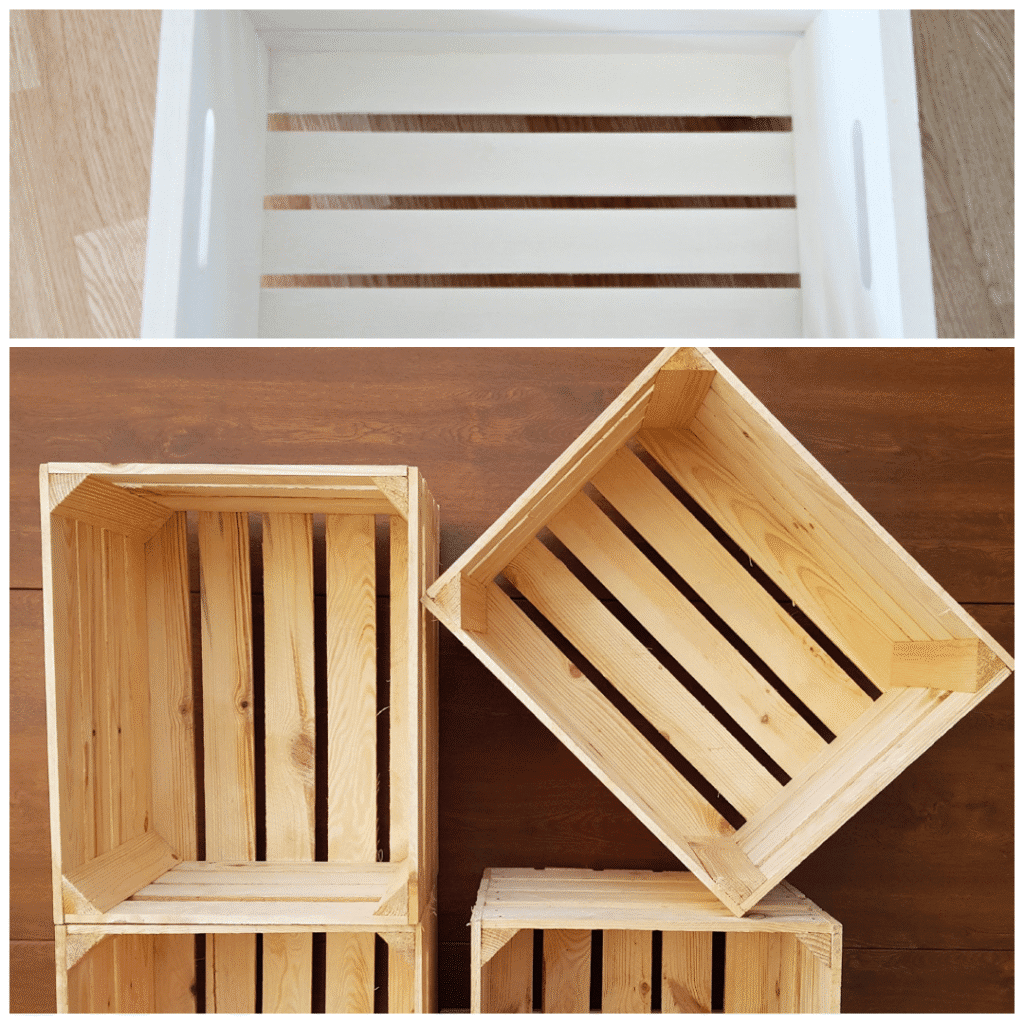
From hands‑on projects, I have found that mixing crate heights but keeping depths consistent works especially well. Lower crates are perfect for cans and boxes where you need a quick overview, while taller crates contain taller bottles of oil, vinegar, and sauces. Consider these common crate types for pantries:
- Vintage fruit crates for character and label graphics
- New pine or cedar crates for a clean, neutral rustic base
- Metal‑lined or reinforced crates for heavy bulk items like flour or rice
- Half‑height bins for onions, potatoes, and produce that prefer airflow
Material and finish matter for both aesthetics and maintenance. Untreated wood can absorb oils and stains over time, so it is wise to line the bottom with a removable mat or waxed paper if you store liquids. If you live in a humid climate, a light clear sealant or food‑safe oil on the exterior can help prevent warping, though direct food contact should still be in original packaging or glass containers for safety. Matching the crate tone to your existing cabinetry or shelves can also help the space feel cohesive rather than pieced together.
Labeling, zones, and crate layout for a tidy pantry
A rustic pantry can still be highly efficient when you define zones and label everything clearly. Labels reduce decision fatigue and make it much easier for the whole household to put groceries away in the right place. On crate fronts, use simple, legible labels such as chalkboard tags, burned wood stamps, or metal label holders for a vintage apothecary look. Keep category names broad enough that they still work after small habit changes, for example “Breakfast & Cereals” instead of “Oatmeal.”
Based on my work with clients who cook daily, I recommend organizing crate zones around how you move through a recipe rather than around strict food types. For instance, keep oils, vinegars, and common seasonings in crates near the cooking area, while baking ingredients sit closer to your main prep surface. Pantries with deep shelves benefit from a front‑to‑back layout: everyday crates at the front, backup or bulk crates behind, with a simple rule that you pull from the front and restock from the back to maintain rotation.
A few practical layout tips that work well in rustic pantry designs:
- Group 3 or 4 crates per shelf rather than tightly packing every inch so you can slide them easily.
- Keep a clear “landing zone” shelf at eye level for unloading groceries and decanting items into jars or bins.
- Use smaller inner bins inside large crates to divide categories without losing the rustic look.
- Reserve one or two “flex crates” where overflow or new favorites can live without disrupting your entire system.
This combination of labeled crates and thoughtful zones prevents the pretty rustic aesthetic from turning into chaos after a few busy weeks.
Cozy closets styled with woven baskets and bins
In closets, woven baskets and bins introduce a softness that pairs perfectly with the rustic pantry aesthetic, but with a more textile‑friendly focus. Natural fibers like seagrass, rattan, water hyacinth, and woven cotton bring warmth and subtle variation in color that flat plastic bins simply cannot match. When lined with fabric or smooth inserts, they also protect delicate items from snags while still allowing air to circulate. That is especially helpful for linens and off‑season clothing.
From hands‑on organizing work, I have seen that people are more likely to maintain a closet system when it looks inviting and not purely utilitarian. Woven baskets subconsciously cue “cozy” and “homey,” which makes putting things away feel less like a chore. You can create a boutique‑style closet by pairing neutral baskets with wood hangers, a soft rug, and warm white lighting around 2700K to 3000K, which gives fabrics true‑to‑life color without a harsh glare.
To keep the rustic style cohesive, choose 1 or 2 basket styles and repeat them across shelves rather than mixing many different designs. For example, use medium seagrass baskets with cutout handles on upper shelves for sweaters and seasonal pieces, then smaller lidded woven boxes at eye level for accessories. Closet shelving at 12 to 14 inches deep generally works well with most basket sizes without losing items at the back, and keeping a little headroom above each basket makes access seamless.
Selecting materials and sizes for closet baskets
Material choice in closet baskets is about balancing look, durability, and maintenance. Natural fibers provide a beautiful rustic vibe but can be slightly more prone to snagging or fraying if they are rough, so anything that touches delicate fabrics should either be lined or have a smooth interior. Blends of seagrass and synthetic fibers can offer extra durability while still reading as natural from a distance. Felt and cotton bins add softness and are especially friendly for children’s closets, where safety and easy handling matter.
In my experience designing closets in older homes, right‑sizing baskets is often more important than maximizing every inch of shelf space. Over-sized baskets may look impressive, but they become “black holes” for dumping. Instead, work with a mix of:
- Small baskets for belts, scarves, socks, and undergarments
- Medium baskets for folded tops, activewear, and pajamas
- Large baskets for blankets, extra pillows, or bulky sweaters
Aim for a width that leaves 1 to 2 inches of wiggle room on each side, so you can remove a basket with one hand. Height also matters: 8 to 10 inches is comfortable for most shelves, while anything over 12 inches tall should be reserved for items you do not need daily. If your closet is especially dusty or you live in a dry climate, consider lidded baskets for rarely used textiles to help protect them from dust and fading.
Closets that share walls with bathrooms or exterior conditions can sometimes experience moisture and temperature swings. In those cases, choose materials that tolerate humidity, such as coated wicker or washable fabric bins. While baskets support airflow, they are not a solution for mold or serious moisture problems, so persistent humidity should be addressed with proper ventilation or a dehumidifier. That practical step preserves both the closet structure and your stored items.
Closet zoning, labeling, and daily flow
Zoning a rustic closet with baskets transforms it from a crowded storage space into a daily dressing area that actually supports your routine. Begin by mapping zones around how you use the closet: daily outfits at eye level, bulky or off‑season items higher up, and heavy or shoe storage at the bottom. Use baskets to underline these zones visually by keeping like items together. For example, one basket for “Soft Layers,” another for “Workout Gear,” and a third for “Weekend Relax.”
Based on real‑world testing in shared closets, simple labeling dramatically reduces clutter over time. You do not need anything elaborate: handwritten tags, wooden labels, or understated metal clips attached to the front of baskets are enough. The key is consistency and visibility. Use large, clear words and place labels at a height where you can read them at a glance. For children’s closets, consider picture labels or color coding so they can participate in putting things away.
Daily flow improves when you intentionally design “catch‑all” spots that prevent clutter from spreading. A few helpful strategies:
- Keep a small open basket near the front of the closet for items you plan to wear again before washing.
- Designate one basket as a donation or “try again later” zone and empty it monthly.
- Use a slim floor basket for laundry to keep the rustic look consistent.
- Reserve high shelves for clearly labeled, lidded baskets with off‑season clothing so they do not get mixed into daily choices.
By pairing gentle structure with rustic materials, your closet can feel like a calm boutique rather than a chaotic storage bin.
Integrating pantry and closet styles for a cohesive rustic home
When your pantry and closets share the same rustic language of crates and baskets, the entire home feels more intentional. Using similar tones of wood and woven fibers helps unify spaces even if they are in different rooms. For example, you might repeat the same warm oak stain on pantry crates and closet shelves, then tie everything together with seagrass baskets used in multiple areas. A shared label style, such as black script on cream tags, also creates visual continuity.
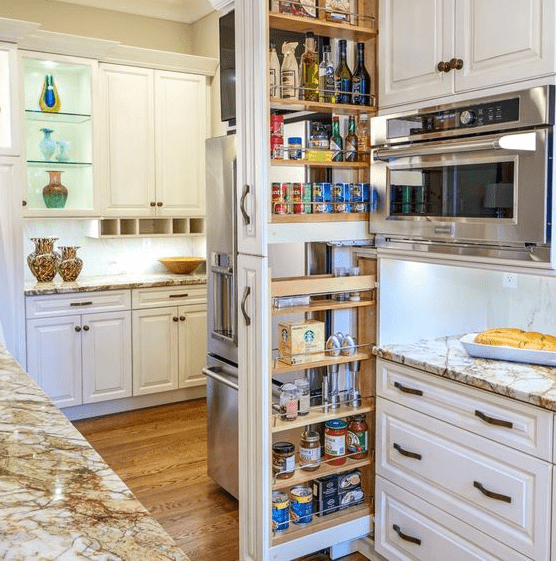
From hands‑on home styling, I have learned that “cousin, not twin” coordination looks most natural. Let each space respond to its function while keeping a consistent foundation. The pantry can feature more rugged, utilitarian crates and wire baskets that stand up to food packaging and spills, while closets lean into softer, tighter weaves and fabric‑lined bins. Keep your overall palette restrained: a mix of natural wood, whites, creams, and a few accent colors will allow the textures to take center stage.
If you are working room by room, start with the space you use most and replicate the best ideas elsewhere. Perhaps the labeling system you test in the pantry informs how you label closet baskets later, or the crate configuration that fits your shelves perfectly also works in a laundry room or mudroom. Small touches, such as repeating the same woven basket as a drop zone near the entry for keys and mail, help your rustic storage style feel deliberate across the entire home.
Simple maintenance habits that protect crates and baskets
Rustic storage looks its best when it is lightly maintained, not obsessively managed. Wood crates and woven baskets are generally low maintenance but do benefit from occasional care. Dust crates and baskets every few weeks using a soft brush or vacuum with a brush attachment, especially in kitchens where grease particles can cling to surfaces. This keeps textures crisp and prevents buildup that is harder to clean later.
Based on my experience maintaining client spaces, quarterly “reset sessions” are ideal. Set aside an hour every three months to:
- Empty one shelf or section at a time.
- Wipe down shelves with a mild cleaner suitable for your surface.
- Check for expired pantry items or clothing you no longer wear.
- Spot clean baskets with a slightly damp cloth, avoiding soaking natural fibers.
Avoid harsh chemicals or soaking on both wood and woven fibers, as this can cause warping, discoloration, or weakening. For food storage, remember that crates and baskets are not airtight; keep anything perishable or prone to pests in sealed containers first, then place those containers inside your rustic storage. In closets, ensure items are fully dry before storing to reduce the risk of mildew. With these simple habits, your rustic pantry and closet systems can stay functional and beautiful for many years.
Conclusion
Rustic pantry and closet storage with crates and baskets proves that organization can be both deeply practical and visually comforting, inviting you to enjoy your home’s hidden corners rather than hide them. With thoughtful sizing, clear labeling, and gentle routines, these timeless materials support daily life while adding warmth and character that never really goes out of style.
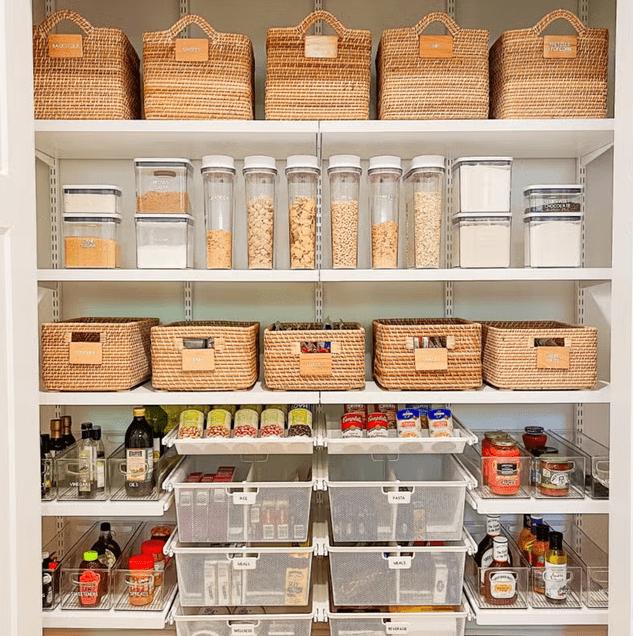
By choosing well‑sized wooden crates for pantry shelves and pairing them with woven baskets in closets, you create a unified rustic aesthetic that still respects each space’s unique demands. Functional zones, intuitive labels, and regular light maintenance keep everything working smoothly without constant effort. From hands‑on work in real homes, I have seen that people are far more likely to sustain systems that look and feel good, and rustic storage does exactly that.
As you refine your own pantry and closet, let your everyday habits guide your layout and let crates and baskets provide the structure. Start small with one shelf or one category, learn what feels easy to maintain, and scale from there. Over time, your rustic storage solutions will reflect not only your style but also the rhythms of your household, delivering a blend of charm and efficiency that truly earns its place.

Maira Lindey is a home decor enthusiast who loves transforming ordinary spaces into warm, stylish havens. Through her writing, she shares simple, creative ideas that help people make their homes both beautiful and comfortable. Her approach combines aesthetic charm with practical solutions for everyday living.
With years of experience experimenting with colors, textures, and layouts, Maira enjoys guiding readers to express their personality through home design. She believes that even small changes can have a big impact, and she focuses on tips that are easy to implement without overwhelming the space or the budget.
Beyond decorating, Maira finds inspiration in nature, art, and everyday life. She encourages her readers to embrace creativity and make spaces that feel uniquely theirs, blending functionality with style in ways that are both inviting and livable.