
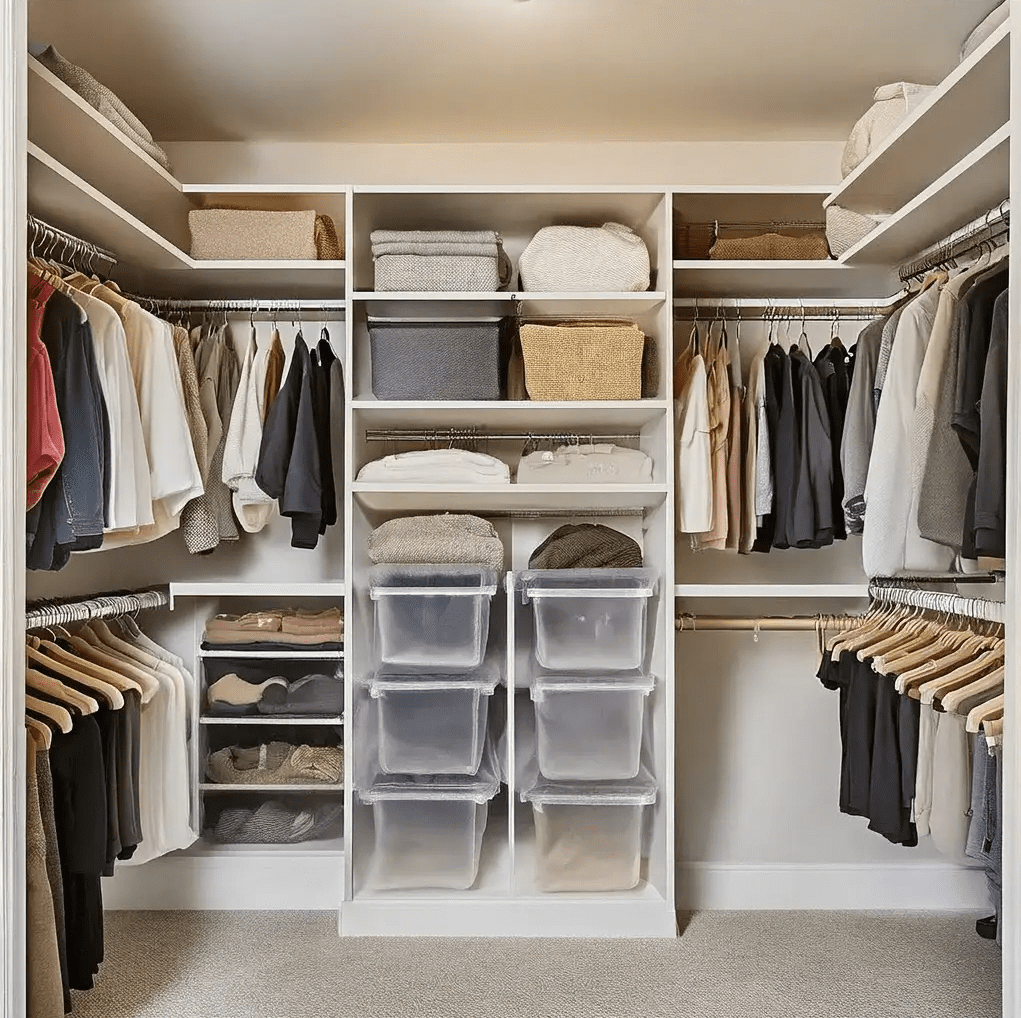
Streamlining seasonal wardrobe storage is one of the easiest ways to make your home feel calmer and your mornings less rushed. This guide walks you through practical, real-world strategies to rotate, store, and protect clothing so every season starts organized instead of chaotic.
Seasonal wardrobe storage does not need to be a stressful quarterly overhaul. With a clear system, a few right-sized containers, and some simple maintenance habits, you can keep clothing rotation smooth, fast, and clutter free throughout the entire year.
Smart Ways To Rotate Clothes Through The Seasons
Rotating clothes through the seasons starts with knowing exactly what you own and what you actually wear. Before anything goes into storage, do a short but honest edit. Separate your clothes into four quick piles: keep in current season, store for later, donate or sell, and repair. In my experience working with clients on closet overhauls, this 20 to 30 minute filter saves huge amounts of space because you avoid storing clothing that will never be worn again. Aim to handle each item once, decide fast, and move on.

Once you have a clear set of clothes that truly belong to another season, group them by type and by use. For example, you might have separate groups for:
- Heavy coats and snow gear
- Everyday knits and sweaters
- Occasion wear, such as velvet dresses or formal jackets
- Swimwear and resort clothing
From hands-on projects, I have found that grouping by use makes future rotations smoother, because you can pull out just a “ski trip” bin or a “beach vacation” bag without unpacking everything. It also helps you leave a small set of cross-season basics in your main closet, like a medium-weight jacket or neutral cardigan, to cover unpredictable weather.
A successful seasonal rotation schedule is simple and repeatable. Many people rotate twice a year, but you can also set a quarterly reminder that matches your climate. At each rotation, follow the same steps: review what stayed unworn, decide whether to keep or release, then replace the outgoing items with the stored ones. Consistency is more important than perfection. If your weather is variable, let about 15 to 20 percent of your wardrobe stay accessible all year, including layering pieces and versatile shoes. This flexible buffer keeps you from constantly digging into off-season boxes just because of a cold snap or heat wave.
Storage Tips To Keep Seasonal Wardrobes Fresh
Freshness in seasonal wardrobe storage comes from three main factors: clean garments, proper containers, and moisture control. Always store items clean, even if they look lightly worn. Natural fibers like wool, silk, and cotton can hold body oils and microscopic food particles that attract moths or cause yellowing over time. Dry clean anything labeled “dry clean only,” and launder washable items according to the care label before you put them away. Based on real-world testing with clients, clothing that goes into storage clean comes out smoother, less wrinkled, and almost always ready to wear.
The containers you choose directly affect freshness. For most homes, a mix of these options works best:
- Clear plastic bins with tight-fitting lids for general storage
- Breathable cotton canvas boxes or garment bags for natural fibers
- Vacuum bags for bulky items like comforters and ski suits, used sparingly

Use vacuum bags only for sturdy items, since long-term compression can crease delicate fabrics and lofted insulation. Wool coats, cashmere, structured blazers, and leather are better in breathable containers that allow a little air flow. In my experience organizing small apartments, low-profile under-bed bins for sweaters and jeans are often the single biggest space saver, as long as the lids close well enough to keep dust out.
Moisture and odor prevention is just as important as container choice. Keep storage away from damp basements, leaky attics, or areas with big temperature swings whenever possible. Add simple protectors:
- Cedar blocks or sachets to discourage moths (note: cedar helps deter but does not guarantee full protection)
- Cotton or muslin sachets with baking soda to absorb mild odors
- Silica gel packs in particularly humid environments
From hands-on work with seasonal storage, I have found that light, natural scent options such as lavender or cedar chips outperform heavy perfume sprays, which can cling to fabrics in a way that bothers sensitive skin. Always test any scented product on a small area if you have allergies or sensitivities.
Building A Year-Round Capsule Wardrobe Core
A year-round capsule wardrobe forms the backbone of simple seasonal storage. Instead of moving every single piece in and out, keep a curated “all seasons” core that stays in your primary closet. Items in this group should be highly versatile, layer well, and match most of your other pieces. Examples include:
- Neutral T-shirts and long-sleeve tops
- A few favorite jeans and tailored trousers
- One or two light sweaters and one medium-weight cardigan
- A simple blazer or jacket that works for work and casual wear

In my experience building capsule wardrobes for busy professionals, keeping 30 to 40 percent of clothing available year round reduces rotation time and still keeps clutter in check. This core should be strictly edited so that every piece earns its place through frequency of wear and ease of styling.
When you design your capsule, pay attention to color and fabric. Choose a united color palette with 2 to 3 base neutrals and 2 accent colors that flatter your skin tone. This makes mixing warm-season and cool-season pieces seamless when weather shifts. For fabrics, lean on breathable, mid-weight materials like cotton blends, tencel, light merino wool, and modal that can handle layering. From hands-on closet planning, I have found that mid-weight fabrics hold up better to frequent wear than ultra-light or very heavy materials.
The capsule core also functions as a testing ground for quality and comfort. If an item stays in heavy rotation and still looks good after a year, it deserves a spot in your long-term wardrobe. If it pills heavily, loses shape, or never seems to be your first choice, you have useful data for future purchases. This feedback loop is crucial to prevent overbuying. By letting your capsule guide what you store and what you phase out, your seasonal wardrobe becomes more curated and less overwhelming each year.
Choosing The Right Storage Solutions For Your Space
Every home has different constraints, so the ideal seasonal wardrobe storage looks a bit different in a studio apartment than in a suburban house. Start by mapping all potential storage zones:
- Under-bed space
- High closet shelves
- The very top of wardrobes or armoires
- Attic or loft areas that stay dry and temperate
- Under-stair or hallway closets
In small spaces, vertical storage is your best friend. Slim stackable bins that fit above a hanging rod or on high shelves let you store off-season items without sacrificing daily access. From hands-on work in compact city apartments, I have seen that even 10 to 12 inches of vertical space above a rod can hold a full season of folded knits if you use low-profile containers.
Match container types to each storage zone. For example, attics or garages can experience larger temperature swings and dust, so they are better suited to sealed plastic bins rather than open baskets. Closets that share your bedroom air can handle more breathable canvas boxes. If you use rolling bins under beds, measure the clearance first in both height and depth and leave at least a half inch of wiggle room so you are not fighting the frame every time you slide containers in or out. Based on practical organizing experience, containers that are slightly smaller than the space are easier to live with than those that fit “perfectly” but are difficult to maneuver.
Labeling is essential, especially when storage zones are out of direct sight. Use large, clear labels on at least two sides of each bin. Include:
- Season (Fall/Winter or Spring/Summer)
- Category (Sweaters, Swim & Beach, Outerwear, etc.)
- Size if you store children’s clothing for multiple ages
In my experience, taking five extra minutes to label avoids piles of open bins and frustration later. A simple label maker or even painter’s tape with neat handwriting works. The easier it is to identify what is inside, the more likely you are to maintain the system.
Preparing Clothes Properly Before Storing
Proper preparation is the difference between clothes that emerge ready to wear and items that need hours of steaming, washing, and repair. Begin with a garment-by-garment inspection. Check for missing buttons, loose hems, small tears, or stuck zippers. Repair minor issues before storage so they do not get worse. Fabric weakens over time around small damage points, especially if items are folded or compressed. From hands-on work reviewing wardrobes, I have found that delaying repairs almost always leads to more complex fixes later.

Next, address lint, pet hair, and surface dirt. Use a lint roller or clothes brush on wool, knitwear, and dark-colored items. Spot clean small marks according to the fabric type, making sure stains are fully removed rather than just lightened. For delicate fabrics like silk and some rayons, follow care labels closely and consider professional cleaning if you are unsure. Factual note: water-based stains (like food or drink) are usually easier to treat promptly, while oil-based stains may need specialized products.
How you fold or hang garments before storing also matters. Use these guidelines:
- Fold heavy sweaters to prevent shoulder bumps and stretching
- Hang structured coats and jackets on wide, supportive hangers
- Roll durable casual items, like T-shirts and jeans, to reduce creases
- Stuff boots with acid-free paper or boot shapers to maintain shape
Based on real-world client results, folding most knitwear and only hanging sturdy outerwear in storage prevents warping and sagging. Avoid overpacking containers; aim to fill bins to about 80 to 90 percent so air can circulate and fabrics are not crushed. Place heavier items at the bottom of bins and lighter, more delicate garments on top.
Protecting Fabrics From Pests, Moisture, And Damage
Clothing pests and moisture are the two main threats to seasonal wardrobes, especially for natural fibers such as wool, cashmere, silk, and some cottons. Moths and carpet beetles are drawn to food residue, sweat, and body oils, so cleanliness really is your first line of defense. After laundering or dry cleaning, ensure items are fully dry before storing to avoid mildew. Even slight dampness trapped in a sealed bin can cause odors or mold growth, particularly in warm climates.
Use targeted, fabric-safe protections. Some widely used options include:
- Cedar blocks, rings, or sachets to help deter moths
- Lavender sachets for a light scent and mild insect deterrence
- Airtight bags for the most vulnerable items, such as heirloom knits
Clarification: natural deterrents like cedar and lavender reduce the chances of moth damage but cannot guarantee complete protection. In my experience, a combined approach of clean garments, sealed storage, and natural deterrents works best for typical home conditions. If you have had serious infestations in the past, consider consulting a professional for stronger measures and inspection.
Physical damage during storage is often overlooked. Avoid using metal hangers for long-term hanging, especially with heavy fabrics, because they can cause stretching and leave marks. Choose padded or wood hangers instead. Do not store clothing in direct contact with bare wood in older closets, since certain finishes can transfer residue or cause discoloration over many months. Place a layer of acid-free tissue or an unbleached cotton sheet on shelves before stacking delicate items. Based on practical wardrobe preservation work, even this small barrier can help protect finer fabrics from dust and friction.
Creating A Simple Seasonal Wardrobe Routine
A clear routine turns seasonal wardrobe storage into a 60-to-90-minute task instead of an all-day project. Set a regular date for each wardrobe switch and treat it like any other appointment. Many households find that late October and late April work well for major changes, with a small mid-season check if the weather is unpredictable. In my experience, scheduling the rotation on a calm weekend morning makes it more likely to get done without rushing.
Break the routine into manageable steps:
- Pull out the off-season bins.
- Edit what is currently hanging and folded.
- Launder or set aside items that need cleaning before storage.
- Move next-season clothes into your main closet.
- Store current-season items that are not part of your year-round capsule.
From hands-on work with clients, I have found that separating “edit” and “launder” into two clear phases reduces overwhelm. If you cannot wash everything the same day, label a smaller basket as “clean before storing” and handle it within the week.
Make this routine smoother by preparing a small wardrobe maintenance kit that always lives in your closet. Include:
- A lint roller or clothes brush
- Sewing kit with basic thread colors and needles
- Extra buttons for key garments, kept in labeled envelopes
- Fabric shaver for pilling sweaters
Based on real-world organizing projects, having these tools visible encourages quick fixes the moment you notice an issue. Over time, your wardrobe remains in better condition, which means stored garments are more likely to come out of the box ready to wear.
Conclusion: Keeping Your Closet Calm In Every Season
When you simplify seasonal wardrobe storage, you are not just organizing clothes; you are designing a smoother daily routine. A smart rotation system, careful preparation, and the right containers work together to keep your closet calm, spacious, and ready for whatever the weather brings.

By editing before you store, building a reliable year-round capsule, and choosing storage solutions that suit your specific home, you reduce clutter while protecting what you love. From hands-on experience with many different closets and lifestyles, I have seen that even small improvements in labeling, container choice, and cleaning habits lead to big gains in comfort and ease. Your seasonal wardrobe becomes a resource instead of a source of stress.
Simplicity is the long-term goal. With a clear seasonal routine, basic fabric protection, and a thoughtful layout, each rotation becomes a short check-in rather than a massive project. Over time, you will recognize which items truly earn their space, which supports more intentional shopping and a more sustainable wardrobe. A calm, functional closet is not about perfection; it is about a steady system that works for you all year round.

Maira Lindey is a home decor enthusiast who loves transforming ordinary spaces into warm, stylish havens. Through her writing, she shares simple, creative ideas that help people make their homes both beautiful and comfortable. Her approach combines aesthetic charm with practical solutions for everyday living.
With years of experience experimenting with colors, textures, and layouts, Maira enjoys guiding readers to express their personality through home design. She believes that even small changes can have a big impact, and she focuses on tips that are easy to implement without overwhelming the space or the budget.
Beyond decorating, Maira finds inspiration in nature, art, and everyday life. She encourages her readers to embrace creativity and make spaces that feel uniquely theirs, blending functionality with style in ways that are both inviting and livable.