Antique bedroom furniture can turn an ordinary room into a character-filled retreat, but styling and buying these pieces with confidence requires a bit of know-how. This guide walks you through practical styling ideas and smart buying tips so your antique bedroom feels collected, not cluttered.
Styling Antique Bedroom Furniture With Confidence
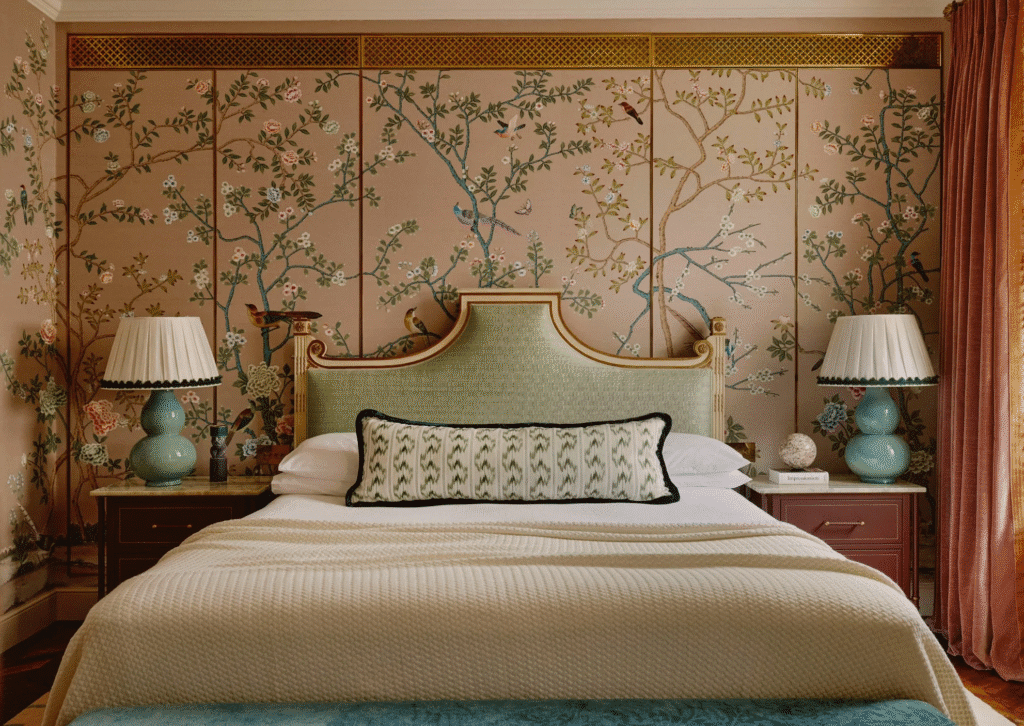
Creating a beautiful bedroom around antique furniture starts with choosing a clear mood. Decide whether you want a romantic, traditional, or relaxed modern-classic look before you move a single piece. Antique beds, dressers, and armories have strong personalities, so a defined direction keeps the space cohesive. For example, a Victorian bed pairs beautifully with floral textiles and brass accents, while a simpler farmhouse bed suits linen bedding and woven baskets.
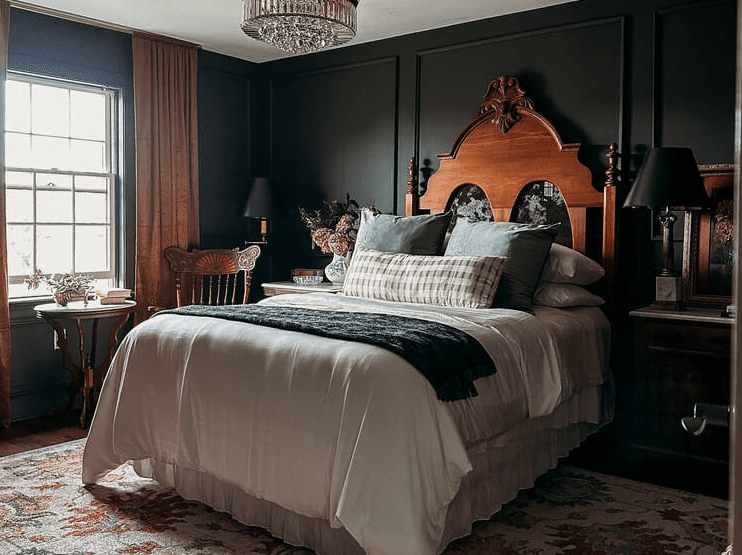
Once you have a mood in mind, use the antique piece as the star of the room. Let the eye land on one or two hero items, such as an ornate bed frame or a tall antique wardrobe, then support them with quieter, more minimal pieces. Modern side tables, simple lamps, and calm wall colors keep the room from feeling like a museum. In my experience working on period-inspired bedrooms, the most successful rooms always give antique furniture some breathing room to shine.
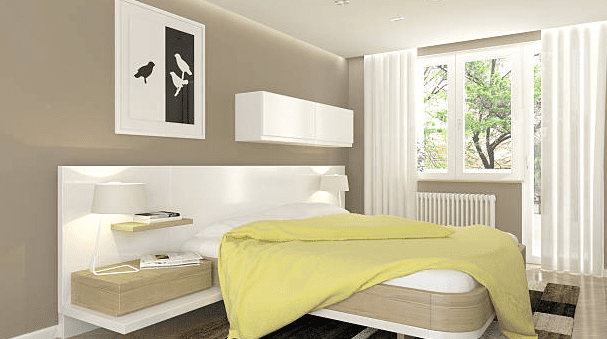
Color is your most powerful tool for balancing old and new. Warm neutrals like cream, soft taupe, and greige emphasize wood tones and carved details, while cooler grays or blues can calm a very ornate piece. If your antique furniture is dark, lighter wall paint and bedding stop the room from feeling heavy. Conversely, light antique pine or oak looks fantastic contrasted with rich indigo, forest green, or plum textiles for a more dramatic bedroom.
Blending Antique Pieces With Modern Elements
The key to blending antique bedroom furniture with modern elements is intentional contrast. Pair ornate or curvy pieces with clean-lined, contemporary items so they complement rather than compete. A carved mahogany headboard looks current with a low-profile platform base and streamlined metal lamps. From hands-on work with clients, I have found that at least one modern item per wall helps keep the whole room feeling fresh.
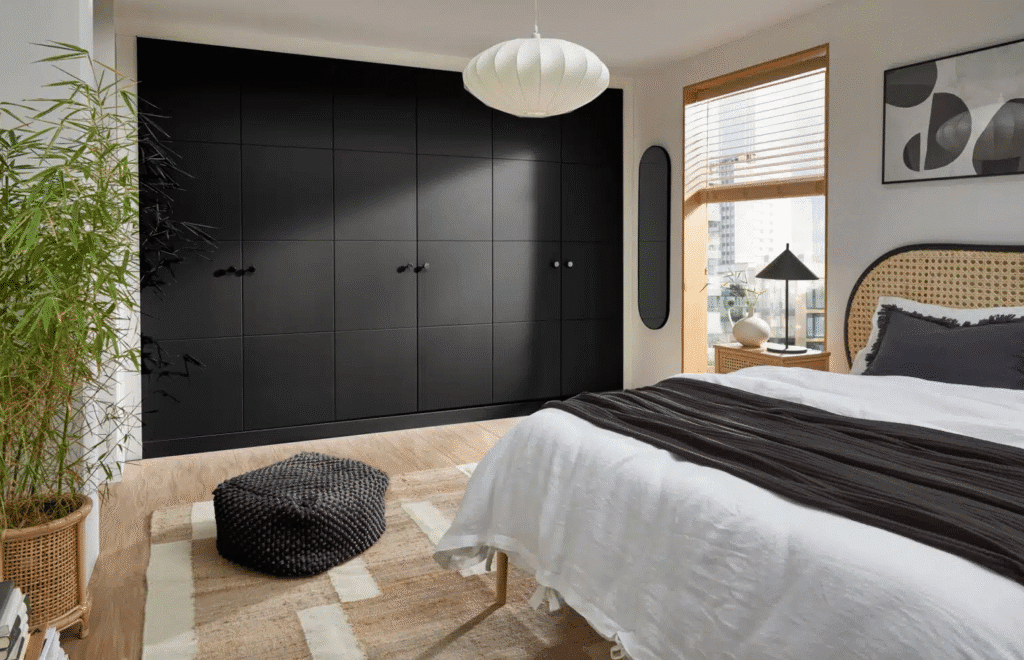
Mixing materials also keeps things visually interesting. Combine an antique wood dresser with a sleek metal mirror, a rattan bench, or a minimalist upholstered chair. Modern textiles like solid linen, cotton percale, or subtle stripes give historic furniture a relaxed, updated feel. When you bring in contemporary art or photography above a vintage dresser or chest, the contrast often makes both pieces look more intentional and curated.
Technology can sit comfortably alongside antiques if you conceal or soften it. Use fabric cord covers, discreet wall outlets, and nightstands with built-in cable management to avoid visual clutter. Small details such as a modern alarm clock in a classic color, or a slim sound machine in matte black or white, prevent the room from feeling stuck in the past. As a rule of thumb, keep tech shapes simple and add warmth using materials like wood, leather, or linen so they echo the character of the antique pieces.
Choosing the Right Antique Bed, Dressers, and Nightstands
Selecting the right antique bed is critical because it sets the tone and scale of the bedroom. Before buying, measure both your room and your existing mattress; many antique beds were made for nonstandard sizes and may need custom slats or an adapter frame. If you want a statement bed that still feels practical, look for styles like simple iron frames, sleigh beds, or paneled headboards that blend easily with current bedding. In my experience, clients appreciate when an antique bed looks special but still works with standard mattress heights and bedding sizes.
For dressers and chests of drawers, prioritize sturdy construction and usable storage. Drawers should slide relatively smoothly, open fully, and sit square within the frame. Slight sticking is common with age, but significant warping or sagging can be difficult to fix. Consider your daily storage needs: deep drawers for bulky sweaters, shallow top drawers for smaller items, or a highboy chest if your floor area is limited. A tall, narrow antique chest can be a lifesaver in compact rooms.
Nightstands are often the most challenging antique pieces to source because older furniture was not designed for modern bedside needs. Many people prefer a surface height close to the top of their mattress, usually around 24 to 28 inches, for comfort and accessibility. If you cannot find antique nightstands at the right height, consider using small antique chests, side tables, or even a stack of vintage trunks. You can balance an antique piece on one side of the bed with a simpler modern table on the other, as long as their heights are roughly similar.
Color, Textiles, and Lighting Around Antique Furniture
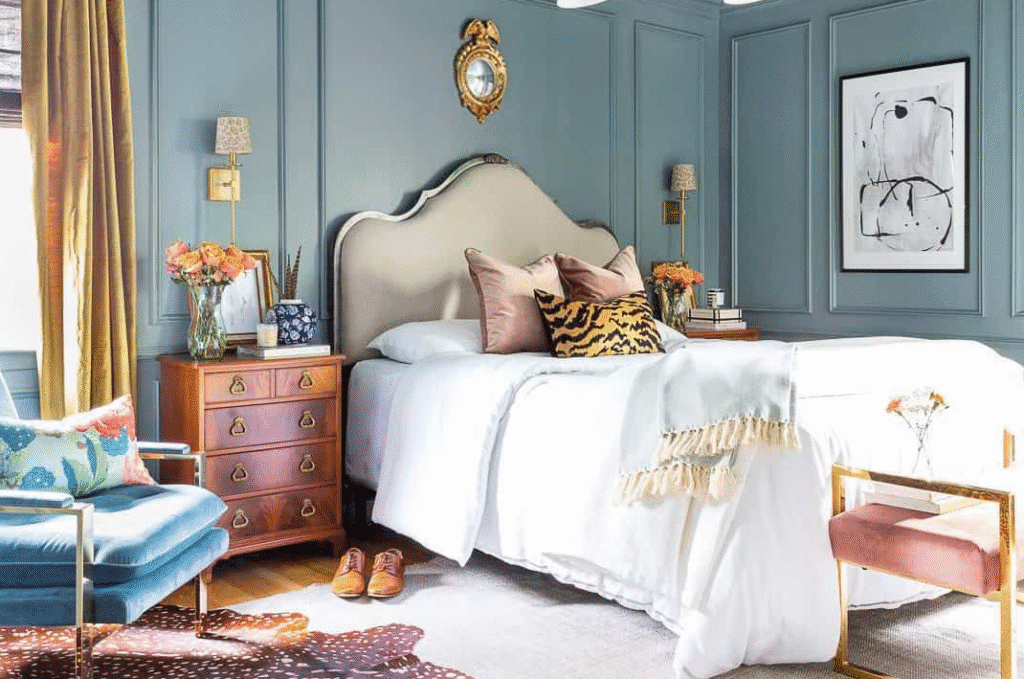
Color choices can quickly transform how antique bedroom pieces feel. Soft white, ivory, and muted earth tones highlight the warmth of aged wood and patina. For those who prefer a bolder look, consider one accent wall in a rich color behind the headboard while keeping other walls light. This approach frames the antique bed without overpowering the space. Based on past work with clients, deep inky blues and smoky greens have been particularly flattering behind dark wood furniture.
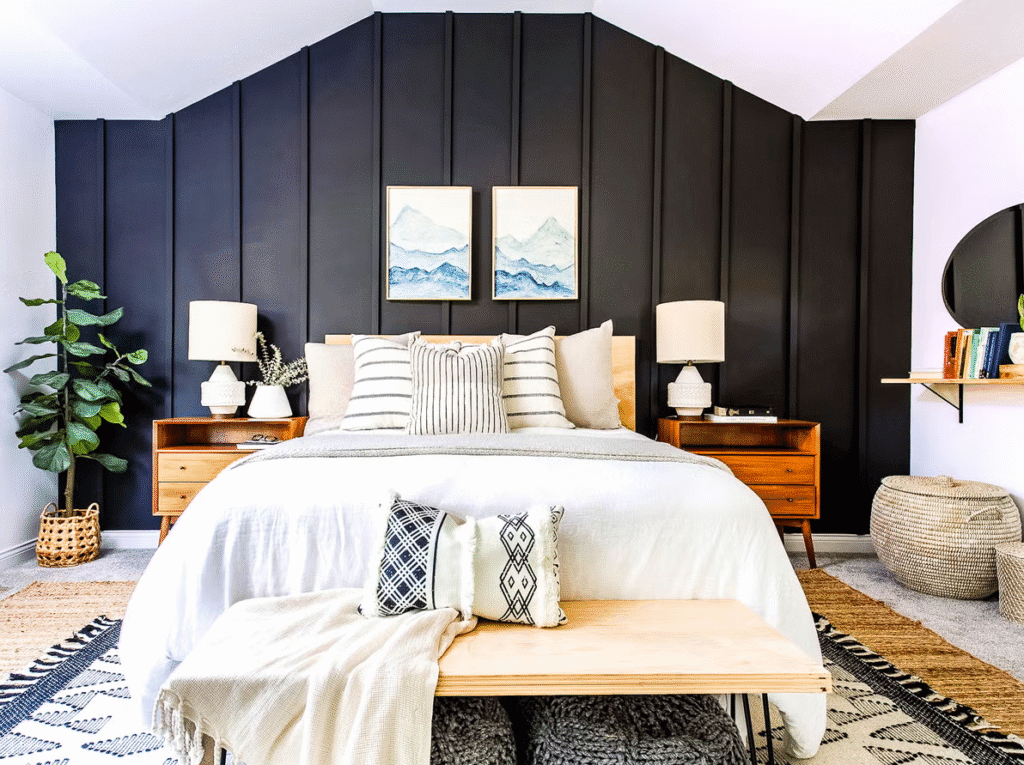
Textiles bring comfort and contrast to the solid presence of antique wood. Layer bedding using a simple base, such as white or oatmeal sheets, then add a patterned quilt, coverlet, or throw. Antique-inspired motifs like toile, paisley, or subtle ticking stripes can nod to history without feeling fussy. Natural fibers such as cotton, linen, and wool are generally more breathable and age better than many synthetic blends, which supports both comfort and long-term longevity.
Lighting is essential to show antique details clearly and create a calm bedroom atmosphere. Aim for layered lighting:
- Soft ambient light from a ceiling fixture or flush mount (around 2700K warm white for a cozy feel)
- Task lighting at the bedside from table lamps or wall sconces
- Accent lighting, such as a small lamp on a dresser, to highlight carvings or a mirror
From hands-on projects, I have found that fabric shades, frosted glass, or low-glare bulbs flatter antique finishes far more than harsh, cool-toned lighting.
Layout, Scale, and Proportion in an Antique Bedroom
Thoughtful layout allows antique bedroom furniture to breathe and function well. Start with the bed position first, usually on the longest uninterrupted wall or centered between windows if possible. Leave enough space to walk comfortably on both sides and at the foot; a clearance of at least 24 to 30 inches is a practical guideline. Once the bed is placed, arrange dressers and armoires so drawers and doors can open fully without blocking pathways.
Scale is just as important as style when working with antiques. Tall headboards, imposing armoires, and large dressers can overwhelm a small bedroom. In these cases, use one substantial antique piece and keep the rest of the furniture visually lighter. Conversely, a very large room can be a perfect home for a four-poster bed or an oversized wardrobe, especially when balanced with a seating area or a generous rug. In my experience, a rug that extends at least 18 to 24 inches beyond the sides of the bed helps anchor large antique pieces and makes the room feel more cohesive.
Proportion also applies to height differences between items. Try to keep surfaces, such as nightstands and dresser tops, within a visually comfortable range of each other. If a headboard is extremely tall, ground it with stronger visual weight at the foot of the bed, such as a bench or a trunk. For a very high dresser, consider hanging art or a mirror at a height that relates to its top, so the eye reads it as part of a balanced composition rather than a lone, towering cabinet.
Smart Buying Tips For Timeless Antique Pieces
When buying antique bedroom furniture, move slowly and avoid impulse purchases. Antiques should feel like long-term companions, not quick decor fixes. Begin by setting a realistic budget for your entire room, then decide which pieces must be antique and which can be reproduction or modern. Many people prioritize an antique dresser or bed as their main investment and fill in with simpler, cost-effective pieces elsewhere. From hands-on work with collectors, I have seen that thoughtful, patient buying usually leads to both better quality and more personal satisfaction.
Always inspect construction carefully. Look for:
- Solid wood rather than thin veneers over particleboard
- Tight joints at corners, ideally with visible dovetail joinery on drawers
- Consistent patina that suggests age rather than artificially distressed finishes
- Stable legs and frames that do not wobble excessively
Some wear, small chips, or surface scratches are normal and often desirable, but structural damage, active woodworm, or deep cracks can become significant repair costs. It is wise to factor potential restoration or hardware replacement into your budget.
If authenticity matters to you, ask the seller questions about provenance and age, and request any documentation they may have. However, remember that for everyday bedroom use, functionality and condition are often more important than exact period or origin. Refinished pieces can be excellent buys as long as the work was done properly. Based on my past work with clients, a well-restored dresser that moves smoothly and looks harmonious in the room is far more valuable than a perfectly original but unusable piece.
Evaluating Condition, Restoration, and Comfort
Condition is a mix of aesthetics and practicality. Surface wear like light scratches, minor water rings, or small veneer chips can often be improved with professional refinishing or careful DIY work. Structural issues such as severely warped drawers, broken bed rails, or cracked legs usually require a skilled restorer. When evaluating a piece, gently test all moving parts, apply slight pressure to joints, and check for any musty or moldy odors, which may signal underlying problems.
Restoration can extend the life of antique bedroom furniture, but it is important to plan the level of work. Options range from a gentle clean and wax to full stripping, staining, and hardware replacement. Each step affects both value and character. If you own a very rare or historically significant item, consult a conservator before making major changes. For typical home use, careful refinishing is usually acceptable and can improve durability and daily enjoyment. In my experience working around older pieces, a high-quality clear finish and proper waxing schedule protect wood while preserving much of its charm.
Comfort is often overlooked when people fall in love with a beautiful antique item. Test bed height with your existing mattress, and consider whether an additional foundation or lower-profile mattress will give you a comfortable, safe height for getting in and out. For seating such as bedroom chairs or benches, check seat depth and back support, since older proportions may differ from modern expectations. Safety also matters: secure tall armoires and heavy chests to the wall using proper anchors, especially in homes with children, to reduce tipping risks.
Caring For Antique Bedroom Furniture Long Term
Once antique bedroom furniture is in place, proper care protects your investment. Keep pieces away from direct heat sources like radiators and from strong direct sunlight whenever possible, since both can cause warping, cracking, and fading over time. Using curtains or blinds to diffuse harsh light is often enough in most bedrooms. Aim for stable indoor humidity where possible; extreme fluctuations can be hard on older wood.
Cleaning should be gentle and consistent. Dust surfaces regularly with a soft cotton or microfiber cloth instead of rough paper towels. For finished wood, a slightly damp cloth followed by a dry one can remove light grime, but avoid soaking any area. Periodic application of a high-quality paste wax or furniture polish designed for antique wood can maintain luster and add a light protective layer. From real-world testing in lived-in bedrooms, I have found that a simple schedule of monthly dusting and seasonal waxing keeps most antique pieces in very good condition.
Avoid harsh chemicals, abrasive scrubbers, or all-purpose cleaners that are not specifically formulated for furniture, as they can damage finishes or cloud patina. If you notice signs of insect activity, such as fine sawdust near joints or small new holes in wood, consult a professional before the issue spreads. Protect surfaces with coasters, trays, and felt pads under lamps or decor to reduce scratches and water rings. These small habits ensure antique bedroom furniture remains both beautiful and functional for many years.
Conclusion
Styling and buying antique bedroom furniture becomes far less intimidating once you understand how to balance character, comfort, and practicality. By combining thoughtful layout, compatible textiles, careful purchasing, and gentle long-term care, you can build a bedroom that feels both timeless and genuinely personal.
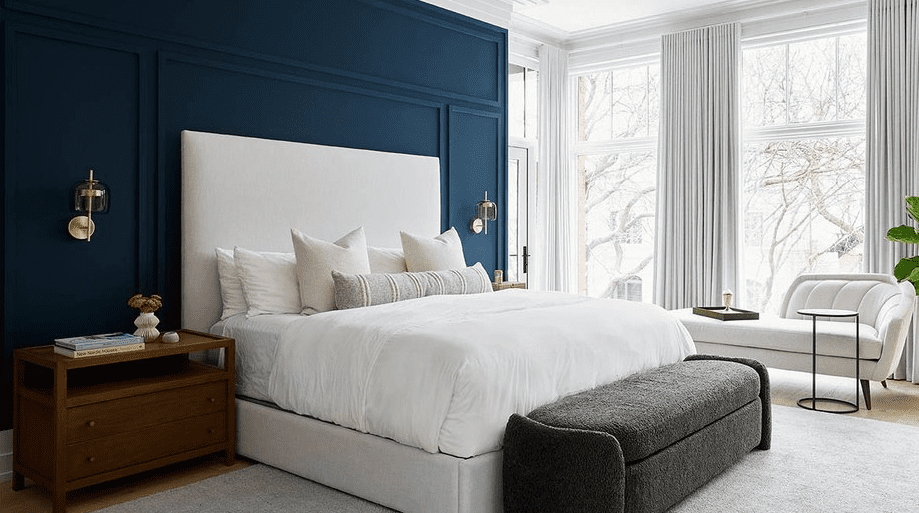
In summary, use your key antique pieces as anchors, then layer in modern lighting, textiles, and storage to create a balanced, livable space. Measure carefully before you buy, inspect construction, and stay honest about your restoration budget. In my experience working with clients who love antiques, the most successful bedrooms grow over time, as meaningful pieces are added slowly rather than all at once.
Finally, remember that authenticity and perfection are less important than how the room makes you feel every day. A slightly worn dresser that holds your clothes reliably or a vintage bed that supports a great night’s sleep is far more valuable than a pristine piece that never quite fits your life. With these styling ideas and buying tips, you can approach antique bedroom furniture with real confidence and shape a room that will age gracefully along with you.

Maira Lindey is a home decor enthusiast who loves transforming ordinary spaces into warm, stylish havens. Through her writing, she shares simple, creative ideas that help people make their homes both beautiful and comfortable. Her approach combines aesthetic charm with practical solutions for everyday living.
With years of experience experimenting with colors, textures, and layouts, Maira enjoys guiding readers to express their personality through home design. She believes that even small changes can have a big impact, and she focuses on tips that are easy to implement without overwhelming the space or the budget.
Beyond decorating, Maira finds inspiration in nature, art, and everyday life. She encourages her readers to embrace creativity and make spaces that feel uniquely theirs, blending functionality with style in ways that are both inviting and livable.