This guide explores stylish bedroom paint colors that transform modern retreats into calm, character-filled spaces, blending soft neutrals with bold accent hues. You will find practical color strategies, pairing ideas, and real-world tips to help every wall support better rest and refined style.
Soft Neutrals That Shape a Calm Modern Haven
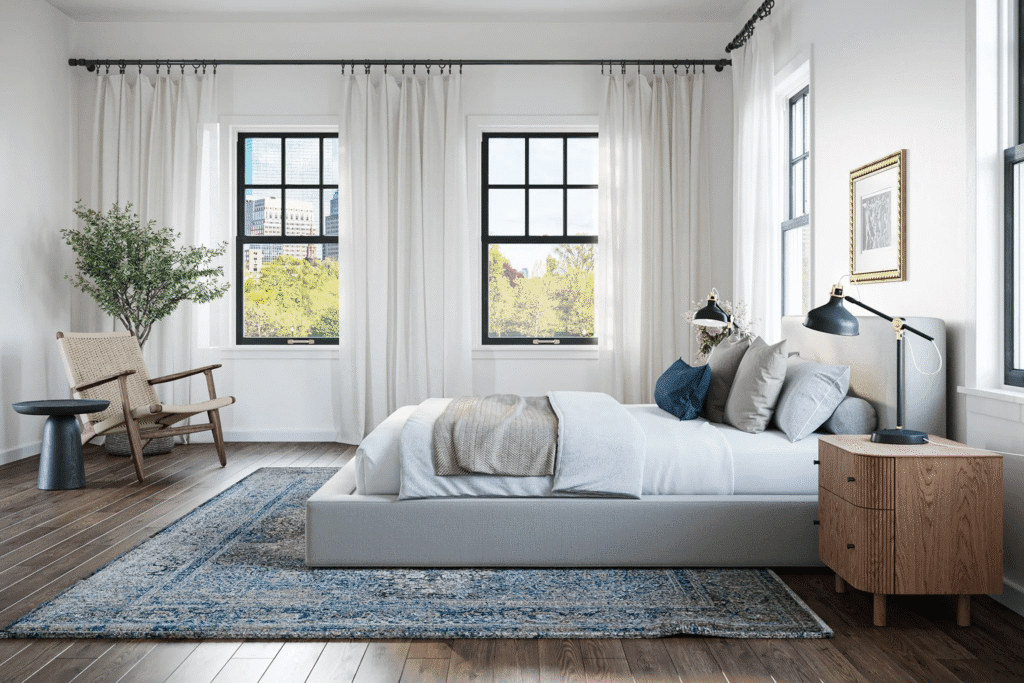
Soft neutral bedroom paint colors are the backbone of many modern retreats because they create a clean, airy canvas that feels both current and timeless. Shades like warm white, greige, and pale stone gray soften hard lines and let furniture, bedding, and artwork shine. They also reflect natural light beautifully, which can make compact bedrooms feel more open and expansive.
In my experience working with modern city apartments, painting the largest wall in a soft neutral is often the fastest way to calm visual noise from varied materials like metal, glass, and concrete. A pale neutral wall helps balance the sharper edges of modern beds, slim metal lamps, and streamlined storage pieces. The result is a bedroom that looks curated, not cluttered, even when you have multiple finishes present.
Soft neutrals support sleep quality by reducing high contrast and visual distractions that can stimulate the eye. While paint color alone cannot guarantee better sleep, keeping brightness and contrast under control does encourage a more restful environment. For a modern retreat, focus on soft, low-saturation neutrals and keep gloss levels at matte or eggshell to minimize glare. This combination gives you a sleek contemporary look that still feels soothing at night.
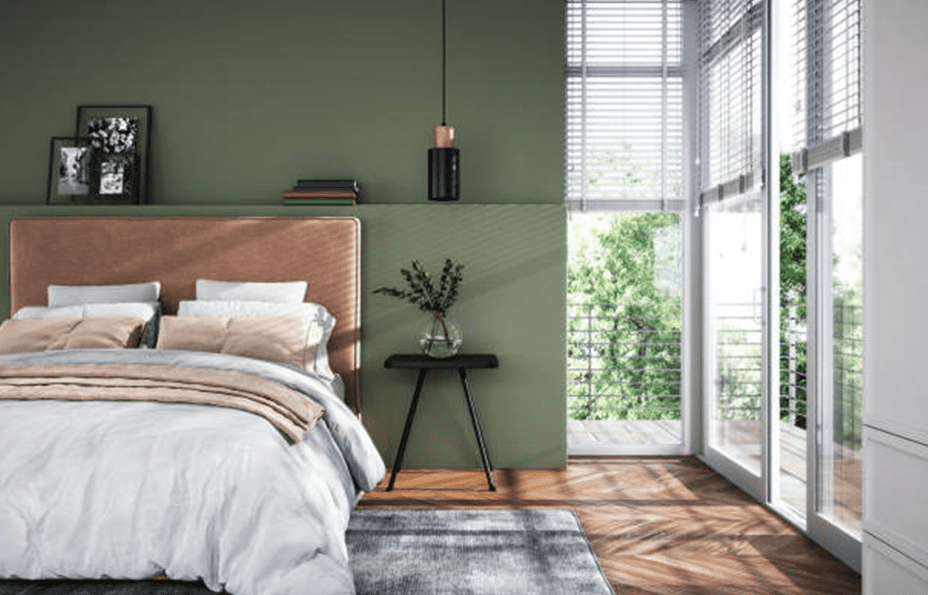
Warm Whites and Creams for Airy Minimalist Bedrooms
Warm whites and creamy off-whites are essential when you want a minimalist bedroom that still feels inviting. Unlike stark gallery whites, warm whites contain a hint of yellow or beige that keeps the room from feeling cold or clinical. They complement warm wood flooring, woven baskets, and linen bedding, which are common in modern organic and Scandinavian-inspired spaces.
From hands-on work with clients, I have found that slightly warm whites are more forgiving than cool whites when it comes to imperfections in older walls and ceilings. They also pair more naturally with warm white lighting, typically in the 2700K to 3000K range, which most people find relaxing in a bedroom. If your flooring has a warm undertone such as oak, honey, or walnut, a creamy white will connect the surfaces visually and create a consistent, cozy envelope.
When choosing warm whites:
- Test at least three shades on your wall and observe them at morning, midday, and evening.
- Avoid pairing very warm white paint with extremely cool, blue-tinted LED bulbs, since this can create a discordant effect.
- Keep trim slightly brighter or crisper than the walls to maintain modern definition without harsh contrast.
By carefully balancing warmth in both paint and lighting, you can achieve an airy, minimalist bedroom that feels soft rather than stark.
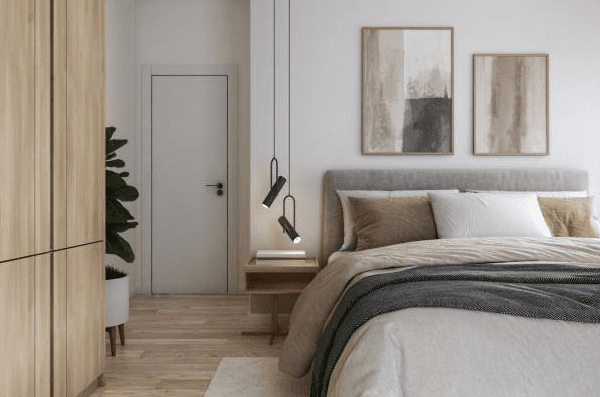
Greige and Taupe for Sophisticated Modern Retreats
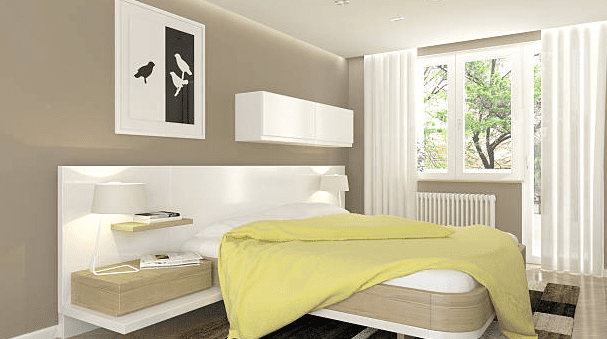
Greige, a blend of gray and beige, is one of the most versatile modern bedroom colors because it works with both warm and cool accents. A soft greige can make a room feel polished and serene, while slightly deeper taupe adds luxurious depth without feeling dark or heavy. These hues are ideal if you want a modern retreat that leans sophisticated rather than purely minimal.
In my experience selecting colors for open-plan condos where the bedroom is partially visible from the living area, greige is a reliable choice that harmonizes with modern furniture and mixed metal finishes. It transitions beautifully from living spaces painted in gray or beige, so your home feels cohesive from room to room. Greige also allows you to layer bolder colors in bedding and art without the space feeling busy.
To keep greige and taupe bedrooms feeling fresh:
- Pair with crisp white or light stone-colored bedding for contrast.
- Introduce texture through boucle, wool, or linen to avoid a flat, overly tonal look.
- Use matte or eggshell finishes for the walls and a slightly higher sheen on trim for subtle architectural interest.
Greige and taupe anchor your bedroom as a modern sanctuary while offering enough neutrality to accommodate future style updates.
Cool Blues and Soft Greens for Restful Modern Color
Cool blues and soft greens are classic bedroom paint colors that continue to trend in modern retreats because they evoke sky and foliage. These hues often promote a psychological sense of calm for many people, although individual responses can vary. When used in low to medium saturation, blue and green can feel crisp and current while still very restful.
Based on my past work with clients who wanted a spa-like bedroom, a pale blue-gray on the walls combined with white bedding and light wood furniture created an instant sense of retreat. Similarly, muted sage or eucalyptus green can bridge indoor-outdoor living, especially if your bedroom looks onto a garden, balcony, or tree canopy. These hues work especially well in modern homes that incorporate biophilic design principles, such as natural materials and plenty of daylight.
For a modern edge with cool blues and greens:
- Select hues with a slightly gray undertone, which keeps them from feeling too sweet or juvenile.
- Coordinate metal finishes like brushed nickel or black to add clean contrast.
- Stay mindful of how these colors shift in artificial light, and use warm white bulbs to prevent them from looking overly cold at night.
Soft blues and greens invite tranquility into the bedroom while staying firmly within a contemporary aesthetic, making them ideal for a peaceful yet modern color story.
Bold Accent Hues Elevating Contemporary Retreats
Bold accent hues bring energy and personality to modern bedrooms, especially when paired with neutral main walls. Instead of saturating every surface with strong color, many current bedroom design trends favor one statement wall or carefully edited color zones. This approach preserves the restful quality of the room while highlighting architectural features or key furnishings.
From hands-on projects, I have found that bold accent colors work best behind the headboard or on a shorter wall, where they frame the bed as the focal point without overwhelming the entire space. A deep color behind the bed can also visually anchor a tall headboard or balance wide, low platforms. It turns the bed wall into a striking backdrop for art, sconces, or textured bedding.
When using bold hues, moderation is essential to maintain the retreat-like feel of a modern bedroom. Complement the accent wall with neutral bedding and simple decor so the color can stand on its own. Avoid combining too many intense shades in one room, which can start to feel stimulating rather than relaxing. The goal is a refined, contemporary retreat with just enough drama to feel memorable.
Deep Charcoal and Ink Blue for Dramatic Comfort
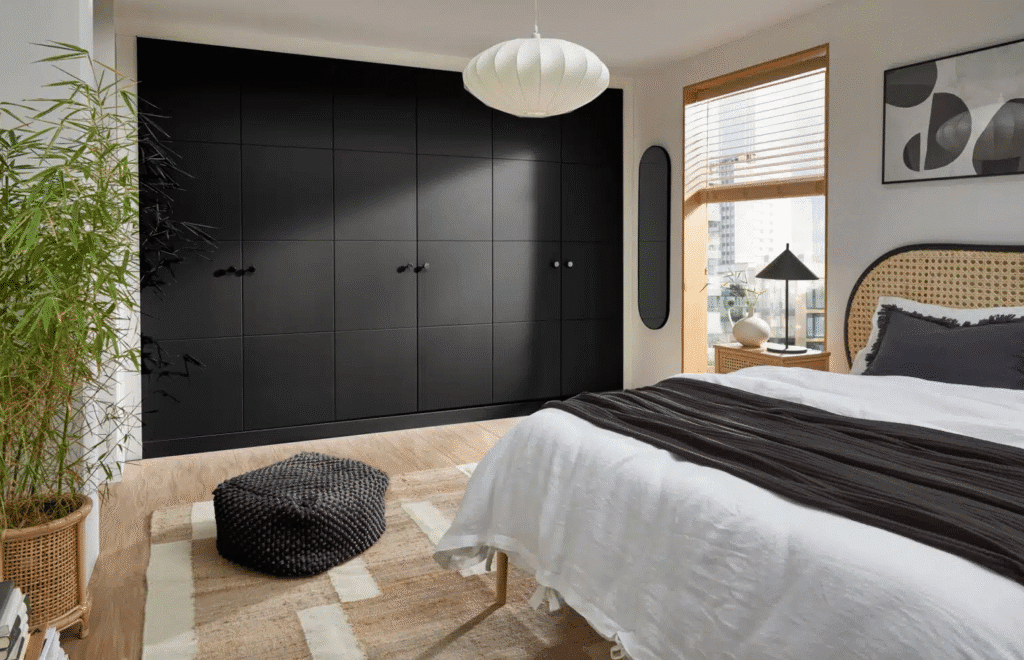
Deep charcoal gray and inky blue are two of the most popular bold bedroom paint colors for those who enjoy cozy, enveloping spaces. These shades absorb more light than pale neutrals, which can make a room feel intimate and cocooning, especially at night. Paired with soft lighting and tactile fabrics, they are ideal for bedrooms that double as evening retreats or media-friendly spaces.
In my experience designing darker modern bedrooms, success depends on balancing depth of color with enough light sources. Use multiple warm white light points at different levels, such as bedside lamps, wall sconces, and a dimmable ceiling fixture. This layered lighting keeps charcoal and ink blue from feeling oppressive while still delivering the moody elegance that many people love.
Practical tips for deep charcoal and ink blue:
- Keep ceilings white or a very pale neutral to avoid making the room feel too low or compressed.
- Introduce light-colored area rugs, bedding, and curtains to create contrast and break up the darker surfaces.
- Maintain a consistent color temperature in bulbs, ideally around 2700K to 3000K, so shadows stay soft and flattering.
Used thoughtfully, dark hues turn a modern bedroom into a stylish sanctuary that feels luxurious rather than heavy.
Modern Terracotta, Clay, and Blush for Cozy Sophistication
Earthy terracotta, clay, and softened blush tones are trending in modern bedrooms for their ability to bring warmth without sacrificing a contemporary look. These hues echo natural materials like brick, pottery, and sunbaked stone, which helps connect the bedroom to an earthy, grounded palette. With the right depth, they feel sophisticated rather than overly sweet.
Based on real-world testing with sample boards, mid-tone terracotta provides a beautiful background for walnut or oak furniture, woven pendants, and textured rugs. Soft clay tones, which sit between beige and muted rosy brown, are especially flattering in low light, making them ideal for late evening relaxation. Blush works best when dusted with gray or brown undertones, which keeps it from reading as purely pink.
To keep these warm colors modern:
- Balance them with sharp lines and simple forms in furniture to prevent a rustic or overly vintage look.
- Add black, charcoal, or deep bronze accents in hardware and lamps for contrast.
- Use breathable natural fibers like cotton, linen, or wool for bedding and throws, which complement the organic quality of terracotta and clay.
Earthy accent hues add warmth and character to modern retreats, creating bedrooms that feel both stylish and deeply comforting.
Statement Walls, Color Blocking, and Two-Tone Designs
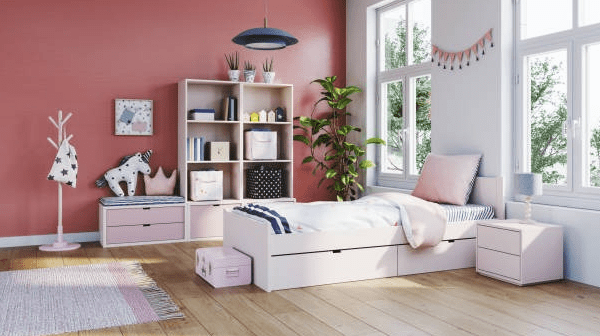
Advanced paint strategies such as statement walls, color blocking, and two-tone designs can give modern bedrooms a highly customized, designer feel. Rather than relying on a single flat color, these approaches use geometry and contrast to highlight architecture or zone the space. They are particularly helpful in small or multiuse bedrooms that need visual structure.
In my experience working with compact urban bedrooms, a two-tone wall that is darker on the bottom and lighter on top can make the ceiling feel higher while grounding the furniture visually. Simple color blocking behind a desk, reading corner, or dressing area subtly defines the function without adding physical partitions. This is a powerful technique for studio apartments where the bedroom must share space with work or leisure areas.
When planning these modern paint layouts:
- Keep shapes clean and avoid overly intricate patterns to maintain a contemporary feel.
- Use painter’s tape and a level to achieve crisp lines, and always allow the first color to cure adequately before taping.
- Limit the palette to two or three complementary colors to prevent visual clutter.
Thoughtful color blocking and two-tone designs let you experiment with bold paint colors while preserving the calm, organized character of a modern bedroom retreat.
Pairing Paint Colors with Lighting, Textiles, and Finishes
The most successful bedroom color schemes consider not just paint, but also lighting, fabrics, and finishes as part of one integrated composition. Paint color can shift significantly depending on bulb temperature, daylight exposure, and nearby materials. Testing colors in context is crucial to achieving the restful yet stylish look you see in modern design inspiration.
From hands-on work with clients, I have learned that even a perfect paint shade can feel off if the lighting is too cool or too bright for the space. For bedrooms, warm white bulbs in the 2700K to 3000K range usually feel the most relaxing and flattering to skin tones. Dimmable fixtures add needed flexibility for reading, relaxing, or getting dressed. Natural fiber shades and frosted glass also help soften direct glare.
Consider these coordination guidelines:
- Match cool wall colors like blue or gray with crisp white bedding and silver or black metals.
- Pair warm walls like terracotta, clay, or cream with brass, bronze, or natural wood.
- Introduce varied textures, such as nubby throws, velvet cushions, and woven rugs, to add dimension to monochromatic or low-contrast color schemes.
By viewing paint as one element within a broader palette, you can design a modern bedroom that feels cohesive, comfortable, and visually resolved from floor to ceiling.
Conclusion
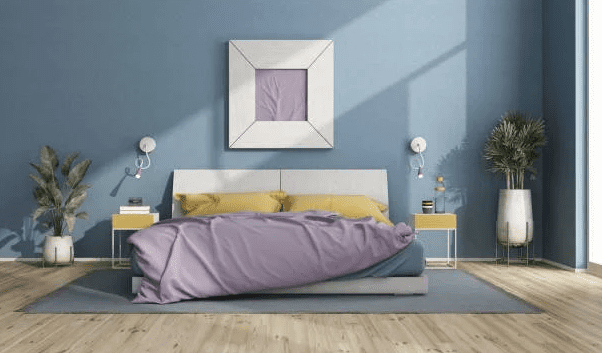
Stylish bedroom paint colors can transform a simple sleeping space into a modern retreat that reflects your personality while supporting relaxation. Whether you lean toward soft neutrals or bold accent hues, the key lies in balancing color, light, and texture so the room feels both current and deeply livable.
The most resilient bedroom color schemes start with a calm foundation of warm whites, greiges, or soft blues and greens, then add depth through strategic accents like charcoal, ink blue, or earthy terracotta. In my experience working on modern homes, layering color in stages makes it easier to adjust along the way and avoid choices that feel overwhelming or distracting. This flexible approach also allows you to respond to changing trends without repainting the entire space.
Ultimately, the best modern bedroom paint palette is the one that makes you exhale at the end of the day. Take time to test colors on your walls, observe them in different lighting, and consider how they collaborate with your existing furniture and textiles. With a thoughtful mix of soft neutrals and carefully chosen accent hues, your bedroom can become a stylish, tailored refuge that feels modern now and adaptable for years to come.

Maira Lindey is a home decor enthusiast who loves transforming ordinary spaces into warm, stylish havens. Through her writing, she shares simple, creative ideas that help people make their homes both beautiful and comfortable. Her approach combines aesthetic charm with practical solutions for everyday living.
With years of experience experimenting with colors, textures, and layouts, Maira enjoys guiding readers to express their personality through home design. She believes that even small changes can have a big impact, and she focuses on tips that are easy to implement without overwhelming the space or the budget.
Beyond decorating, Maira finds inspiration in nature, art, and everyday life. She encourages her readers to embrace creativity and make spaces that feel uniquely theirs, blending functionality with style in ways that are both inviting and livable.