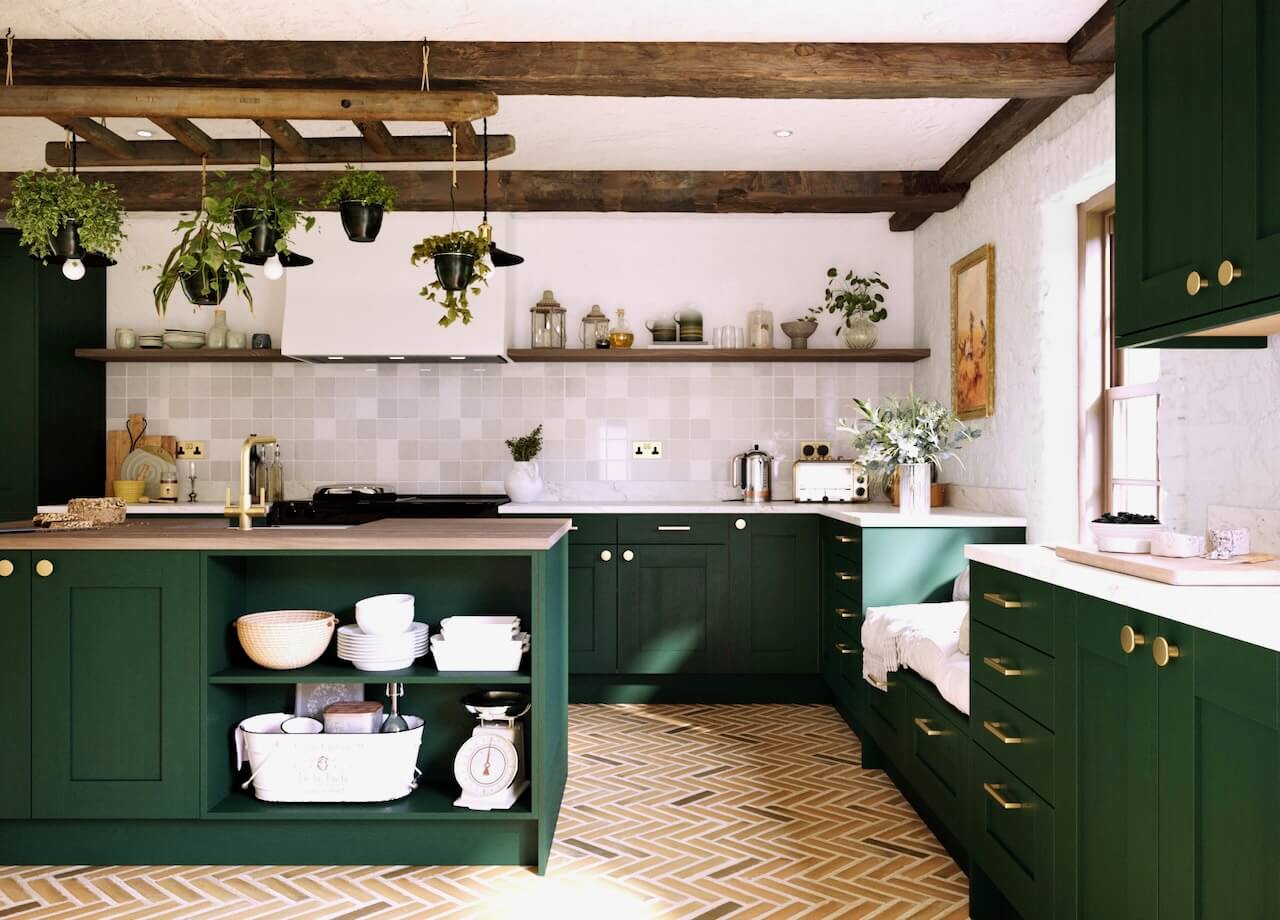
Sustainable upcycled kitchenware decor blends creative design with eco-conscious living, turning forgotten utensils and dishes into beautiful, functional accents. This guide explores practical ways to style every home with upcycled pieces that feel intentional, modern, and deeply personal.
Upcycled kitchenware decor is one of the simplest ways to reduce waste, save money, and add character to your home. By reimagining everyday items like jars, pans, and cutlery, you can create sustainable style that tells your story and keeps useful materials in circulation for years.
Charming DIY upcycled kitchenware decor ideas
Upcycled kitchenware decor often starts with items you already own but no longer use: chipped mugs, single plates without their set, or worn wooden spoons. Instead of discarding them, treat each one as raw material for a new design project. A single vintage colander can become a plant holder, while an old metal tray can transform into a magnetic message board for recipes and shopping lists. This approach saves resources and adds charm that mass-produced decor rarely matches.
In my experience working on small-space kitchens, the most successful upcycling projects begin with a clear function in mind. Decide whether you want more wall storage, better lighting, extra plant space, or simply decorative interest, then choose pieces that can realistically support that role. For example, a heavy cast-iron pan can safely hold hooks and jars, while a delicate porcelain plate is better suited to wall art. Focusing on durability and safety is essential, especially when hanging items overhead.
Some of the most charming DIY ideas use very simple techniques that do not require specialized tools. A few beginner-friendly upcycled decor ideas include:
- Turning mismatched mugs into countertop herb planters with drainage stones
- Gluing old forks and spoons to a wooden board to create a key rack
- Using glass jars as pendant light shades with proper rated fixtures and heat-safe bulbs
From hands-on projects, I have found that starting small and quick builds confidence and encourages more ambitious sustainable decor experiments over time.
Transforming jars, bottles, and tins into functional accents
Glass jars, bottles, and food tins are the backbone of many upcycled kitchen decor projects because they are sturdy, easy to clean, and visually versatile. Clear jars can become storage containers for dry goods, vases for seasonal flowers, or organizers for utensils and tools. Colored glass bottles add instant character on open shelves, especially when grouped in different heights and tones. Food tins, once cleaned and deburred carefully, make excellent caddies for cutlery, napkins, or art supplies.
Based on real-world testing in family kitchens, labeling and sealing matter as much as style for functional jar storage. For pantry use, choose jars with airtight lids and label them clearly with both the item name and purchase or refill date. Chalkboard labels, paint pens, or simple paper tags all work, as long as they are easy to read and update. This combination of visual appeal and practical information helps you actually use what you store, which is a key part of sustainable living.
Tins and bottles can also evolve into lighting and greenery features if handled with care. For example:
- Clean, smooth-edged tins can be drilled for drainage and used as herb planters on a windowsill
- Wine bottles can be cut by a professional into candle sleeves or vases for long-stem flowers
- Small jars can become tealight holders if placed on stable, heat-resistant surfaces
Whenever you introduce candles or electrical components, follow safety guidelines, use appropriate rated bulbs, and keep flammable materials at a safe distance. Sustainability includes preventing accidents and ensuring your upcycled decor can be enjoyed safely over time.
Repurposing cookware, cutlery, and serving pieces with character
Old cookware often carries deep sentimental value, even when it is no longer ideal for cooking. Scratched baking sheets, dented pots, or orphaned pan lids can turn into art pieces, memo boards, or hanging storage. For instance, a metal baking sheet can become a magnetic spice rack on the wall, lined with small labeled magnetic tins. A row of vintage pan lids can create a sculptural installation above a stove, adding patina and visual depth to the kitchen.
From hands-on work with clients, I have seen cutlery emerge as one of the most playful materials for upcycled decor. Old forks, spoons, and knives (with blunted or filed edges for safety) can be bent into hooks, handles, or decorative accents. A cluster of bent spoons can hold lightweight dish towels, or be arranged into a whimsical clock face around a central mechanism. Always stabilize sharp edges, smooth corners, and use strong adhesives or hardware rated for the intended weight.
Serving pieces such as platters, teapots, and cake stands also adapt wonderfully to new roles. Consider:
- Hanging decorative plates as wall art with plate hangers or adhesive discs rated for ceramics
- Stacking mismatched plates and candlesticks with adhesive to create tiered stands for fruit or jewelry
- Turning a vintage teapot into a small table lamp using a proper, professionally wired kit
When structurally altering items, consult instructions from reputable sources or licensed professionals, especially if electricity is involved. The goal is enduring, safe, charming decor that respects both the original object and its new purpose.
Sustainable styling tips for every unique home
A sustainable upcycled kitchen decor style should support your daily life, not fight it. The first styling principle is to avoid clutter by curating what is visible. Even the most beautiful upcycled pieces can feel chaotic if too many are displayed at once. Aim for a balance between decorative and functional items, focusing on pieces that earn their place through usefulness or strong emotional value. Rotating decor seasonally allows you to appreciate more items without overwhelming your space.
In my experience styling homes with different aesthetics, upcycled kitchenware decor adapts seamlessly to multiple looks. For a minimalist home, keep color palettes tight and use simple glass, stainless steel, and white ceramics with clean lines. In bohemian or eclectic homes, combine colorful tins, patterned plates, and vintage utensils for a more layered effect. Farmhouse or cottage styles benefit from weathered wood boards, enamelware, and galvanized metal containers that highlight patina and age.
Thoughtful styling also involves respecting light, scale, and sightlines. A few guiding tips include:
- Place reflective pieces like polished cutlery or glass where they can catch natural light
- Keep frequently used items between waist and eye level for easy reach
- Scale wall pieces to the available space, leaving breathing room around each cluster
Sustainable interior design relies on restraint as much as creativity so that each upcycled piece contributes to a harmonious overall feel rather than visual noise.
Blending upcycled decor with modern and traditional interiors
One misconception is that upcycled decor automatically looks rustic or shabby. With careful choices, it can feel sleek, modern, or elegantly traditional. In a contemporary kitchen with flat-front cabinets and neutral tones, focus on upcycled pieces with simple silhouettes and limited color. Clear jars with uniform labels, matte black painted tins, and brushed steel cutlery hooks can look intentionally minimal and high-end.
Based on my past work with clients in older homes, traditional interiors benefit from upcycled kitchenware that respects existing materials and finishes. For example, a classic wood and stone kitchen might pair well with brass or copper pots used as planters, or vintage china plates hung in symmetrical arrangements. The key is to echo shapes and metals already present in the space, so the upcycled pieces feel like a continuation of the original design language, not an interruption.
Useful strategies for blending upcycled decor into any style include:
- Unifying mixed pieces with consistent color, such as painting various tins in one or two coordinated shades using metal-safe paint
- Repeating forms, like several glass bottles of similar shape used as a row of vases
- Integrating upcycled elements into everyday functions, such as storage, lighting, or serving, rather than only as extra decor
From experience, I have found that when upcycled items clearly serve a purpose and share a visual theme, guests usually perceive them as custom design features rather than improvised replacements.
Practical planning, safety, and maintenance for upcycled pieces
Sustainable design requires planning for long-term use, not just the initial creative moment. Before starting any project, evaluate whether the item is safe structurally, cleanable, and appropriate for the new function. Food storage containers, for example, should be made from food-safe materials and free from rust, peeling coatings, or questionable plastics. If in doubt, reserve older or unknown materials for purely decorative roles and keep food-contact uses limited to items you can verify.
From hands-on projects, I have learned that stable mounting and secure hardware are critical for wall-based upcycled decor. Heavy objects like cast-iron pans or thick glass bottles should be anchored using wall studs or appropriate wall anchors rated for the load. Follow manufacturer guidelines for screws, hooks, and brackets, and do not overload hanging racks or pot rails. This attention to safety protects both your household and your decor investment.
Maintenance is also essential for keeping upcycled kitchen decor attractive and hygienic. A few practical habits include:
- Dusting open shelves, jars, and hanging pieces weekly to prevent buildup
- Washing glass and metal items regularly with mild soap, and drying them thoroughly to prevent rust or water spots
- Inspecting plant-based projects like herb planters for adequate drainage and signs of mold, and adjusting care routines accordingly
Sustainability is not only about reuse, but also about making sure items last as long as possible in good condition, avoiding the need for premature replacement.
Budget-friendly upcycling projects for renters and small spaces
Renters and small-space dwellers can benefit especially from upcycled kitchen decor because it often avoids permanent changes and keeps costs low. Many projects rely on removable hooks, tension rods, or freestanding pieces that leave walls and cabinets intact. For instance, a tension rod between two cabinets can hold S-hooks with upcycled cutlery organizers, while a magnetic strip on the fridge can support small jar spice containers. These ideas make the most of vertical and hidden spaces without drilling.
In my experience working with compact apartments, modularity is the secret weapon for sustainable and flexible decor. Choose upcycled pieces that stack, nest, or hang, so you can quickly reconfigure them when you move or rearrange. A set of repurposed jars with uniform lids can shift from pantry storage to craft supplies or bathroom essentials with minimal effort. Keeping a consistent diameter or shape among containers simplifies storage and transport.
Several renter-friendly, budget-conscious project ideas include:
- Reusing glass sauce jars as pantry containers labeled with removable tape
- Turning a shallow baking tray into a catchall on a small countertop for oils, salt, and utensils
- Hanging lightweight colanders or sieves as decorative wall baskets with removable adhesive hooks
Based on real-world layouts, these simple, reversible projects can significantly improve function and reduce clutter, while staying fully compatible with lease agreements and limited square footage.
Cultivating a sustainable upcycling mindset at home
Upcycled kitchenware decor succeeds best when it is part of a broader mindset rather than a one-time project. Start by observing what you already own and how it moves through your home. Notice which items you dispose of most frequently, such as glass jars, coffee tins, or takeout containers, and experiment with giving one category a second life before it reaches the bin or recycling. This kind of small, repeated decision quietly shifts your household toward sustainable habits.
From my experience encouraging clients to adopt greener practices, the most powerful change comes from setting simple, achievable guidelines. For example, you might decide to always evaluate an object for a possible second use before discarding it, or to attempt one modest upcycling project per season. These rules keep the process enjoyable instead of overwhelming, and they prevent your home from becoming a storage site for endless “someday” materials.
Community and knowledge sharing further enrich your upcycling journey. Practical ways to cultivate this include:
- Swapping unused kitchenware with friends, neighbors, or local buy-nothing groups for fresh project materials
- Attending local repair or maker workshops to learn basic skills like drilling, sanding, or safe wiring
- Sharing your successful upcycled projects on social media or in community groups to inspire others
Sustainable style thrives when it is visible, shared, and adapted, turning each personal experiment into part of a larger, more resource-conscious culture.
Conclusion
Sustainable upcycled kitchenware decor shows that environmental responsibility and beautiful design can support one another in everyday life. By treating old jars, pans, and utensils as creative raw materials, any home can grow more personal, practical, and planet-friendly over time.
In conclusion, upcycled kitchenware decor is a practical pathway to sustainable style that suits every type of home. From simple jar storage projects to sculptural cookware art, each reused object reduces waste and adds personality that cannot be bought off the shelf. Thoughtful planning, safe construction, and regular maintenance ensure that these projects remain both attractive and functional for years.
In my experience working with households of many sizes and styles, the most rewarding upcycling efforts are those that solve real problems while reflecting personal history. A family pie tin turned message board or a grandparent’s teapot turned planter carries emotional weight that new decor cannot replicate. When you choose pieces with meaning and give them fresh purpose, sustainability becomes intertwined with memory and daily routine.
Going forward, consider approaching every outdated or spare kitchen item with curiosity instead of immediate disposal. Ask how it might serve as storage, art, lighting, or a planter, and test ideas within the limits of safety and practicality. With each project, you refine a design language that is uniquely yours and contribute quietly but meaningfully to a more circular, resource-aware way of living.

Maira Lindey is a home decor enthusiast who loves transforming ordinary spaces into warm, stylish havens. Through her writing, she shares simple, creative ideas that help people make their homes both beautiful and comfortable. Her approach combines aesthetic charm with practical solutions for everyday living.
With years of experience experimenting with colors, textures, and layouts, Maira enjoys guiding readers to express their personality through home design. She believes that even small changes can have a big impact, and she focuses on tips that are easy to implement without overwhelming the space or the budget.
Beyond decorating, Maira finds inspiration in nature, art, and everyday life. She encourages her readers to embrace creativity and make spaces that feel uniquely theirs, blending functionality with style in ways that are both inviting and livable.