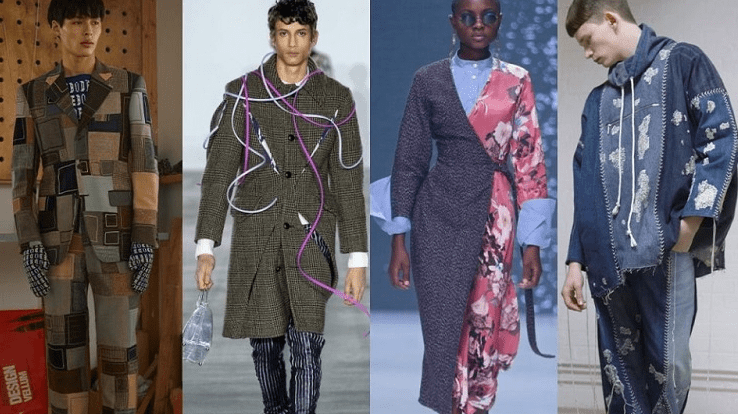
Upcycled clothing turns forgotten garments into bold, eco-conscious outfits that express real personality. This guide shares creative, achievable ideas for transforming old blazers, coats, and jeans into statement pieces that feel fresh, modern, and uniquely yours.
Upcycling fashion is about more than saving money. It is a practical way to reduce textile waste, cut demand for fast fashion, and develop a personal style that cannot be copied straight from a shop window. With a few sewing basics and some creative vision, your closet can become a source of sustainable style rather than clutter.
Statement Jackets From Thrifted Blazers & Coats
Transforming thrifted blazers and coats into statement jackets is one of the most impactful ways to explore sustainable fashion. A structured blazer has built-in shape, so you can experiment with color, texture, and details while relying on a solid base. In my experience working with clients on wardrobe revamps, a single reworked blazer often becomes their go-to piece for both casual and dressy looks. The key is to see a used garment not as “old” but as a blank canvas.
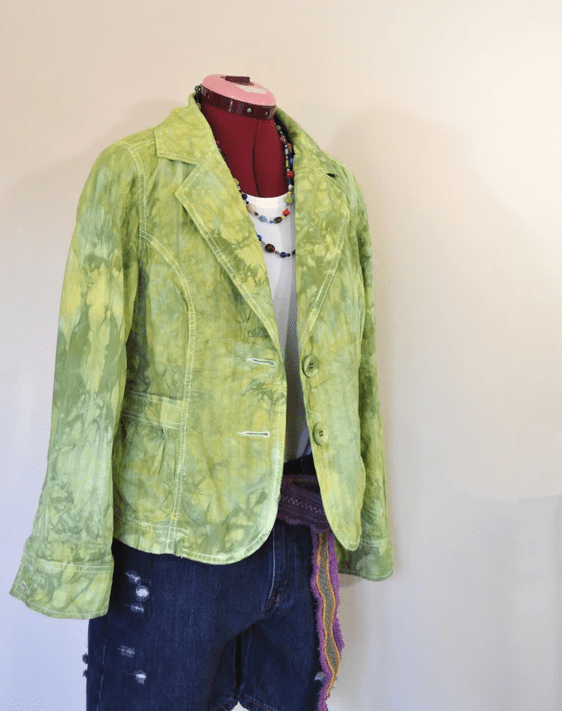
Start by choosing quality fabrics from secondhand shops or your own closet. Natural fibers such as wool, cotton, and linen are easier to press, reshape, and repair than many synthetics, and they often last longer with proper care. Check the lining, shoulder seams, and lapels to ensure the structure is sound, since these areas are harder to fix for beginners. You can always change buttons, shorten sleeves, or adjust the fit slightly, but major tailoring is best done by an experienced sewer or a professional tailor.
Bold embellishments instantly turn a basic blazer into a statement jacket. Try:
- Large contrasting buttons in metal, wood, or bold colors
- Hand embroidery on lapels, cuffs, or pocket edges
- Appliqué patches or fabric cutouts on the back panel
- Painted motifs using fabric paint or screen printing ink
From hands-on upcycling projects, I have found that limiting yourself to two or three key design ideas per jacket keeps the overall look intentional rather than chaotic. For example, pair bold back artwork with subtle buttons, or choose loud buttons with a clean, tailored shape and no other decorations.
Custom Painted & Printed Blazer Backs
The back of a blazer is a perfect canvas for expressive, high-impact upcycled fashion. It offers a large, uninterrupted area where you can add illustrations, typography, or abstract shapes. Custom painted blazer backs are particularly effective for people who want sustainable street style that stands out in a crowd. Since you are working with existing garments, always test your tools on a hidden seam or scrap of fabric before committing to the main surface.
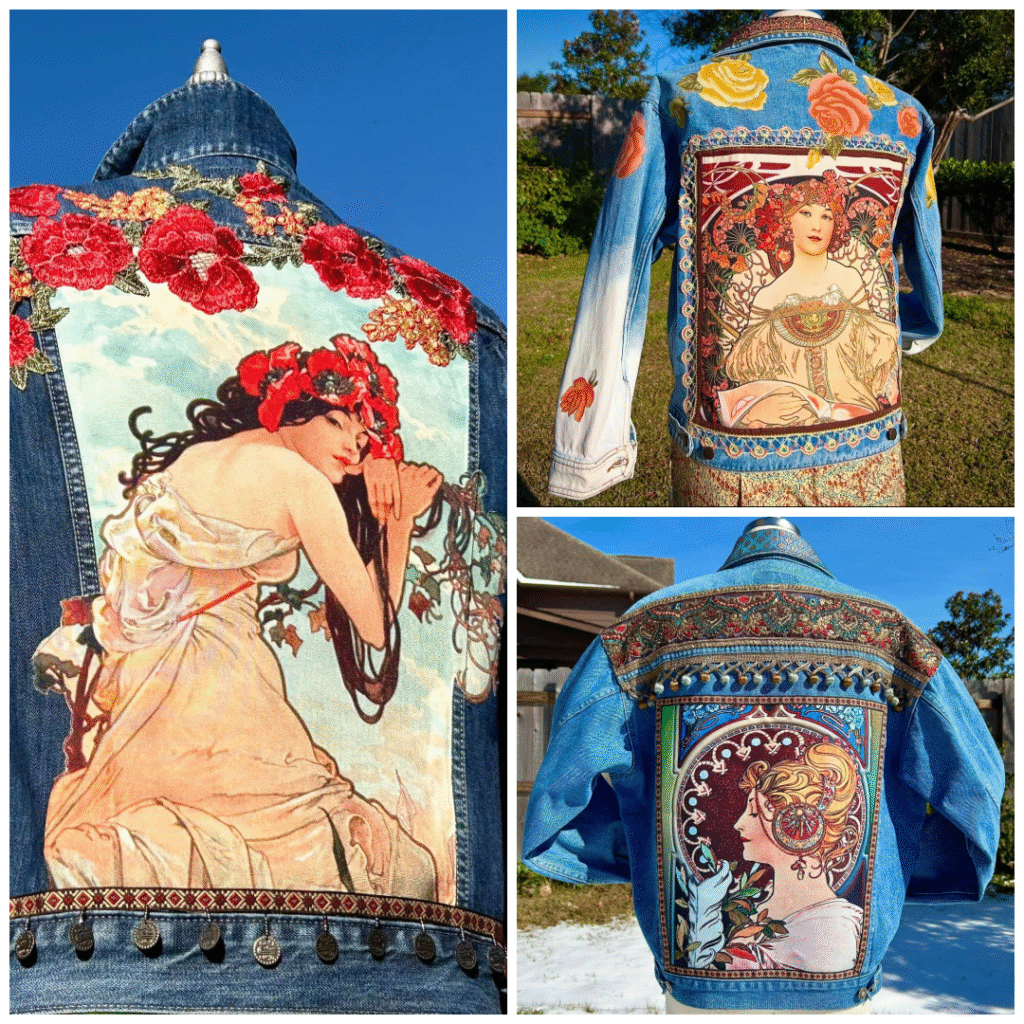
Use fabric-safe paints or markers designed specifically for textiles. These products are formulated to flex with the fabric and resist cracking when the garment moves. A typical process includes light sanding or scuffing on very smooth synthetic surfaces, then applying paint in thin layers, allowing each layer to dry thoroughly. Heat setting with an iron, following the paint manufacturer’s directions, helps lock the design in and improve wash durability. As a factual note, hand washing in cool water and air drying is generally gentler on painted garments than machine washing.
If freehand painting feels intimidating, try low-risk approaches that still look bold:
- Stencils cut from cardstock or plastic sheets
- Painter’s tape to create geometric blocks of color
- Simple repeated icons like stars, eyes, or leaves
- Minimalist line drawings in a single color
Based on real-world testing with clients, high-contrast designs often work best on darker blazers, while subtle, tonal painting looks sophisticated on lighter neutrals. Consider aligning your artwork with the jacket’s structure, such as placing a central motif between the shoulder seams so it reads clearly and does not distort when worn.
Patchwork, Panels & Mixed-Textile Sleeves
Patchwork is a classic upcycling technique that lends itself beautifully to bold statement jackets. Adding fabric panels or fully patchworked sections can completely change the personality of a thrifted coat. You might keep the front of a jacket simple while turning the back into a collage of prints, or you might replace only the sleeves for a mixed-textile effect. In my experience working on studio collections, mixed-material sleeves are often the easiest and fastest win for dramatic change.
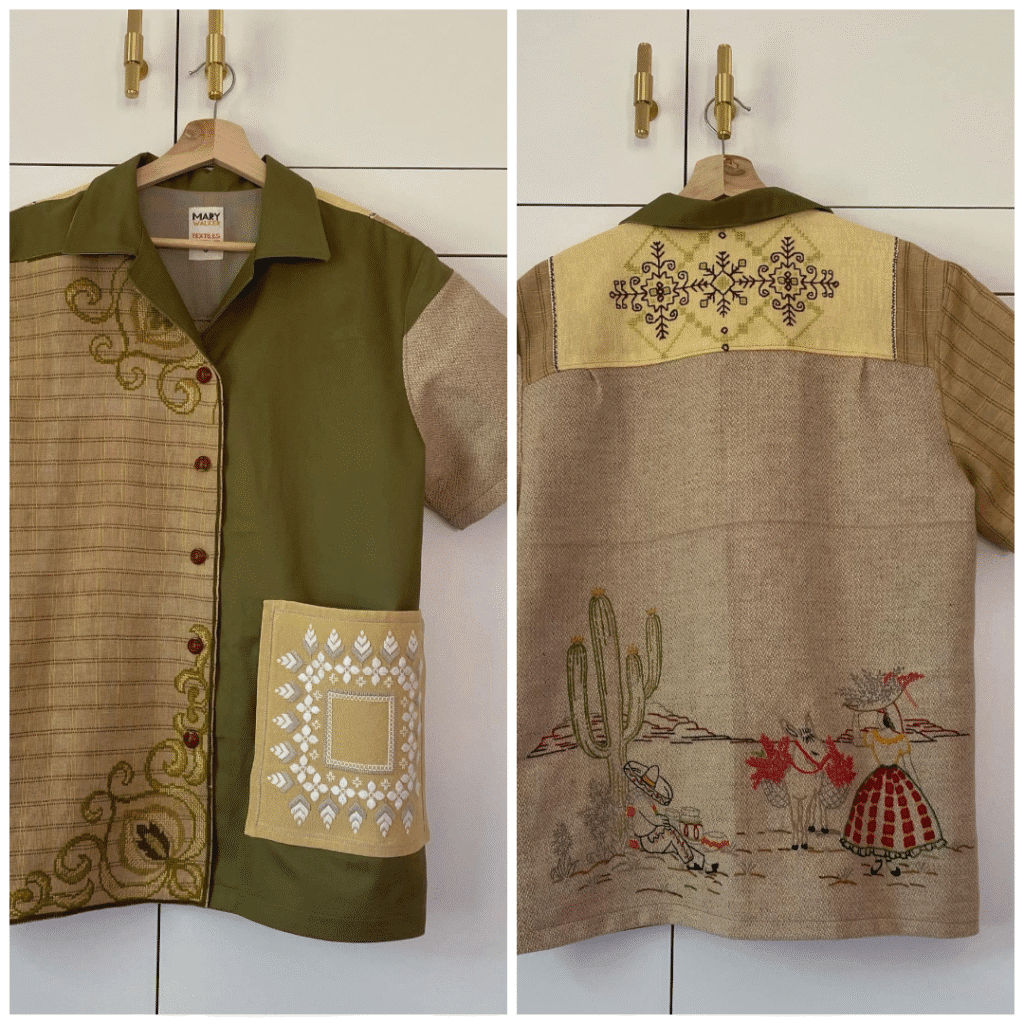
To create patchwork panels, gather fabric leftovers from previous projects, worn-out shirts, or even damaged scarves. Choose textiles of similar weight so they drape similarly to the original jacket fabric. Too much difference in weight can pull at seams or cause awkward twisting while worn. Pre-wash all fabrics in similar conditions to prevent uneven shrinkage after sewing. When in doubt, use cotton blends for panels because they are easy to stitch and easy to care for, as long as they are not exposed to extremely high heat.
Consider these bold patchwork and panel ideas:
- Denim sleeves on a tailored wool blazer
- Color-blocked panels on each side of the front opening
- A quilt-style back panel using squares from old shirts
- Contrasting collar and cuff pieces in printed cotton or velvet
From hands-on work with beginners, I have found that straight seams and rectangular patches are more forgiving than complex shapes. For durability, press seams open and consider topstitching them flat, especially along high-stress areas such as shoulders and elbows. This not only strengthens the construction but also adds a visible design detail that looks intentional and professional.
Deconstruction & Cropped Jacket Experiments
Deconstruction is a bolder approach to upcycled clothing that involves cutting apart a garment and rebuilding it in a different shape. With thrifted blazers and coats, cropping the length or altering the lapels can produce a modern, fashion-forward piece. For instance, turning a long men’s blazer into a boxy cropped jacket pairs well with high-waisted trousers or dresses, giving your wardrobe more mix-and-match versatility.
To crop a blazer safely, first put it on and mark the desired new hemline with tailor’s chalk or pins, ideally while looking in a mirror. Take the jacket off and measure from the original hem up to the marked line, making sure the measurement is consistent around the entire jacket. Add at least 1 to 1.5 inches for the new hem allowance. Since structured coats often have multiple fabric layers, trimming gradually and pressing as you go helps maintain clean lines. Factually, using a pressing cloth and medium heat prevents scorch marks on wool and synthetic blends.
Try these deconstruction experiments for bold sustainable style:
- Cropped blazer with raw, frayed hem stabilized by zigzag stitching
- Sleeveless blazer vest by carefully removing sleeves and binding the armholes
- Split-back coat where the center back is opened and overlapped to create movement
- Asymmetrical hemline or high-low cut for a streetwear edge
Based on my past work with clients, the most successful deconstructed pieces usually keep at least one original tailoring detail intact, such as sharp lapels or structured shoulders. This balance of classic and experimental elements keeps the jacket wearable day to day rather than turning it into a costume.
Bold Denim Transformations Using Old Jeans
Old jeans are one of the most versatile materials for upcycled fashion because denim is durable, easy to layer, and widely available. Many people have jeans in their closet that no longer fit, are worn at the knees, or feel dated in style. Instead of discarding them, you can turn them into reimagined garments that support slow fashion and personal creativity. From hands-on projects, I have found that denim’s strength and thickness give beginners more room for error than delicate fabrics.
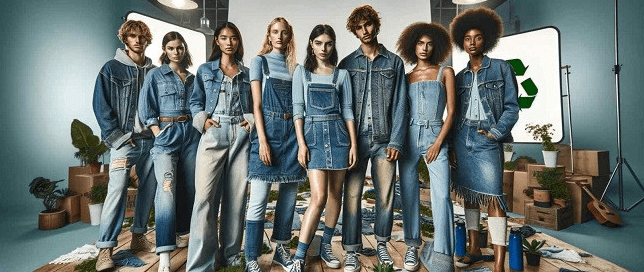
Before cutting, assess each pair: check for areas of heavy wear, such as knees, inner thighs, and back pockets. These worn sections can either be featured as distressed design elements or avoided in structural seams. Wash and dry the jeans in the way you plan to care for the final piece, since denim can shrink the first few times it is laundered. Keep any hardware such as zippers, waistbands, and belt loops, since they can be reused as decorative or functional pieces.
Upcycled denim open up possibilities for:
- Skirts from jeans with damaged lower legs
- Patchwork denim jackets using multiple pairs of jeans
- Bags, bucket hats, and accessories from leftover denim scraps
- Contrasting trims for other garments, like cuffs or collar inserts
Sustainable fashion with jeans is especially effective because denim is one of the most resource-heavy fabrics to produce. Reusing existing denim helps reduce demand for new fabric and cuts down on textile waste, which is increasingly important as landfills fill with discarded clothing.
Turning Jeans into Statement Skirts
Converting jeans into skirts is a classic upcycle that works for many body types and style preferences. At the simplest level, you can remove the inner leg seams, insert triangular panels, and create an A-line or straight skirt that keeps the original waistband and pockets. This preserves the comfortable fit you are used to while refreshing the silhouette. In my experience working with beginners, jean-to-skirt projects are one of the most satisfying quick wins.
For a basic transformation, cut carefully along the inside leg seams and lay the jeans flat. Overlap the front seam so that it lies flat without pulling, then stitch it in place. Repeat for the back, adding a denim or printed fabric panel if needed to fill the gap. Press seams thoroughly to keep the surface smooth, using medium heat and steam where safe for the fabric blend. As a factual note, many stretch denims include elastane, which can be sensitive to very high heat, so avoid the hottest iron settings.
You can increase the boldness of the design with:
- High contrast inserts, such as bright cotton prints or tartan
- Uneven or hand-frayed hems, stabilized with a row of close zigzag stitches
- Visible topstitching in neon or metallic thread
- Patch pockets from other fabrics or additional denim layers
From hands-on work with clients, I have seen that keeping the length just above or below the knee creates a versatile piece that can be styled casually or more dressed up. Shorter, punk-inspired minis are also possible, but be sure to test the length while moving and sitting for comfort and practicality.
Patchwork Denim Jackets, Vests & Shirts
Patchwork denim jackets and vests let you combine multiple pairs of jeans into a single statement piece. This is a great solution if no single pair is in good enough condition on its own. Denim patchwork has a long history in both workwear and craft traditions, so you can lean into either a rugged, utility aesthetic or a more art-driven collage look. In my experience working on capsule collections, using a limited palette of denim shades helps patchwork pieces look coherent and wearable.
Begin by cutting jeans into large panels, separating front legs, back legs, and upper sections. Sort pieces by weight and color: light wash, mid wash, dark wash, black, and any colored denim. Plan your layout on a table or floor first to visualize the final garment and ensure that seams line up logically with the pattern pieces you will use. Pre-pressing each seam as you sew makes thick denim layers easier to manage, and a sturdy needle labeled for denim or jeans on your machine is important for safety and stitch quality.
Patchwork denim garment ideas include:
- Boxy chore-style jacket from multiple washes of denim
- Sleeveless vest with raw-edged patchwork and visible stitching
- Denim shirt with patchwork yoke or pocket panels only
- Long-line duster made from vertically arranged denim strips
Based on real-world testing, reinforcing high-stress areas such as armholes, shoulders, and pocket corners with bartacks or extra stitching significantly extends the life of patchwork jackets. Denim can be heavy, so be mindful of overall garment weight, especially for long coats or pieces with many overlapping layers.
Accessories & Details From Denim Scraps
Even the smallest denim scraps can be turned into useful, stylish accessories. This is where you can experiment freely without committing to a full garment. Scrappy projects are an ideal starting point for people who are new to sewing or want fast, low-risk introductions to upcycling. From hands-on teaching in workshops, I have noticed that accessory projects often give beginners the confidence to tackle more complex clothing later.
Scrap denim can be layered, twisted, or braided to create:
- Headbands or hair ties with elastic backs
- Fabric-covered belts using the original belt loops as decorative elements
- Statement earrings with denim tassels, backed by lightweight fabric
- Small crossbody bags or pouches for phones and keys
For durability, line bags and belts with a smooth fabric to reduce bulk and protect the denim from stretching out of shape. When creating jewelry or hair accessories, keep weight in mind, since stacked denim can feel heavy. Using thinner scraps or mixing denim with lighter materials like cotton lawn or silk offcuts can balance comfort and style. As a factual safety note, always secure metal findings and test them for sharp edges before wearing.
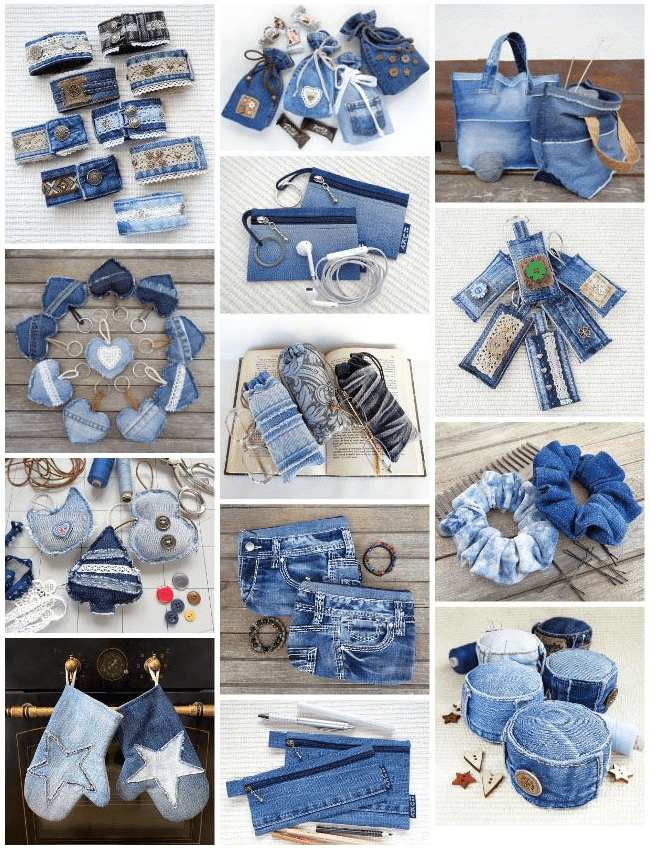
From practical experience, I have found that using consistent topstitch thread color across multiple accessories helps them feel like part of a cohesive mini collection. This is a simple trick that can make a mix of scraps look intentional and curated rather than random.
Conclusion
Upcycled clothing offers a powerful way to refresh your style while reducing waste and honoring the resources already embedded in every garment. By reshaping thrifted blazers, coats, and jeans, you can create pieces that feel both fashion-forward and deeply personal.
Incorporating statement jackets, painted blazer backs, patchwork textiles, and transformed denim into your wardrobe shifts your relationship with fashion from passive consumption to active creation. From my experience working with upcycling enthusiasts, people often feel more attached to garments they have helped design, which leads to longer wear and fewer impulse purchases. This is a meaningful step toward a more sustainable, mindful wardrobe.
The key is to start where you are and work with what you already have. Begin with simple changes such as swapping buttons, cropping hems, or turning old jeans into skirts, then move toward more advanced techniques like patchwork jackets or deconstructed blazers. Each piece you upcycle becomes a quiet statement of environmental responsibility and creative courage, proving that bold sustainable style is not only possible, it is genuinely exciting to wear.

Maira Lindey is a home decor enthusiast who loves transforming ordinary spaces into warm, stylish havens. Through her writing, she shares simple, creative ideas that help people make their homes both beautiful and comfortable. Her approach combines aesthetic charm with practical solutions for everyday living.
With years of experience experimenting with colors, textures, and layouts, Maira enjoys guiding readers to express their personality through home design. She believes that even small changes can have a big impact, and she focuses on tips that are easy to implement without overwhelming the space or the budget.
Beyond decorating, Maira finds inspiration in nature, art, and everyday life. She encourages her readers to embrace creativity and make spaces that feel uniquely theirs, blending functionality with style in ways that are both inviting and livable.